
The hearing will focus on the causes of the Deepwater Horizon explosion and will be broadcast live on C-SPAN2. The panelists and speakers are listed here.
Posted in accidents, well control incidents, tagged accidents, blowouts, Deepwater Horizon, drilling, Gulf of Mexico, macondo, National Commission, offshore oil, oil spill, safety, well control on November 7, 2010| Leave a Comment »
The hearing will focus on the causes of the Deepwater Horizon explosion and will be broadcast live on C-SPAN2. The panelists and speakers are listed here.
Posted in accidents, well control incidents, tagged accidents, blowouts, bp, Deepwater Horizon, drilling, Gulf of Mexico, macondo, offshore oil, oil spill, safety, well control on November 2, 2010| Leave a Comment »
Posted in accidents, well control incidents, tagged accidents, blowouts, cement, Chevron, Deepwater Horizon, drilling, Gulf of Mexico, macondo, National Commission, safety, well control on October 28, 2010| Leave a Comment »
Chevron’s report states, among other things, that its lab personnel were unable to generate stable foam cement in the laboratory using the materials provided by Halliburton and available design information regarding the slurry used at the Macondo well. Although laboratory foam stability tests cannot replicate field conditions perfectly, these data strongly suggest that the foam cement used at Macondo was unstable. This may have contributed to the blowout.
Further:
The documents provided to us by Halliburton show, among other things, that its personnel conducted at least four foam stability tests relevant to the Macondo cement slurry. The first two tests were conducted in February 2010 using different well design parameters and a slightly different slurry recipe than was finally used. Both tests indicated that this foam slurry design was unstable.
Posted in accidents, drilling, Offshore Energy - General, well control incidents, tagged accidents, blowouts, Deepwater Horizon, drilling, Gulf of Mexico, macondo, moratorium, safety, well control on October 12, 2010| Leave a Comment »
The White House said Tuesday the government will lift a moratorium on deep water oil drilling in the Gulf of Mexico “very soon” – likely this week. Washington Post
Posted in accidents, well control incidents, tagged accidents, Australia, blowouts, BOEMRE, Coast Guard, Deepwater Horizon, drilling, Gulf of Mexico, macondo, Montara, safety, well control on October 9, 2010| Leave a Comment »
There were so many simultaneous activities — starting with the displacing of mud to the pumping of fluids overboard — it was difficult to see what was going on. John Gisclair, Sperry Sun (see Times Picayune summary of yesterday’s BOEM-Coast Guard hearing)
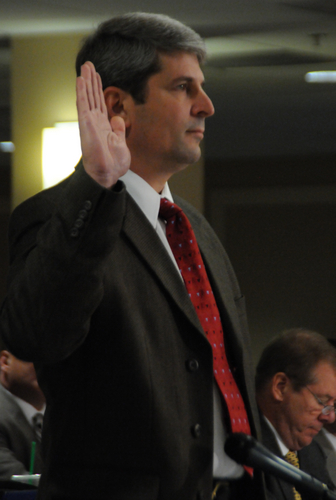
John Gisclair
Too much at once? Hurrying to finish the job? Cost concerns? No one in charge? Distracted by managers visiting the rig? One or more of these human and organizational factors appears to have contributed to the blowout.
Similarly, the rigid commitment to “batching” the development wells (for efficiency reasons) seems to have been a factor contributing to the Montara blowout in the Timor Sea. If after removing the corrosion cap on the production casing, the work on the H1 well had continued in series (i.e. casing tied-back, BOP installed, and well secured) before moving on to another well, this blowout may have been prevented.
At both Macondo and Montara, time pressures (perceived or real) may also have affected the way negative-pressure tests were conducted or assessed. These tests should have detected the influx of hydrocarbons via the shoe track.
Posted in conferences, tagged accidents, blowouts, Canada, IRF, macondo, offshore oil, safety, vancouver, well control on October 8, 2010| Leave a Comment »
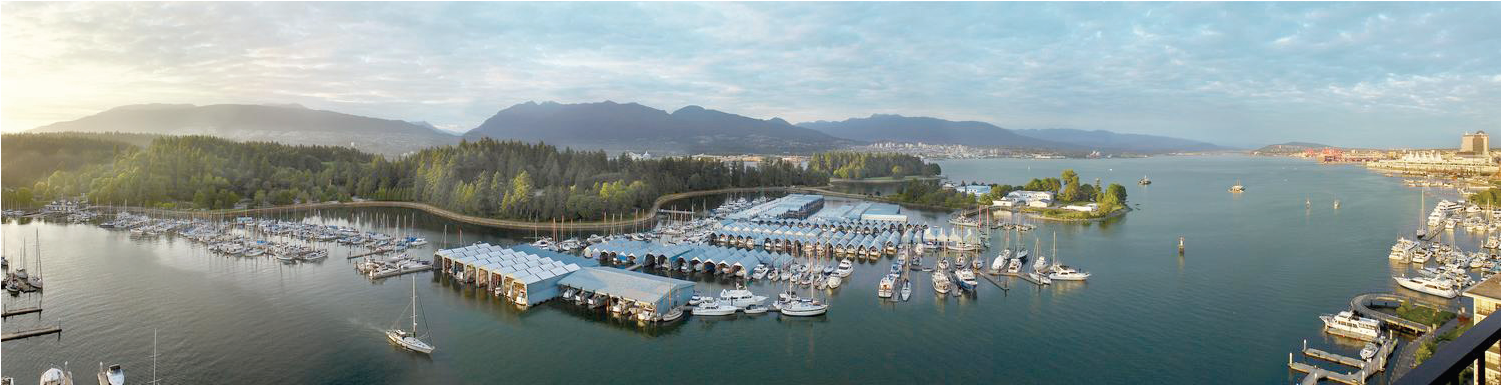
In less than 10 days, we kick off the International Regulators’ Offshore Safety Conference in Vancouver. The venue is top-notch, the list of delegates is long and impressive, and the speakers are world leaders in offshore operations, safety, and regulatory practices. Everything is in place for a productive conference; now it is up to us. We must challenge the speakers, each other, and conventional wisdom if we want to make a difference. We need to understand where we have been, and then focus on where we are going. In that regard, the “Roundtable Discussions” will be an important part of the conference. If you plan to attend the conference and would like to assist with the Roundtable Sessions, send a note to edanenberger@gmail.com.
Here are ten issues that I look forward to discussing with other delegates:
Posted in drilling, Regulation, tagged BOEM, BOEMRE, drilling, Drilling Safety Rule, Gulf of Mexico, macondo, offshore oil, safety, well control on October 7, 2010| Leave a Comment »
While BOEMRE will not solicit comments before the effective date, BOEMRE will accept and consider public comments on this rule that are submitted within 60 days of its publication in the Federal Register. After reviewing the public comments, BOEMRE will publish a notice in the Federal Register that will respond to comments and will either:
1. confirm this rule as a final rule with no additional changes, or
2. issue a revised final rule with modifications, based on public comments.
Posted in accidents, well control incidents, tagged accidents, blowouts, Deepwater Horizon, drilling, Gulf of Mexico, macondo, National Commission, offshore oil, safety, well control on October 6, 2010| Leave a Comment »
Posted in accidents, well control incidents, tagged accidents, blowouts, Deepwater Horizon, drilling, Gulf of Mexico, macondo, offshore oil, safety, well control on October 6, 2010| Leave a Comment »
Absent live streaming or television, the Times Picayune seems to be providing the best coverage of the Coast Guard – BOEM Macondo hearings in New Orleans. While the legal sparring has attracted the most press interest, two other items in this Times Picayune article caught my attention.
Part of Keplinger and Fleytas’ duties was to monitor indicators of gas detectors and alarms from the bridge. Keplinger was busy showing visiting BP and Transocean officials a video-game-style simulator for 45 minutes to an hour before the explosions, he said, but he insisted that Fleytas was keeping him abreast of readouts of the rig’s systems.
Comment: Just as school teachers shouldn’t have been flying in the space shuttle, “tourists” shouldn’t have been visiting a complex drilling operation when the crew was in the process of setting production casing and suspending a potentially dangerous well. While the visit was well-intended, the last thing the crew needed on that night was to be distracted by a group of corporate executives. The distraction they caused was comparable to driving on a dangerous highway while getting text messages from your boss. Visiting windows should be limited to relatively low-risk operations (e.g. when drilling ahead prior to reaching target intervals), and these windows should immediately close if complications develop.
Keplinger flashed some anger at Capt. Curt Kuchta, captain of the Deepwater Horizon rig, during his testimony. He noted that a fellow rig worker, Chris Pleasant, had to ask Kuchta three times whether to disconnect the rig from the wellhead before he got the go-ahead.
Comment: One of the benefits of drilling from a floating and dynamically positioned rig is the ability to move off location if trouble arises. The failure to disconnect the riser and move away from the well at the first indication of flow contributed significantly to the tragic consequences. The technical and human factors that prevented such a disconnect must be thoroughly examined.
Further comment: The absence of live streaming of these important safety hearings is inexcusable. If a senator or governor were testifying, I expect that the cameras would be there.
Posted in accidents, well control incidents, tagged accidents, Australia, blowouts, BOEMRE, Coast Guard, cspan, Deepwater Horizon, drilling, Gulf of Mexico, macondo, Montara, offshore oil, oil spill, well control on October 5, 2010| 2 Comments »
 Bud's Offshore Energy (BOE)