- 2021 (entire year) and 2022 (first half) BSEE incident tables. If safety is the highest priority, these data should be updated quarterly.
- IRF 2021 safety performance data
- An international treaty (accompanied by a standard) on disclosing major offshore accidents and the collection and release of incident data. (Also, see this related post.)
- Hogan and Houchin decommissioning update, most notably the financial responsibility aspects
- Huntington Beach pipeline spill report
- Workable California decommissioning legislation
- ONRR flaring and venting data (update: ONRR advises that they anticipate publication of these data in September.)
- DOI statement on the Sale 257 carbon sequestration bids
- Definitive casualty information and report on the 2-2-2022 Trinity Spirit FPSO fire
- Updated DOI-DOT offshore pipeline regulations
- Coast Guard report on the May 2008 Russell Peterson liftboat tragedy
- Updated US Coast Guard Subchapter N regulations
- Information on the mysterious sinking of the Aban Pearl semi-submersible in May 2010.
Posts Tagged ‘Trinity Spirit’
Still waiting for…
Posted in accidents, CCS, decommissioning, Offshore Energy - General, pipelines, Regulation, tagged aban pearl, BSEE, CCS, flaring, Hogan and Houchin, Huntington Beach, incident data, offshore pipelines, Russell Peterson, Trinity Spirit, USCG on August 11, 2022| Leave a Comment »
Still no definitive casualty information for the 2/2/2022 Trinity Spirit FPSO fire offshore Nigeria
Posted in accidents, IRF, Offshore Energy - General, tagged FPSO fire, Nigeria, offshore industry, offshore safety, Trinity Spirit on March 15, 2022| Leave a Comment »
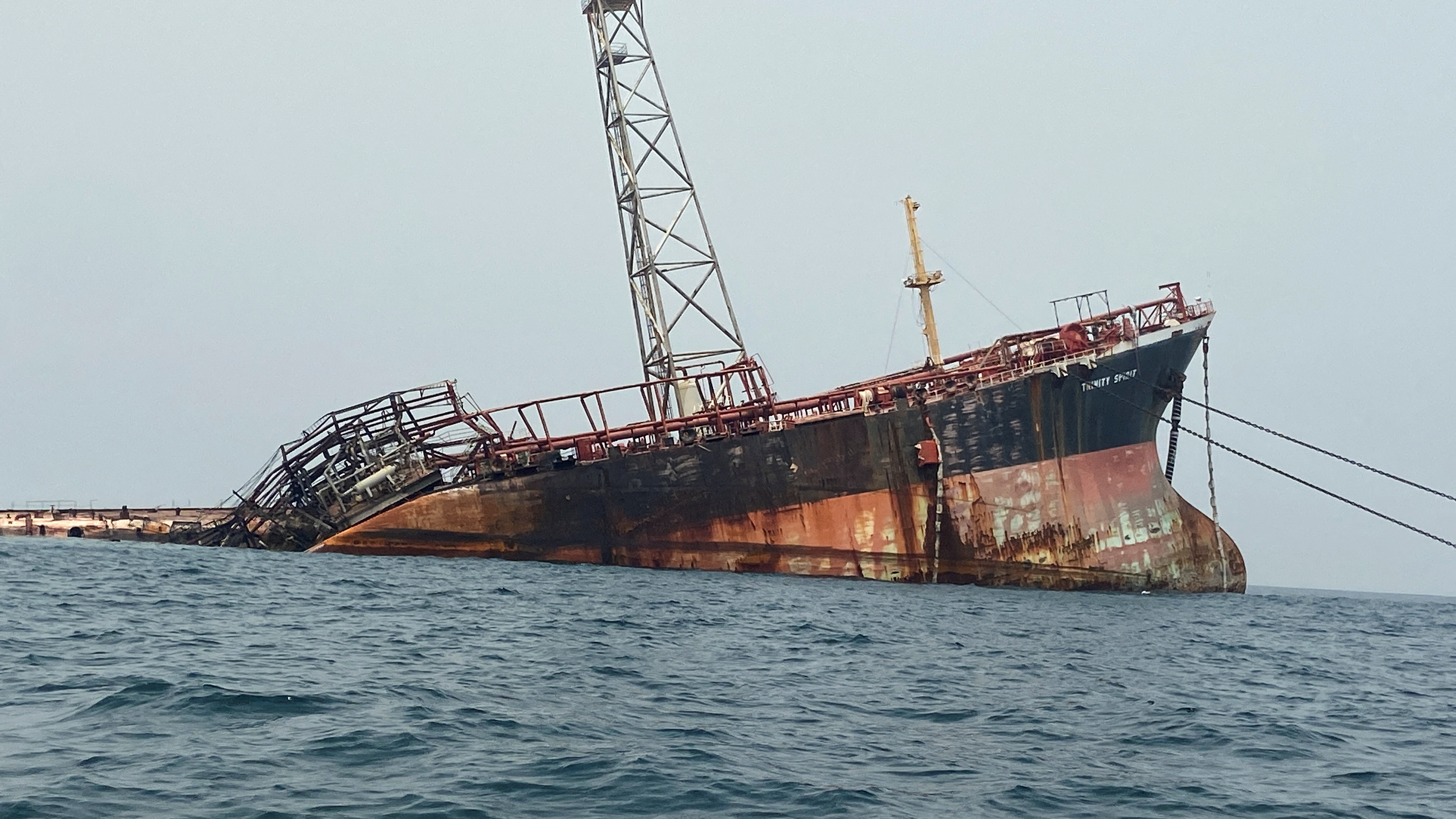
Six weeks after the Trinity Spirit fire, there is still no public accounting of the number of fatalities and injuries. The initial reports were incomplete and inconsistent, even with regard to the number of people on the vessel at the time of the incident.
SEPCOL, the FPSO operator, no longer has a website and has issued no public statements on the incident since the day afer its occurrence. The company’s status is thus uncertain. The Nigerian Upstream Petroleum Regulatory Commission website only advises that the fire was extinguished as of 4 February.
The absence of timely information on major incidents reflects poorly on the offshore industry and those who regulate it. This is not just a Nigerian issue. It’s past time for an international standard that identifies incident information to be publicly disclosed and specifies the timeframes and methods for releasing this information.
Needed: an international standard on disclosing major incidents and releasing findings
Posted in accidents, Offshore Energy - General, tagged API, incident reporting, industry standard, IRF, ISO, Nigerian FPSO, Trinity Spirit on February 16, 2022| Leave a Comment »
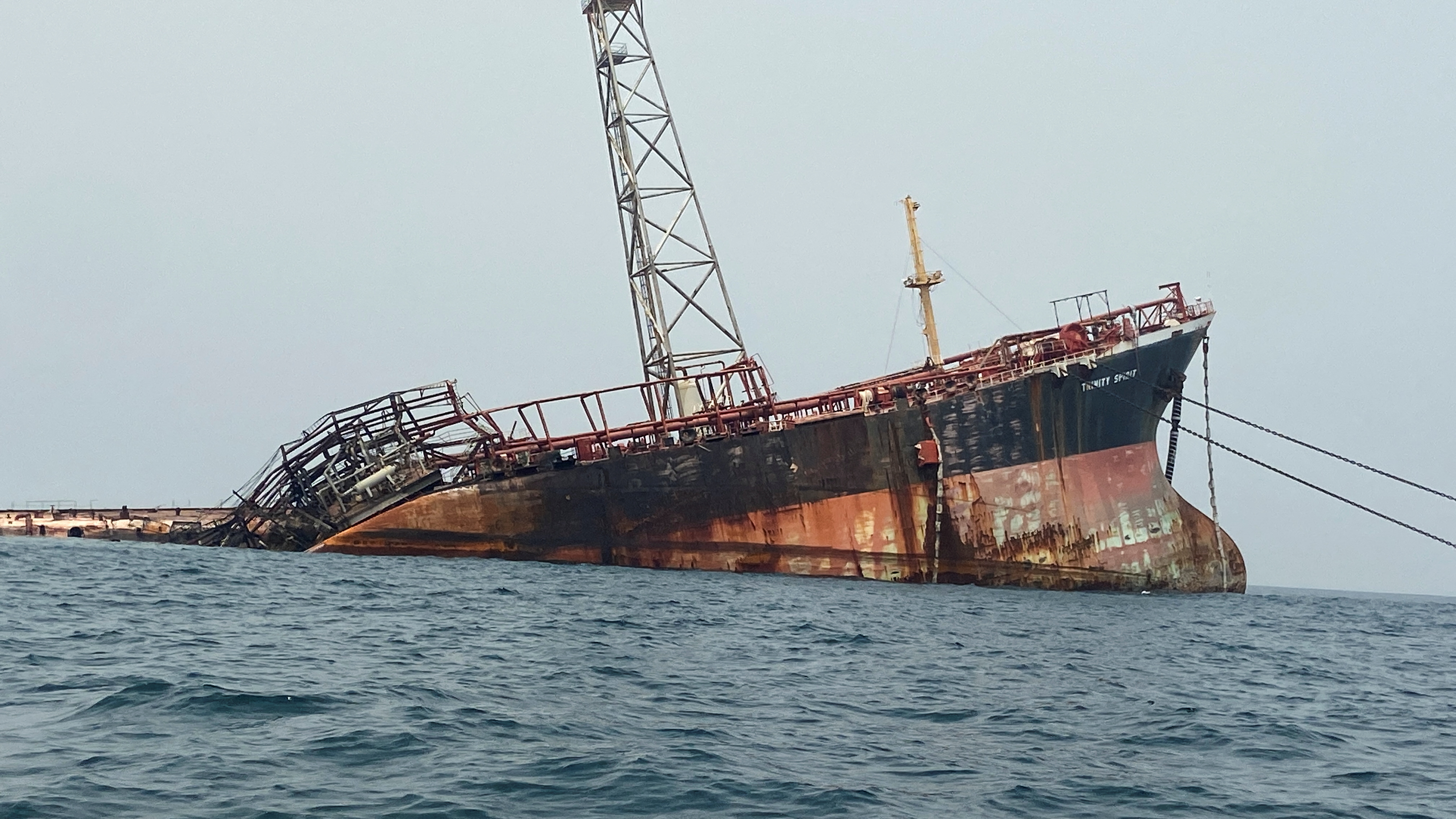
Two weeks after the Trinity Spirit FPSO fire offshore Nigeria we still don’t know the fate of the crew. Neither the operator nor the regulator websites include any mention of the fire. The last operator statement (more than a week ago) advised that 3 workers were confirmed dead and others were still missing. There has been no subsequent update and the media have moved on, as is usually the case when there is no ongoing oil spill.
The absence of transparency in reporting major incidents and subsequent findings is not unique to Nigeria. BOE has commented on US shortcomings in that regard and the failure to release important information about past incidents worldwide.
We need an international standard that identifies incident information to be publicly disclosed and specifies the timeframes and methods for releasing this information. An API or ISO committee would seem to be the best means of developing such a standard. If these organizations are unwilling to take the lead, perhaps the International Regulators’ Forum can do so. The credibility of the offshore industry is at stake.
Nigerian FPSO fire: the conflicting casualty information is troubling
Posted in accidents, tagged casualties, FPSO fire, Nigeria, NUPRC, Trinity Spirit on February 7, 2022| Leave a Comment »
The incident occurred last Wednesday (2/2), but the only public statement from the operator was the following day:
“At this time there are no reported fatalities but we can confirm that there were 10 crewmen on board the vessel prior to the incident and we are prioritising investigations with respect to their safety and security,” SEPCOL Chief Executive Ikemefuna Okafor said in a statement.
That statement has been contradicted by at least 2 Nigerian press reports:
Meanwhile, three persons have been confirmed dead while eleven others declared missing following the explosion. Sources told reporters in Warri yesterday that three bodies had been recovered while 12 others were yet to be accounted for at the time of filing this report.
This Day
Daily Trust had, however, gathered that three Seafarers working onboard the Floating Production Storage and Offloading (FPSO) facility may have lost their lives in the fire
Daily Trust
The only public statement by the Nigerian regulator (NUPRC) echoed the SEPCOL statement:
“There has been no report of any casualties or fatalities and the Commission will take necessary measures to ensure that all safety and environmental measures in line with global best practices to safeguard lives and the environment are put in place.”
Comments:
- Apparently, the fate of the workers was unknown, and the “no report of any casualties” comments were misleading and inappropriate given the gravity of the situation.
- Neither the operator nor the regulator have provided any update on the number of workers safely recovered or missing, or the status of any ongoing search.
- There is not a single mention of the fire on either the operator or regulator website.
- There seems to be uncertainty about the size of the crew at the time of the incident.
Troubling comment from a ship captain quoted in the Daily Trust article:
It was an accident waiting to happen since 2017. It should not even have been allowed to stay or operate in Nigerian waters.

 Bud's Offshore Energy (BOE)