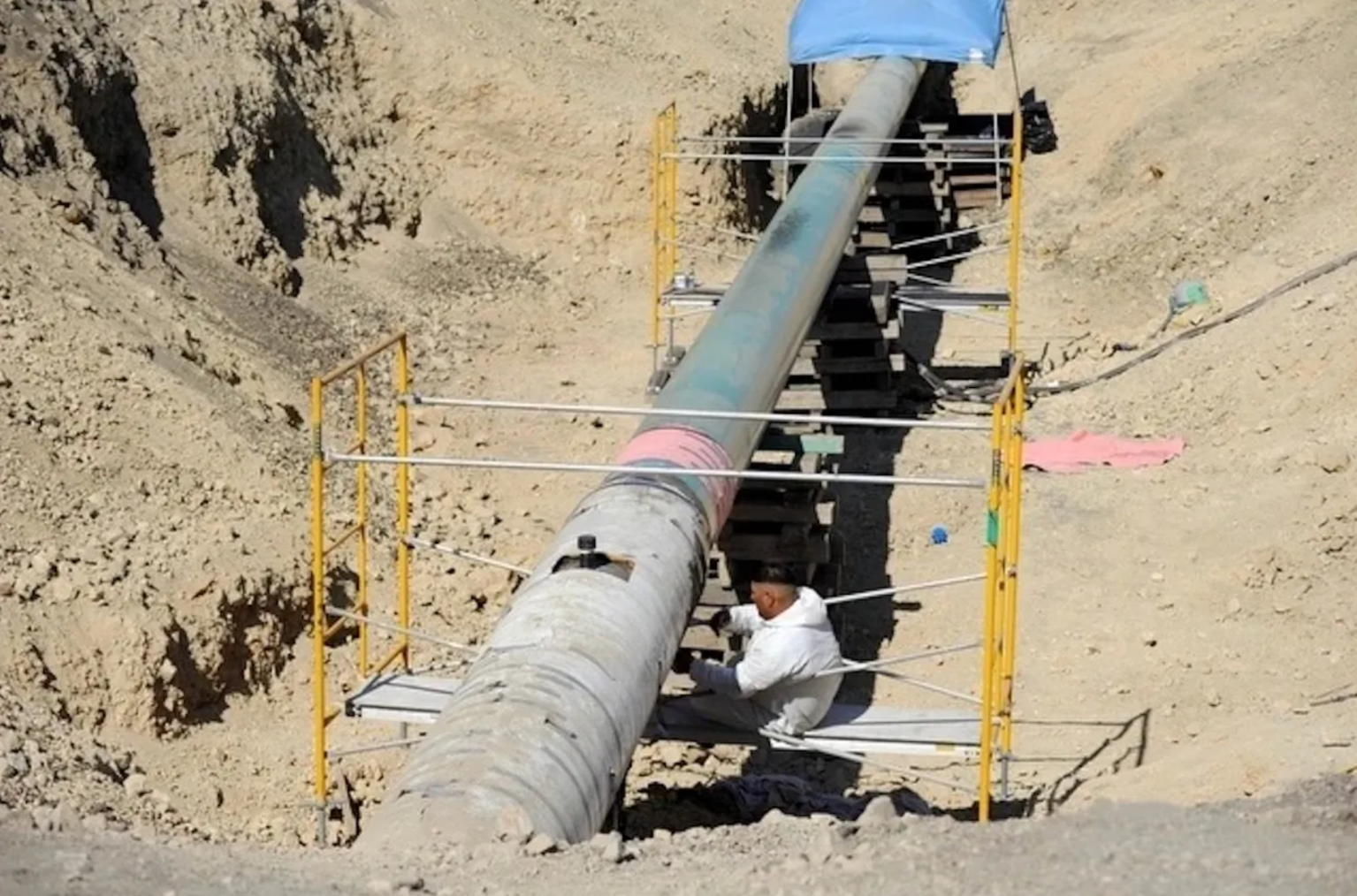
Sable Offshore is attempting to restart the same pipeline that caused the Refugio Oil Spill in 2015. | Credit: Paul Wellman File Photo
Sable Offshore oil believes the federal Pipeline and Hazardous Materials Safety Administration (PHMSA) , not the California Fire Marshal, should have jurisdiction over the company’s onshore pipeline.
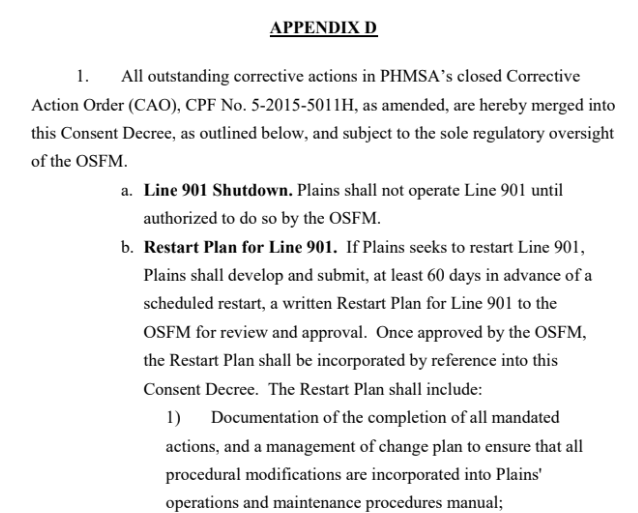
I once had the same opinion as Sable. Their pipeline is, by definition, an interstate line because it carries OCS production. Then I read Appendix D of the court approved Consent Decree that was executed following the 2015 Refugio pipeline spill. That Decree is quite clear regarding regulatory jurisdiction, and would have to be overturned to transfer authority to PHMSA.
The full Consent Decree is attached. Pasted below is an excerpt from Appendix D:
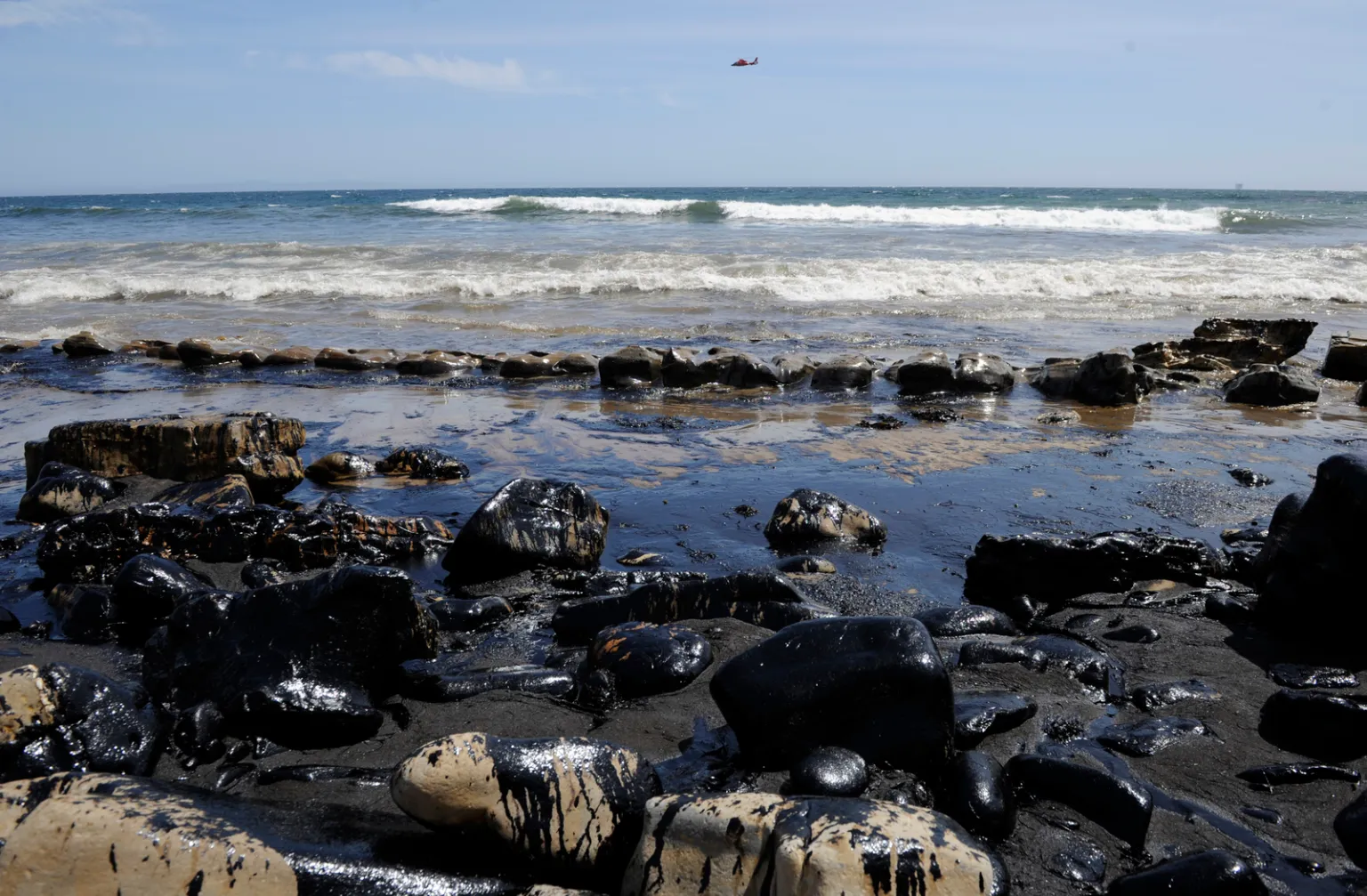
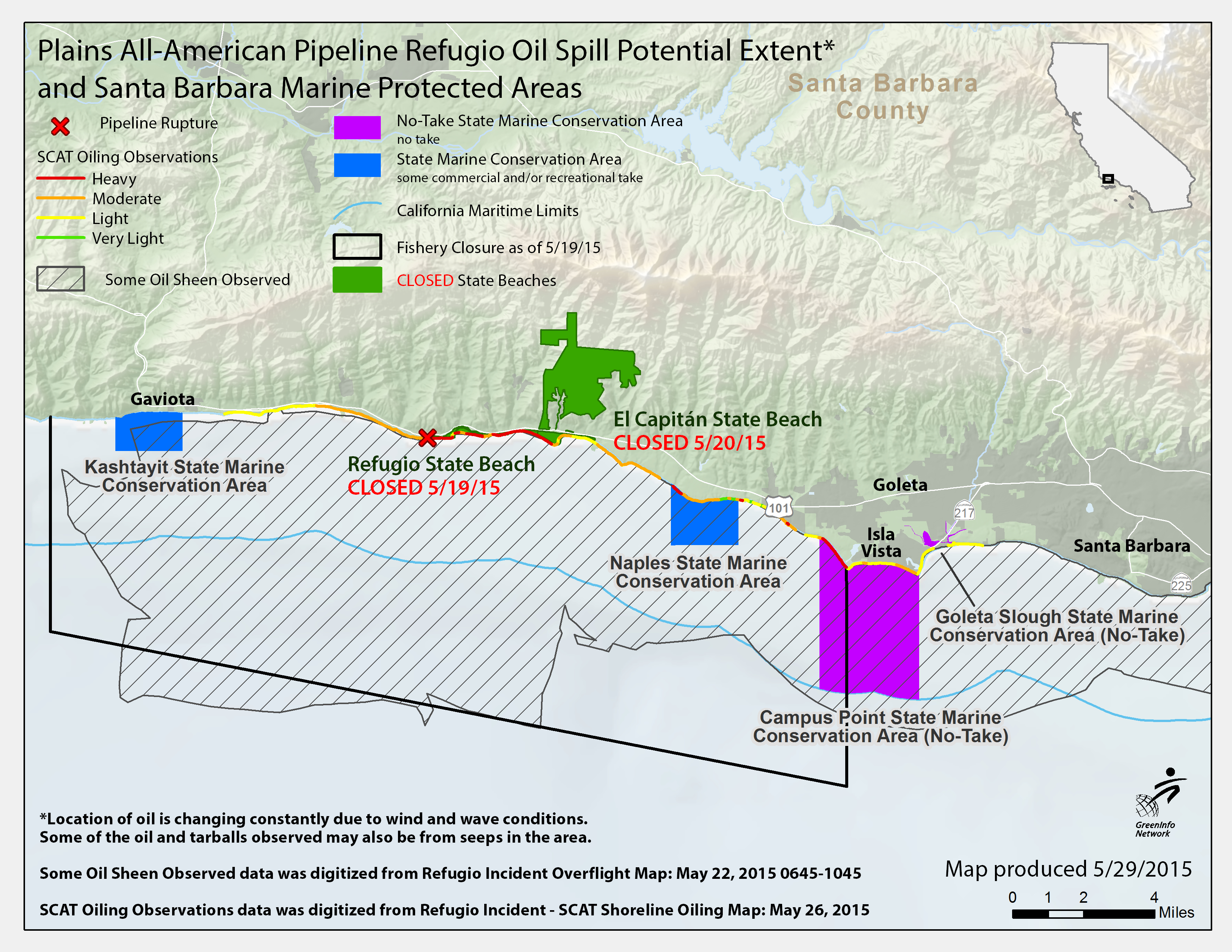
The pipeline spill just north of Refugio State Beach on May 19, 2015, coated miles of shoreline and marine habitat, and dolphins, elephant seals, sea lions, pelicans and other birds. | Santa Barbara Independent
We can scream all we want (with some justification) about the California Coastal Commission, Santa Barbara County, and intractable environmental organizations, but the Santa Ynez Unit would still be producing today were it not for an ugly, preventable pipeline spill.
At approximately 10:55 a.m. Pacific Daylight Time (PDT) on May 19, 2015, the Plains Pipeline, LP (Plains), Line 901 pipeline in Santa Barbara County, CA, ruptured, resulting in the release of approximately 2,934 barrels (bbl) of heavy crude oil. An estimated 500 bbl of crude oil entered the Pacific Ocean.
1) Ineffective protection against external corrosion of the pipeline The condition of the pipeline’s coating and insulation system fostered an environment that led to the external corrosion. The pipeline’s cathodic protection (CP) system was not effective in preventing corrosion from occurring beneath the pipeline’s coating/insulation system. 2) Failure by Plains to detect and mitigate the corrosion The in-line inspection (ILI) tool and subsequent analysis of ILI data did not characterize the extent and depth of the external corrosion accurately. 3) Lack of timely detection of and response to the rupture The pipeline supervisory control and data acquisition (SCADA) system did not have safety-related alarms established at values sufficient to alert the control room staff to the release at this location. Control room staff did not detect the abnormal conditions in regards to the release as they occurred. This resulted in a delayed shutdown of the pipeline. The pipeline controller restarted the Line 901 pipeline after the release occurred. The pipeline’s leak detection system lacked instrumentation and associated calculations to monitor line pack (the total volume of liquid present in a pipeline section) along all portions of the pipeline when it was operating or shut down. Control room staff training lacked formalized and succinct requirements, including emergency shutdown and leak detection system functions such as alarms.
Plains Pipeline was the responsible party, but that doesn’t absolve the companies that were dependent on Plains to transport their production. Given the organized opposition that emerged following the Santa Barbara blowout in 1969 (the result of a reckless well plan), the integrity of that pipeline was critical to their business strategy and they should have exercised some oversight.
Offshore disasters have had enormous consequences for the oil and gas industry in terms of lost opportunities. Think about this: prior to the Macondo blowout, the Obama administration had proposed an oil and gas lease sale in the Atlantic and the Florida Senate was holding hearings about leasing in Florida State waters. Such lease sales are now completely out of the question.
Regulations and standards are not enough. We need open discussion about incidents, large and small, and a willingness to be critical of the responsible parties.
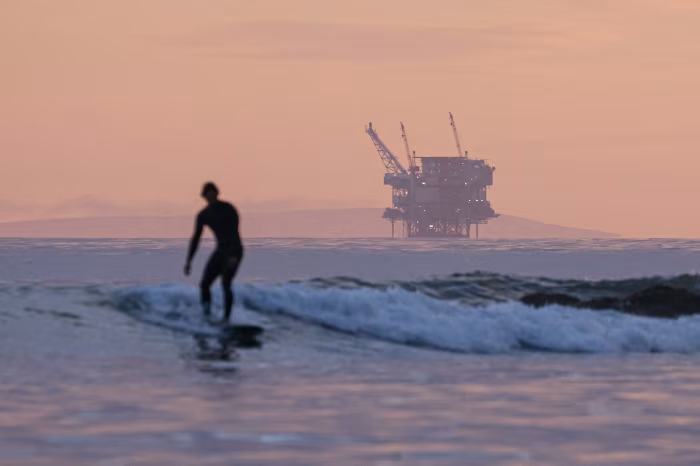
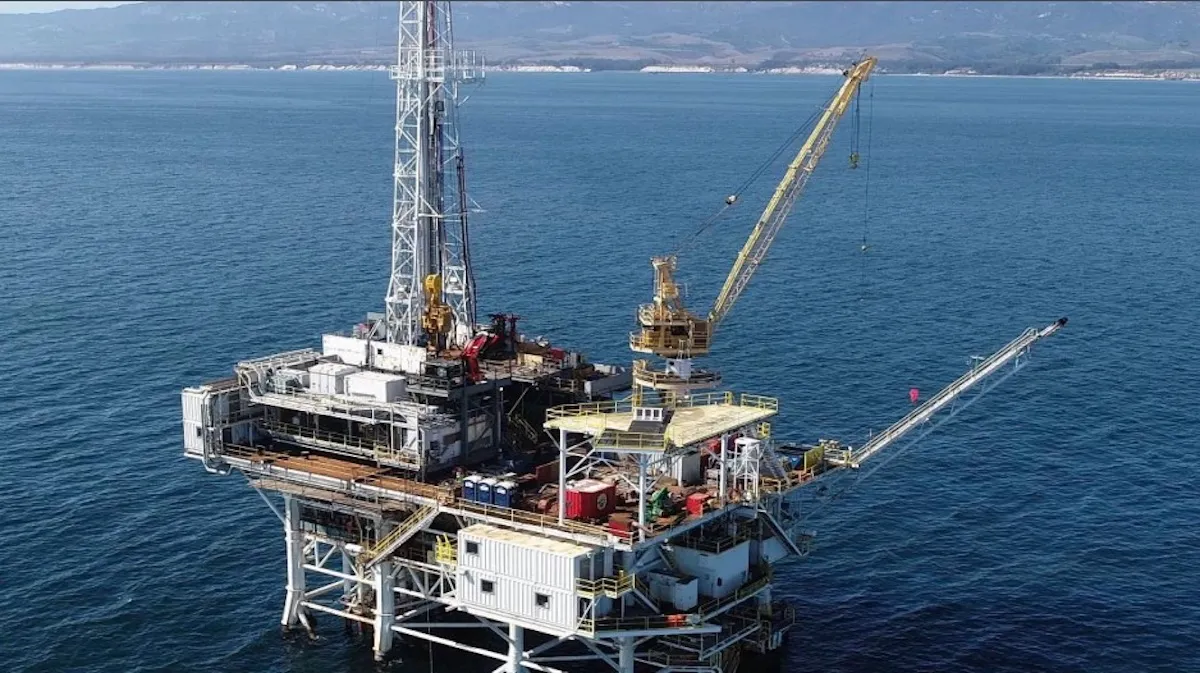
Platform Holly, California State waters in the Santa Barbara Channel, formerly operated by Venoco
Platform Holly sits immediately offshore from the Univ. of California at Santa Barbara, and UCSB scientists have studied the platform and surrounding ecology extensively. Multiple studies have shown that production from Holly reduced natural seepage and methane pollution from shallow formations beneath the Channel. Platform Holly was thus a “net negative” hydrocarbon polluter.
The natural seepage in the Santa Barbara Channel was important to the earliest inhabitants of the area. The Chumash used the tar for binding and sealing purposes, including caulking their canoes. Since Holly shut down in 2015 following the Refugio pipeline spill, offshore workers and supply boat crews have reported a considerable increase in gas seepage.
Earlier this month, it was reported that well plugging operations at Holly had now been completed, but decisions regarding the final decommissioning of the platform remain.
Venoco declared bankruptcy in 2015 and the State of California became the platform owner. According to the State Lands Commission, Exxon will pay the costs for decommissioning the platform. This is because Exxon acquisition Mobil operated the platform from 1993-1997 before Venoco became owner.
The most recent Holly development is that Venoco has settled its law suit with Plains, the company responsible for the 2015 Refugio pipeline spill that halted production from Holly. Terms of the settlement have not been disclosed.
Note: As an aside, I’m curious as to whether Mobil provided a decommissioning guarantee as part of the sale to Venoco or whether the State is simply holding ExxonMobil accountable as a legacy owner. If it’s the latter, why isn’t bp (bp acquisition Arco was Holly’s operator from 1966-1993) also liable? Is it a matter of Mobil being the more recent predecessor owner?
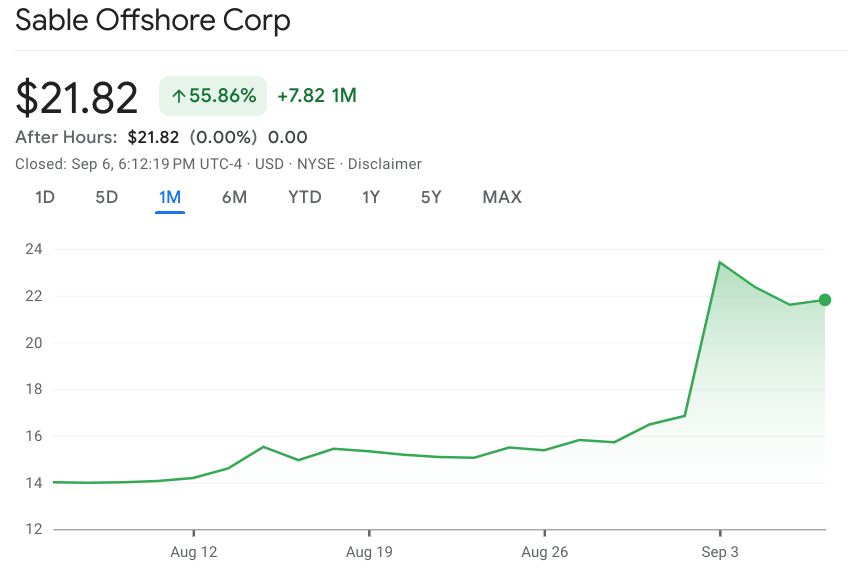
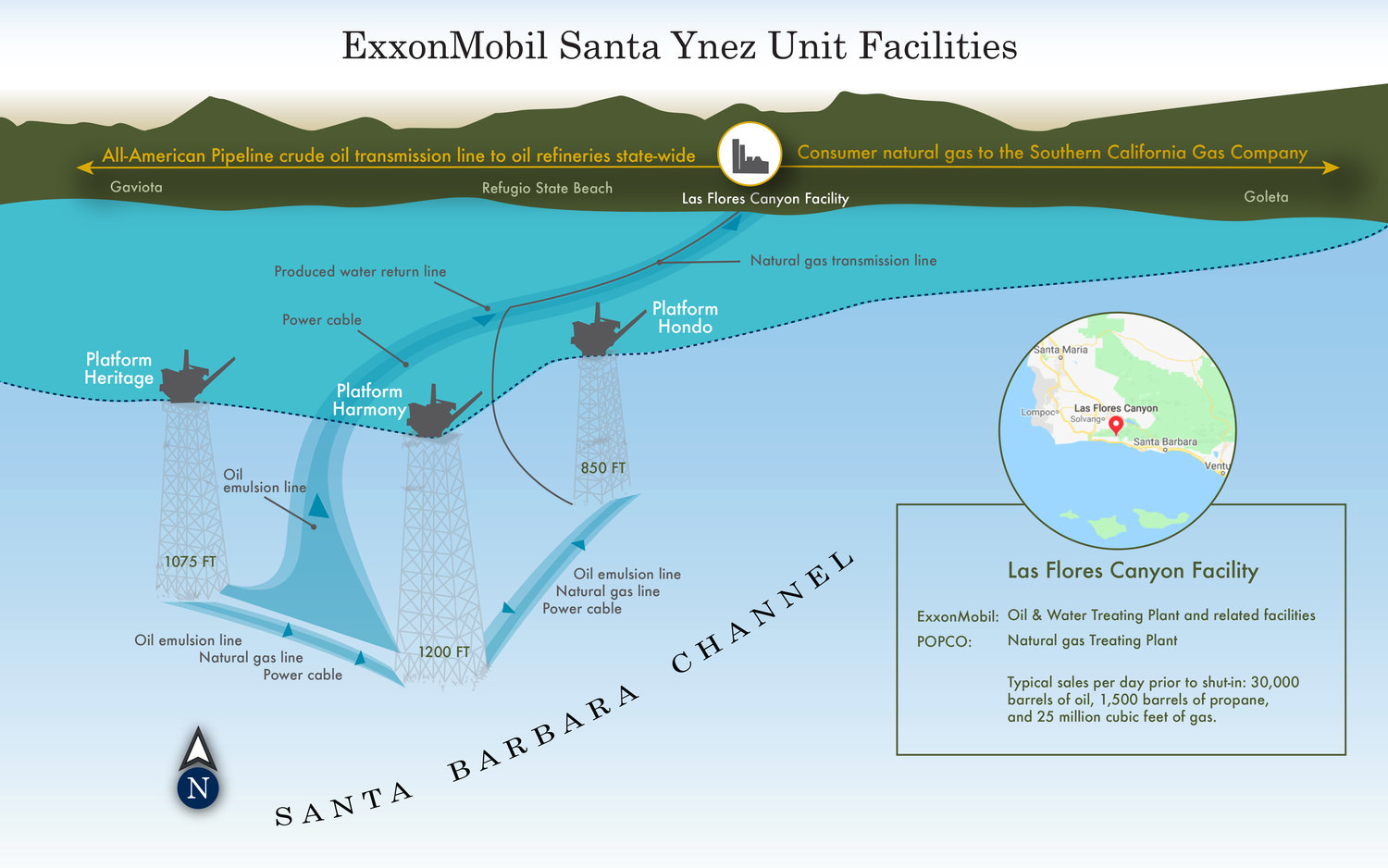
Sable’s stock price soared after the company reached an agreement with Santa Barbara County that will allow them to comply with the California Fire Marshall’s requirement to install shutdown valves on the onshore pipeline that failed in 2015. That pipeline is necessary to transport production from the Santa Ynez Unit, which is currently operated by Sable.
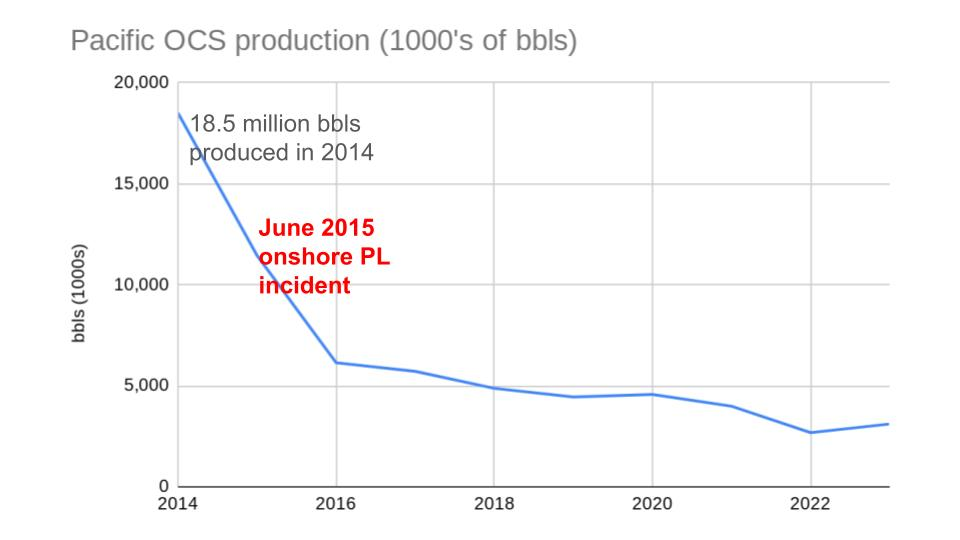
The significance of a resumption of SYU production is illustrated in the chart below. The 3 SYU platforms accounted for more than 2/3 of Pacific OCS production before the Refugio pipeline spill in June 2015.
This agreement with the County is a major step forward, but there are still regulatory and legal hurdles to clear before production resumes.
In the SEC filing that announces the agreement with Santa Barbara County, Sable affirms their 2024 restart expectations. However, a resumption of production in 2024 is highly unlikely given the administrative challenges that remain. A restart in 2025 would be a major accomplishment and a very good outcome for Sable.
Pasted below is the full text of the SEC filing (emphasis added):
Santa Barbara County (the “County”), on August 30, 2024, acknowledged that the County does not have jurisdiction over Pacific Pipeline Company’s (“PPC”) installation of 16 new safety valves in the County along PPC’s Las Flores Pipeline System (the “Pipeline”) in accordance with Assembly Bill 864. The County’s acknowledgement was delivered in the form of a conditional settlement agreement dated August 30, 2024 (the “Safety Valve Settlement Agreement”) among the County, PPC and PPC’s parent company Sable Offshore Corp. (“Sable”), and a subsequent acknowledgement by the County’s planning and development staff.
The Safety Valve Settlement Agreement is predicated upon a prior settlement agreement between PPC’s predecessor in interest, Celeron Pipeline Company, and the County in a federal case styled Celeron Pipeline Company of California v. County of Santa Barbara (Case No. CV 87-02188), which was executed in 1988.
Pursuant to the Safety Valve Settlement Agreement, PPC agreed to the following additional surveillance and response enhancements in the County:
i. PPC will create a Santa Barbara County-based Surveillance and Response Team, trained in PPC’s Tactical Response Plan, which will be responsible for timely initial incident response and equipped with key resources to deploy in early containment, particularly for those regions of the Pipeline between Gaviota and Las Flores Canyon;
ii. PC will provide Santa Barbara first responders with additional training and equipment to assist in PPC’s incident response efforts; and
iii. PPC will undertake the following Pipeline system enhancements: (1) install and operate and maintain primary and secondary Operations Control Centers in Santa Barbara County, and (2) refurbish the Gaviota pump in its existing station.
PPC, Sable and the County have further agreed, in the Safety Valve Settlement Agreement, to file a stipulation to dismiss the pending lawsuit, Pacific Pipeline Company and Sable Offshore Corp. v. Santa Barbara County Planning Commission and Board of Supervisors (Case No. 2:23-cv-09218-DMG-MRW) within 15 days of final installation of all 16 underground safety valves in the County.
Sable affirms that initial restart of production from Sable’s Santa Ynez Unit is expected in fourth quarter 2024.
 Bud's Offshore Energy (BOE)