Feeds:
Posts
Comments

Posts Tagged ‘NOPSEMA’

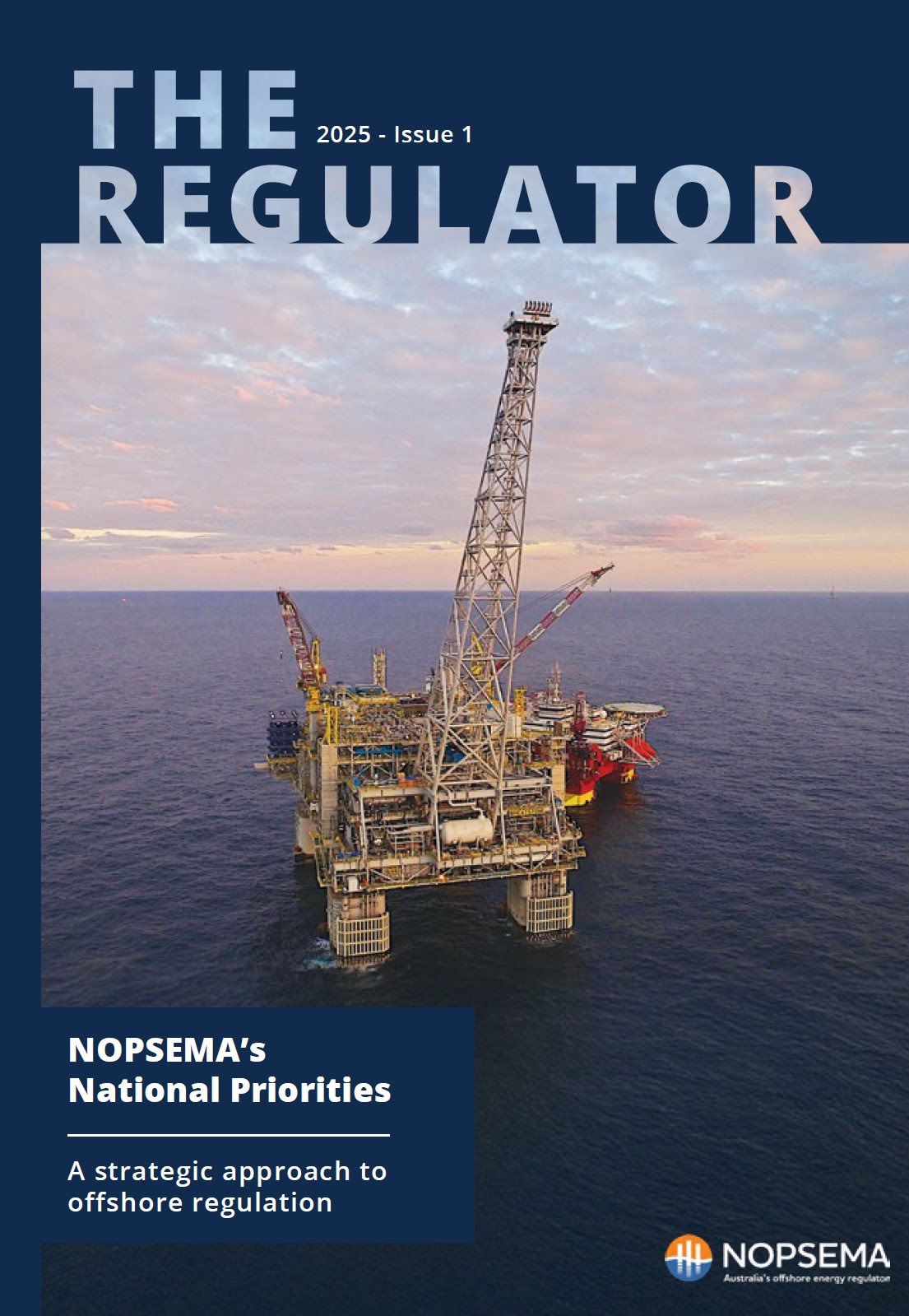
The Regulator

Firstly, BOE applauds NOPSEMA for being the only offshore safety regulator to publish a newsletter on a regular basis.

Their latest issue identifies and explains their five National Priorities. These priorities could apply worldwide:

  • Structural integrity – Ensuring offshore assets remain safe and well maintained.
  • Addressing redundant wells – Strengthening oversight to ensure wells are decommissioned responsibly.
  • Psychosocial health – Protection of worker mental health and well being.
  • Control of work – Promoting effective systems to ensure work is carried out safely and we learn from incidents to continually improve.
  • Leadership and management – Sharing how decision-making impacts safety and environmental outcomes on offshore facilities

I also strongly support their commitment to investigating non-work related fatalities at offshore facilities. These incidents should not simply be classified as non-occupational with no further explanation. NOPSEMA’s investigation of these fatalities involves the following steps:

  • Identify the circumstances of the reported death.
  • Assess the immediate response to the reported death.
  • Identify any work related causal factors present prior to the reported death.
  • Identify the cause of death as provided by the relevant Coroner or medical practitioner

Lastly, I like the name of their newsletter, which shows pride in being an offshore safety regulator. Safety regulators facilitate offshore energy development by identifying and mitigating safety and environmental risks. With few exceptions, they perform their legislatively mandated duties effectively and efficiently. I’m proud to have been an offshore safety regulator for many years.
Related: One of our pioneering offshore regulator newsletters (1981) from the US North Atlantic drilling days.

Read Full Post »

NOPSEMA has kindly provided links for the slides presented at the 3-4 October International Regulators’ Forum Offshore Safety Conference in Perth, Australia. They will be uploading the video recordings at a later date.

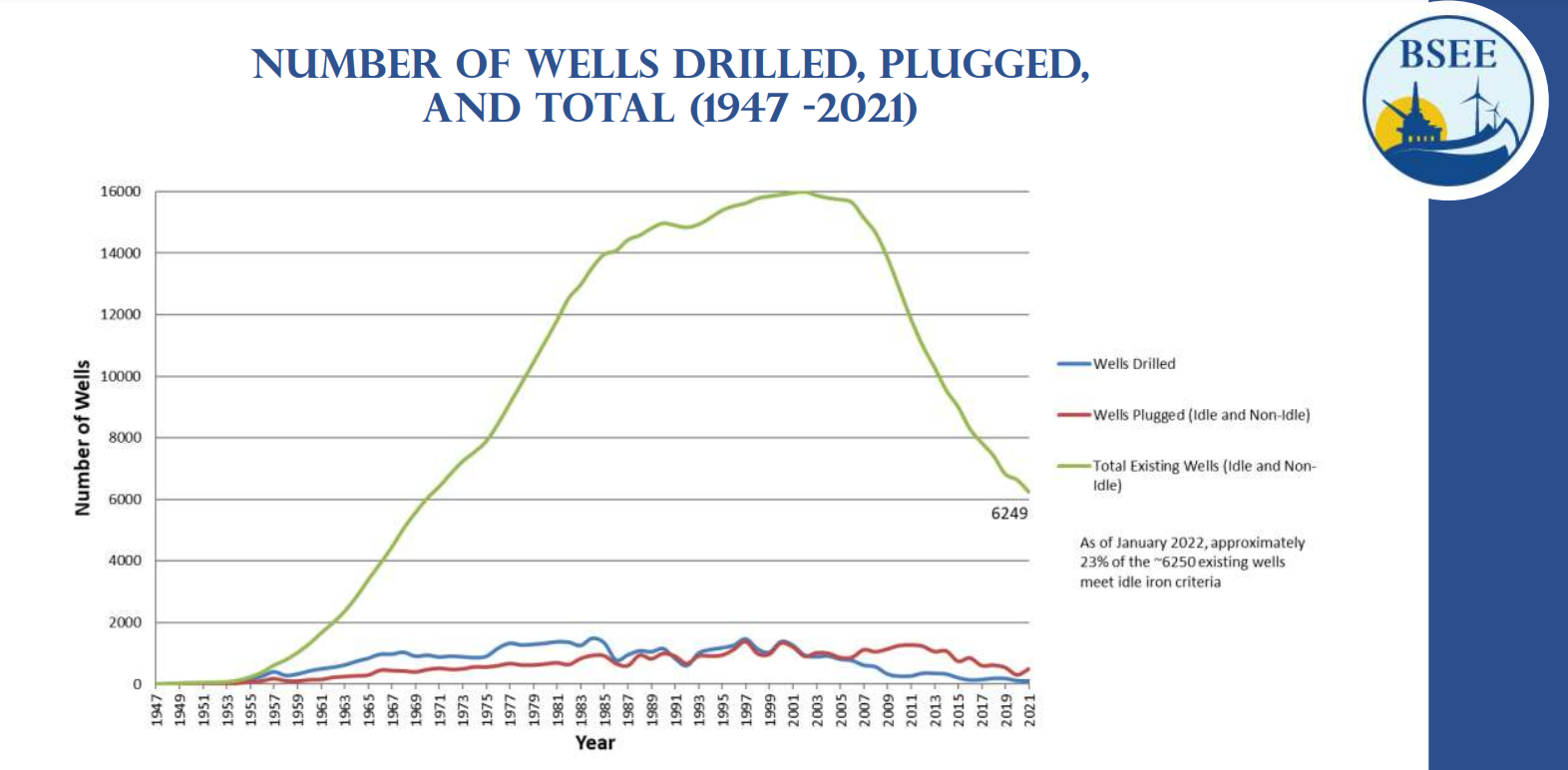
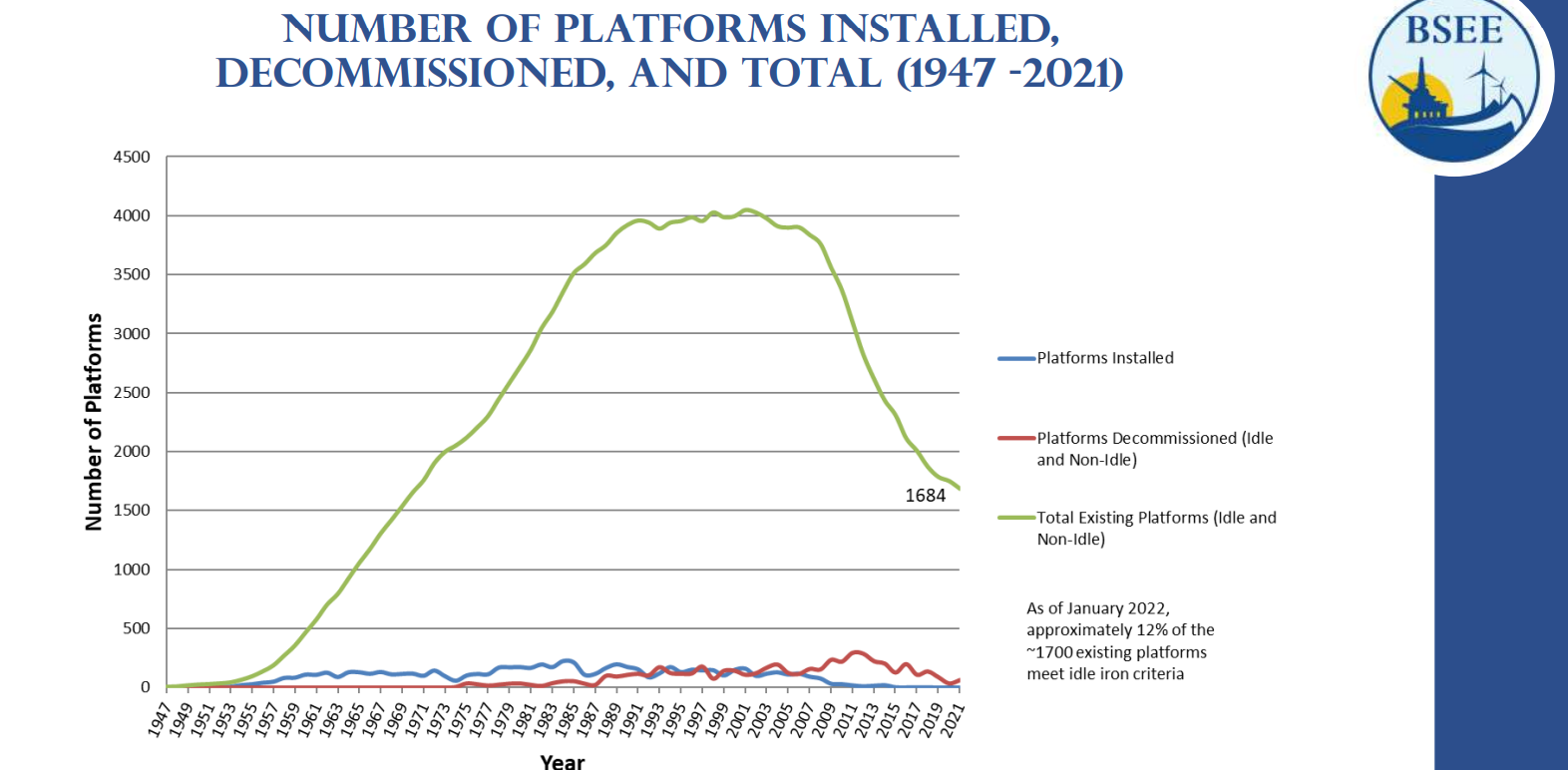
On day 2 (stream 2) Bryan Domangue (BSEE) presented updated data on the progress that is being made in plugging inactive wells and decommissioning idle platforms (see the charts pasted below). In the following session, Bryan made an interesting presentation on the capping stack deployment exercises in the GoM (picture below).

For excellent slides on investigation and sharing the lessons learned, see session 9 (day 2, stream 1).

Agenda

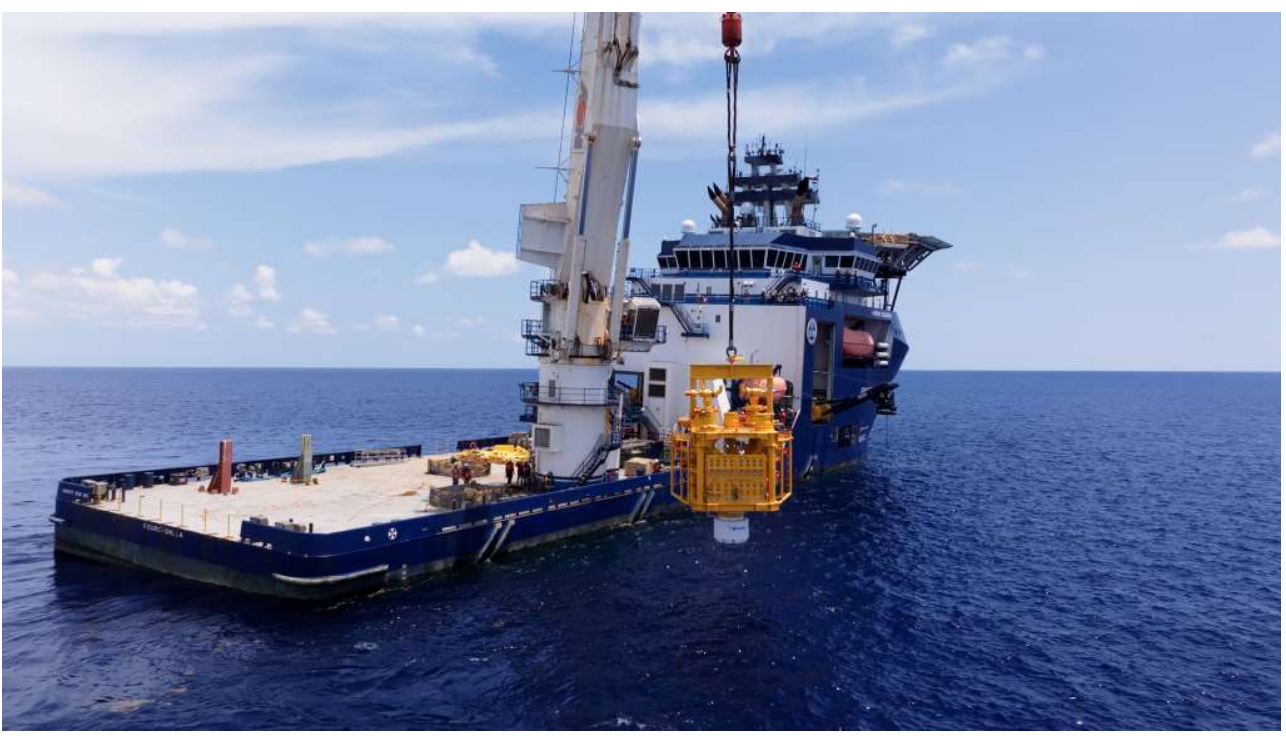
capping stack deployment exercise, Gulf of Mexico

Read Full Post »

NOPSEMA’s June 8 safety alert implies that the June 2nd fatality at the North Rankin complex, offshore Western Australia, was the result of a crane/lifting incident. Per NOPSEMA:

A recent fatal incident involving a person working on an offshore oil and gas facility has provided a tragic reminder of the risks of work involving the rigging, manipulation and movement of loads, including people and equipment.

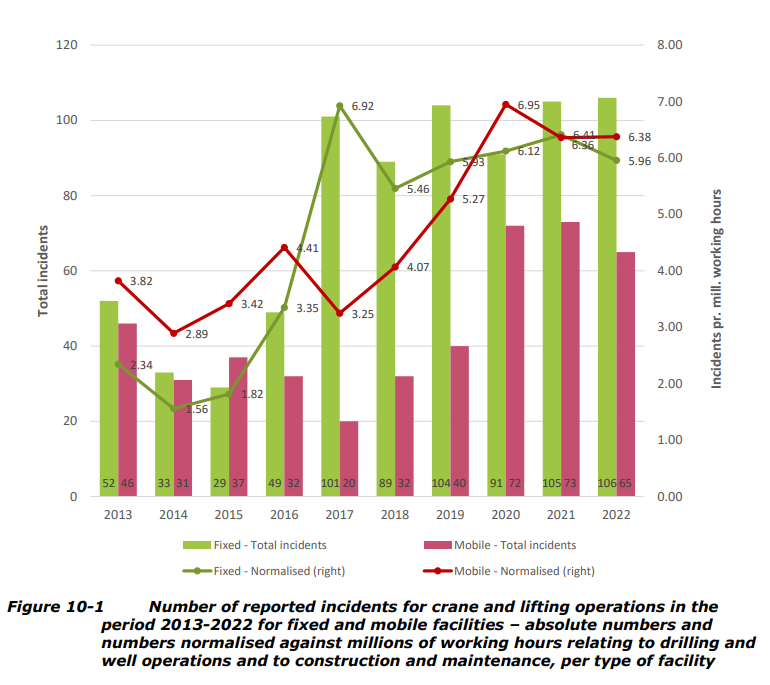
Despite the international focus on lifting operations over the past 30 years, Norwegian and US data do not suggest improved performance. PSA Norway’s “Trends in risk level on the Norwegian Continental Shelf” report shows an increase in lifting incident rates for both fixed and mobile facilities over the past 10 years (first chart below).

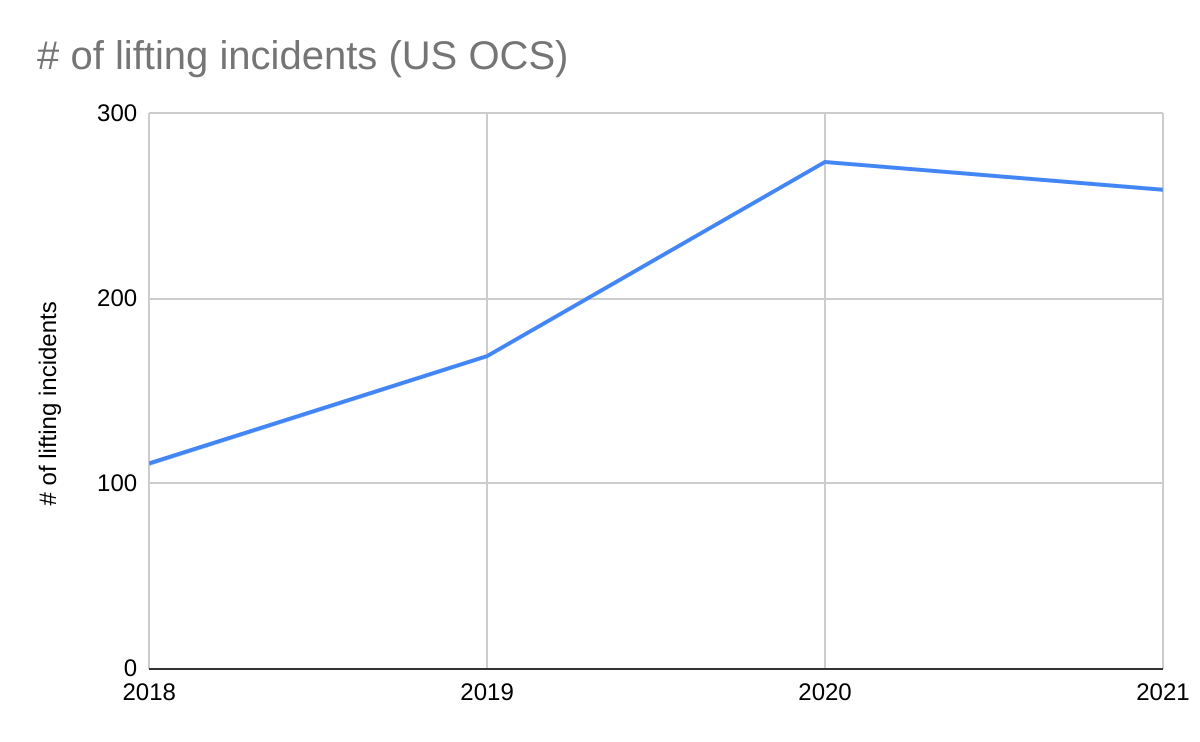
Similarly, recent lifting data from BSEE’s incident tables (summary below) and Jason Mathew’s June 2022 presentation (pages 48-63) suggest that lifting risks are not being effectively mitigated. Why are industy/regulator messages regarding hazard identification and controls not achieving the desired results? Perhaps a fresh look and renewed dialogue are needed.

Crane or personnel/material handling incident (as used in 30 CFR 250.188(a)(8)) refers to an incident involving damage to, or a failure of, the crane itself (e.g., the boom, cables, winches, ballring), other lifting apparatuses (e.g., air tuggers, chain pulls), the rigging hardware (e.g., slings, shackles, turnbuckles), or the load (e.g., striking personnel, dropping the load, damaging the load, damaging the facility) at any time during exploration, development, or production operations on the OCS. This includes all incidents of shock loading that, upon inspection, reveals damage to any part of the crane, lifting apparatus, rigging hardware, or load. Personnel handling incidents include events involving swing ropes, personnel baskets, and any other means to move personnel. Material handling incidents include any activities involving the loading and unloading of material and moving it on, off, or around an OCS facility.

Read Full Post »

  • Date: 3-4 Oct 2023
  • Location: Perth, Australia
  • Announcement

IRF conferences present an excellent opportunity for dialogue among regulators, operators, trade organizations, contractors, academics, and other interested parties.

Some suggested agenda topics for the Perth conference:

Read Full Post »

Upstream image

After 8 outstanding years with Australia’s offshore safety and environmental regulator, Stuart Smith has announced that he will be departing NOPSEMA in September. Stuart was a highly effective CEO and an important contributor to international offshore safety initiatives. Best wishes to Stuart!

Read Full Post »

Industry environment plans

Good read for you inspection and regulatory policy nerds. (I know you’re out there! 😃). The draft policy looks very good at first glance.

If (like me) you can’t help yourself, here is the link for providing feedback.

Read Full Post »

Continuous improvement has to be the primary objective of offshore safety leaders, and this independent blog is committed to recognizing initiatives that further reduce safety and environmental risks. Australia’s collaborative mental survey project is an interesting such initiative in its early stages. Two other important initiatives are noted below.

BSEE’s Dropped Object Risk-Based Inspection initiative: As has been the case for 50 years, most offshore fatalities and serious injuries are associated with falls or falling and moving objects/equipment. BSEE’s Dropped Objects initiative, as described in a presentation by Jason Mathews during a recent Center for Offshore Safety (COS) webinar is intended to draw further attention to and better manage these risks. In addition to BSEE’s focused inspections, the “Good Practices” being followed by some operators and contractors, as described on pages 40-50 of the presentation, are encouraging. These types of initiatives are necessary if we are to achieve the elusive “zero fatality” year on the US OCS.

IOGP process safety guidance, Report 456 v.2 : Contrary to some post-Macondo narratives, process safety and well control were always the primary focus of the US OCS regulatory program. In 1974, my boss Richard Krahl (known as “Mr. OCS” for his commitment to offshore safety) dropped a copy of the first edition of API RP 14C (Analysis, Design, Installation, and Testing of Safety Systems for Offshore Production Facilities) on my desk and told me it was an excellent document that I should read. RP 14 C and other process safety standards were incorporated into the USGS OCS Orders (regulations) in the 1970’s. For decades, the USGS and MMS were leaders in well control and production safety research and training. That said, better indicators and improved approaches to offshore facility process safety were needed, and the International Association of Oil and Gas Producers report has provided an excellent framework. Report 456 is comprehensive and technically sound, and provides excellent guidance and examples. Very well done!

Read Full Post »

Following the Piper Alpha tragedy (1988) and the Exxon Valdez spill (1989), the Minerals Management Service, under the direction of Dr. Charles Smith, embarked on new research to address the human and organizational factors that are fundamental to offshore safety. An important 1993 report, MMS project 167, Management of Human Error in Operation of Marine Systems by Robert Bea and William Moore, observed that:

High consequence accidents resulted from a multiplicity of compounding sequences of breakdowns in the human, organization, and system; often there are precursors or early-warning indications of the breakdowns that are not recognized or are ignored.” The human element is complex and “states” such as “fatigue, negligence, ignorance, greed, folly, wishful thinking, mischief, laziness, excessive use of drugs, bad judgement, carelessness, physical limitations, boredom, and inadequate.” Environmental factors such as weather conditions, time of day, smoke, and noise further complicate human performance.

Bea and Moore, 1993

COVID 19 has further complicated human performance and facility management. In an effort to better understand human factors during COVID, NOPSEMA (the Australian offshore safety regulator) has partnered with industry, and labor organizations, and universities to survey offshore workers.

Per the survey announcement:

Your unique insight on the impacts of the COVID-19 pandemic on members of the offshore workforce are vital to informing industry and the development of strategies that best support employee mental health and well-being.

BOE is looking forward to learning about the results of this survey and other efforts to better assess and understand mental health challenges facing offshore workers. The effective integration of mental health considerations into management systems is critical to safety achievement.

Read Full Post »