Feeds:
Posts
Comments

Posts Tagged ‘NASEM’

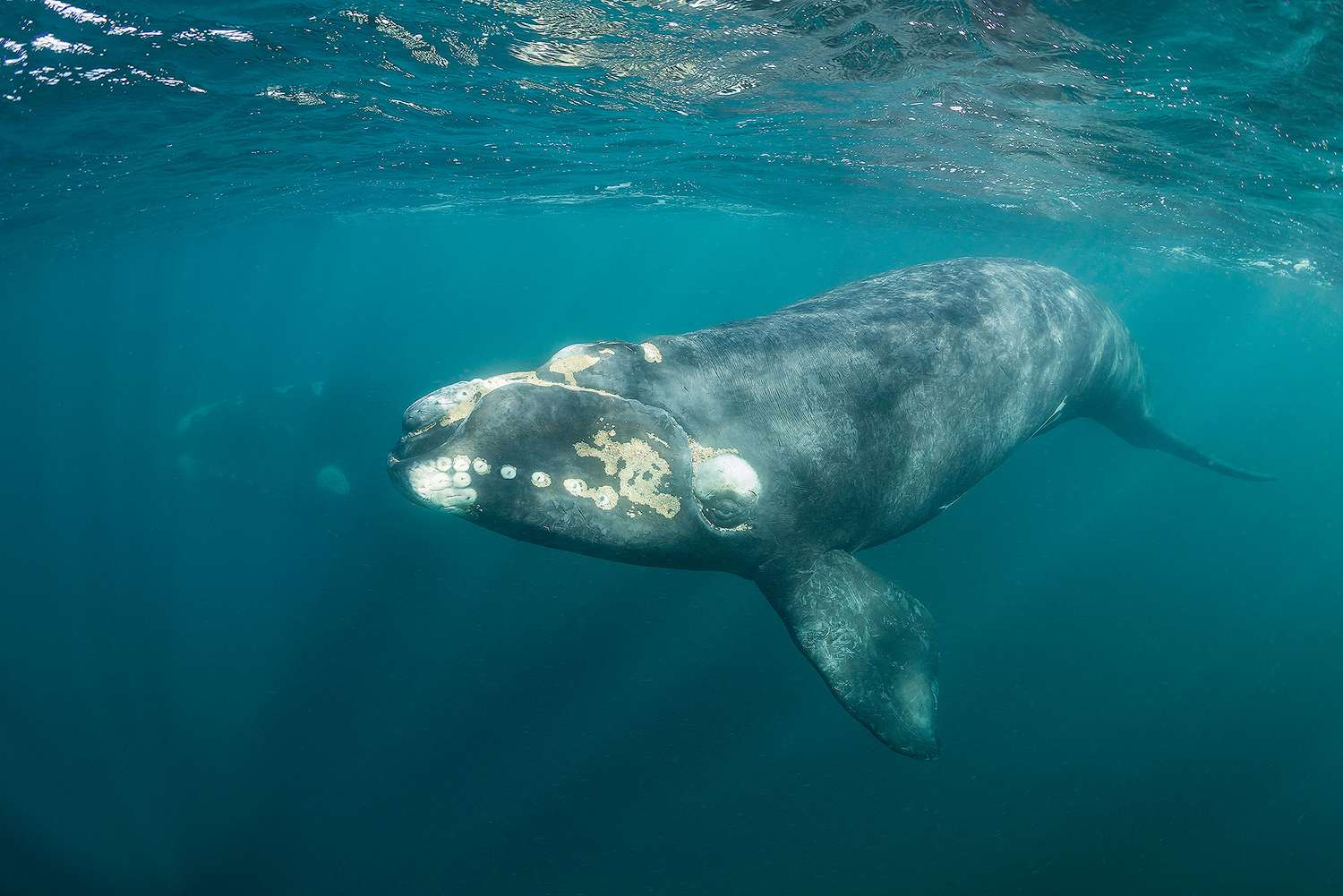
North Atlantic Right Whale

Key takeaways after reviewing the BOEM/NOAA strategy document:

NARW status (pages 7-14):

  • Roughly 237 NARWs have died since the population peaked at 481 in 2011, exceeding the potential biological removal (PBR) level on average by more than 40 times for the past 5 years (Pace III et al. 2021).
  • Human-caused mortality is so high that no adult NARW has been confirmed to have died from natural causes in several decades (Hayes et al. 2023).
  • Most NARWs have a low probability of surviving past 40 years even though the NARW can live up to a century.
  • There were no first-time mothers in 2022.
  • About 42% of the population is known to be in reduced health (Hamilton et al. 2021)
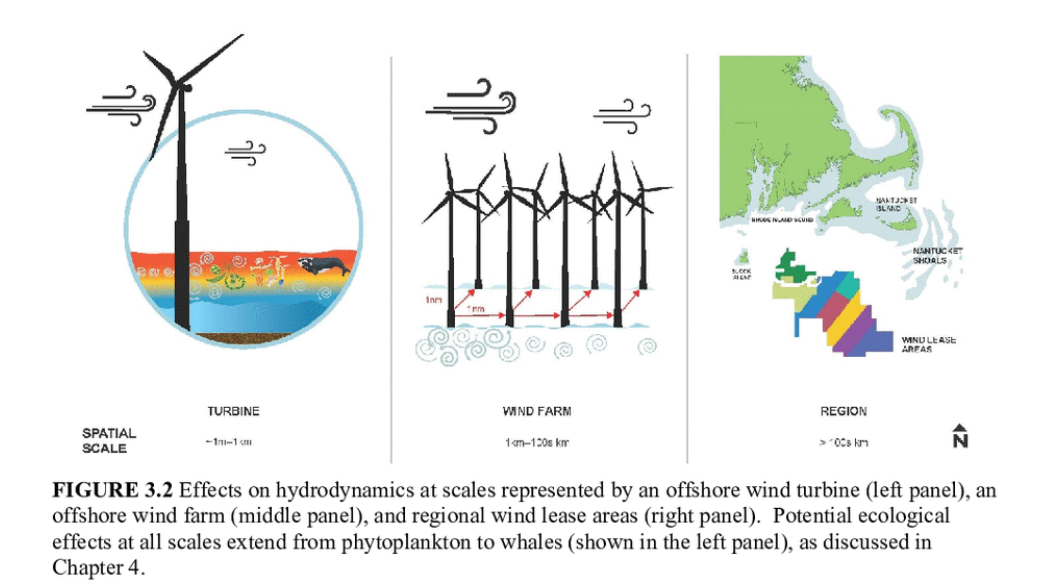
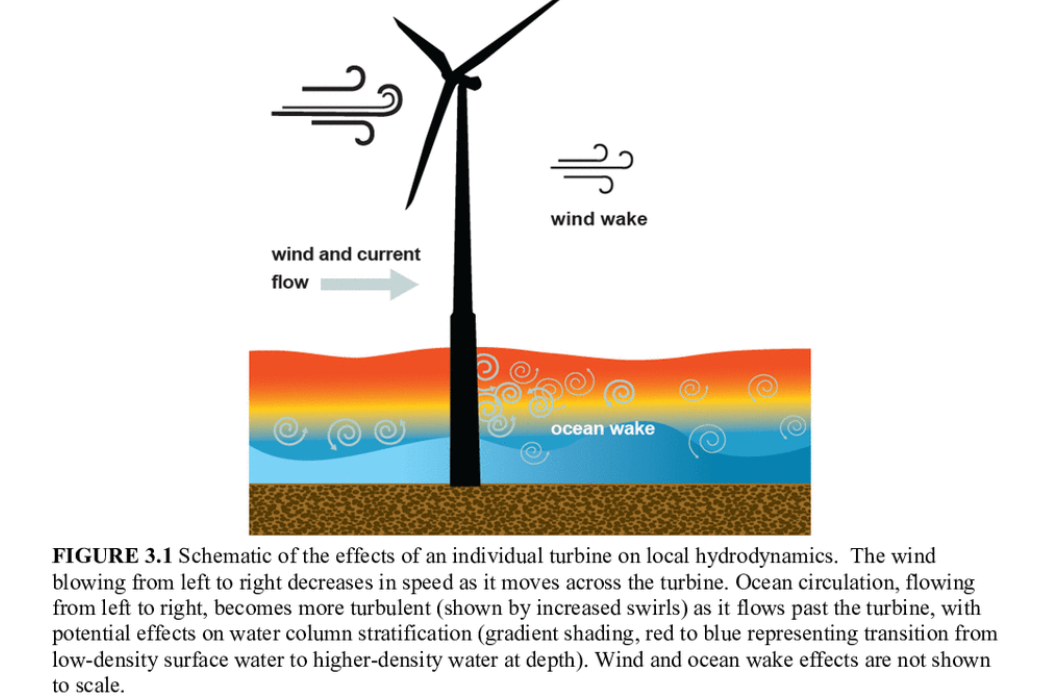
  • A NASEM study confirmed that offshore wind has the potential to alter local and regional hydrodynamics
  • “Effects to NARWs could result from stressors generated from a single project; there is potential for these effects to be compounded by exposure to multiple projects.” (p. 14)

BOEM/NOAA strategy:

  • No new mitigation is recommended pending further study.
  • “BOEM and NOAA Fisheries will work together alongside our partners (including the OSW industry) to further develop the information and science the agencies will use to inform their decisions to responsibly develop OSW while protecting and recovering NARWs.” (Comment: While regulator-industry collaboration is essential for effective offshore development, be it wind or oil and gas, regulators and operating companies have distinctly different missions and responsibilities and should not be viewed as partners.)
  • (p. 15): “As the OSW industry continues to grow and as projects begin construction, BOEM and NOAA Fisheries will continue to work with our partners to evaluate existing strategies and to further collect and apply newly available information to inform future decisions. This Strategy is an integral step to organize BOEM, NOAA Fisheries, and their partners around a shared vision and clear path to effectively study and manage this issue moving forward.” (???)
  • (p.17): BOEM will “attempt to avoid issuing new leases in areas that may impact potential high-value habitat and/or high use areas for important life history functions such as NARW foraging, migrating, mating, or calving. For areas that are leased, permitting activities should minimize any known or potential threat to NARWs and their habitats, and developers and BOEM should support research and monitoring.”

Questions:

Pictured below: density of NARWs near wind leases and hydrodynamic effects of turbines

Read Full Post »

Study: Potential Hydrodynamic Impacts of Offshore Wind Energy on Nantucket Shoals Regional Ecology: An Evaluation from Wind to Whales, National Academies of Sciences, Engineering, and Medicine.

Comments:

  • Kudos to BOEM for sponsoring this important study which identifies the potential ecological effects of offshore wind farms on the endangered North Atlantic Right Whale.
  • BOEM must now consider, and presumably implement, the committee’s recommendations. This could prove to be especially challenging given BOEM’s prominent wind advocacy role.
  • All 9 of the study committee members are scientists with appropriate backgrounds and specialties (see Appendix A of the report).
  • As a rule, the NAS notes potential conflicts of interest in the biographical statements. Two possible conflicts were identified: one committee member was a “compensated member of a review panel for Ortsted’s Offshore Wind Research Plan in 2021,” and another works for a firm that “has been partially funded by offshore wind development companies.”
  • The panel recommends robust monitoring during all phases of wind development and operations in the North Atlantic region. Is that sufficient given that hundreds of turbines could be installed before the data have been acquired and analyzed?
  • The concerns raised by the NAS committee are not new. 18 months ago, NOAA’s Chief of Protected Species cited some of the same concerns in recommending a conservation buffer zone adjacent to Nantucket Shoals.

. Background graphics, excerpts, and recommendations are pasted below.

Important excerpts:

  • p.2: A single offshore wind turbine can alter local hydrodynamics by interrupting circulation processes through a wake effect and induce turbulence in the water column surrounding and downstream of the turbine supporting structure, the pile. Moving away from single turbine effects and looking at arrays of turbines in a wind farm or at multiple adjacent offshore wind farms, these effects become more complex with implications for both local and regional circulation.
  • p.4: At the wind farm scale, the potential impacts include reductions in ocean current speeds, stratification, ocean surface wind speed, and deflection of the pycnocline. At the regional scale, perturbations due to offshore wind turbines are difficult to quantify because of the natural processes that drive significant environmental variability across the region.
  • p.6: Recommendation: The Bureau of Ocean Energy Management, National Oceanic Atmospheric Administration, and others should support, and where possible require, the collection of oceanographic and ecological observations through robust integrated monitoring programs within the Nantucket Shoals region and in the region surrounding wind energy areas before and during all phases of wind energy development: surveying, construction, operation, and decommissioning. This is especially important as right whale use of the Nantucket Shoals region continues to evolve due to oceanographic changes and/or the activities and conditions relevant to offshore wind farms.
  • p.7: Recommendation: The Bureau of Ocean Energy Management, National Oceanic Atmospheric Administration, and others should support, and where possible require, oceanographic and ecological modeling of the Nantucket Shoals region before and during all phases of wind energy development: surveying, construction, operation, and decommissioning. This critical information will help guide regional policies that protect right whales and improve predictions of ecological impacts from wind development at other lease sites.

Read Full Post »

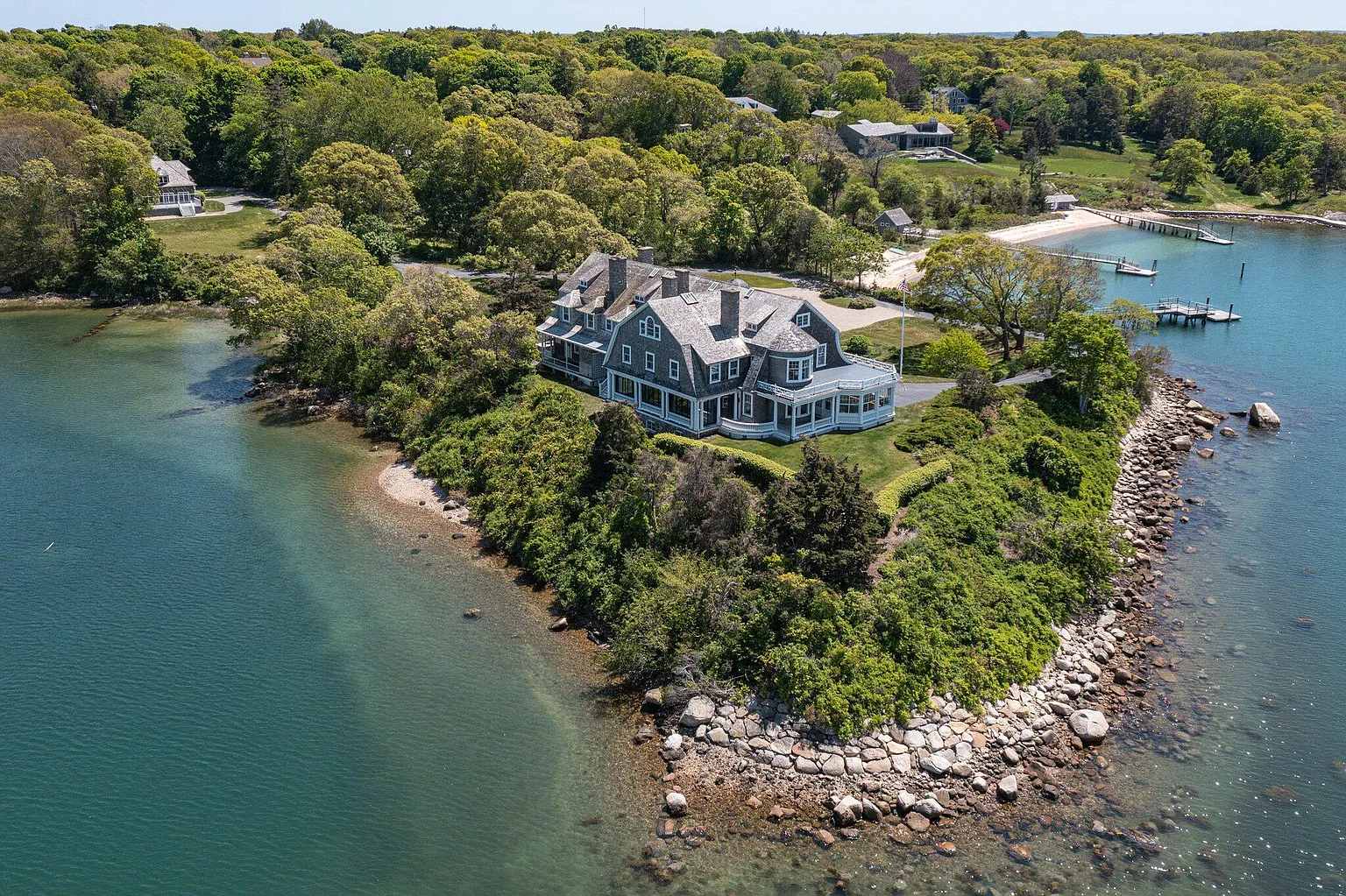
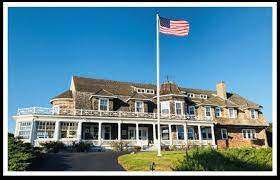
As a followup to the post on the sale of the Quissett estate, previously owned by the National Academies and used for conferences and meetings, the purchasers are William F Scannell and his wife Elizabeth A Scannell. Bill Scannell is President of Global Sales & Customer Operations at Dell Technologies.

The property was on the market for 2 years, and the purchase price was only about half of what NASEM was asking. NASEM must have really wanted to unload this great property which served the marine science community well for nearly 50 years

Read Full Post »

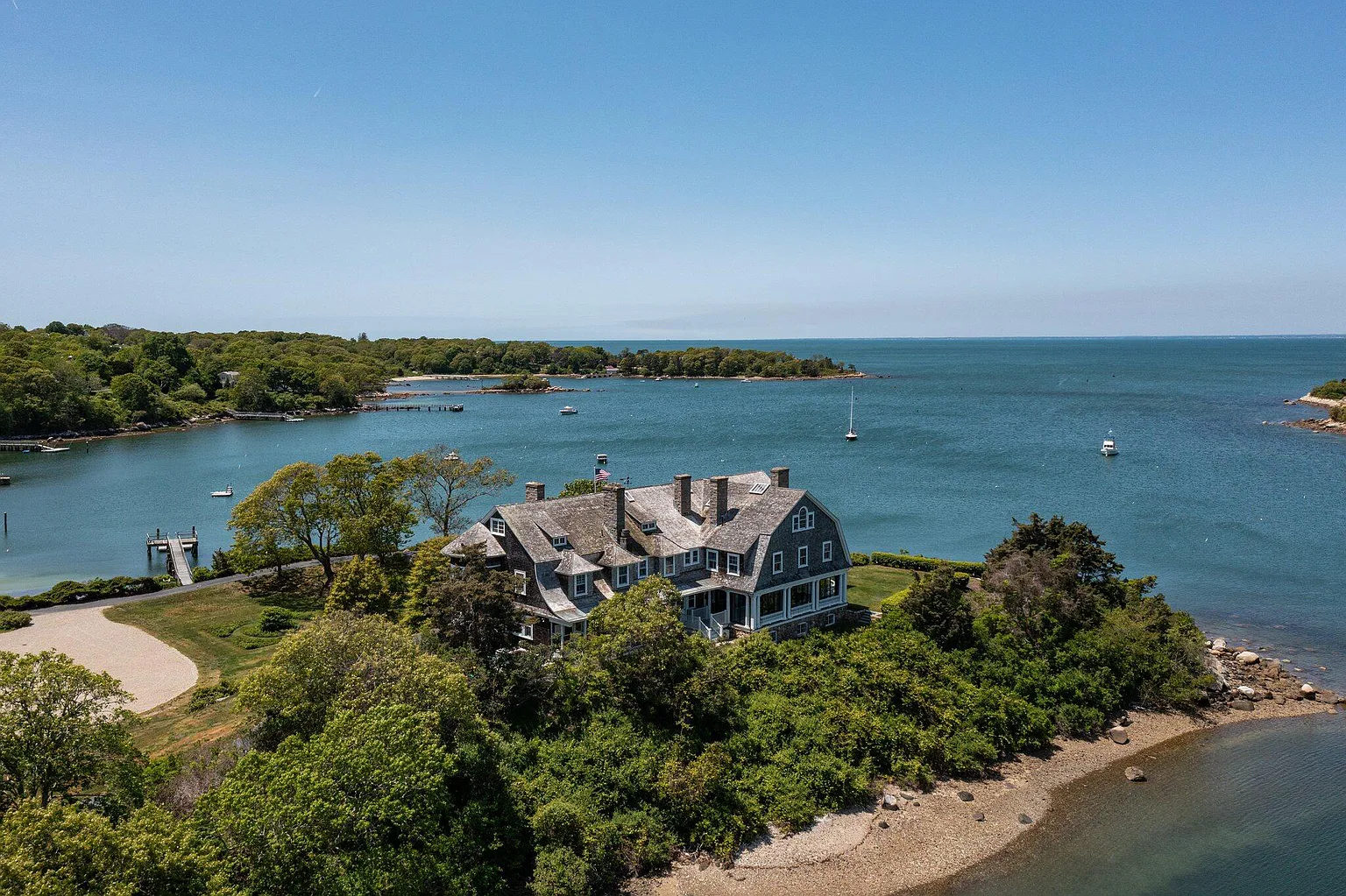
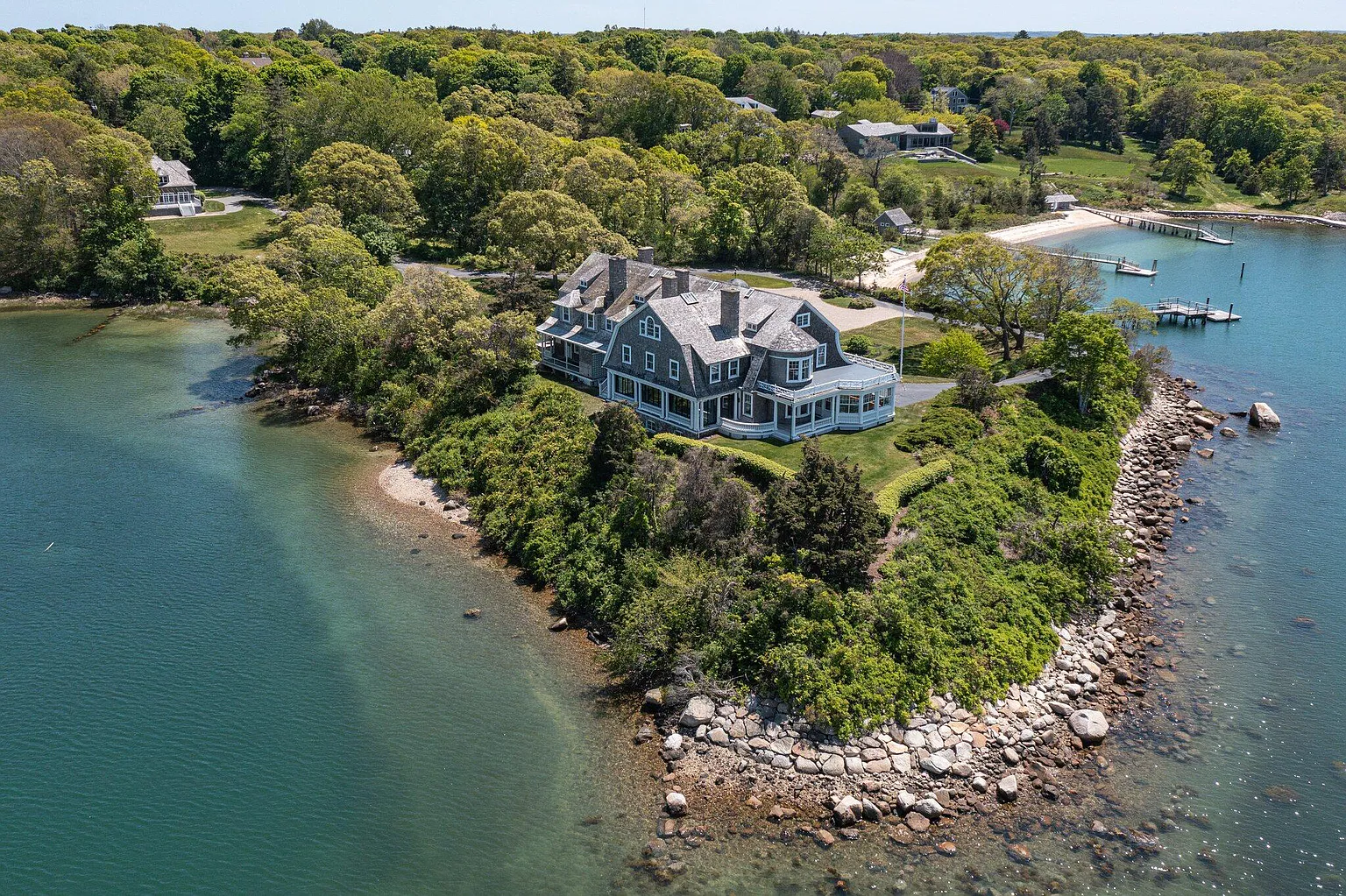
According to Zillow, the National Academies beloved Jonsson Center in Woods Hole was sold on Friday (8/4) for $13.5 million, less than half the original asking price. I have no idea who bought it and how it will be used. The Jonsson Center was an amazing venue for meetings and conferences. The beautiful estate served the marine science and policy communities well for decades.

Read Full Post »

The National Academies of Sciences, Engineering, and Medicine will establish a standing committee to provide ongoing assistance to the Department of the Interior’s Bureau of Ocean Energy Management (BOEM) in its efforts to manage development of the nation’s offshore wind energy resources and their potential effects on fisheries

NASEM

This seems to be a positive step and the committee members have excellent credentials, but how do you establish such a committee without any representation from the wind industry? Here are the 12 members of the committee.

Read Full Post »

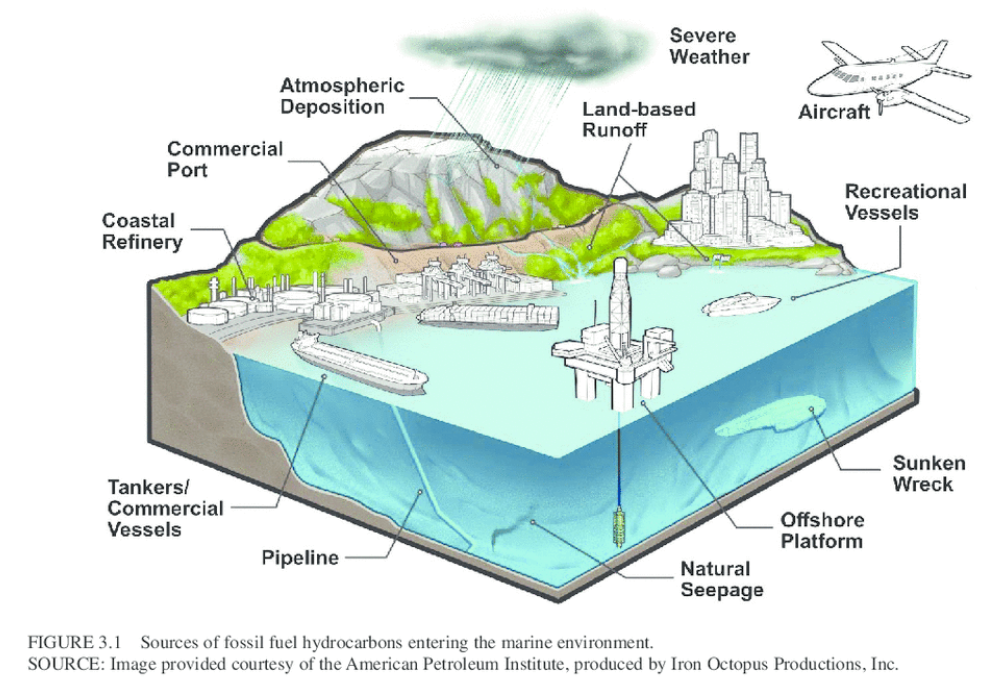
The National Academies have released Oil in the Sea IV, which updates estimates of oil entering North American seas. This is the third update since the publication of Oil in the Sea in 1985.

The updated inputs and seeps summary tables are pasted below. Some comments:

  • The Oil in the Sea reports are important in that they provide perspective on natural inputs and those associated with man’s activities. The estimates generate informed discussion about the relative significance of the various inputs.
  • The estimate for land-based sources, which far outweigh all other sources, increased dramatically from the previous report.
  • The oil seepage estimate was reduced by 37.5%, owing to methodology.
  • The difference between the itemized seepage total in Table 3.2 (109,000 mta) and the seepage total in Table 3.1 (100,000 mta) is not explained.
  • The authors assume zero oil seepage in the entire US and Canadian Atlantic, and Arctic offshore. This is highly unlikely given the widespread presence of methane seeps in the Atlantic, the numerous oil seeps identified offshore Labrador, and the MMS/BOEM report on Arctic seepage.
  • The estimate for platform spills (excluding Macondo and the MC-20 seepage) was significantly and inexplicably increased from the previous report, and is well above what BSEE data indicate for that period. No data or justification are provided.
  • The statement (p. 58) that “spills occurred more frequently in offshore waters than nearshore waters” is puzzling and unsubstantiated.

Read Full Post »

Although we are still waiting for the report on the 2021 Huntington Beach pipeline spill, all evidence indicates that the spill was caused by a container ship anchor. Available information to date also suggests that the pipeline was well maintained and properly operated. The volume spilled and resulting damage was less than predicted. Nonetheless, some vocal opportunists took full advantage of the spill to further demonize offshore production.

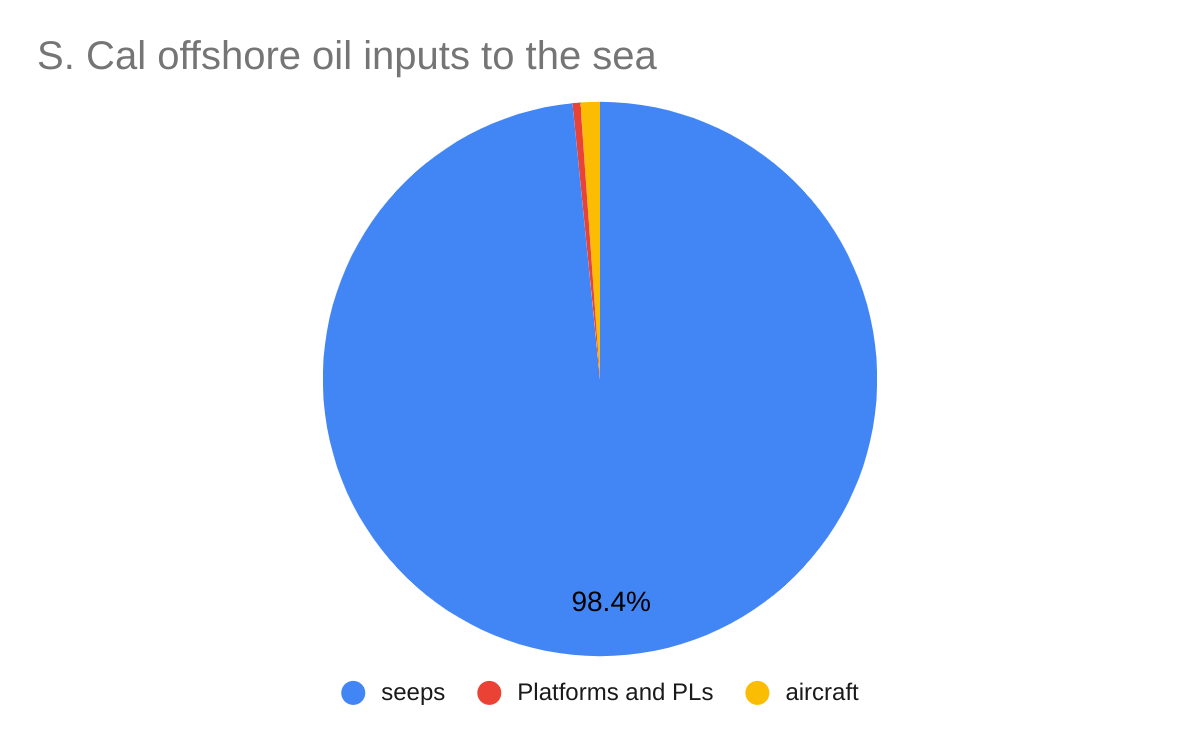
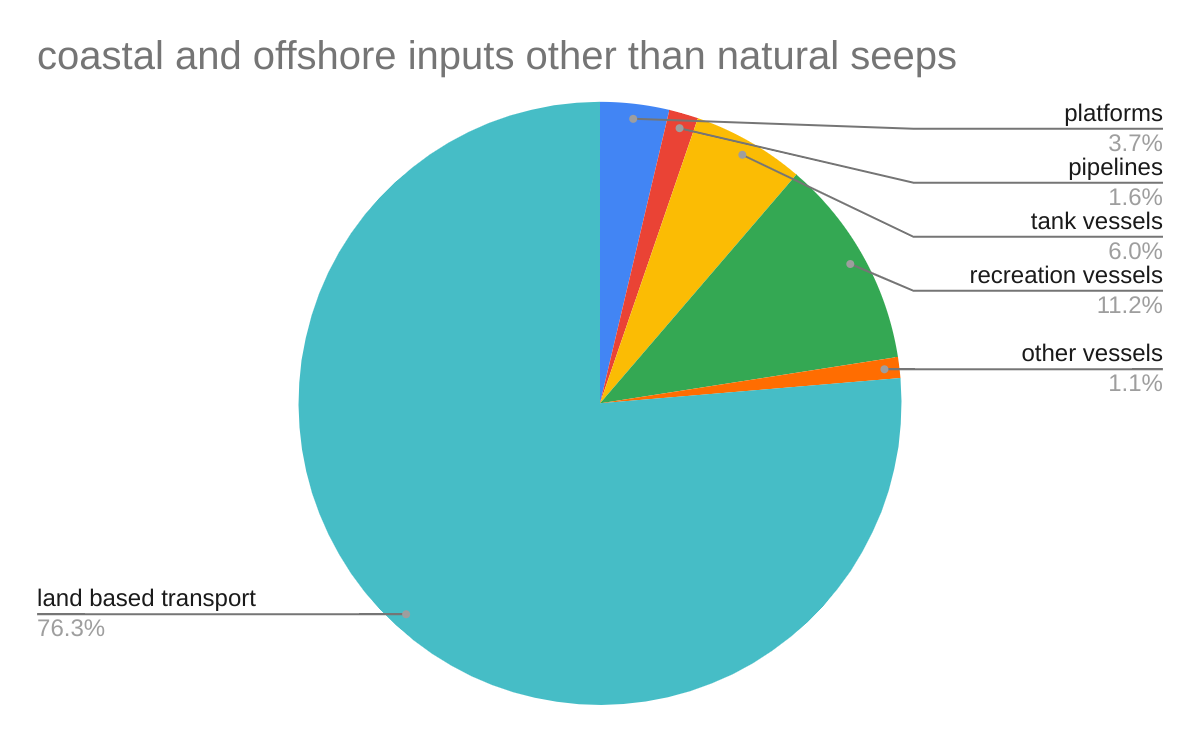
One of our very savvy BOE readers shared data (attached) from Oil in the Sea III, a National Academies report that is the best source of information on oil inputs into US waters. The data for Southern California are presented below in 3 charts. The first chart shows that natural seeps are overwhelmingly the leading offshore source of oil entering SoCal waters, with offshore platforms and pipelines accounting for <0.5% of the oil.

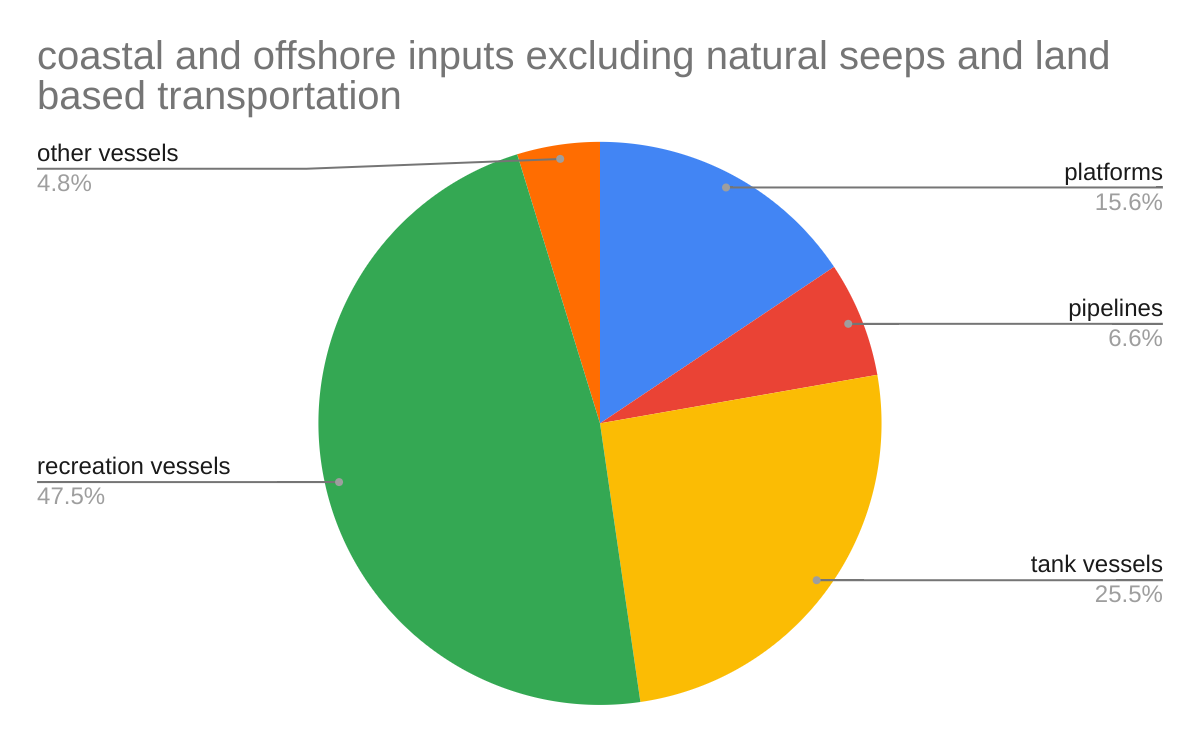
The second and third charts exclude natural seepage and compare the coastal and offshore oil inputs from the other sources. When land based transportation inputs are included (chart 2), platforms and pipelines (combined) account for 5.3% of the oil.

Excluding natural seepage and land based transportation inputs (chart 3), recreation vessels are by far the leading source of oil (47.5%), with platforms and pipelines (combined) accounting for less than half that volume (22.2%).

These data add important perspective, but are not intended to discount platform and pipeline spills. These spills can have significant localized impacts, and every effort must be made to prevent their occurrence.

Read Full Post »

While the Fieldwood Energy violations drove up the number of Incidents of Non-Compliance (INCs) in the Gulf of Mexico in 2021, most operating companies appear to have had good compliance records. Among companies that were subjected to at least 10 facility inspection and drilled at least one well, BHP Billiton, Eni US, and Murphy (listed alphabetically) had the most impressive compliance records. These three operators were cited for 7 or fewer INCs, none of which required a facility to be shut-in. Other operators that exceeded those activity thresholds and had excellent compliance records were (listed alphabetically) Anadarko, ANKOR Energy, Chevron, EnVen, Shell, and Walter Oil and Gas.

In the Pacific Region, Beta Operating Co., Chevron (now overseeing the former Signal Hill properties), and Exxon had excellent compliance records, although none of these facilities produced for the full year. In Alaska, Hillcorp had an excellent record at the Northstar Unit. (This is a gravel island facility in the State waters of the Beaufort Sea, but some of the wells produce from portions of the reservoir that are in the Federal sector).

Unfortunately, only summary inspection data are posted online. Without knowing the specific violations and circumstances, it’s not possible to fully assess the risk exposure. These oil and gas operations are conducted on public lands and are monitored by Federal employees. Inspection data and reports should be publicly accessible without having to submit Freedom of Information Act requests.

As has previously been discussed, incident updates should also be posted in a timely manner. Reference is made to this important recommendation in the 2016 National Academies report entitled Strengthening the Safety Culture of the Offshore Oil and Gas Industry:

Recommendation 4.2.2: Because accident, incident, and inspection data all are needed to identify and understand safety risks and corrective actions, the committee recommends full transparency such that regulators make all these data readily available to the public in a timely way, taking into consideration applicable confidentiality requirements.

Read Full Post »

With regard to air emissions, the advantages of deepwater Gulf of Mexico production are rather obvious:

  • High production rates per well
  • Few surface facilities (57 deepwater platforms, 3% of GoM total, produce 90+% of oil)
  • Modern gas turbines for power generation
  • Tightly enforced restrictions on flaring and venting
  • Better control of fugitive emissions
  • Distant from shore (not a factor for GHG effects)

Wood Mackenzie, NOIA, and others contend that restrictions on GoM leasing are contrary to carbon reduction goals.

An important and unintended consequence of enacting more restrictive policies such as a lease ban or increase in royalty rate in the Gulf of Mexico is that it could give rise to carbon leakage to countries that export crude to US.

Wood Mackenzie
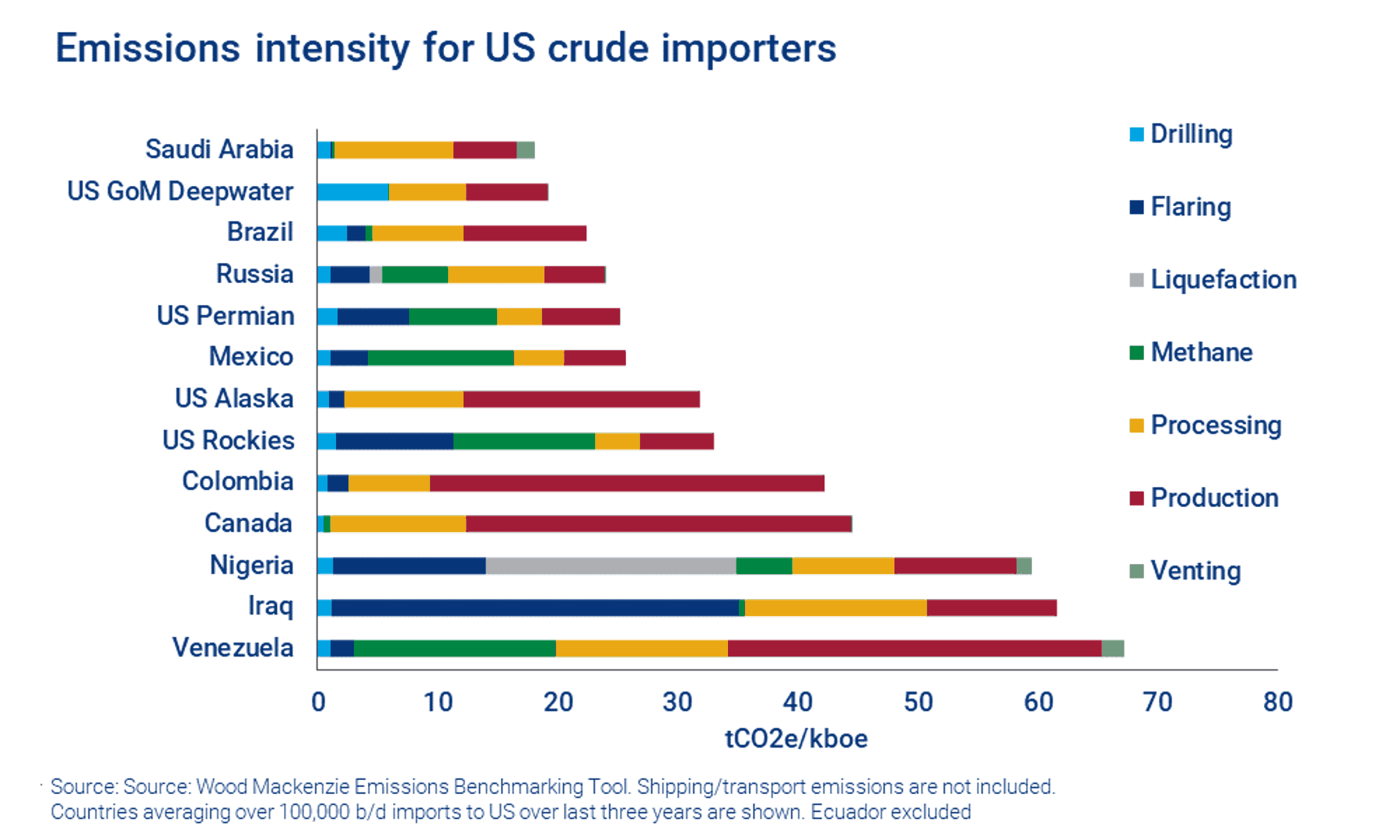
Chart: Emissions intensity for US crude importers. US Gulf of Mexico deepwater emissions are less intensive than all but one importer.

In light of the policy implications of GHG emissions, a Carbon Intensity Workshop is highly recommended. The estimates generated by Wood Mackenzie, Rystad, and others need to be explored in depth. Is data quality an issue? How are the data verified? Is there regulator or third party oversight? What are the assumptions behind the estimates? Also, for the purposes of US policy decisions, product transportation emissions should certainly be included. A barrel produced in the Middle East is not the same as a barrel produced in the GoM.

Looking at the chart above, I have immediate questions about the drilling emissions (blue). What wells are included? What about workovers and other well operations? I’m surprised that the deepwater GoM drilling emissions are so high relative to the other regions. While dynamically positioned MODUs have high fuel consumption rates, deepwater wells are few in number relative to shale drilling. Also, why are Brazil’s drilling emissions, which I assume are primarily associated with deepwater operations, so much lower that those for the GoM.

BOEM/BSEE and/or the Gulf Research Program (NASEM) would seem to be good sponsors for such a workshop.

Read Full Post »

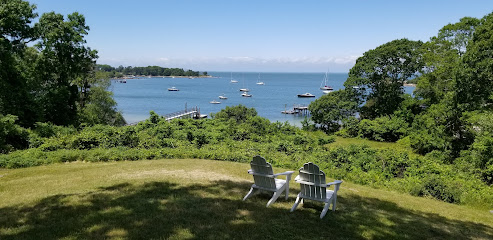
I was saddened to learn that the National Academy of Sciences is selling the Jonsson Center in Woods Hole, MA. This amazing meeting and conference facility is at a great waterfront location at the epicenter of marine research on the Atlantic Coast. You can buy the estate for a mere $27.5 million and continue its use as a conference center serving the marine science and policy communities.

“I think the concern is this is a historically important location for science, from its long history with the institutions,” said Dr. Saito. “To see one of our science institutions pack up and leave is sad for the community. Also, the loss of that conference facility, which I think is a really valuable resource for not just the area but for US science, is a sad thing to see happen as well.”

Makoto Saito, WHOI

Read Full Post »

Older Posts »