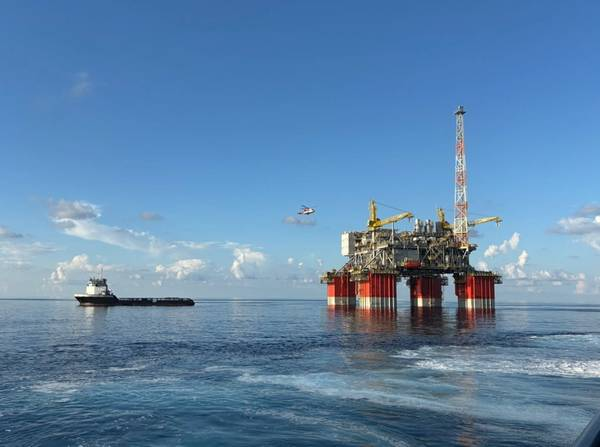
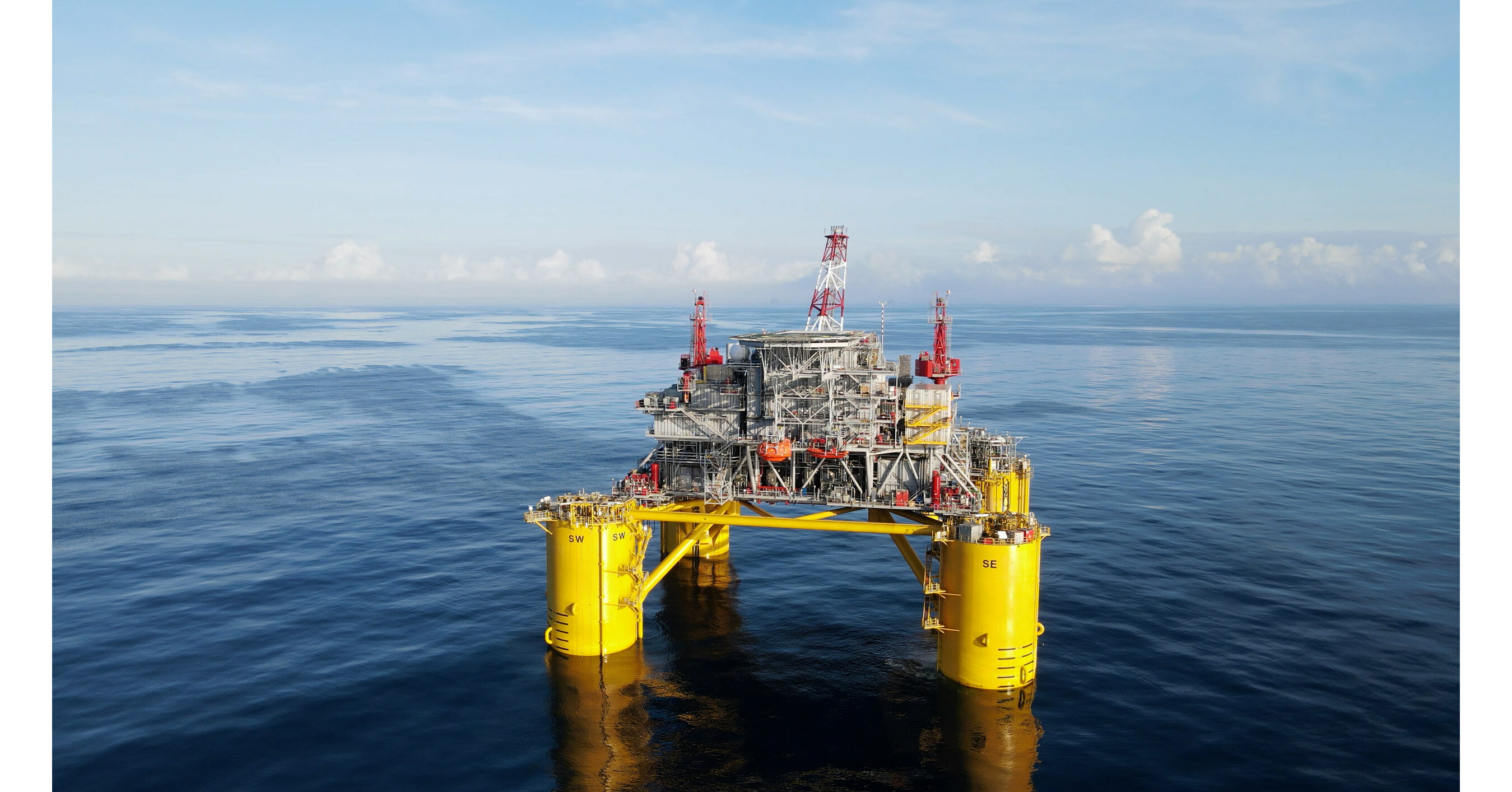
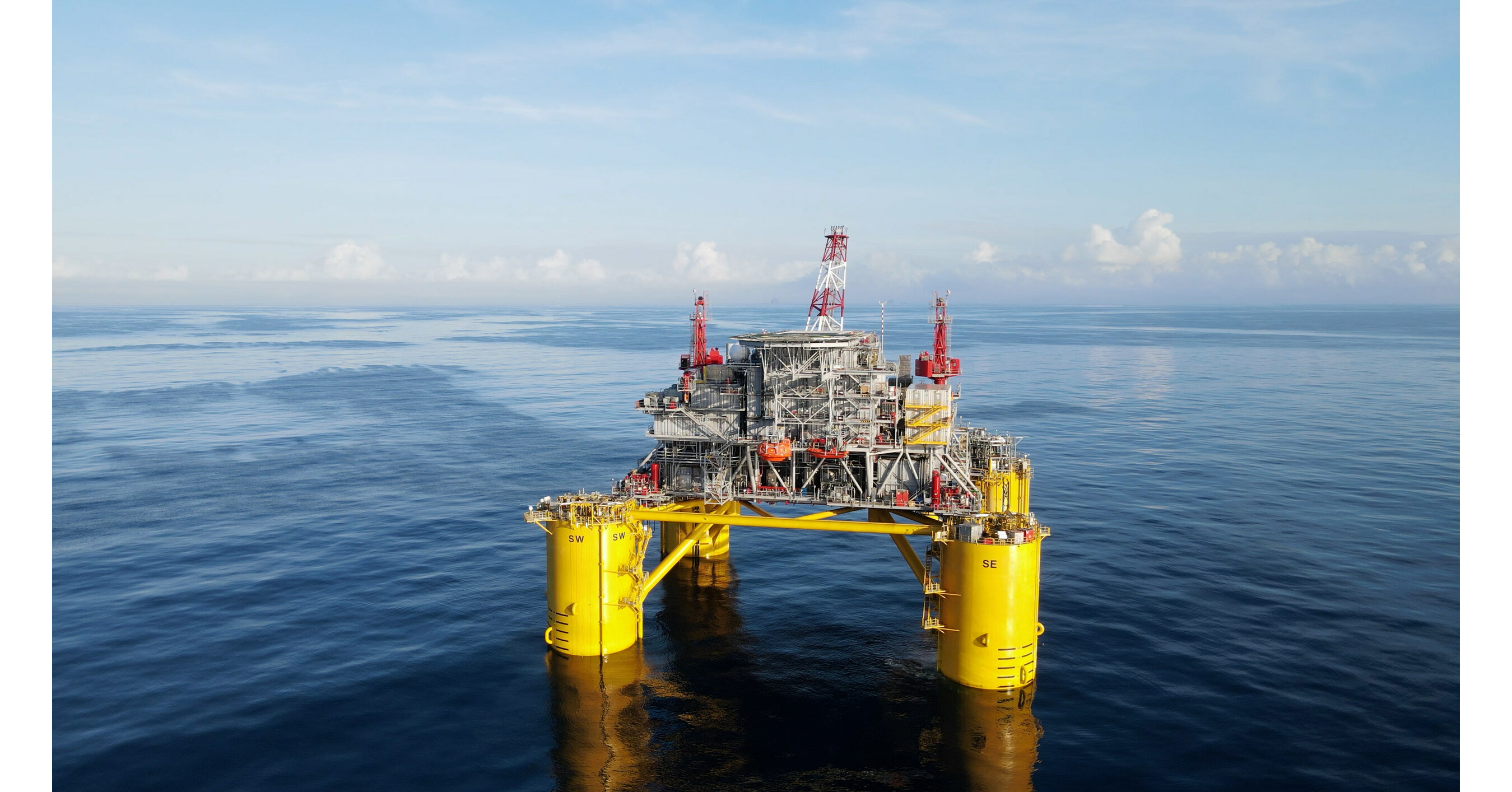
Every deepwater platform installed since Feb. 2018, when Chevron installed its Big Foot tension leg platform (TLP), has been a Floating Production Unit (aka FPU or production semisubmersible). During that period, no new SPARs, FPSOs, or TLPs were installed.
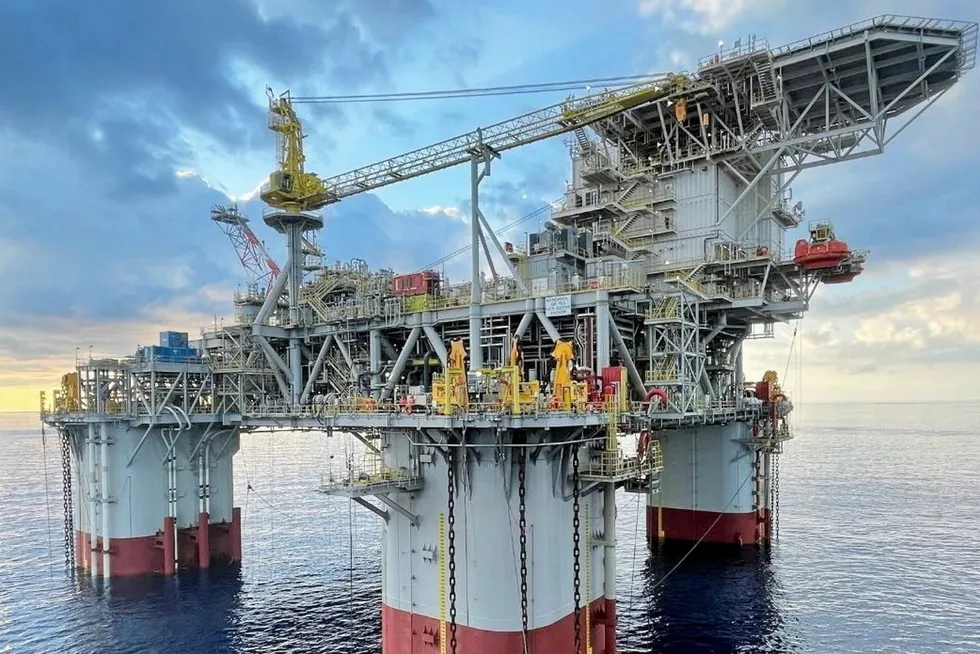
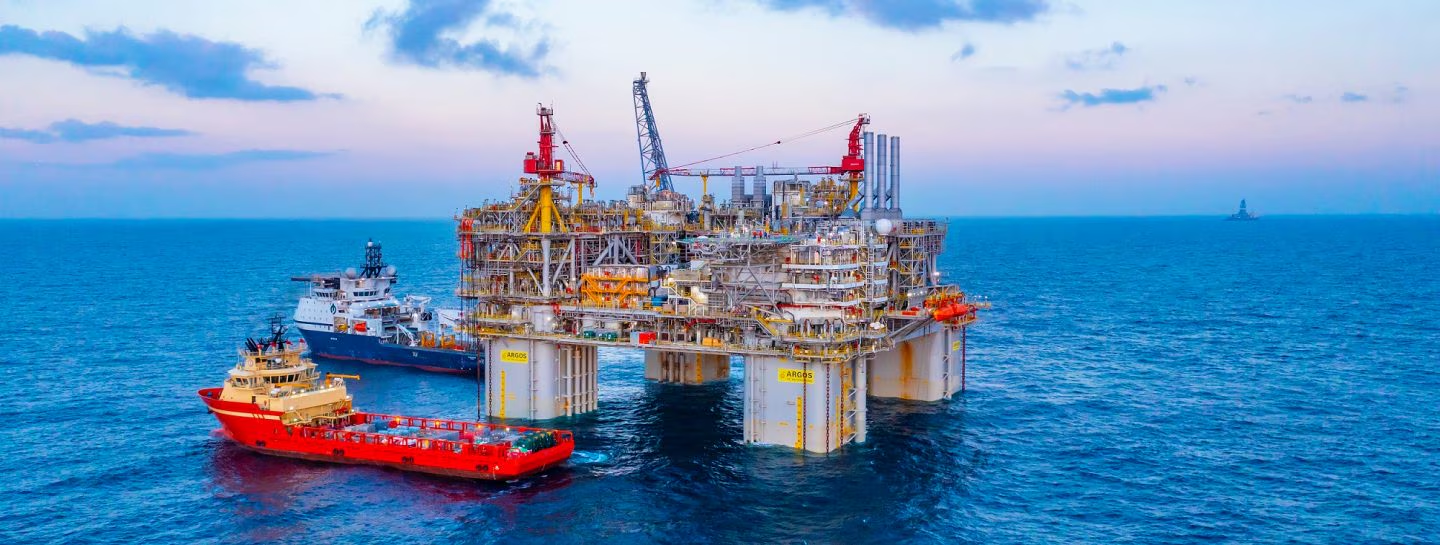
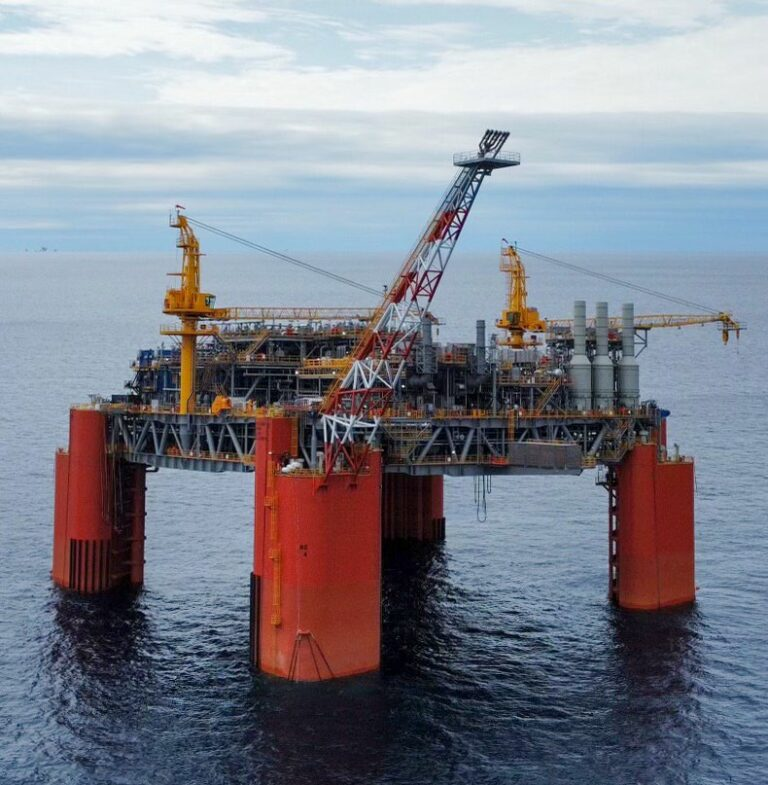
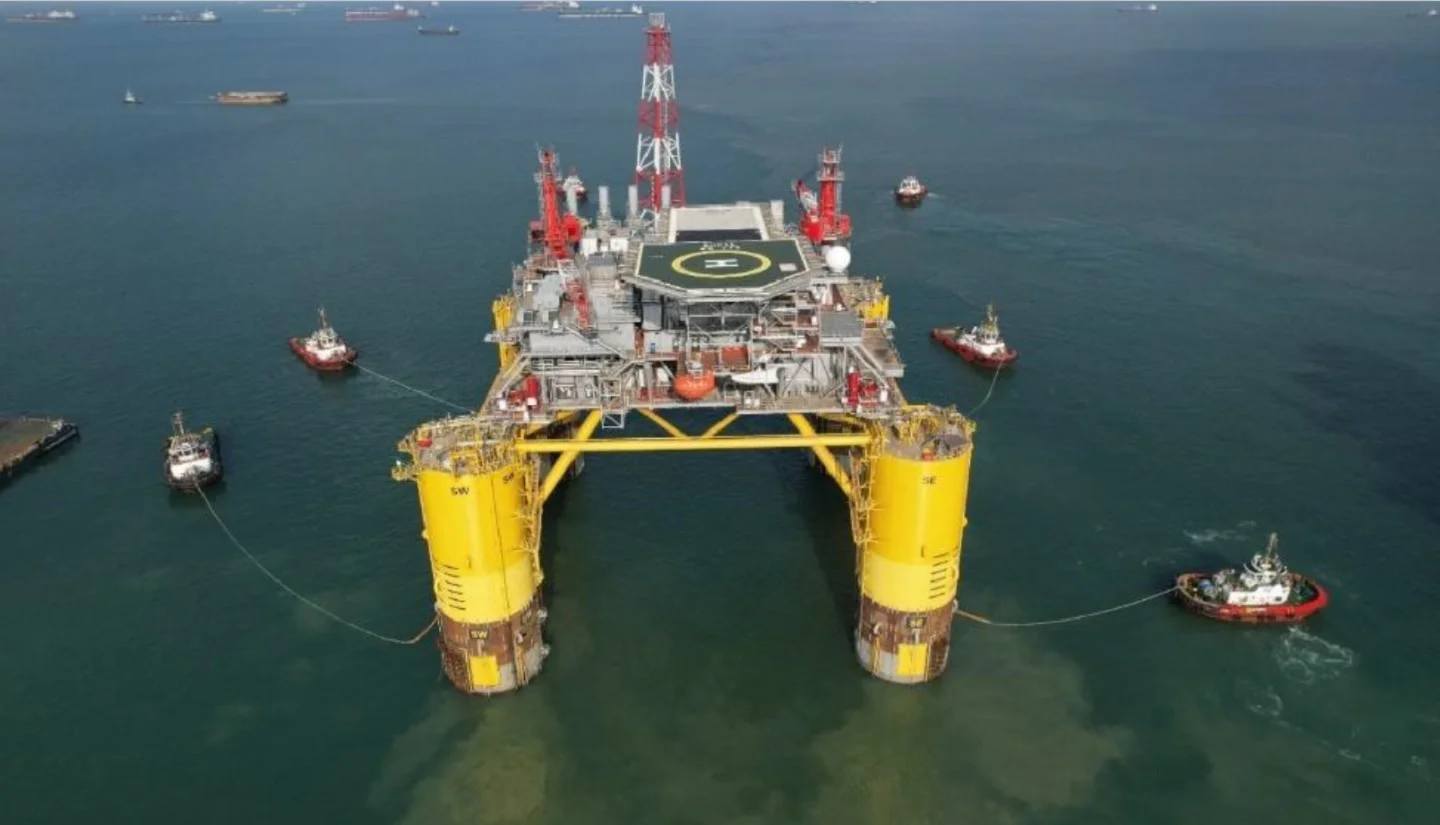
The list (below) of these simpler, safer, greener FPUs has grown by two with the initiation of production at Shenandoah and Salamanca. Note the water depth range from 3725 to 8600 ft.
platform
operator
water depth (ft)
first production
Appomattox
Shell
7400
May 2019
King’s Quay
Murphy
3725
April 2022
Vito
Shell
4050
Feb 2023
Argos
bp
4440
April 2023
Anchor
Chevron
4600
Aug 2024
Whale
Shell
8600
Jan 2025
Shenandoah
Beacon
5840
July 2025
Salamanca
LLOG
6405
Sept 2025
The efficiencies achieved with the simpler platform designs combined with the high pressure (>15,000 psi) technology developed over the past 2 decades is facilitatihg production from the highly prospective Paleogene (Wilcox) deepwater fans. (For those interested in learning more about the geology, see the excellent presentation by Dr. Mike Sweet, Univ. of Texas, that is embedded in this post.)
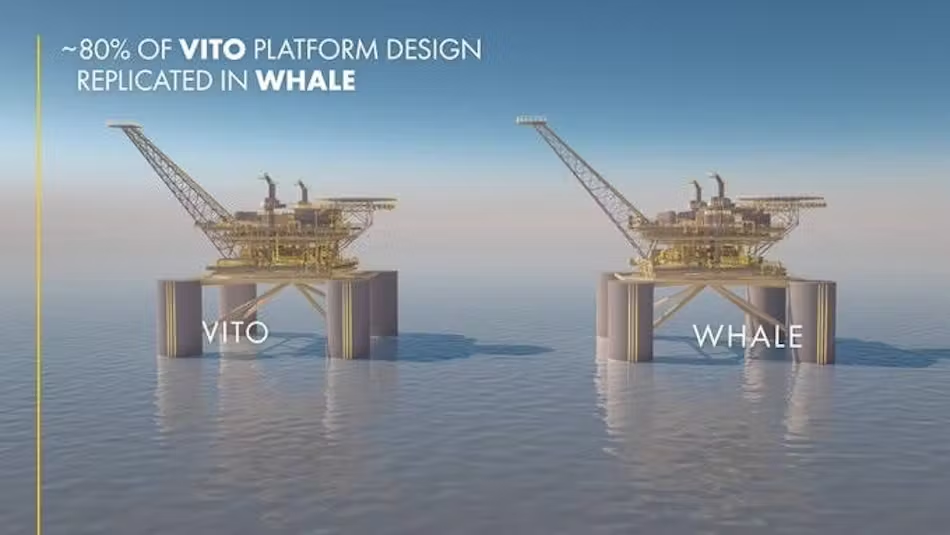
All of the operators note the cost-saving similarities in their FPU designs. For example, Vito and Whale are very much the same despite the 4550′ difference in water depth.
The 2024 Gulf of America Safety Compliance Leaders are ranked below according to the number of incidents of non-compliance (INCs) per facility inspection. To be ranked, a company must:
operate at least 2 production platforms
have drilled at least 2 wells during the year
average <1 INC for every 3 facility inspections (0.33 INCs/facility inspection)
average <1 INC for every 10 inspections (0.1 INCs/inspection). Note that each facility inspection may include multiple types of inspections (e.g. production, pipeline, pollution, Coast Guard, site security, etc). In 2024, there were on average 3.4 inspections for every facility inspection.
District investigation reports are more timely and provide additional insights into safety performance. Impressively, Hess had no incidents warranting a District investigation, and was the only ranked operator with this distinction. I will comment more on the District reports in a future post
Chevron’s 2024 compliance record was among the best in the history of the US OCS oil and gas program. Was it the absolute best? Were it not for the FSI INC at a Unocal (Chevron) facility, one could unequivocally assert that it was. Further evaluation of that INC would be helpful. However, details on specific INCs are not publicly available, so the significance of that violation cannot be evaluated.
operator
W
CSI
FSI
total INCs
facility insp
INCs/ fac insp
insp
INCs/ insp
Chevron
1
0
1
2
117
0.02
311
0.006
BP
2
3
0
5
93
0.05
251
0.02
Anadarko
8
9
1
18
143
0.13
344
0.05
Hess
2
3
0
5
26
0.19
67
0.07
Walter
6
4
1
11
50
0.22
161
0.07
Shell
23
17
5
45
199
0.23
495
0.09
Cantium
24
8
0
32
123
0.26
537
0.06
Murphy
8
9
1
18
70
0.26
191
0.09
Arena
29
28
3
60
189
0.32
803
0.07
Gulf-wide
957
398
109
1464
3133
0.47
10664
0.14
Notes: Numbers are from published BSEE data; INC=incident of non-compliance; W=warning INC; CSI=component shut-in INC; FSI=facility shut-in INC; INCs/fac insp= INCs issued per facility inspection; each facility-inspection may include multiple types of inspections (e.g. production, pipeline, pollution, Coast Guard, site security, etc), in 2024, there were on average 3.4 inspections for every facility inspection
Not meeting the production facilities requirement to be ranked among the top performers, but nonetheless noteworthy, was the compliance record of BOE Exploration & Production (no relation to the BOE blog 😀). See their impressive inspection results below:
W
CSI
FSI
total INCs
facility insp
INCs/ fac insp
insp
INCs/ insp
BOE
1
1
0
2
21
0.1
48
0.04
Transparency on inspections and incidents is important for a program that is dependent on public confidence. For independent observers to better evaluate industry-wide and company-specific safety performance, publication of the following information should be considered:
quarterly updates of the incident tables, as was once common practice
posting of violation summaries for inspections resulting in the issuance of one or more INCs
Four of the five simpler, safer, greener deepwater platforms featured on this blog are now producing. The 5th platform (Whale) is on location and scheduled to begin production later this year.
platform
operator
first production
King’s Quay
Murphy
April 2022
Vito
Shell
Feb 2023
Argos
bp
April 2023
Anchor
Chevron
Aug 2024
Whale
Shell
late 2024
These platforms are in 4000 to 8600′ of water, are expected to reach peak production rates of 100-150,000 boe/day, and have favorable emissions characteristics on a per barrel basis.
This is all good, but what is next? Will technological advances once again sustain GoM production? The short answer appears to be yes!
The efficiencies achieved with the simpler platform designs combined with the high pressure (>15,000 psi) technology developed over the past 2 decades will facilitate production from the highly prospective Paleogene (Wilcox) deepwater fans. (For those interested in learning more about the geology, see the excellent presentation by Dr. Mike Sweet, Univ. of Texas, that is embedded below.)
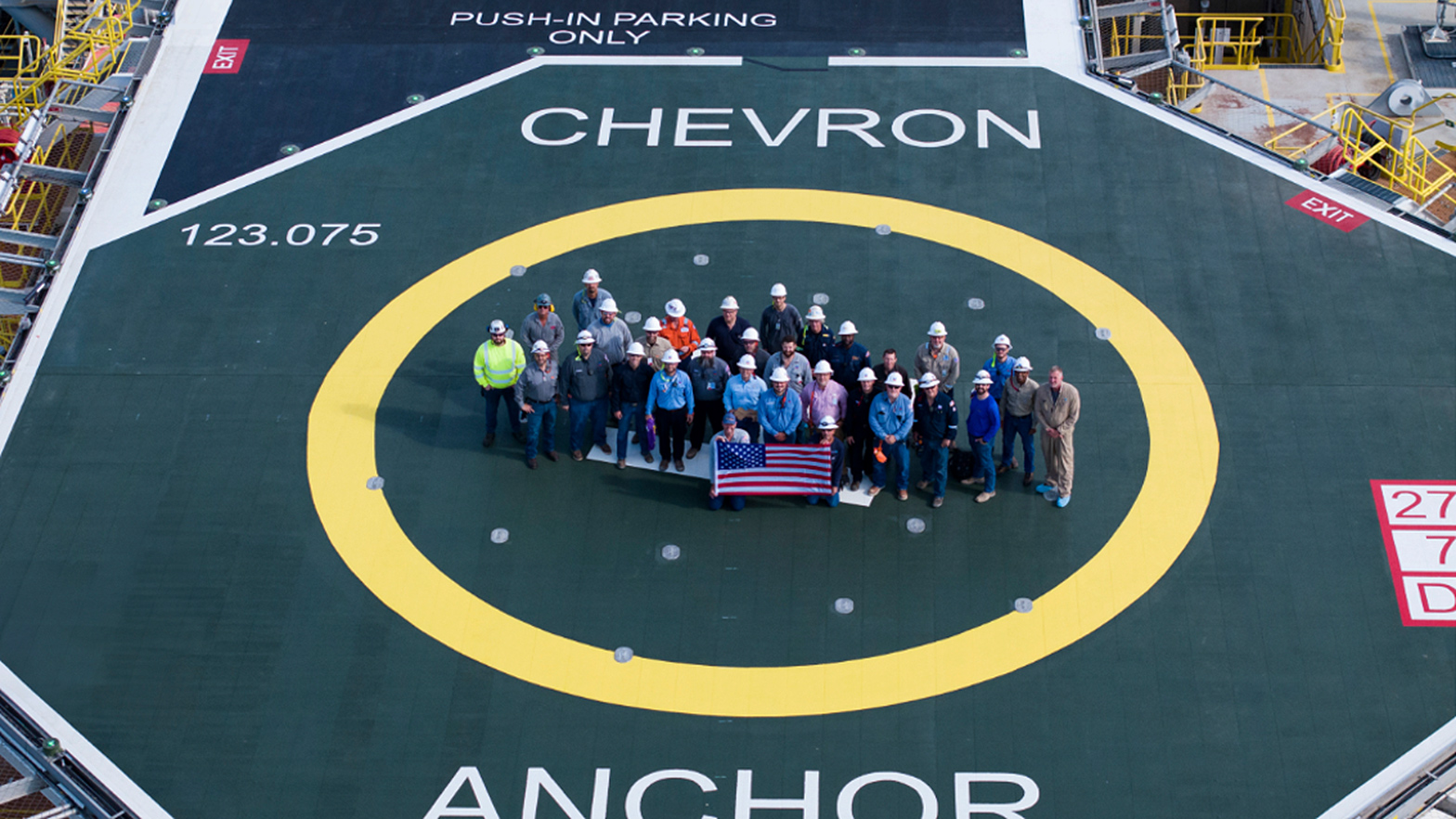
Chevron’s Anchor is the first deepwater, high-pressure development. Three similar deepwater hub platforms (table below) will begin production over the next 5 years. These host platforms will also facilitate additional production from nearby fields. Each will have production capacities of approximately 100,000 boe/day. Note the long lead times in achieving first production given the technological issues that had to be evaluated and addressed.
platform
operator
discovery date
first production
Kaskida
bp
2006
2029
Sparta
Shell
2012
2028
Shenandoah
Beacon
2009
2025
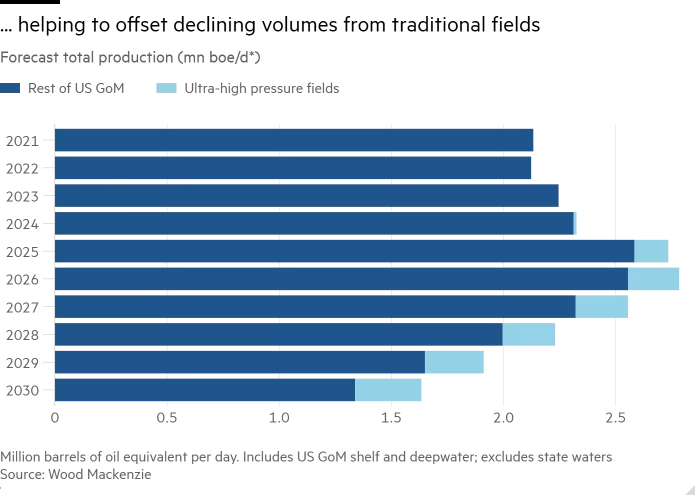
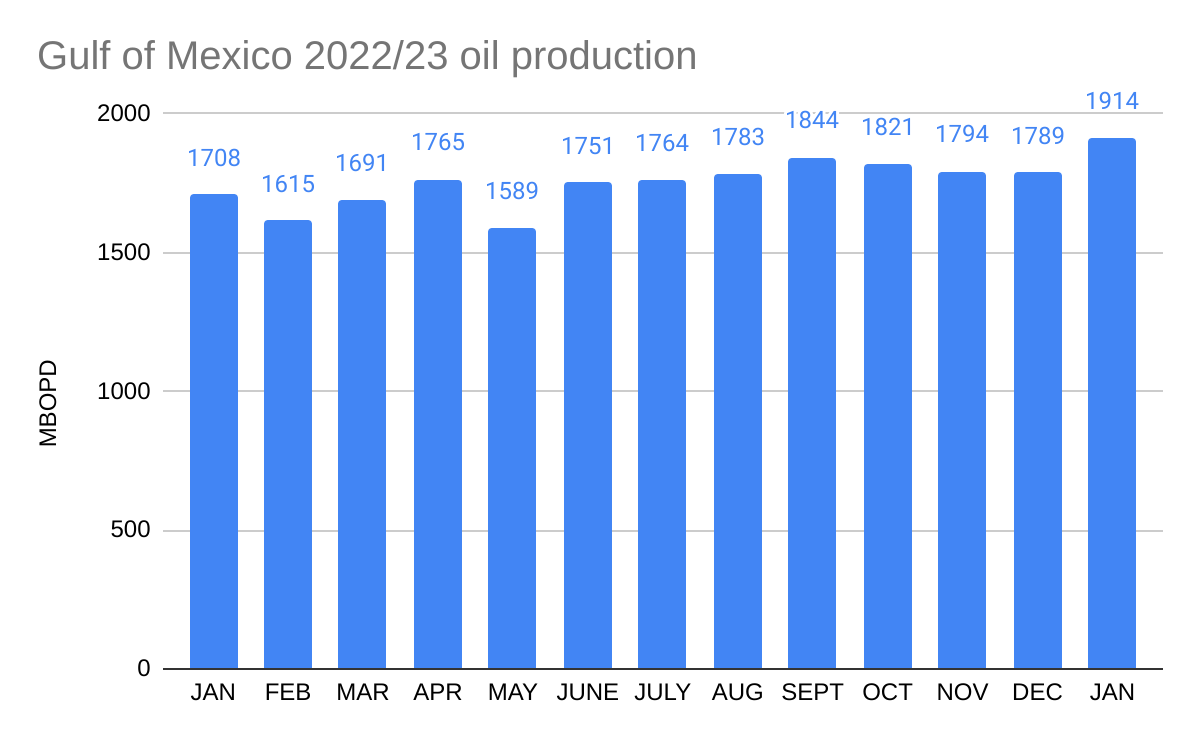
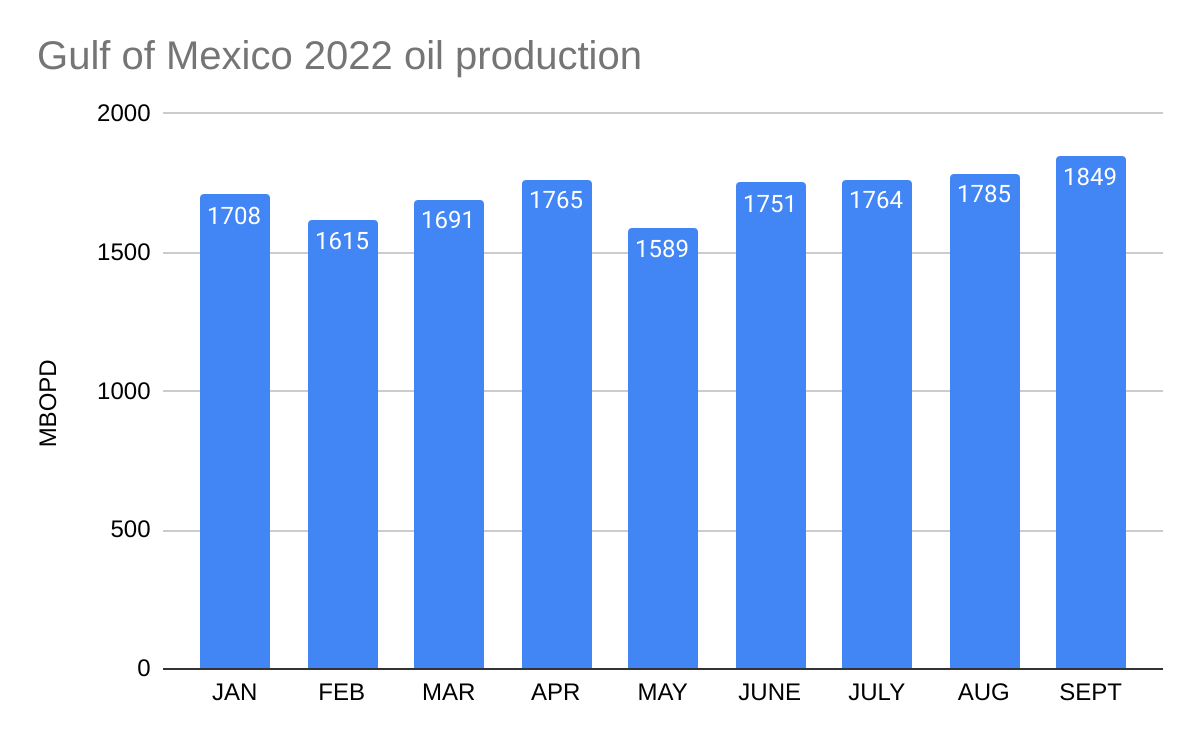
Wood Mackenzie sees these high pressure projects as the key to sustaining GoM production rates. Their projections for 2024 and 2025 seem optimistic based on 2024 YTD data, which adds to the importance of the projected new production.
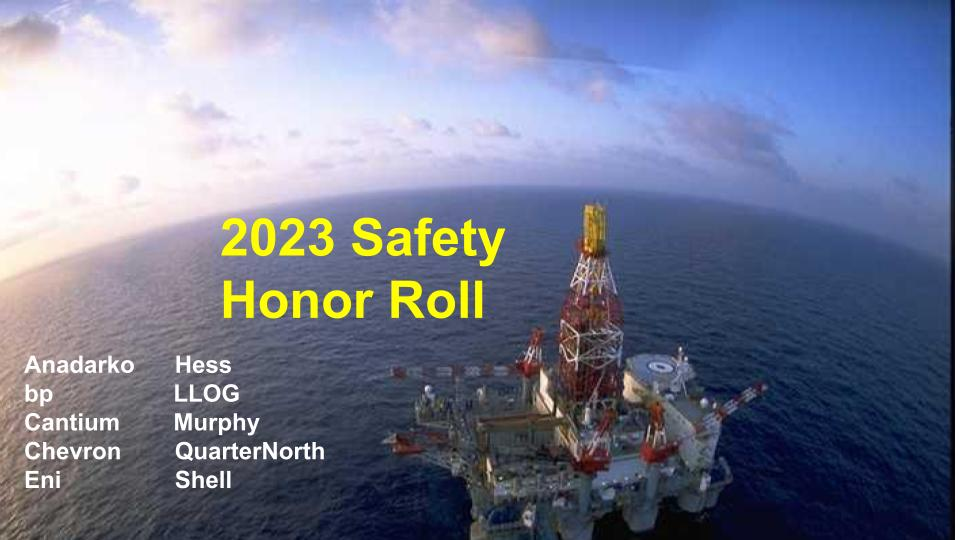
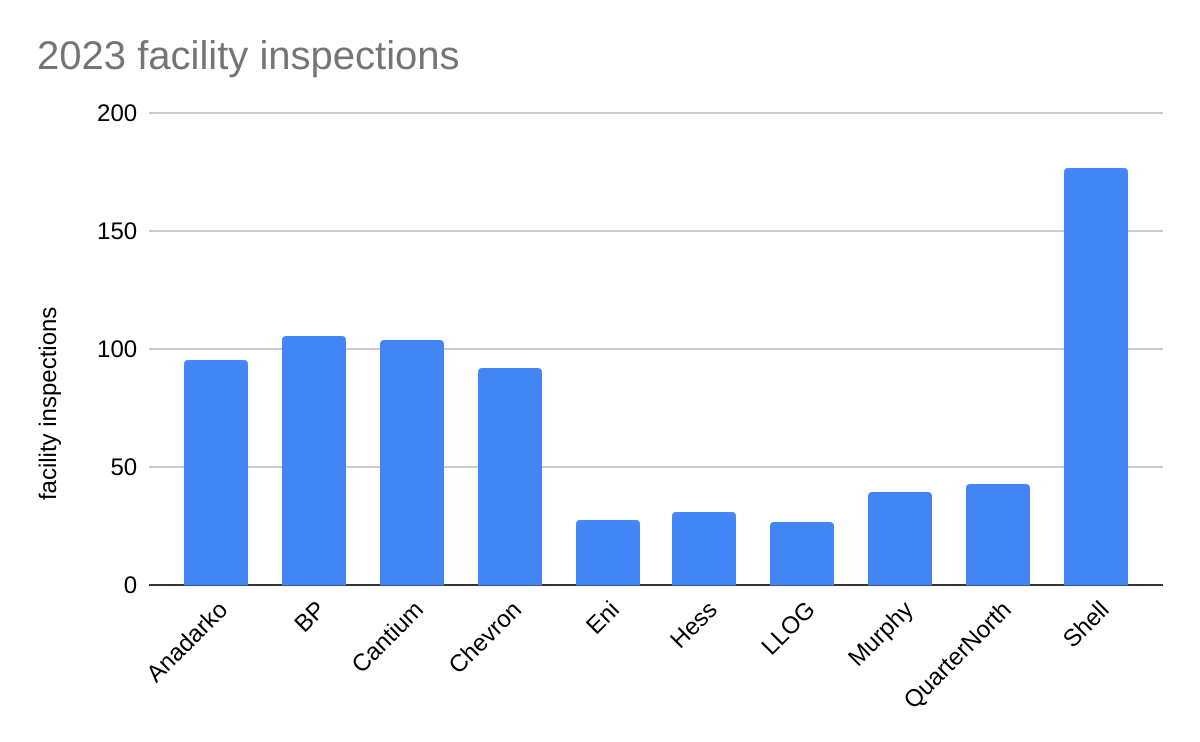
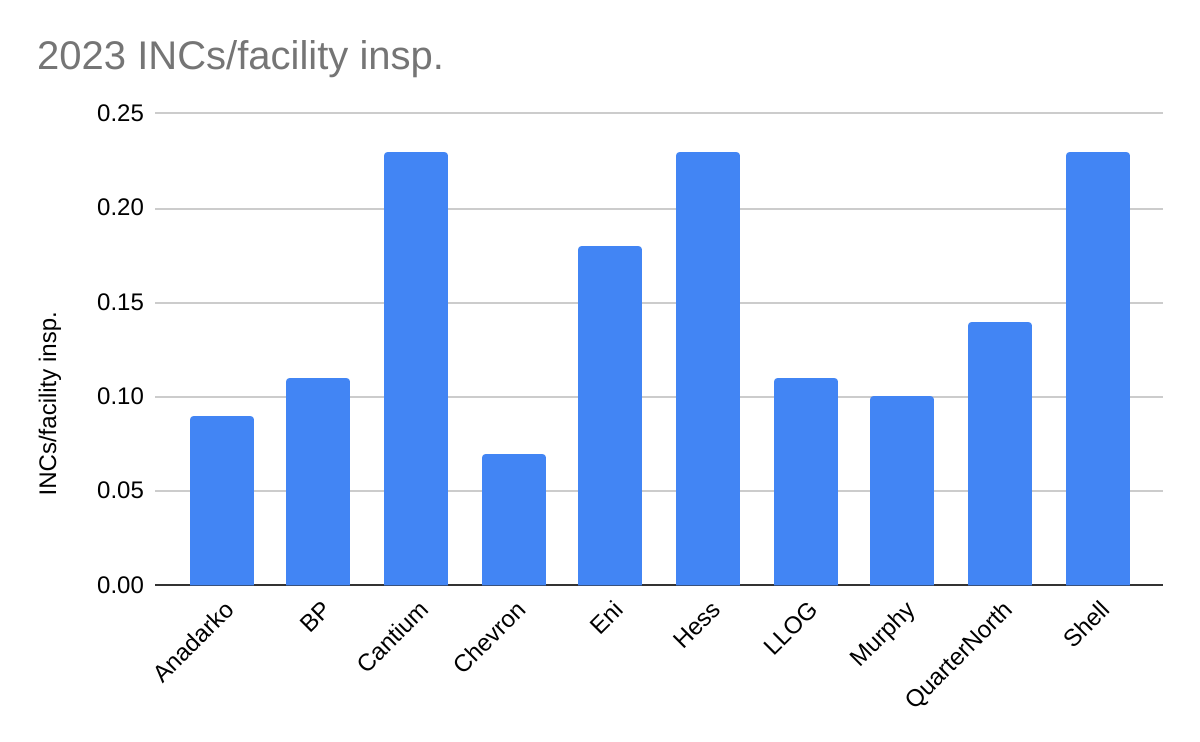
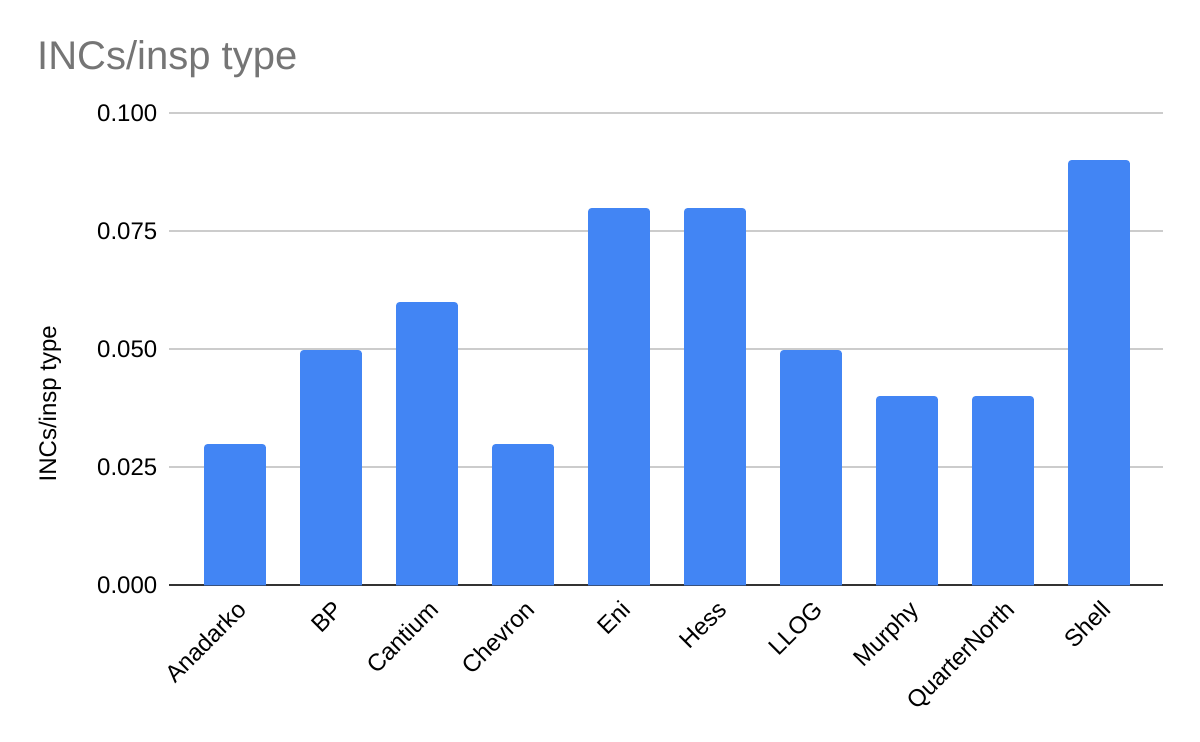
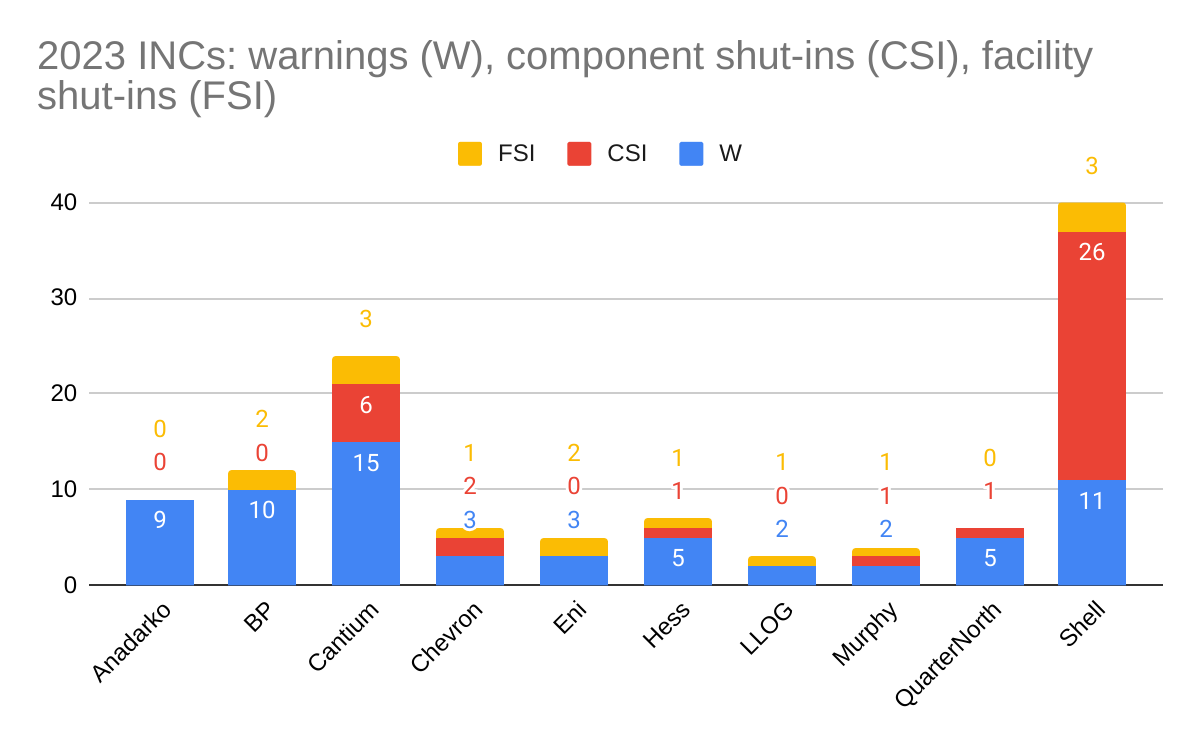
The Honor Roll companies for 2023 (listed alphabetically) are Anadarko, bp, Cantium, Chevron, Eni, Hess, LLOG, Murphy, QuarterNorth, and Shell.
BOE Honor Roll criteria:
Must average <0.3 incidents of noncompliance (INCs) per facility-inspection.
Must average <0.1 INCs per inspection-type. (Note that each facility-inspection may include multiple types of inspections (e.g. production, pipeline, pollution, Coast Guard, site security, etc). On average, each facility-inspection included 3.3 types of inspections in 2023. Here is a list of the types of inspections that may be performed.
Must operate at least 3 production platforms and have drilled at least one well (i.e. you need operational activity to demonstrate compliance and safety achievement).
May not have a disqualifying event (e.g. fatal or life-threatening incident, significant fire, major oil spill). Due to the extreme lag in updates to BSEE’s incident tables, district investigations and media reports are used to make this determination.
platforms
2023 well starts
2023 (10 mos.) oil prod. (million bbls)
2023 (10 mos.) gas prod. (bcf)
Anadarko
10
11
66
60
BP
7
11
105
65
Cantium
96
10
5
6
Chevron
8
10
67
39
Eni
3
1
6
13
Hess
3
3
18
36
LLOG
10
7
25
35
Murphy
7
4
42
57
QuarterNorth
9
1
13
23
Shell
20
20
141
140
Also noteworthy:
Zero shut-in violations for Anadarko in 2023
<1 INC for every 10 facility inspections for Anadarko, Chevron, and Murphy
<1 INC for every 20 inspections (all types) for Anadarko, bp, Chevron, LLOG, Murphy, and QuarterNorth
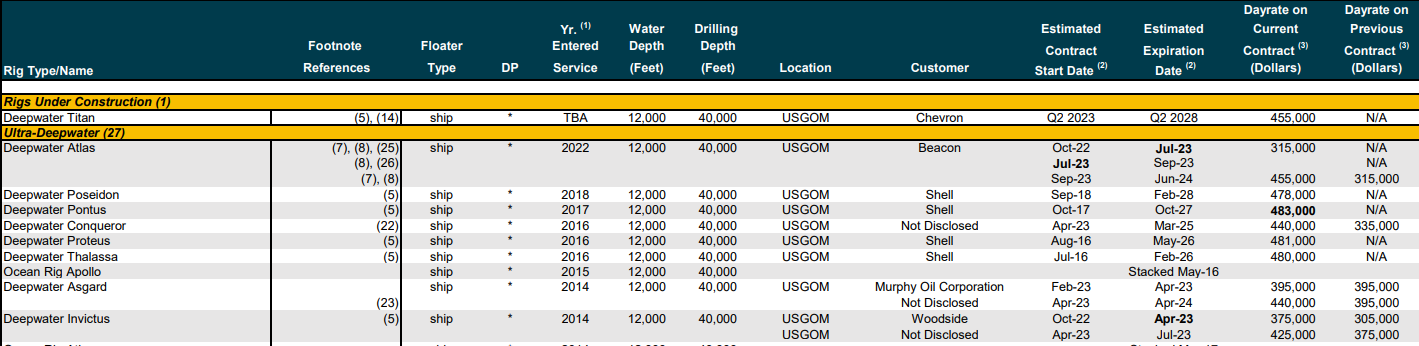
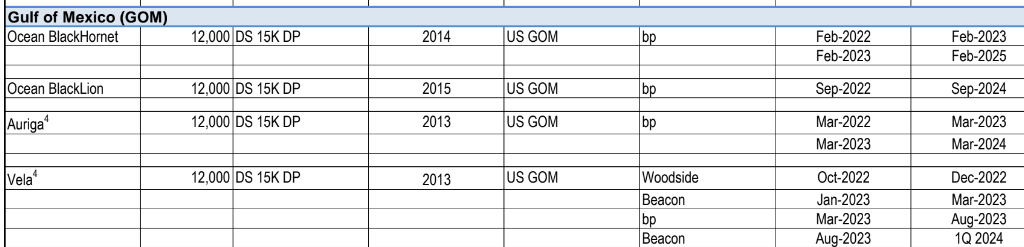
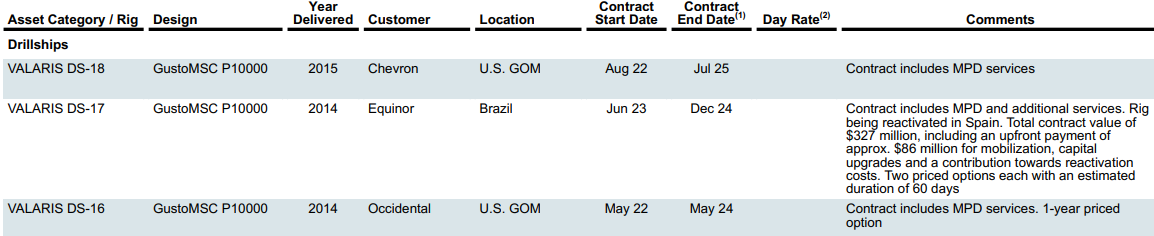
Based on drilling contractor rig activity reports, the table below lists 19 deepwater MODUs under or soon to begin contracts in the GoM. (Further details are pasted at the end of this post.) Per the Valeris report, platform rigs are operating on bp’s Thunder Horse and Mad Dog platforms. Per the BSEE borehole file, Arena and Cantium continue to drill development wells on the GoM shelf.
Prior to the installation of these platforms, the last deepwater platform addition was Shell’s Appomattox in 2018. That gap in deepwater platform installations was the longest since Bullwinkle was installed in 1988.
The 5 new structures will increase the deepwater platform count by 9% from 56 to 61, and in the next few years should account for approximately 1/4 of GoM oil production.
Last year, BOE featured 5 deepwater platforms that were under construction: Shell’s Vito and Whale, Murphy’s King’s Quay, bp’s Argos, and Chevron’s Anchor. These floating production units are noteworthy for their lighter, smaller designs. King’s Quay was the first to produce, beginning last April. The spotlight is now on Vito which began producing today. Vito’s peak production should reach 100,000 boe. The other 3 platforms are expected to begin production this year or next.
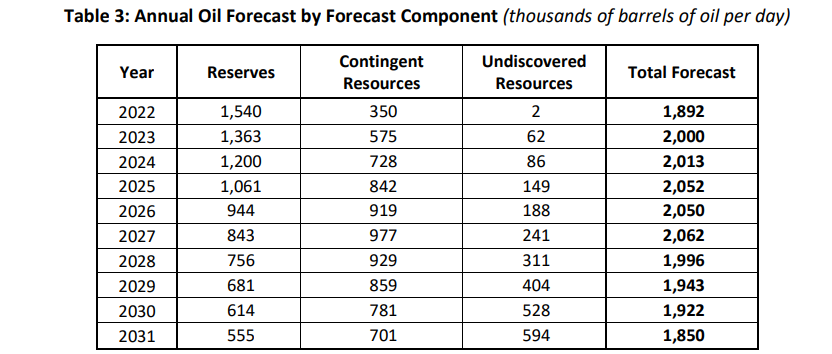
“BOEM’s short-term (20-year) production forecast for existing leases shows steady growth from 2022 through 2024 and declining thereafter (see Section 5.2.1). The long-term nature of OCS oil and gas development, such that production on a lease can continue for decades makes consideration of future climate pathways relevant to the Secretary’s determinations with respect to how the OCS leasing program best meets the Nation’s energy needs.“






 Bud's Offshore Energy (BOE)