Feeds:
Posts
Comments

Posts Tagged ‘Milton Love’

PNAS: “among the most productive marine fish habitats globally”

Secretarial Order No. 3418 identified energy policies and regulations requiring immediate Interior Dept. review. A policy decision that should be added to the list is BSEE’s Record of Decision (ROD) for the Programmatic Environmental Impact Statement on Pacific OCS Decommissioning.

Inexplicably, BSEE’s ROD designates the most environmentally harmful, unsafe, and costly alternative as the “preferred alternative.” The decision is contrary to the opinions expressed by the leading experts on the ecology of California offshore platforms, most notably Dr. Milton Love of the University of California at Santa Barbara.

Why did BSEE select alternative 1 (complete removal) when their $1.6 million EIS acknowledges that alternative 2 (partial removal) is environmentally preferable? Was their decision influenced by activists who support the alternative that is most punitive to the industry they despise?

The Interior Dept. needs to immediately review this decision so that stalled decommissioning projects can move forward in a manner that is most efficient and best protects “the most productive marine habitats per unit area in the world.”
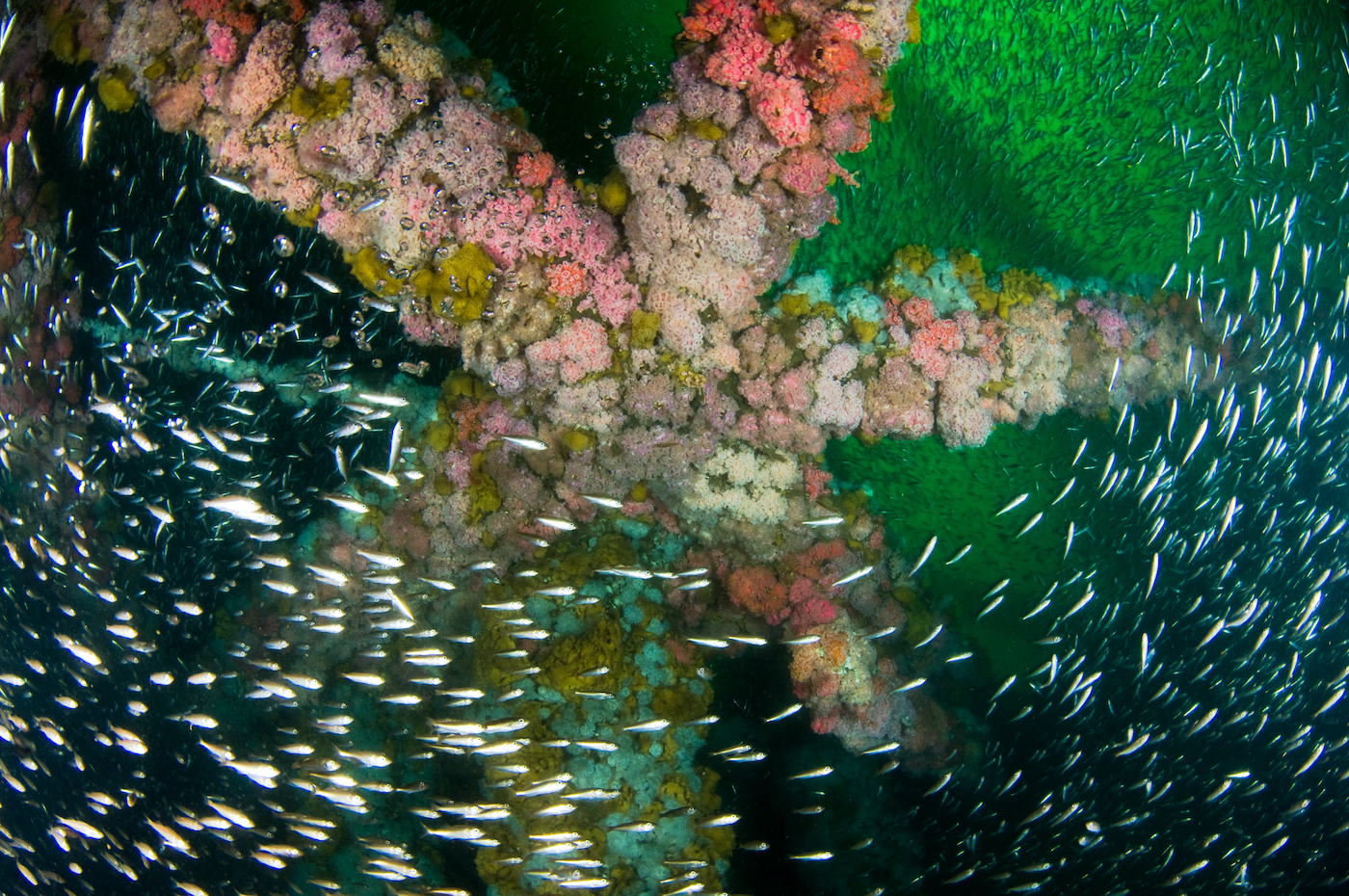
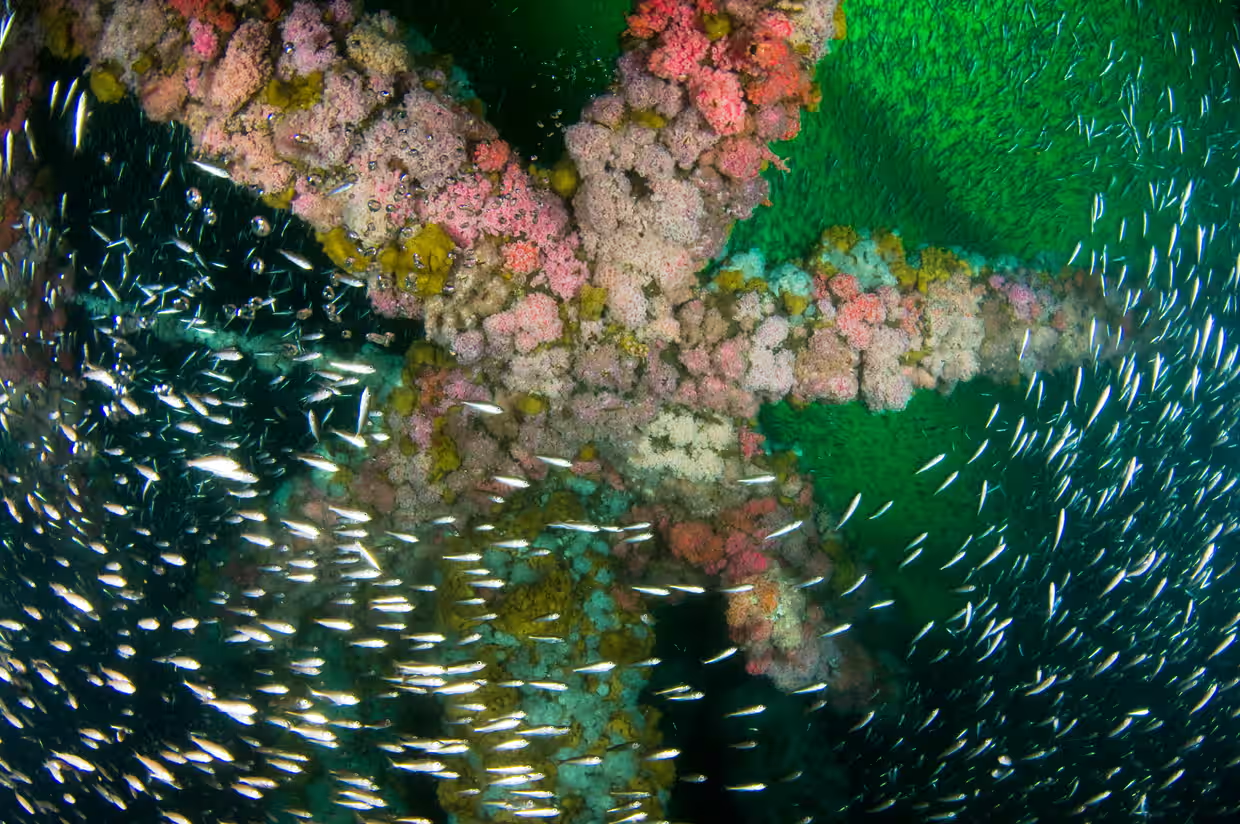
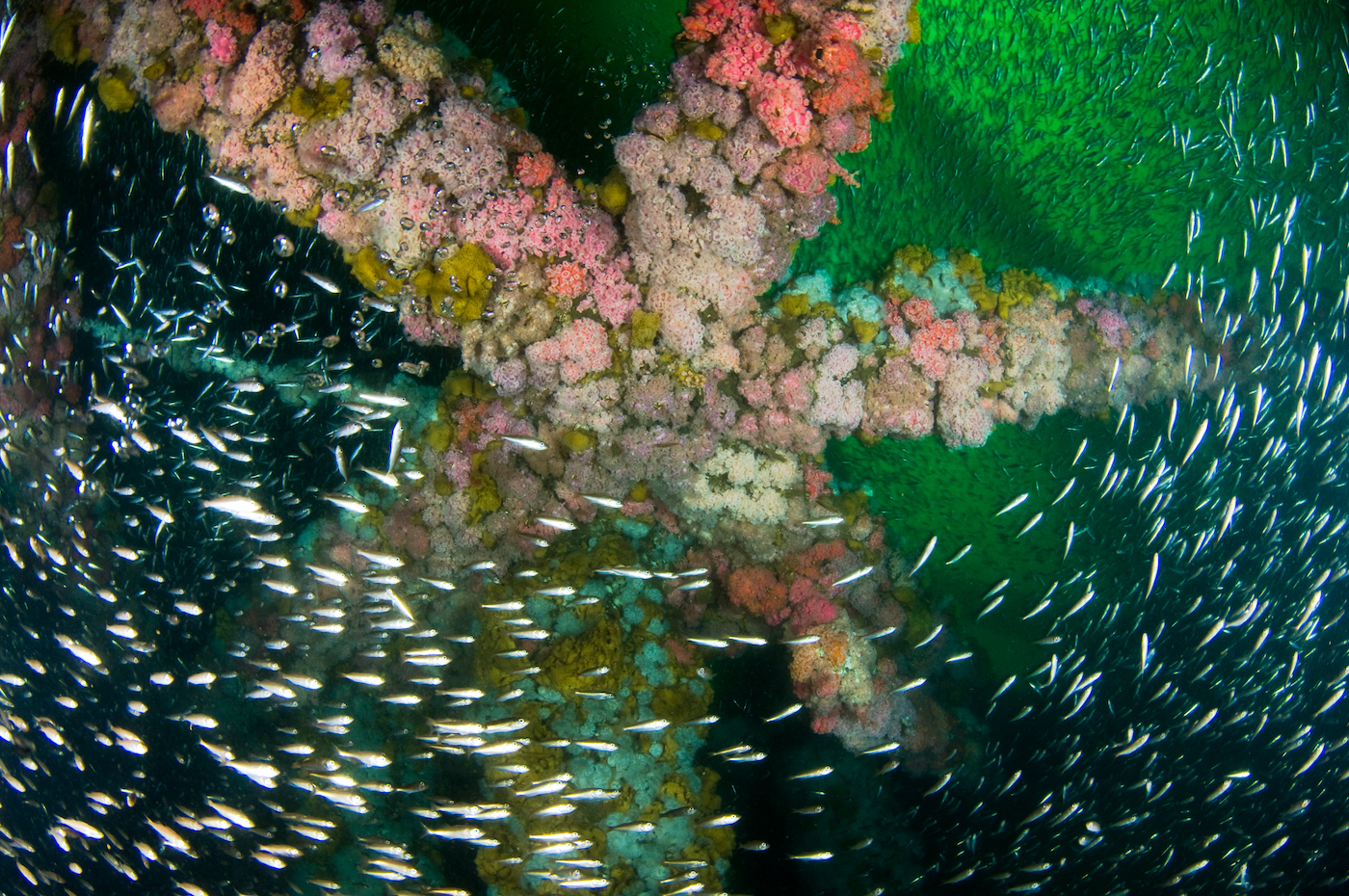
beneath Platform Gilda, Santa Barbara Channel

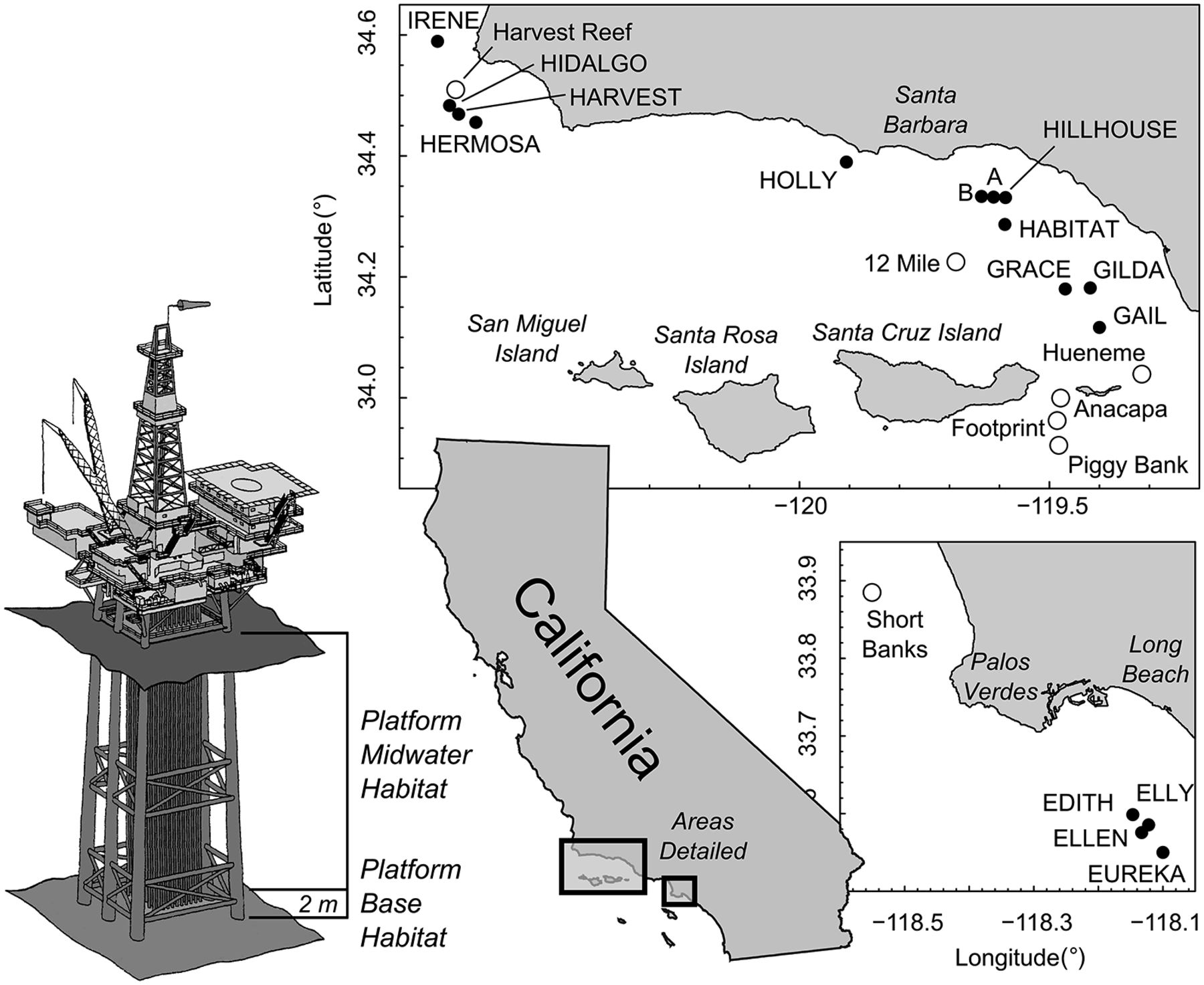
On December 7, 2023, the Bureau of Safety and Environmental Enforcement (BSEE) issued a Record of Decision (ROD) recommending the full removal of California’s 23 offshore oil platforms in federal waters, following a Programmatic Environmental Impact Statement (PEIS) conducted to assess decommissioning options for platforms, pipelines, and other related infrastructure. However, upon close review, the PEIS and ROD appear to have reached misguided and detrimental conclusions due to critical oversights in their analyses.” Asher Radziner, Montecito Journal

More posts on California decommissioning

Read Full Post »

Attached is an excellent Scientific American article featuring BOE contributor and decommissioning specialist John Smith, former colleague and marine biologist Dr. Ann Bull, and Dr. Milton Love, the leading authority on California’s offshore platform ecosystems.

I had the pleasure of taking a highly informative boat tour around Platform Holly with Dr. Love and a group of international visitors. Holly, which is pictured at sunset in the BOE header, is among the platforms awaiting decommissioning.

Dr. Love on the total removal of California offshore platforms:

“As a biologist, I just give people facts,” he says. “But I have my own view as a citizen, which is: I just think it’s criminal to kill huge numbers of animals because they settled on a piece of steel instead of a rock.”

Read Full Post »

PNAS: “among the most productive marine fish habitats globally”
beneath Platform Gilda, Santa Barbara Channel

These platforms are habitat for millions of animals. My opinion is that it’s immoral to kill huge numbers of animals in any kind of habitat.

Dr. Milton Love, UCSB marine biologist

Inexplicably, BSEE’s Record of Decision (ROD) for the Programmatic Environmental Impact Statement on Pacific OCS Decommissioning (EIS cost: $1,604,056) endorses such habitat destruction by designating the most environmentally harmful, unsafe, punitive, and costly alternative as the “preferred alternative.”

Alternative 1 (the preferred alternative) calls for “the complete removal of platforms, topside, conductors, the platform jackets to at least 4.6 m (15 ft) below the mud line, and the complete removal of pipelines, power cables, and other subsea infrastructure (i.e., wells, obstructions, and facilities).”

Ironically, the ROD correctly acknowledges that alternative 2 (partial removal) is environmentally preferable. So what drove the decision to select the alternative that destroys “the most productive marine habitats per unit area in the world?” Was there pressure to choose the alternative that is most punitive to an industry that is despised by California activists? If so, their schadenfreude is certain to be delayed by administrative and legal challenges that draw further attention to the social costs and environmental damage associated with “complete removal.”

In 2020, BOEM estimated the total cost of decommissioning the 23 Federal offshore platforms at $1.7 billion, and today’s real costs are likely to be much higher. Also, keep in mind that some thorny decommissioning liability issues remain to be resolved, particularly with regard to Platforms Hogan and Houchin.

The decommissioning costs for Hogan and Houchin are estimated by BOEM at $85.6 million, even though the cost of completing removing Platform Holly (single platform in similar water depth in CA State waters) may reach $475 million. Per the BOEM data, there is no collateral, supplemental financial assurance, or third party guarantee that could defray the Hogan and Houchin costs. The extent to which prior lessees could be held accountable is questionable given that the lease was assigned to (now bankrupt) Signal Hill in 1991, well before the predecessor liability language was added to the MMS bonding rule. Irregularities in the management of Signal Hill’s Abandonment Escrow Account for Hogan and Houchin further complicate the liability issues.

The path for timely facility decommissioning with the least environmental damage and safety risk has two essential elements:

Absent those steps, the noise will continue, the platforms will remain in place, and the best outcome for all parties will not be achieved.

Read Full Post »

Guardian: Juvenile rockfish seen on an oil platform off the coast of Santa Barbara. For the scientists who study them, preserving these accidental marine ecosystems has become a moral issue. Photograph: Scott Gietler

Excellent Guardian article featuring my former colleague Dr. Ann Bull and Dr. Milton Love from the University of California at Santa Barbara.

According to a 2014 study they (Bull and Love) co-authored, the rigs were some of the most “productive” ocean habitats in the world, a term that refers to biomass – or number of fish and how much space they take up – per unit area. The research showed the rigs to be about 27 times more productive than the natural rocky reefs in California.

Guardian

More on decommissioning platforms offshore California.

Read Full Post »