Feeds:
Posts
Comments

Posts Tagged ‘JPMorgan’

One Big Beautiful Gulf of America

In JPMorgan’s view, the stage is set for a potential decline of as much as 50% in oil prices through the end of 2027, taking Brent crude down to the low $30s per barrel range from its current level of around $63.50.

Will bearish forecasts by JPMorgan and others temper bidding at the highly anticipated, and long awaited, Gulf lease sale to be held on 12/10/2025? Probably not for these reasons:

  • This will be the first lease sale in 2 years.
  • The terms are very attractive.
  • Given the longer term nature of deepwater development, production will not begin for years following lease issuance. Note that anticipated first production for 3 new high-pressure deepwater projects, Kaskida, Sparta, and Tiber, will be 23, 16, and 21 years after the field discovery dates.
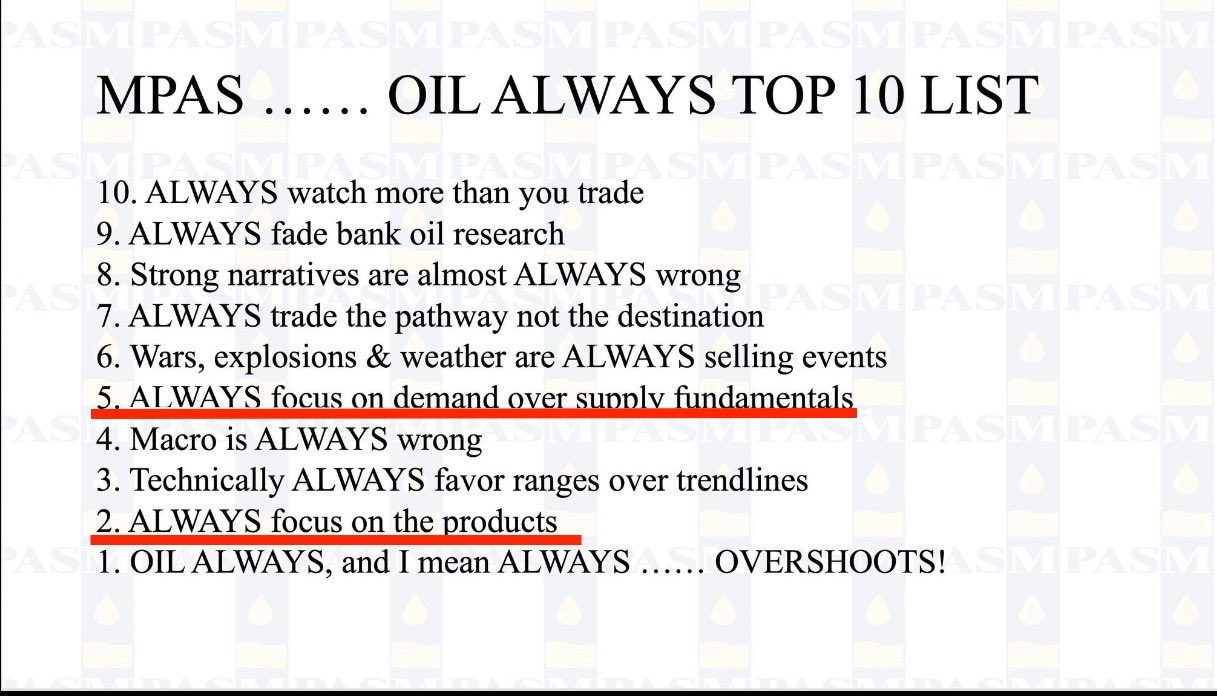
  • To the extent that price forecasts are reliable at all (see no. 9 in the image below), the degree of uncertainty for longer term forecasts is particularly high.
  • The sale has to live up to its name Big Beautiful Gulf 1 (BBG1). 😉
Read Full Post »

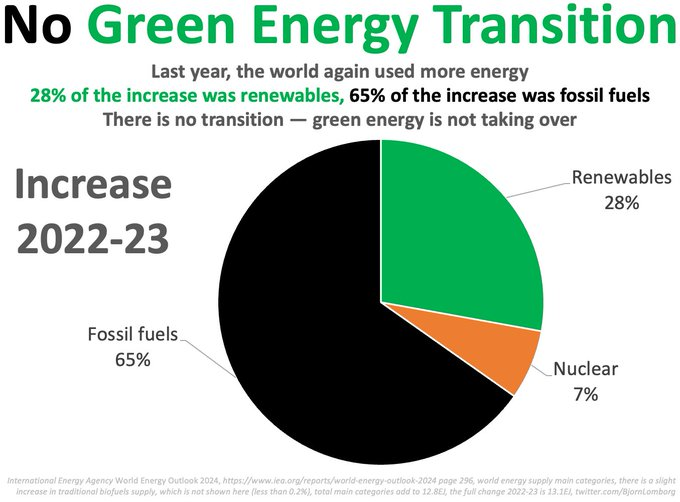
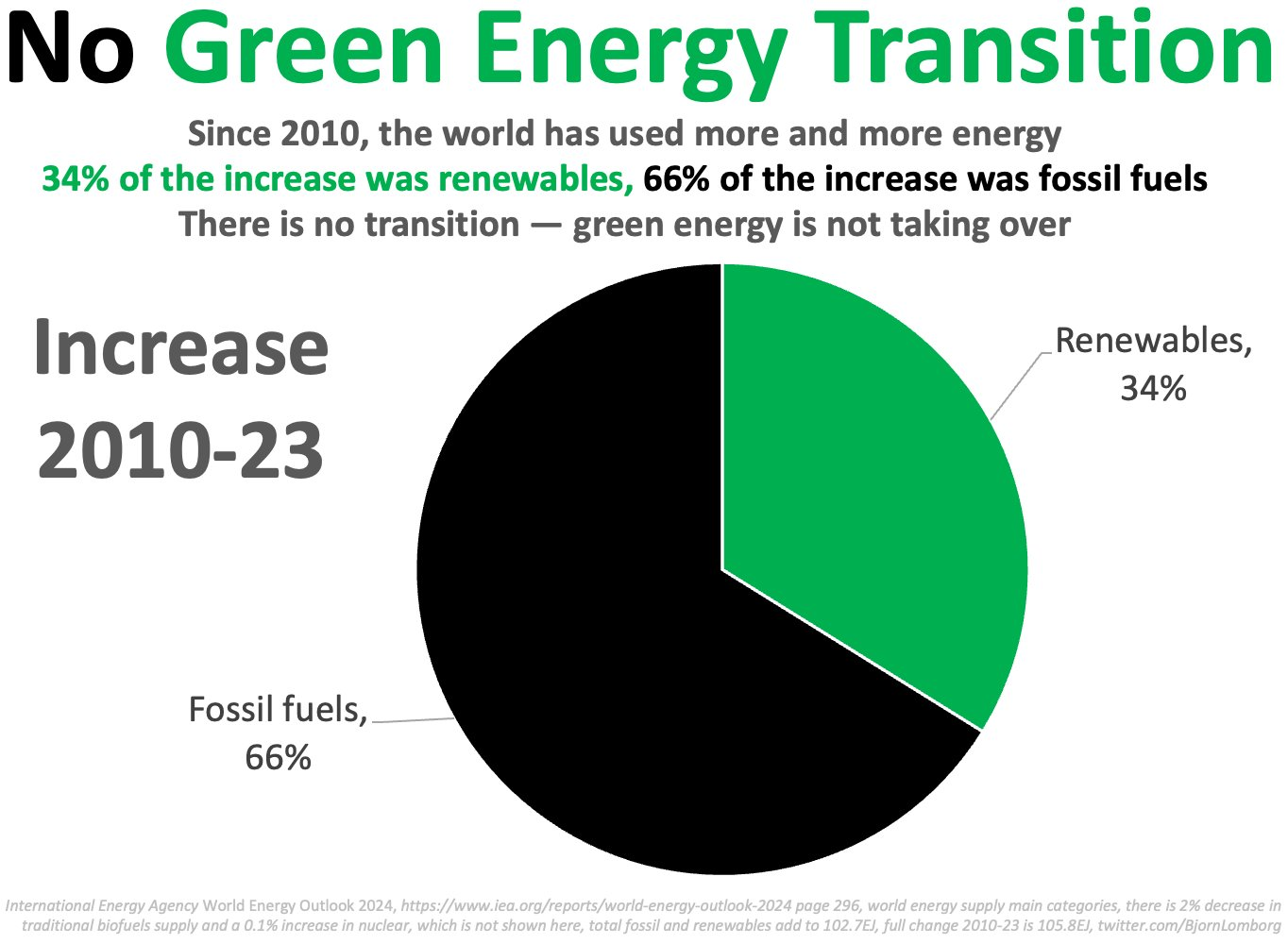
Bjorn Lomborg graphics using IEA data:

Wisdom from Dan Yergin:

The 19th century is known as the “century of coal,” but, as the technology scholar Vaclav Smil has noted, not until the beginning of the 20th century did coal actually overtake wood as the world’s No. 1 energy source. Moreover, past energy transitions have also been “energy additions”—one source atop another. Oil, discovered in 1859, did not surpass coal as the world’s primary energy source until the 1960s, yet today the world uses almost three times as much coal as it did in the ’60s.

Aissatou Sophie Gladima, the energy minister of Senegal, put it more pithily: Restricting lending for oil and gas development, she said, “is like removing the ladder and asking us to jump or fly.”

Christyan Malek, JPMorgan’s top energy strategist: That intrinsic demand that is not visible is so significant that we don’t see demand peaking – I don’t think we’ll see [oil] demand peaking in our lifetimes,” he said. “Particularly as demand growth in [emerging markets] continues to surprise the upside.” 

Alex Epstein graphic:

Read Full Post »

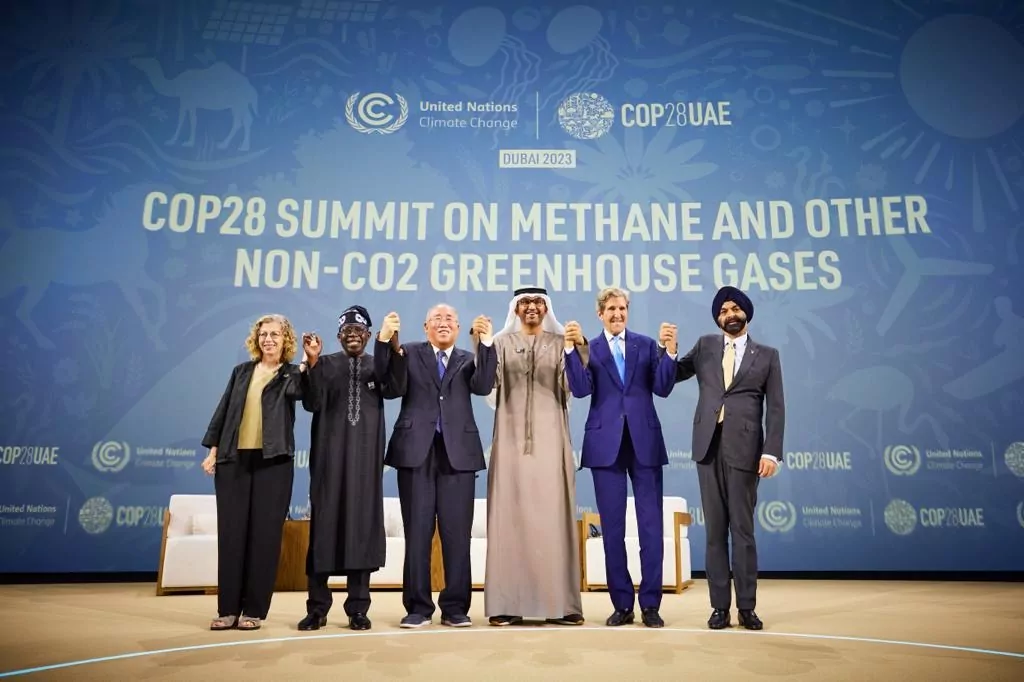
COP28:

The United Nations Climate Change Conference (COP28) closed today with an agreement that signals the “beginning of the end” of the fossil fuel era by laying the ground for a swift, just and equitable transition, underpinned by deep emissions cuts and scaled-up finance.

UN Climate Change News, 12/13/2023

Real world:

“That intrinsic demand that is not visible is so significant that we don’t see demand peaking – I don’t think we’ll see [oil] demand peaking in our lifetimes,” he said. “Particularly as demand growth in [emerging markets] continues to surprise the upside.” 

Christyan Malek, JPMorgan’s top energy strategist

The 19th century is known as the “century of coal,” but, as the technology scholar Vaclav Smil has noted, not until the beginning of the 20th century did coal actually overtake wood as the world’s No. 1 energy source. Moreover, past energy transitions have also been “energy additions”—one source atop another. Oil, discovered in 1859, did not surpass coal as the world’s primary energy source until the 1960s, yet today the world uses almost three times as much coal as it did in the ’60s.

Dan Yergin

You be the judge.

Read Full Post »

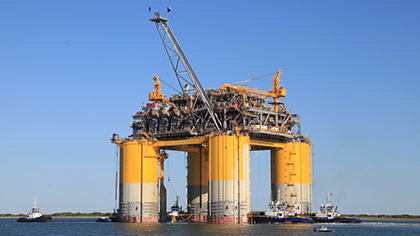
Some may not be aware that the Chinese government, through a fully owned subsidiary of the China National Offshore Oil Corp. (CNOOC), is a leaseholder in the US Gulf of Mexico. Per BOEM records, CNOOC Petroleum USA Inc currently has ownership in 12 OCS leases. Most significantly, CNOOC holds 21% interest in the Appomattox Field, operated by Shell, and a 25% working interest in Stampede, operated by Hess. Peak oil production for these projects is expected to be 175,000 bopd for Appomattox and up to 80,000 bopd for Stampede.

CNOOC acquired the Gulf of Mexico properties through its purchase of Nexen, a Canadian company, in 2013.

The state-owned Chinese oil explorer surrendered operating control of those assets to quell U.S. national security concerns, said two people familiar with the agreement who asked not to be named because the terms aren’t public.

FInancial Post

Reuters has reported that CNOOC is considering an exit from its operations in the US, Canada, and the UK because of sanctions concerns. JPMorgan is reportedly assisting with the sale of the US assets.

Stampede TLP

Read Full Post »

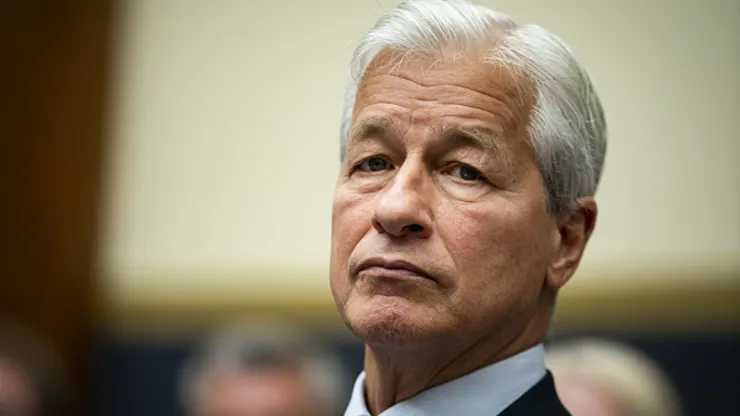
Jamie Dimon, CEO JPMorgan Chase

“In my view, America should have been pumping more oil and gas and it should have been supported,” Dimon told CNBC’s Julianna Tatelbaum at the JPM Techstars conference in London.

“We have a longer-term problem now, which is the world is not producing enough oil and gas to reduce coal, make the transition [to green energy], produce security for people,” he said.

“I would put it in the critical category. This should be treated almost as a matter of war at this point, nothing short of that,” he added.

“This is the chance to get our act together and to solidify the Western, free, democratic, capitalist, free people, free movements, freedom of speech, free religion for the next century,” he continued.

“Because if we don’t get this one right, that kind of chaos you can see around the world for the next 50 years.”

Jamie Dimon, CEO, JPMorgan Chase,

Read Full Post »

Rep. Rashiba Tlaib: “Does your bank have a policy against funding new oil and gas products?” (I assume her script said “projects,” and that she misread it. She also butchered “Celsius,” a word that should be very familiar to such a climate expert.)

Jamie Dimon: “Absolutely not and that would be the road to Hell for America.”

Read Full Post »