Feeds:
Posts
Comments

Posts Tagged ‘final rule’

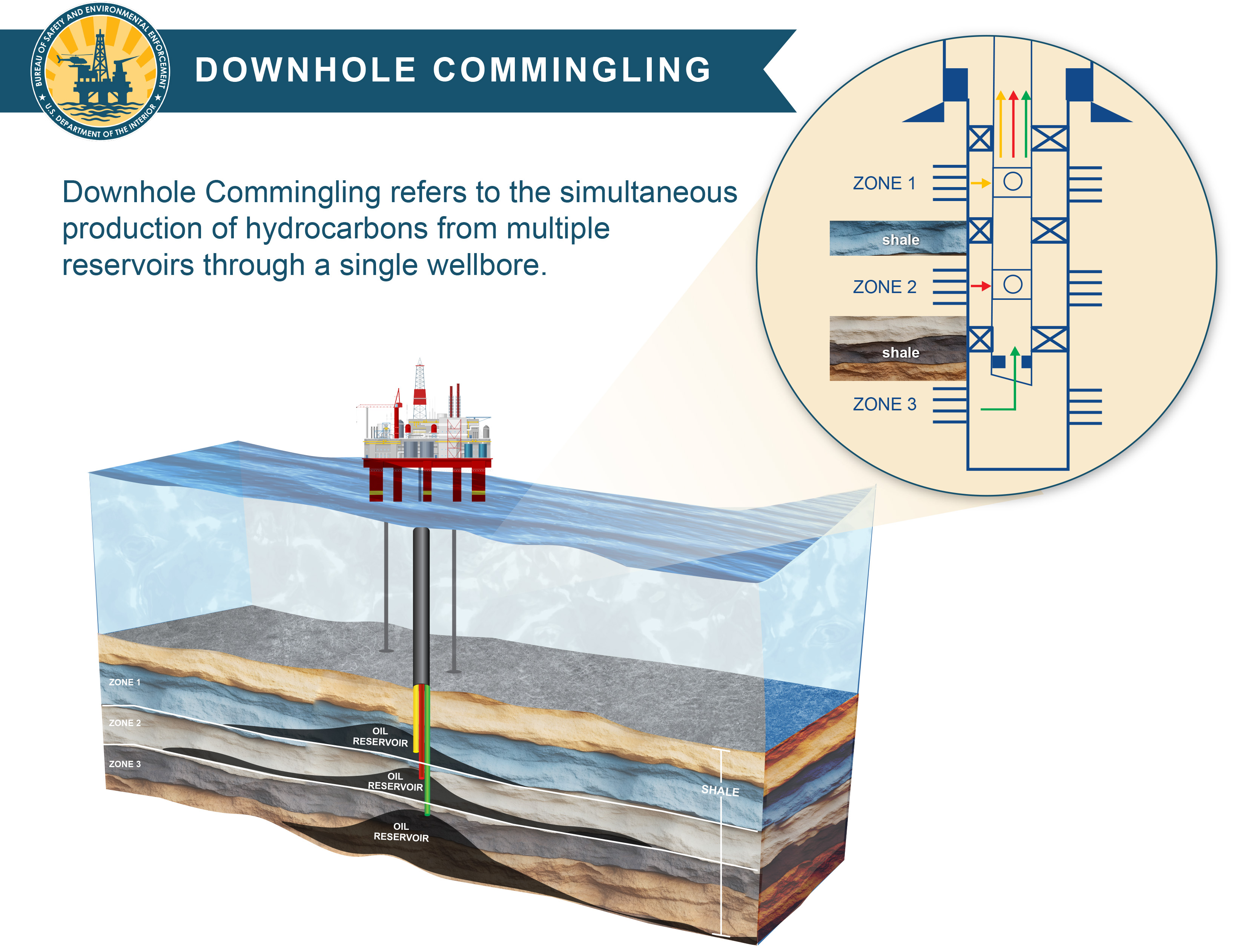
The table below captures the shorter public comments and provides links to the longer ones. They are listed in the order they were posted on Regulations.gov.

commentersummary/link
anonymousI recommend under no circumstance that we allow the onsite worker to approve the commingling of bore holes because there is extreme significant safety and environmental hazards that exist.
The best alternative is to have an environmental engineer and environmental scientist approve any commingling
Our Children’s Trust…your regulatory proposal is inconsistent with the federal law, the best available science on protecting the health and lives of children, and the legal mandate that agency decision-making does not deprive children of their fundamental constitutional rights…
E.P. DanenbergerSee BOE post
anonymousI support updating the regulations to align with the One Big Beautiful Bill Act, but I encourage BSEE to ensure that safety standards and environmental protections remain the highest priority in all commingling approvals. Clear guidance for industry compliance and transparent public reporting would also strengthen confidence in this rule.
Ananda FosterRegulations need to catch up with technology and we have not had a chance to do that yet. If you allow them on throttle access, they will destroy it. We all rely on the ocean, how can you do this to your own constituents?
APISupports direct final rule
bp AmericaSupports direct final rule

Legislatively dictating well construction, completion, or operational approvals is a redline for me, and I continue to strongly believe the downhole commingling rule should be published as a draft for public review and comment.

The only industry comments are from API and bp America. Both support the direct final rule, and I respect their position. My main quarrel is with the legislative action that put us in this position.

I have had many disagreements with API members over the years, but the dialogue has always been professional. Technical and policy disagreements are healthy for the OCS program, and I will continue to raise potential issues and concerns on this blog.

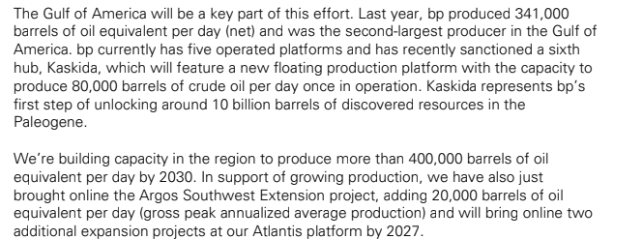
With regard to bp, I have been impressed by their commitment to the Gulf of America, as summarized in this excerpt from their comments:

Read Full Post »

The attached comments were submitted to Regulations.gov on 9/8/2025.

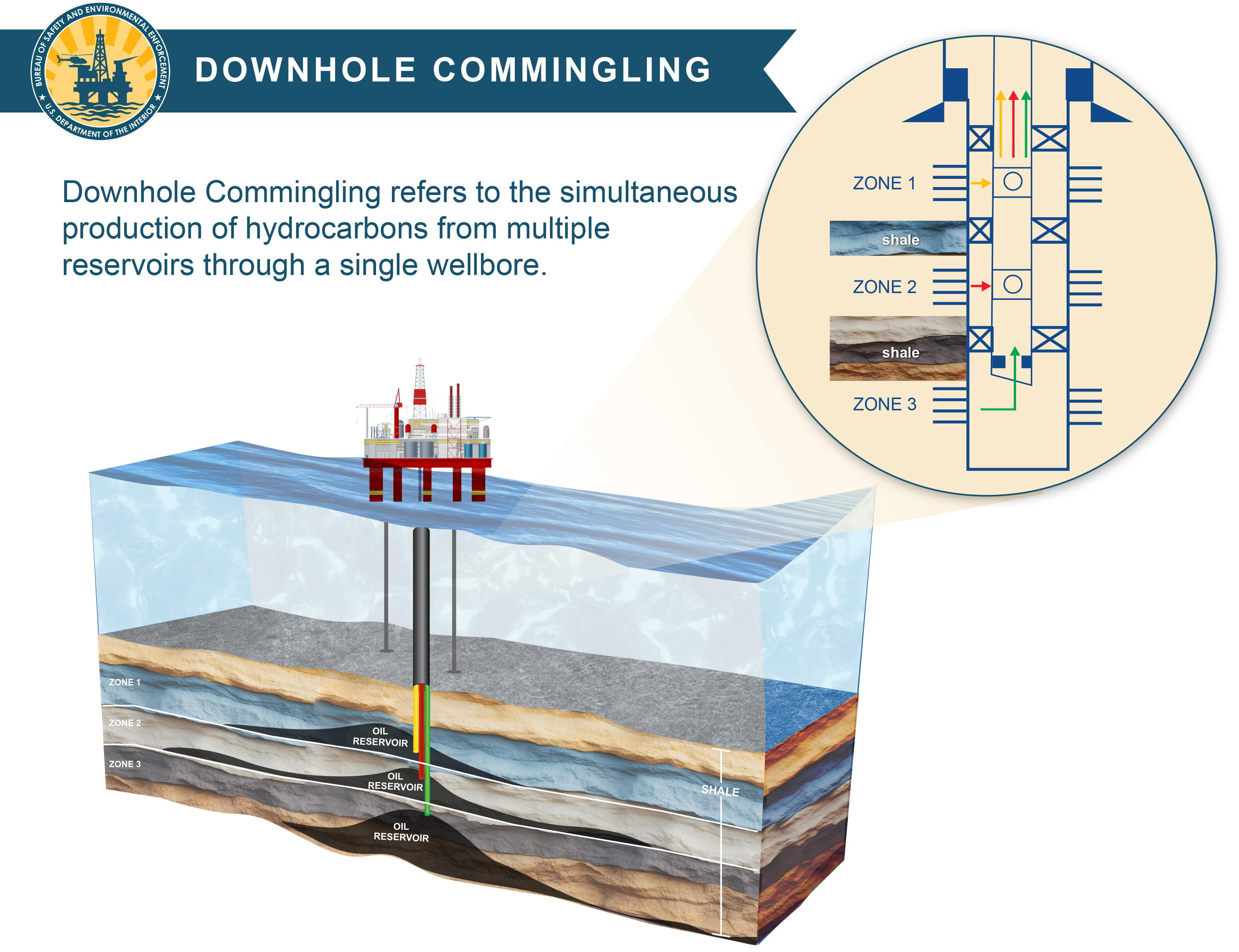
Legislatively dictating downhole commingling approvals, as per Section 50102 of the One Big Beautiful Bill, is a reckless precedent from both technical and regulatory policy standpoints. 

This type of legislative maneuver compromises the integrity of the OCS oil and gas program and the companies that participate in it. Shaving the maximum royalty rate was one thing; mandating well completion approvals is quite something else. Disappointing. ☹

Read Full Post »

Decommissioning specialist John Smith has summarized the major provisions of BOEM’s decommissioning financial assurance rule for OCS oil and gas operations. He has highlighted his comments in red.

Previous post on this final rule: “BOEM’s decommissioning financial assurance rule is arguably a step backward in protecting the public interes

Read Full Post »

The final decommissioning financial assurance rule has been published and is largely unchanged from the proposed rule that we reviewed last summer.

Major concerns:

  • Despite ample evidence regarding the importance of compliance and safety performance in determining the need for supplemental financial assurance, BOEM has dropped all consideration of these factors. Did BSEE field personnel concur with this decision?
  • Proved reserves should not be a basis for reducing supplemental assurance. The uncertainty associated with reserve estimates and decommissioning costs can easily negate the assumed buffer in BOEM’s 3 to 1 reserves to decommissioning costs ratio. That approach failed completely at the Carpinteria Field in the Santa Barbara Channel (Platforms Hogan and Houchin). See other points on this issue.
  • Given that the reverse chronological order process for determining predecessor liability was dropped from consideration last April, there is no defined procedure for issuing decommissioning orders to prior owners. The absence of such a procedure increases the likelihood of confusion, inequity, and challenges, particularly when orders are first issued to companies that owned the leases decades ago, in some cases prior to the establishment of transferor liability in the 1997 MMS “bonding rule.”

BOEM’s concern (below) about investment in US offshore exploration and production is interesting given that their 5 year leasing plan strongly implies otherwise.

BOEM’s goal for its financial assurance program continues to be the protection of the American taxpayers from exposure to financial loss associated with OCS development, while ensuring that the financial assurance program does not detrimentally affect offshore investment or position American offshore exploration and production at a competitive disadvantage

final decommissioning rule, p. 40

I’m just guessing here, but my sense is that BOEM was pressured to finalize this rule in a timely manner (<10 months is timely for such a complex rule) and was thus reluctant to make any significant changes to the proposal published last summer. A public workshop during the comment period would have been a good idea to facilitate informed discussion on the important issues addressed in this rule. Such workshops were once commonplace for major rules.

Read Full Post »