Posts Tagged ‘drilling’
Macondo spill cost estimate is now $40 billion
Posted in accidents, well control incidents, tagged accidents, blowouts, bp, Deepwater Horizon, drilling, Gulf of Mexico, macondo, offshore oil, oil spill, safety, well control on November 2, 2010| Leave a Comment »
Chevron tests point to flawed Macondo cement
Posted in accidents, well control incidents, tagged accidents, blowouts, cement, Chevron, Deepwater Horizon, drilling, Gulf of Mexico, macondo, National Commission, safety, well control on October 28, 2010| Leave a Comment »
Chevron’s report states, among other things, that its lab personnel were unable to generate stable foam cement in the laboratory using the materials provided by Halliburton and available design information regarding the slurry used at the Macondo well. Although laboratory foam stability tests cannot replicate field conditions perfectly, these data strongly suggest that the foam cement used at Macondo was unstable. This may have contributed to the blowout.
Further:
The documents provided to us by Halliburton show, among other things, that its personnel conducted at least four foam stability tests relevant to the Macondo cement slurry. The first two tests were conducted in February 2010 using different well design parameters and a slightly different slurry recipe than was finally used. Both tests indicated that this foam slurry design was unstable.
Good for Cairn Energy! Good for Greenland!
Posted in conferences, drilling, Norway, tagged Cairn Energy, drilling, Greenland, offshore oil, Phil Tracy, safety on October 27, 2010| Leave a Comment »
Upstream was in attendance at today’s Arctic Oil & Gas Conference in Oslo and posted an interesting report. At the conference, Cairn Energy’s Engineering and Operations Director Phil Tracy wisely avoided the “can’t happen here, can’t happen again, can’t happen to me” traps. Instead, he correctly noted that:
An uninformed public are looking for guarantees we cannot give.
Kudos to Mr. Tracy. We are not politicians, and must be open and honest with the public. Yes, a disaster can happen again, but we will do everything possible to prevent it. While the professional opposition and their political leadership will never be satisfied, the public at large appreciates candid and honest responses.
I was personally required to give a point by point by point submission (covering HSE) to the Greenlandic authorities. Phil Tracy
I have to give high marks to Greenland. They resisted the cry to prohibit drilling, but challenged the operator and insisted on a top-notch operation. Well done!

Cairn operation offshore Greenland. Greenpeace provides moral support.
Chi-chi-chi, le-le-le, viva Chile!
Posted in Uncategorized, tagged Chile, drilling, rescue on October 13, 2010| Leave a Comment »
 It’s nice to have a day of uplifting news for a change, and it’s drilling related!
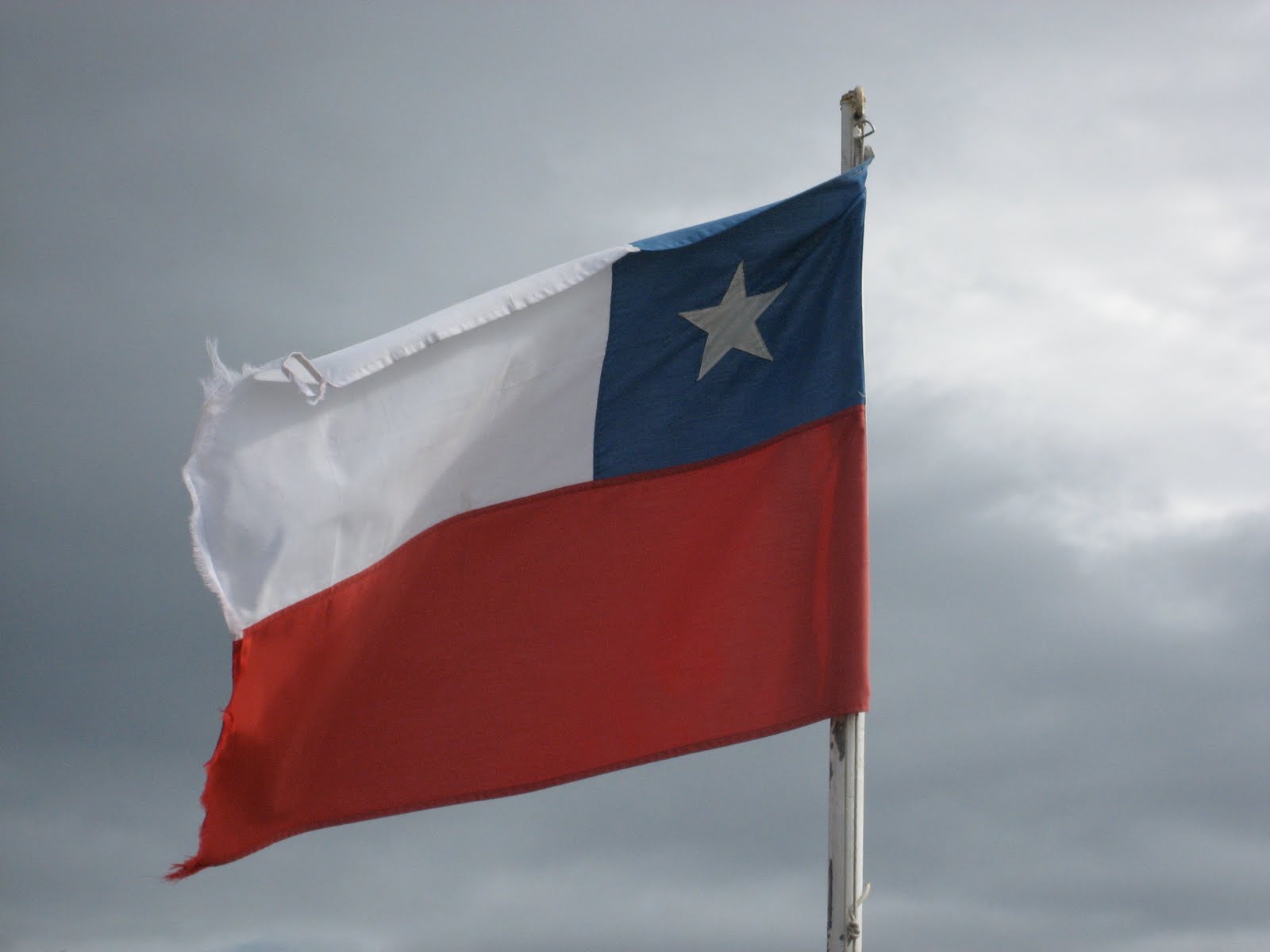
Chi-chi-chi, le-le-le, viva Chile!
Olé, Olé, Olé, Olé! Drillers to the Rescue
Posted in accidents, drilling, tagged Andrew Schmitt, Chile, drilling, Layne Christensen, miners, rescue on October 13, 2010| Leave a Comment »
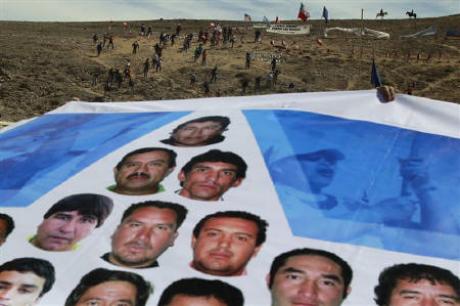
I’ve been saving this interesting comment from the CEO of the company that drilled the successful rescue well. Now that the miners are being rescued and we can smile, I’ve pasted it below 🙂
The pressure really started to build. We’re not used to drilling for people. Andrew Schmitt, CEO, Layne Christensen Co.
Here is a little information on the rescue well:
The Layne-Geotec team worked carefully, starting with a 5-inch hole dug through 2,300 feet of the hard rock until they broke through. From there, they made another pass, this time expanding it to 12 inches. Finally, with a third pass, they increased the hole to the 26 inches needed for the rescue capsule, all the while concerned about a collapse. They finished the job in 33 days, well ahead of predictions.
Comment: In the past year, we have seen the tragic consequences of a drilling operation that went awry. We have also seen the industry’s technical precision demonstrated in drilling the Macondo relief well and have watched drillers save lives in Chile. Regardless of how you feel about drilling, the intentions are good – to find and produce commodities that are in much demand (typically oil, gas, or freshwater) , and to make a return on your investment. The challenge is to minimize the safety and environmental risks associated with these operations, and to do so consistently, effectively, and efficiently.
Drilling Ban to End This Week
Posted in accidents, drilling, Offshore Energy - General, well control incidents, tagged accidents, blowouts, Deepwater Horizon, drilling, Gulf of Mexico, macondo, moratorium, safety, well control on October 12, 2010| Leave a Comment »
The White House said Tuesday the government will lift a moratorium on deep water oil drilling in the Gulf of Mexico “very soon” – likely this week. Washington Post
Too many distractions before Macondo blew?
Posted in accidents, well control incidents, tagged accidents, Australia, blowouts, BOEMRE, Coast Guard, Deepwater Horizon, drilling, Gulf of Mexico, macondo, Montara, safety, well control on October 9, 2010| Leave a Comment »
There were so many simultaneous activities — starting with the displacing of mud to the pumping of fluids overboard — it was difficult to see what was going on. John Gisclair, Sperry Sun (see Times Picayune summary of yesterday’s BOEM-Coast Guard hearing)
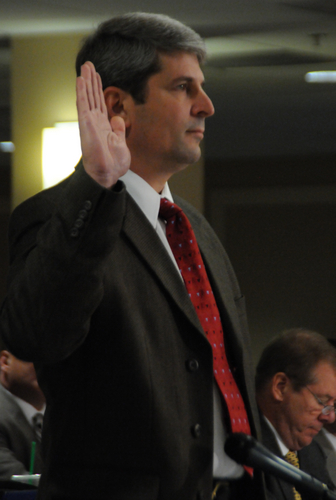
John Gisclair
Too much at once? Hurrying to finish the job? Cost concerns? No one in charge? Distracted by managers visiting the rig? One or more of these human and organizational factors appears to have contributed to the blowout.
Similarly, the rigid commitment to “batching” the development wells (for efficiency reasons) seems to have been a factor contributing to the Montara blowout in the Timor Sea. If after removing the corrosion cap on the production casing, the work on the H1 well had continued in series (i.e. casing tied-back, BOP installed, and well secured) before moving on to another well, this blowout may have been prevented.
At both Macondo and Montara, time pressures (perceived or real) may also have affected the way negative-pressure tests were conducted or assessed. These tests should have detected the influx of hydrocarbons via the shoe track.
And here is the final SEMS rule
Posted in accidents, Regulation, tagged accidents, API RP 75, BOEM, BOEMRE, drilling, Gulf of Mexico, offshore oil, production, regulations, safety, SEMS on October 7, 2010| Leave a Comment »
Safety and Environmental Management Systems
This rulemaking will incorporate in its entirety and make mandatory the AmericanPetroleum Institute’s Recommended Practice 75, Development of a Safety andEnvironmental Management Program for Offshore Operations and Facilities, with respectto operations and activities under the jurisdiction of BOEMRE. This final rule will applyto all OCS oil and gas and sulphur operations and the facilities under BOEMREjurisdiction including drilling, production, construction, well workover, well completion,well servicing, and DOI pipeline activities.
The rule will become effective on November 15, 2010.
Post-Macondo Drilling Safety Rule Posted by the Federal Register
Posted in drilling, Regulation, tagged BOEM, BOEMRE, drilling, Drilling Safety Rule, Gulf of Mexico, macondo, offshore oil, safety, well control on October 7, 2010| Leave a Comment »
The complete interim final Drilling Safety Rule is now posted on the Federal Register site. This rule was announced on 30 September along with the Safety and Environmental Management System rule. The latter rule has not yet been posted by the Federal Register.
The Drilling Safety Rule is effective immediately. With regard to comments:
While BOEMRE will not solicit comments before the effective date, BOEMRE will accept and consider public comments on this rule that are submitted within 60 days of its publication in the Federal Register. After reviewing the public comments, BOEMRE will publish a notice in the Federal Register that will respond to comments and will either:
1. confirm this rule as a final rule with no additional changes, or
2. issue a revised final rule with modifications, based on public comments.
National Commission Releases 4 Draft Staff Papers
Posted in accidents, well control incidents, tagged accidents, blowouts, Deepwater Horizon, drilling, Gulf of Mexico, macondo, National Commission, offshore oil, safety, well control on October 6, 2010| Leave a Comment »

 Bud's Offshore Energy (BOE)