Feeds:
Posts
Comments

Posts Tagged ‘BOE’

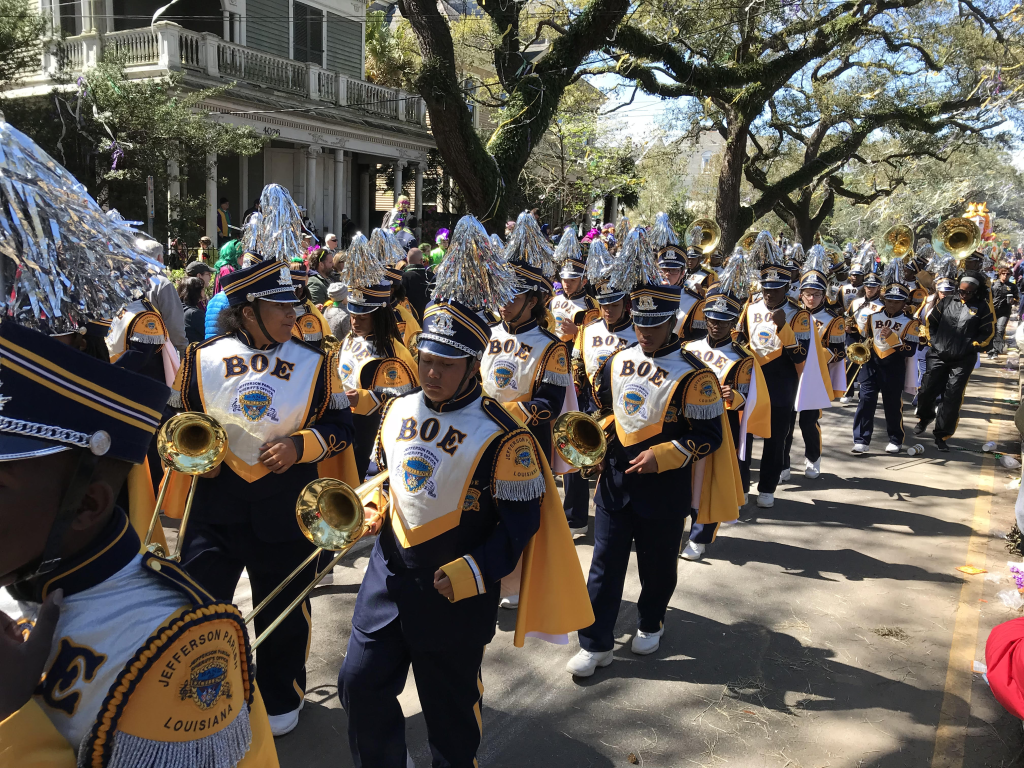
photo courtesy of Lars Herbst

While the blog deals primarily with US events and issues, international viewers are greatly appreciated. According to WordPress, the blog was viewed in over 100 countries in 2025. In terms of viewership, the top 10 after the US were (in descending order) the UK, Canada, Germany, Australia, China, the Netherlands, Singapore, Norway, India, and Italy. Thanks for stopping by!

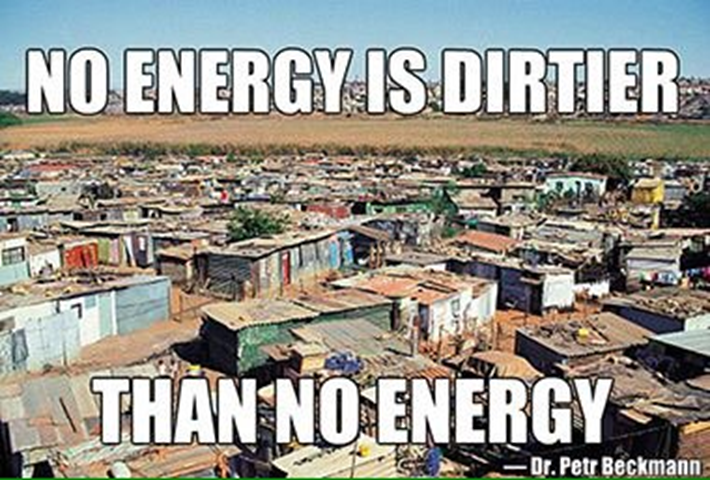
Energy drives prosperity and the opportunity for social and environmental progress. The late Petr Beckmann, an electrical engineering professor at the University of Colorado and a prominent nuclear energy advocate, reminded us:

BOE is an independent, unsponsored, ad-free blog that is dedicated to offshore safety, pollution prevention, energy production, effective regulation, and responsible energy policy.

Read Full Post »

photo courtesy of Lars Herbst

BOE an independent, unsponsored blog that is dedicated to offshore safety, pollution prevention, energy production, effective regulation, and responsible energy policy. If you would like to submit a post, leave a comment to that effect at any time.

Happy New Year! Bud

Read Full Post »

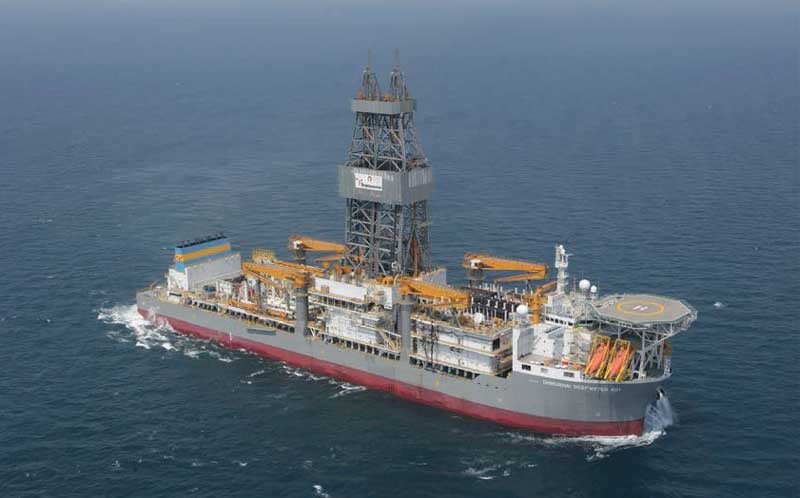
Transocean Deepwater Atlas

The drilling business, particularly the deepwater sector, has never been for the faint of heart, and the past few years have included the added stresses of COVID, negative oil prices, anemic exploration activity, and offshore leasing “pauses.” Transocean nonetheless managed to build two 8th generation drillships, the Deepwater Atlas and Titan, both of which are slated to operate in the Gulf of Mexico.

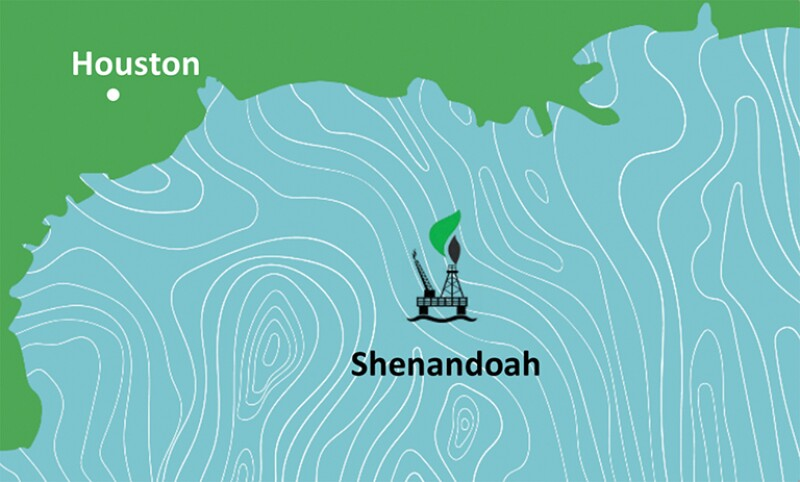
The Atlas will begin drilling for Beacon Offshore Energy (unrelated to the BOE blog 😀) in the Shenandoah field (almost heaven?😀) later this year. The Titan is expected to begin drilling for Chevron next year. The rigs will be outfitted with 20,000 psi blowout prevention equipment and will be well-equipped for the growing number of high pressure prospects in the Gulf. Here is Transocean’s promotional video for the two rigs.

Both Beacon and Chevron fared well on our Gulf of Mexico scorecard. A bit of information about Beacon (BOE):

  1. Wholly owned by funds managed by Blackstone Energy Partners.
  2. CEO Scott Gutterman was previously the CEO of LLOG.
  3. There are a number of related investment partnerships under the Beacon umbrella and they are often joint lease owners.
  4. Per BOEM data, BOE has interest in 11 Gulf of Mexico leases.
  5. The company has an excellent compliance record: 12 facility inspections (presumably all were drilling units) resulted in only 1 INC (violation).
  6. Per BSEE, Beacon had 22 well starts since 2008. (Mystery: While the Blackstone and Beacon websites indicate that the company was formed in 2016, BSEE’s online borehole file shows 10 well starts prior to that year with the exact same company name. Presumably, the borehole file data are in error because BOEM data do not show any Beacon lease interest prior to 2018.)
  7. Beacon bid on one tract in Lease Sale 257 (Nov. 2021) and was the sole bidder (sale was voided by DC Federal Court).
  8. Beacon bid on 3 tracts in Sale 256 (Nov. 2020) and was the high bidder on one.
  9. Beacon acquired interest in 2 leases in Sale 254 (March 2020), 7 in Sale 252 (March 2019), and 2 in Sale 251 (Aug. 2018)
  10. In February 2022, Blackstone reportedly advised clients that they would no longer invest in oil and gas projects. Presumably, that doesn’t affect the Beacon operations (or perhaps the folks at Blackstone have come to their senses 😀).

Read Full Post »

The folks at WordPress.com sent us a blog health report and it looks like we are doing surprisingly well:

Healthy blog!

The Blog-Health-o-Meter™ reads Wow!

WordPress.com added:

The Louvre Museum has 8.5 million visitors per year. This blog was viewed about 71,000 times in 2010. If it were an exhibit at The Louvre Museum, it would take 3 days for that many people to see it.

In 2010, there were 470 new posts, not bad for the first year! There were 412 pictures uploaded, taking up a total of 97mb. That’s about 1 pictures per day.

We did okay for an obscure blog that accepts no sponsorships, advertisements, or donations, and focuses on niche safety and regulatory issues.  Thanks for your support.

Among the many BOE contributors, special thanks go to Odd Finnestad, Colin Leach, and Malcolm Sharples. These internationally recognized experts have voluntarily provided suggestions, data, and and informed analyses. It’s a pleasure working with them and the others who have contributed, some of whom prefer to remain anonymous.

Over the past year, I have heard from many dedicated energy professionals and safety leaders.  Because of their commitment and enthusiasm, I am optimistic that we will resolve our issues and move forward in a manner that benefits the offshore industry and society.

Read Full Post »

In recognition of the earlier fall harvests to our north, Canada celebrates Thanksgiving a month ahead of the US. As a result, Canada’s Thanksgiving coincides with our Columbus Day.  So Happy Holiday to folks on both sides of the border, even if you have to work! 🙂

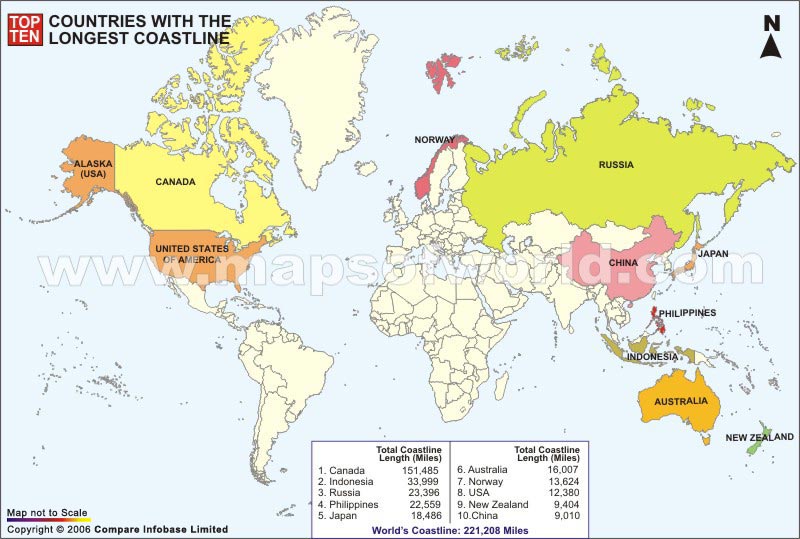
Canada, which is on our minds this week as we get ready for the big conference in Vancouver,  is especially significant to our offshore scholars because of its long coastline, by far the longest of any nation (see below and this slightly different Wiki ranking).   80% of the world’s nations have coastlines bordering an open sea, and about 1/3 of all nations have an existing or planned offshore oil and gas program.

link

Read Full Post »

We have commented frequently about the similarities between the Montara and Macondo blowouts, particularly the root cause casing shoe issues. In this post, Colin Leach draws attention to the float shoe and collar issues that permitted oil and gas to enter both wells. Click here to view the full post.

The Bly report (page 70) noted some significant “inconsistencies” in the operation of the float shoe/float collar (see full post). This is so similar in nature to the “inconsistencies” in the 9 5/8″ cement job on the Montara well to be scary. The bottom line is that both disasters could have been prevented if these “inconsistencies” had been recognized and additional barriers placed above the float collar. In fact even if there are no “inconsistencies”, the placing of an additional barrier or so seems like an exceptionally prudent step, which would not take that much time or effort.

Read Full Post »

As previously posted (July 27, 2010), deep water had little to do with the well integrity problems and other contributing factors leading to the Macondo blowout. The Bly (BP) report further confirms this position.

Of the eight key findings in the Bly report (listed below), only number 4 could be considered to be more of a deepwater issue.  The BOP failures may also have been influenced by deepwater factors.  However, as previously noted, surface BOPs have a much higher failure rate than subsea stacks.

While the Montara blowout was in relatively shallow water, slight variations of findings 1 through 4 were the primary causes of that accident.

BP findings:

  1. The annulus cement barrier did not isolate the hydrocarbons.
  2. The shoe track barriers did not isolate the hydrocarbons.
  3. The negative-pressure test was accepted although well integrity had not been established.
  4. Influx was not recognized until hydrocarbons were in the riser.
  5. Well control response actions failed to regain control of the well.
  6. Diversion to the mud gas separator resulted in gas venting onto the rig.
  7. The fire and gas system did not prevent hydrocarbon ignition.
  8. The BOP emergency mode did not seal the well.

Read Full Post »

BOE has previously commented that completion of the Macondo relief well appeared to be unnecessary, and and that the intercept adds additional risk to the plugging and abandonment operation.  Pasted below are disconcerting Unified Command and BP statements about the intercept followed by BOE comments:

I have stated over and over again, let me be perfectly clear. I am the National Incident Commander. I issue the orders. This will not be done until we complete the bottom kill. Admiral Allen, 5 August 2010

Comment: While I believe Admiral Allen has performed well in the difficult and thankless job of incident commander (as did Admiral Landry before him) and wanted to make it clear that the government was in charge of this operation, this strong statement appears to have painted the Unified Command into a corner.

… in response to BP’s request to consider foregoing the relief well, the government scientific technical team has determined that the benefits of the bottom kill procedure outweighs the risks. (14 August letter from Admiral Allen to BP)

Comment: Reading between the lines, we assume that at least some BP engineers favored foregoing the relief well intercept, and wanted to proceed with a conventional plugging and abandonment operation.  Was their proposal given serious consideration?  How could it have been given the Admiral’s prior statements about completing the relief well?

We are currently working with BP engineers and our science team to look at test results and do investigations to lead us to the best way to mitigate any risk of intercepting the annulus and increasing the pressure in the annulus. Admiral Allen, 16 August

Comment: Much attention continues to be focused on mitigating the risks of an operation that appears to be unnecessary.

There are several reasons for the relief well to be completed, including demonstrating that the difficult procedure can be done, providing more scientific data about the leak and giving closure to an oil-weary public. BP CEO Bob Dudley, 29 August

Comments: This BP statement seems to contradict their prior request to forgo completion of the relief well.  With regard to Mr. Dudley’s rationale for completing the relief well, I’ll offer the following:

  1. If BP believes they need to demonstrate relief well intercept capability (not necessary in my view), they should drill into one of the thousands of depleted wells in the Gulf, not Macondo.
  2. This is not a risk-free science project.  Are the risks and delays justified?
  3. The “oil-weary public” needs an offshore industry that is committed to safety and pollution prevention, not symbolic gestures.

And in order to speed the process up, but also ensure that we had the right pressure controls on the well, I’ve signed a directive out to BP earlier this morning, directing them to take a series of measurements on the well head that would allow us to ascertain whether or not the seal in the ring – in the casing hanger were in place and had not lifted and, if that was the case, then to be able to put what we call a sleeve over the top of it that would basically walk that down to the point where it could withstand over one million pounds of pressure and would obviate the need to be able to cement the annulus at the top.

And subject to BP providing me the plans and the results of those tests, that would allow us to go ahead and proceed more quickly without having to cement the top of the annulus.  And based on a revised schedule from BP, we might be able to accelerate going ahead and finishing out the relief well. Admiral Allen, 10 September

Comment: Let me get this straight.  They are going to put off the cementing of the annulus, which will have to be done anyway and would provide a barrier should something go wrong with the intercept, so they can conduct tests (that would be unnecessary if they first cemented the annulus) for the purpose of expediting completion of the long-delayed relief well? Huh?

Read Full Post »
BOE has received unconfirmed reports that BP’s internal investigation into the causes of the Macondo blowout will be released on Wednesday (8 September) in Washington, DC.  The investigation team of more than 70 engineers and other staff has been headed by Mark Bly, BP’s Group VP for Safety and Operations.  Stay tuned!

Read Full Post »

Click for an excellent summary of what may have gone wrong at Macondo and what can be done to prevent future incidents.

While there are no new details on the causes of the blowout, available information on the possible contributing factors is nicely summarized.  The presentation also includes a very good summary of risk management considerations.

Barriers against accidents are not only technical and operational and “physical” but are also non-physical built around strategic and organizational measures and decisions

During the Montara hearings and later in Macondo discussions, we raised concerns about the timing of the production casing pressure test. This issue has not received enough attention in our view, possibly because most of the Macondo focus has been on annulus flow and barriers.  It was good to see this comment in the presentation:

Pressure tested well far too early – could have blown out cement of shoe track

Read Full Post »

Older Posts »