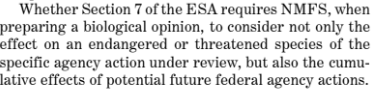
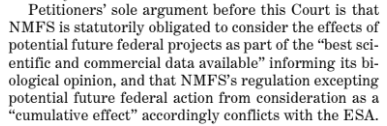
The response by the Nantucket group’s attorneys is attached. Key excerpt:
“NMFS absurdly argues that agency officials, in preparing a biological opinion for a project, must ignore information about impacts on endangered species from other offshore wind turbine projects that are planned and in various stages of development and governmental review. Perhaps even more bizarrely, NMFS contends that, in preparing a biological opinion for a project, it must consider the cumulative impacts of planned state and local projects but ignore the impacts of planned federal projects.“
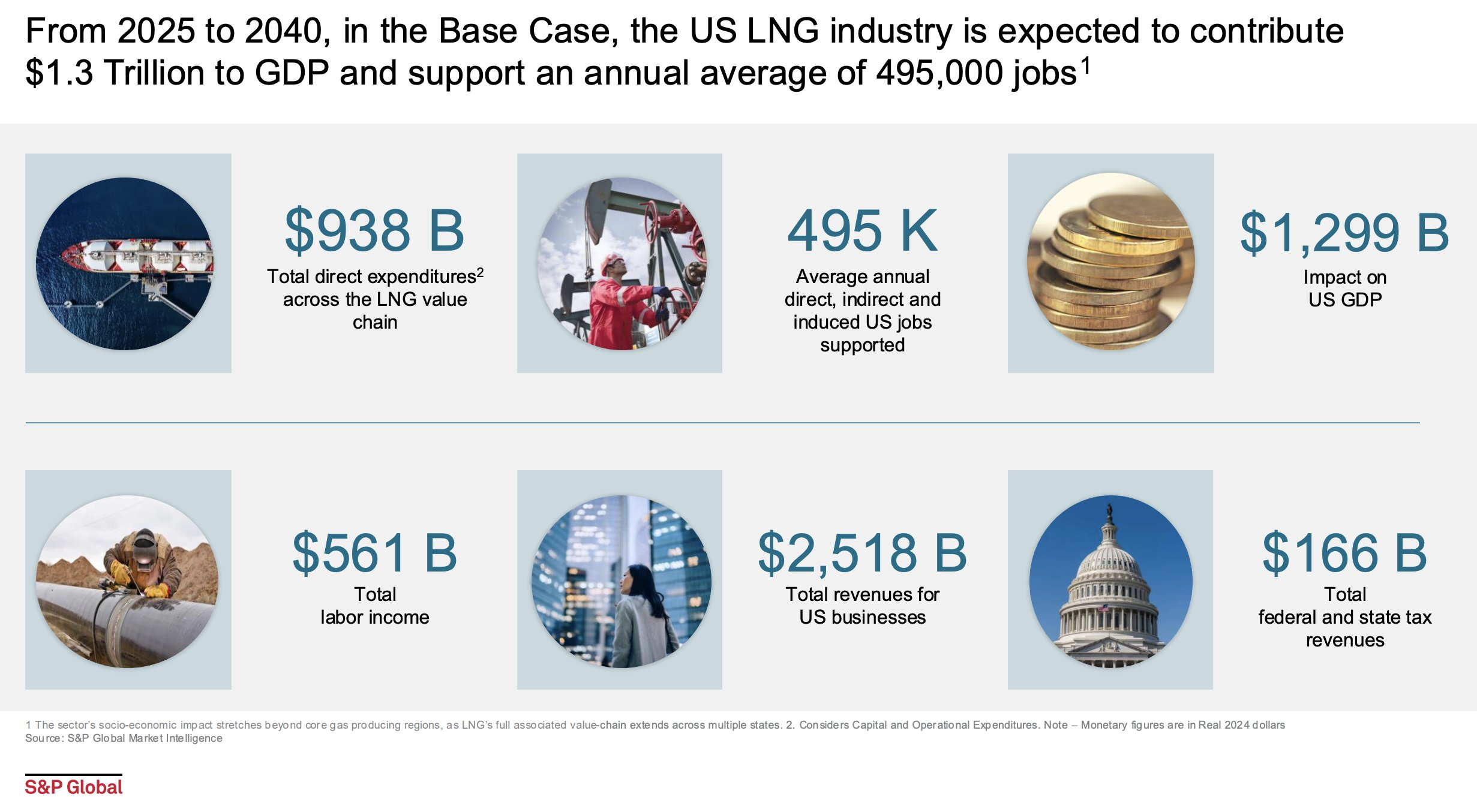
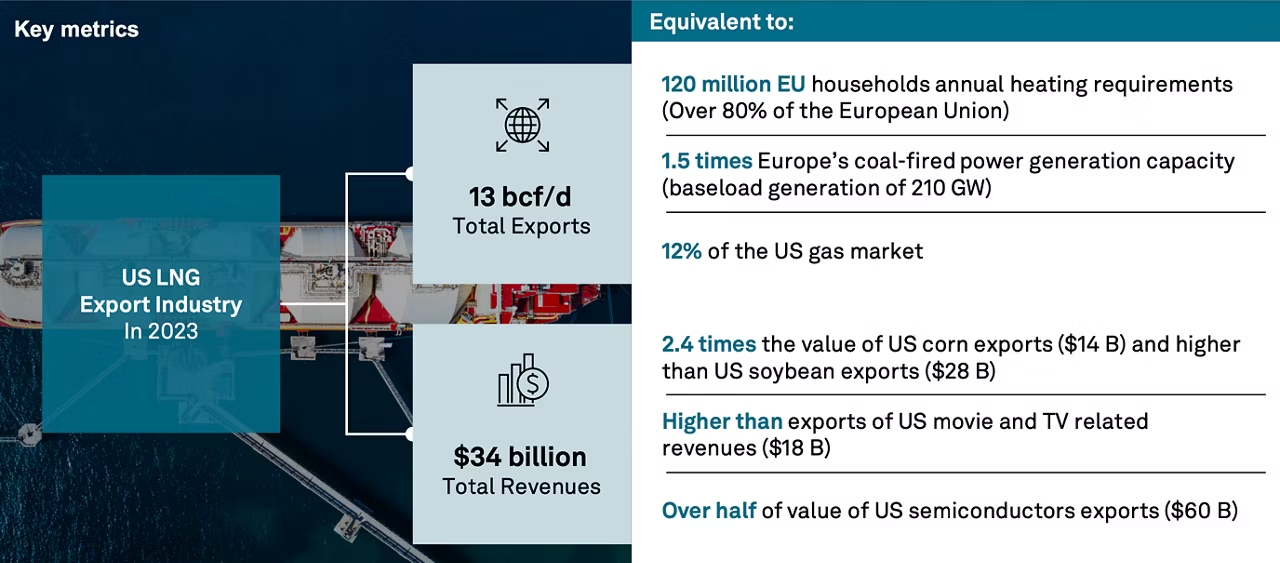
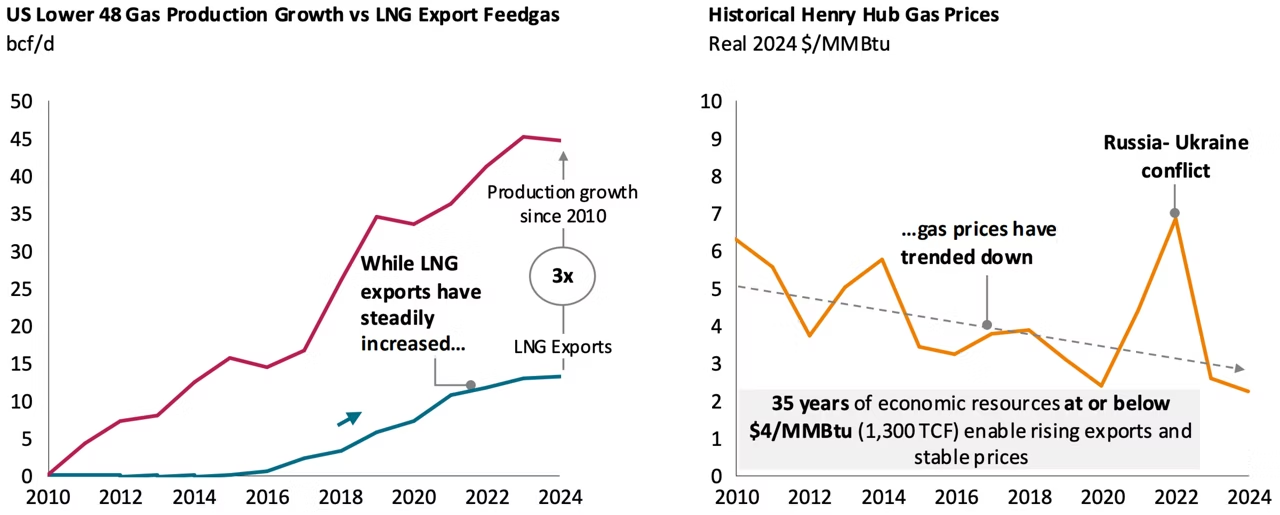
This important S&P Global study is particularly breathtaking for those of us who remember when Gulf of Mexico LNG import facilities were in the advanced planning stages. The shale gas pioneers completely reversed the scenario!
“The LNG industry is critical to serving the world’s energy needs and has rapidly become an integral contributor to the US economy.”
Let’s not repeat the harmful pause in the construction of LNG export facilities. Per S&P Global:
“The impact of an ‘extended halt’ in new US LNG development due to legal and regulatory risks is striking. In this scenario, more than $250 billion in lost contribution to GDP and an average of >100,000 US jobs are at risk. Gas price savings in an ‘extended halt’ are minimal for domestic consumers, with less than 1% gas cost impact per household. Furthermore, 85% of the energy gap from lost US LNG is expected to be filled by fossil fuels from non-US sources.”
With the collapse of Bundeskanzler Scholz’s governing coalition, elections set for 23 Feb, and the Alternative für Deutschland (AfD) party gaining support, perhaps there is a chance for more rational German energy policy.
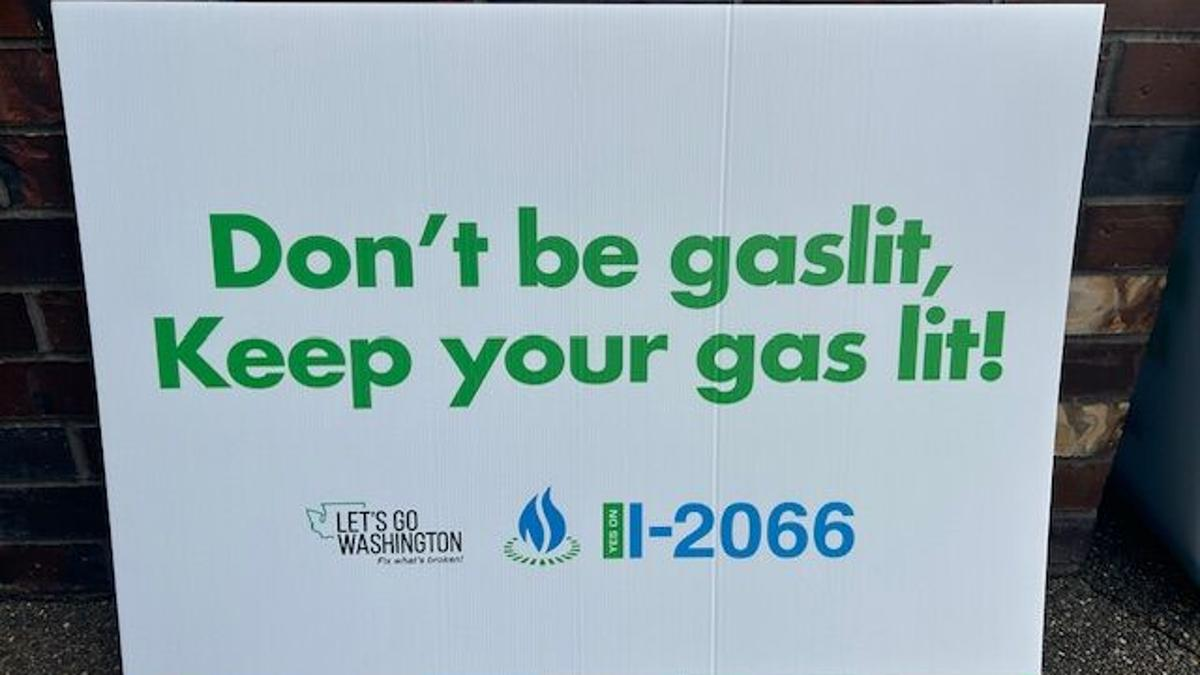
Seattle Times: “Don’t block the will of voters on natural gas”
“Nearly 2 million residents voted to approve Initiative 2066, which aims to protect the use of natural gas as an energy source in state law and within Washington’s building codes. This month, climate advocates, joined by King County and the City of Seattle, filed suit in court to block the will of those voters.“
“While the courts will have final say, Gov. Jay Inslee and Democratic legislative leaders support killing off what they see as a misguided and overly broad initiative. Their view brushes aside the concerns of the majority of state voters. Those leaders fail to see a genuine fear that, during the clean energy transition, the fundamental supply of energy to homes and businesses — the basic ability to stay warm, cook food and bathe — is under threat.”
Kudos to the Seattle Times for their common sense editorial. In addition to noting the economic and social necessity of natural gas, it would have been nice if the editorial board had also acknowledged natural gas’s environmental benefits. However, that would have probably been a bridge too far in Seattle.
The reasons for transitioning to natural gas are arguably clearer and better substantiated than the reasons for transitioning from natural gas.
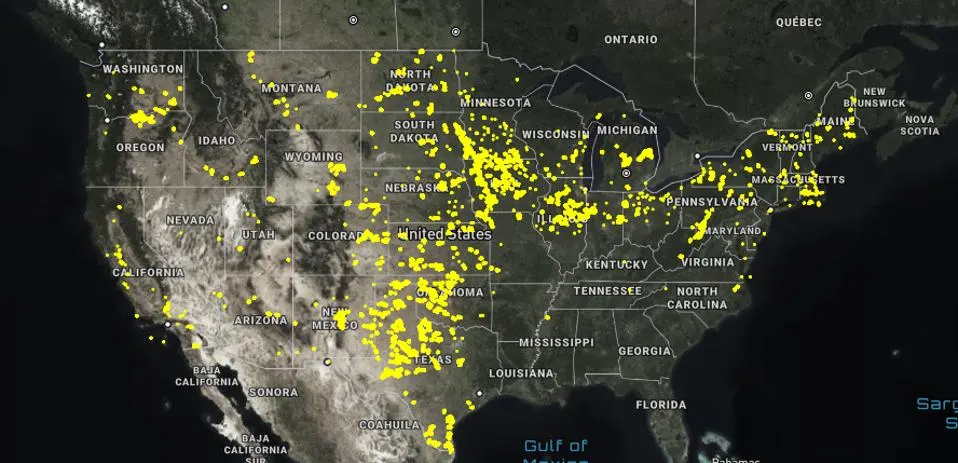
Forbes (USGS map of active wind turbines): “The U.S. Wind Turbine Database contains more than74,695 wind turbines built since 1980, spread between 1,699 wind power projects in 45 states. However, thousands of wind turbines are reaching the end of their operational lifespan and need to be either repowered to make way for updated (often larger) turbines or entirely decommissioned to allow for new uses of the land they occupy. Unfortunately, there is no uniform legal framework to regulate the steps involved, nor is there an accepted industry-wide set of best practices, and the environmental costs are considerable.”
Forbes: “As is often the case when new technologies come to market, unintended downstream consequences are not always immediately obvious to the players. Enthusiasm for clean energy initially pushed the first wind turbines into existence in the U.S. without considering the environmental and monetary costs that would be involved in either upgrading or bringing projects to a close later in their life cycle. “
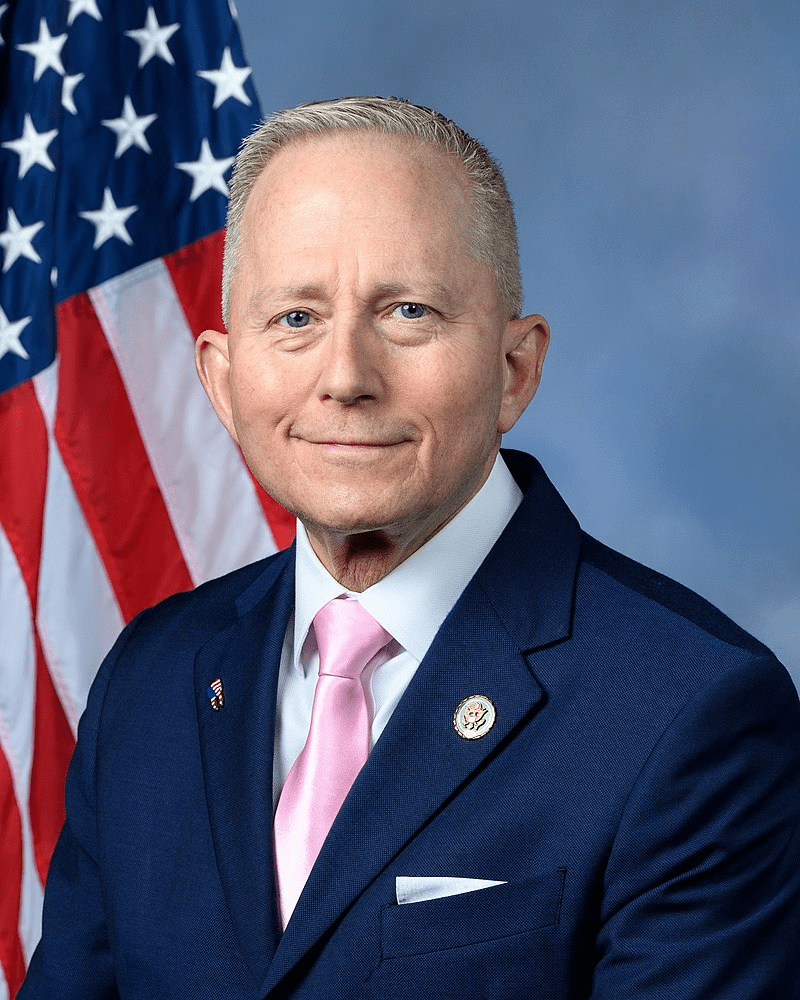
From the Protect Our Coast – NJ Facebook page: “During his interview with Radio Host Dom Giordano on Monday, December 23, NJ Congressman Jeff VanDrew (pictured), stated an executive order, to be signed by President Trump on January 20, 2025 will place a 6 months pause on further construction of Offshore Wind Turbines while our new administration reviews all aspects of these highly controversial structures in our ocean.“
We’ll see what transpires, and if this post is accurate, await clarification and reactions.
The petitioners’ “sole argument” is rather compelling to this non-attorney. Given that multiple offshore wind projects are planned for Right whale habitat, how do you fulfill your endangered species responsibilities by only considering the first project (I.e. Vineyard Wind 1)?
(In light of Vineyard Wind’s performance to date, one could also argue that the Right whale is jeopardized by the Vineyard Wind project alone.)
Per a provision in the “Inflation Reduction Act,” no offshore wind leases may be issued after 12/20/2024, the one year anniversary of the last oil and gas lease sale (no. 261).
Although the 4 leases receiving bids at the most recent wind sale (10/29/2024, Gulf of Maine) have presumably been issued, BOEM’s lease table does not reflect that. If those leases have not been issued, it’s too late now.
Assuming that the Gulf of Maine leases have in fact already been issued, the legislative restriction on issuing new leases should not be an issue. A qualifying oil and gas lease sale will likely be held in the Gulf of Mexico in the first half of 2025.
The bigger question is whether the new administration will hold any wind lease sales. Pre-election energy policy comments imply that new wind sales are unlikely.
33 years before Elon and Vivek’s DOGE, there was the Clinton-Gore Government efficiency initiative known as the National Performance Review, aka the National Partnership for Reinventing Government (NPR).
President Clinton (March 3, 1992): “Our goal is to make the entire federal government less expensive and more efficient, and to change the culture of our national bureaucracy away from complacency and entitlement toward initiative and empowerment.”
Al Gore led this effort with gusto. While not revolutionary, the NPR was quite successful in streamlining government programs. VP Gore presented symbolic and prestigious “Hammer Awards” (image above) to initiatives that were judged to have accomplished the NPR objectives:
put customers first
cut red tape
empower employees
get back to basics
My Division in the Minerals Management was one of the few government offices to be honored with two hammers. Kudos to Bill Hauser and Kumkum Ray for leading these two efforts:
reducing the pressure test frequency for blowout preventers after completing a detailed statistical analysis demonstrating that there would be no increase in failure risk.
simplifying the operating regulations and rewriting the text in plain, easy-to-understand English.
Who would have thought Al Gore, Elon Musk, and Vivek Ramaswamy had so much in common? 😉
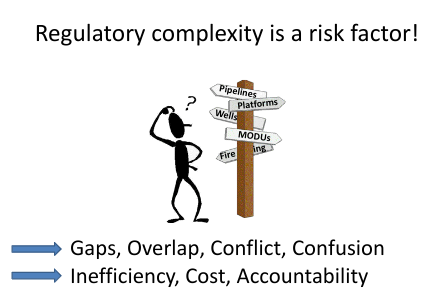
Addressing regulatory fragmentation will improve efficiency and lower costs for industry and government while reducing safety and environmental risks.
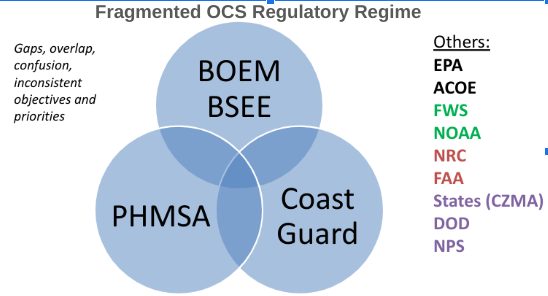
Unfortunately, the regulatory regime for US offshore oil and gas operations is noteworthy for redundancy, uncertainty, and complexity that divert industry and governmental attention from safety and environmental protection objectives to administrative processes, interpretations, and jurisdictional boundaries.
“Poster Child”for regulatory fragmentation?
The 12 Federal entities that have some OCS regulatory responsibilities are identified in the above chart. The organizations with core regulatory roles are included in the overlapping circles. The responsibilities of BOEM and BSEE are so inextricably intertwined that those bureaus occupy the same circle.
Coastal states also have OCS regulatory roles through authority granted in the Coastal Zone Management Act.
When multiple agencies have jurisdiction over a facility, system, or procedure, the redundancy inevitably results in inconsistency, ambiguity, and gaps in oversight. The focus of operating companies and contractors is diverted from safety and risk management to understanding and satisfying the regulators. The inevitable result is a compliance mentality that weakens the safety culture.
Interagency agreements in the form of MOUs and MOAs, which are ostensibly for the purpose of managing redundancy, are often unclear or inconclusive. They tend to be more for the benefit of the agencies than the regulated industry. The interests of the regulators and protecting turf are paramount.
Where legislation is not required (e.g. BOEM and BSEE), use executive orders to combine and streamline the regulatory functions.
Where agencies have separate legislative authority, establish a lead regulator by executive order pending corrective legislation. Under the EO, the agencies would function as a joint authority under the direction of the lead regulator.
A combined BOEM/BSEE would be the logical choice for leading the joint authority given that OCS energy is their sole focus and they are accountable for the success of OCS programs.
Use a management system regulatory approach that holistically considers all of the legislatively enacted regulatory objectives.
Increase the attention given to regulator and operator performance in terms of both outcomes and efficiency.
Reduce and simplify permitting requirements for operating companies that have demonstrated outstanding safety and environmental performance over a sustained period.



 Bud's Offshore Energy (BOE)