UAE Energy Minister Suhail al-Mazrouei has most definitely not forgotten:
“I think in COP 26 all the producers felt they were uninvited and unwanted but now we are again superheroes, it’s not going to work like that,” he said.
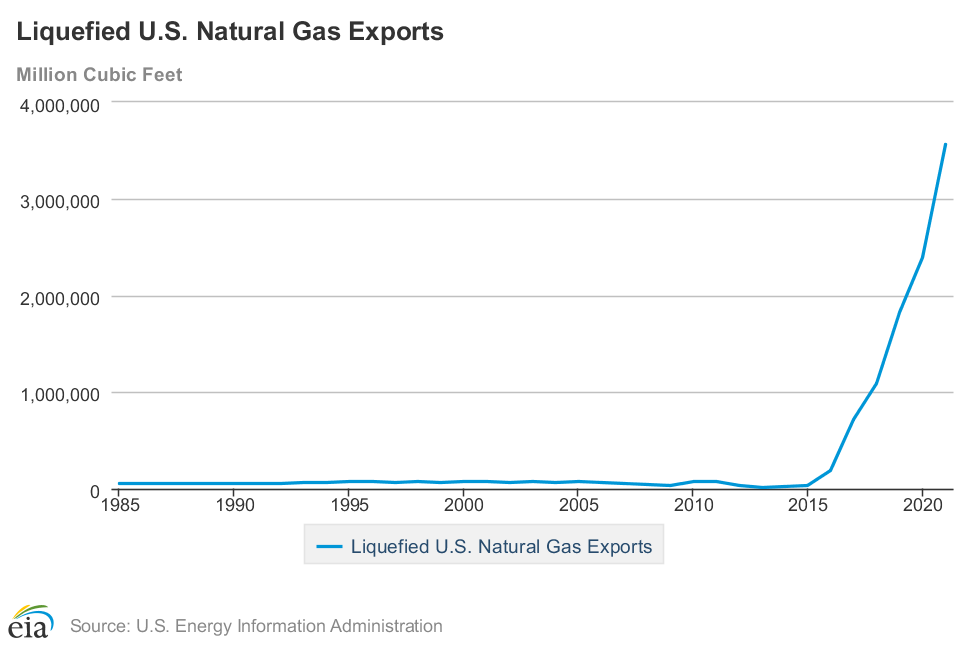
Technological advances, most notably horizontal drilling and hydraulic fracturing, and private initiative on private land changed all of that.
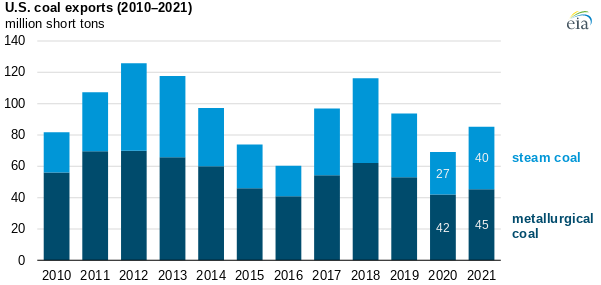
“The US is going to emerge this year as the world’s largest LNG exporter, and it is clear that US LNG is a geopolitical asset for the United States and for Europe.”
Below and linked is the most recent C-NLOPB incident posting:
Timely
Front page
Advises about any casualties or pollution (none in this case)
Briefly describes incident without speculating on causes
Informs about next steps
Well done
INCIDENT DISCLOSURE 2022
NEAR MISS ON THE HIBERNIA PLATFORM
March 25, 2022
Hibernia Management and Development Company (HMDC) has reported that on March 20, 2022 a crane on the Hibernia Platform was lifting a mini container when it made contact with a scaffold hoarding. There were three people working inside the hoarding at the time of contact. No one was injured and there was no damage to the scaffold hoarding.
West pedestal crane operations were halted and HMDC has initiated an investigation to determine the potential classification of the incident.
C-NLOPB Safety Officers were already scheduled to travel to the Hibernia Platform in the coming days and will follow up with HMDC to review this incident and the near miss that occurred on March 15.
The C-NLOPB is also monitoring HMDC’s investigations of these incidents.
Tiå går og di seie tiå lege adle sår Men ein mista bror e sår som aldri gror Kanskje vil dårr gå vinter og vår Sei oss klart kor dokker står Håpte på at han sko komma At han sko komma hjem igjen
Time is gone, they said; time would heal all wounds But to lose a brother is a wound that will never heal It could take as long as the never-ending winter and spring [i.e., never] I hope that he should come That he should come home again
“I am deeply honored to join the Interior Department and continue my public service career on behalf of the American people. I’ve dedicated my life to keeping the public safe, and I look forward to continuing that service alongside the Bureau of Safety and Environmental Enforcement’s incredible career employees,” said Director Sligh.
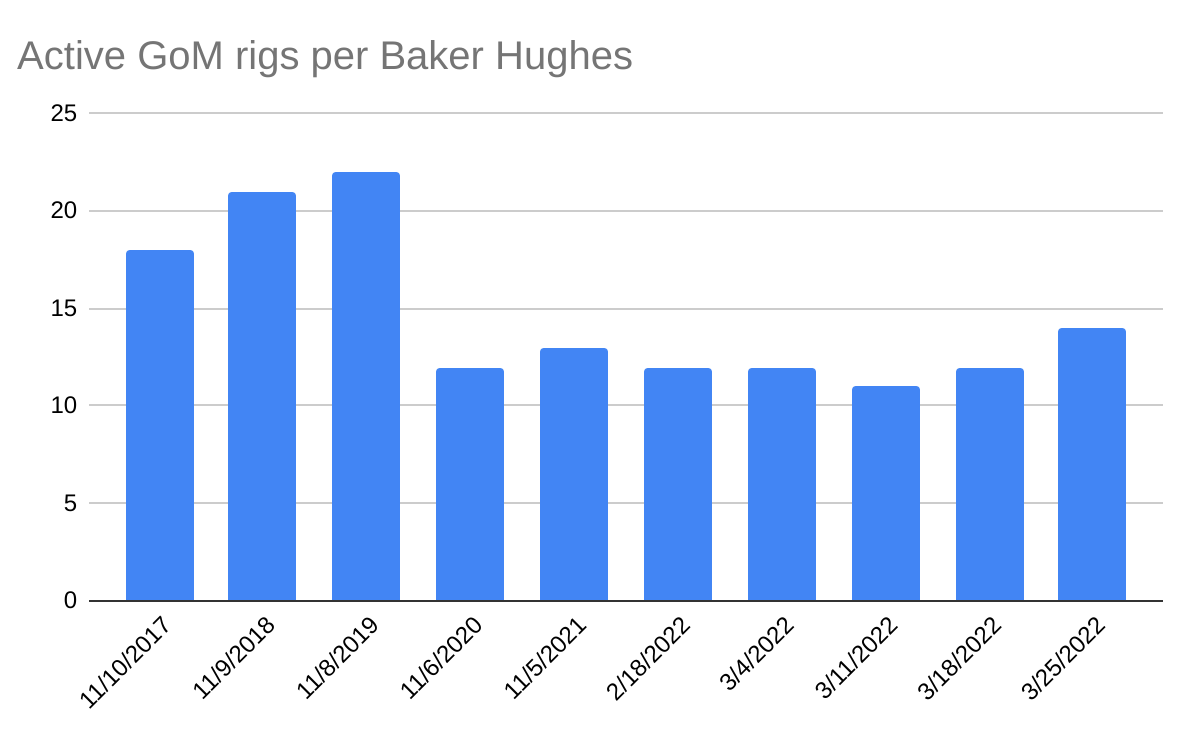
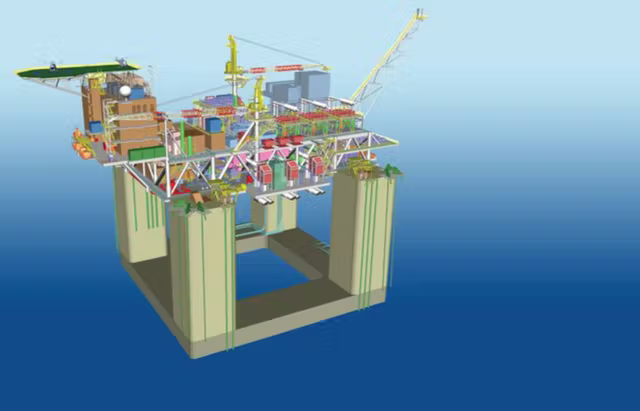
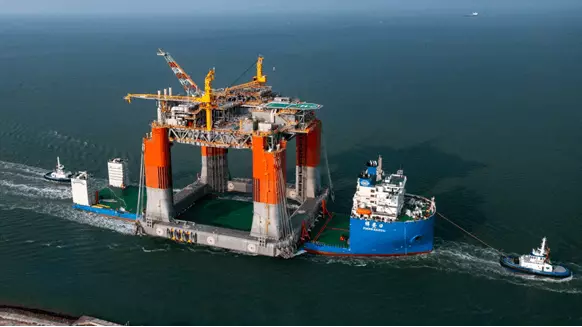
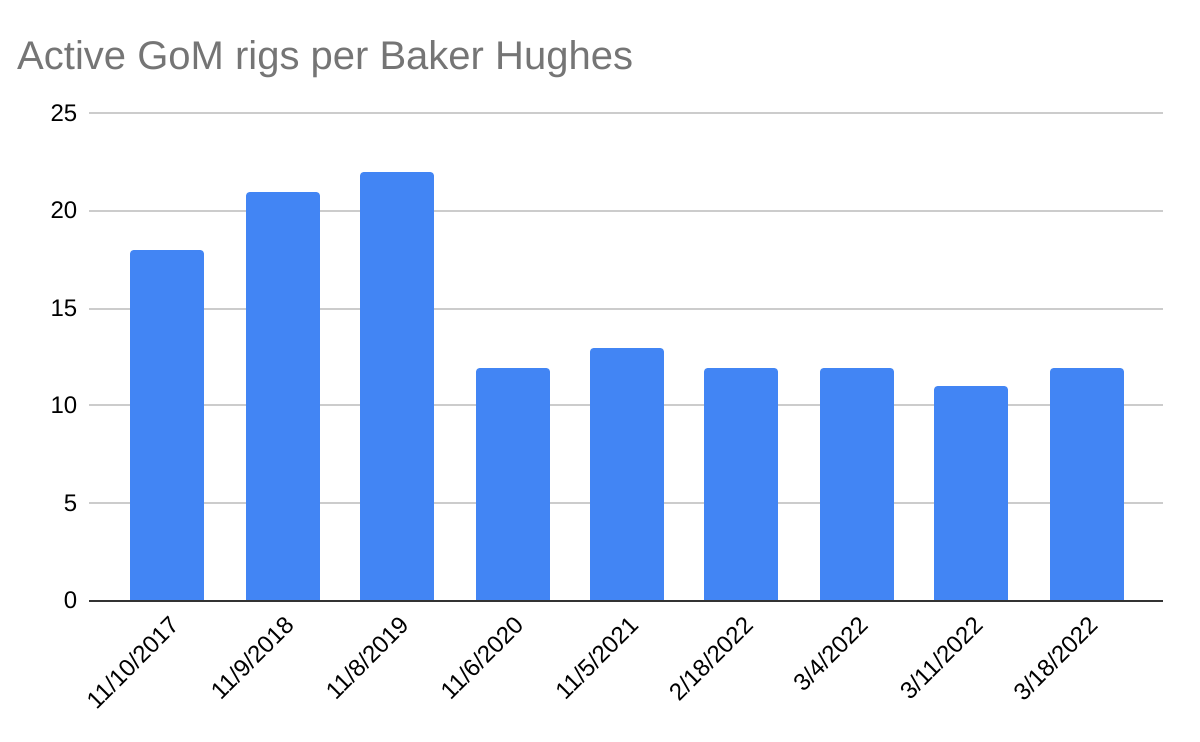
After a several year lag in deepwater Gulf of Mexico development, a new generation of projects is moving toward first production. Shell’s Vito and Whale, BP’s Argos, Chevron’s Anchor, and Murphy’s King’s Quay are similar in many ways including the following:
Floating production units
Lighter, smaller semisubmersible designs
Excellent structural integrity and storm performance characteristics
Lower project costs, shorter cycle times
4000 to 8600′ water depth
Subsea wells, small surface footprint
High production rates anticipated: 100,000 – 150,000 BOE/D
Standardized equipment
Energy efficient gas turbines
Advanced remote monitoring, fewer onboard staff
Simpler = safer (assuming equivalent well and production safety system integrity)
Limited number of wells + high production rates/well + efficient power generation and processing equipment + restricted flaring + pipeline transportation = low GHG intensity production
The International Regulators’ Forum (IRF) does a good job of compiling safety performance data for offshore oil and gas operations in member countries. Because these data are collected by the respective regulators and compiled in accordance with established guidelines, we consider the IRF compilations to be the most credible international incident summary data for the offshore industry.
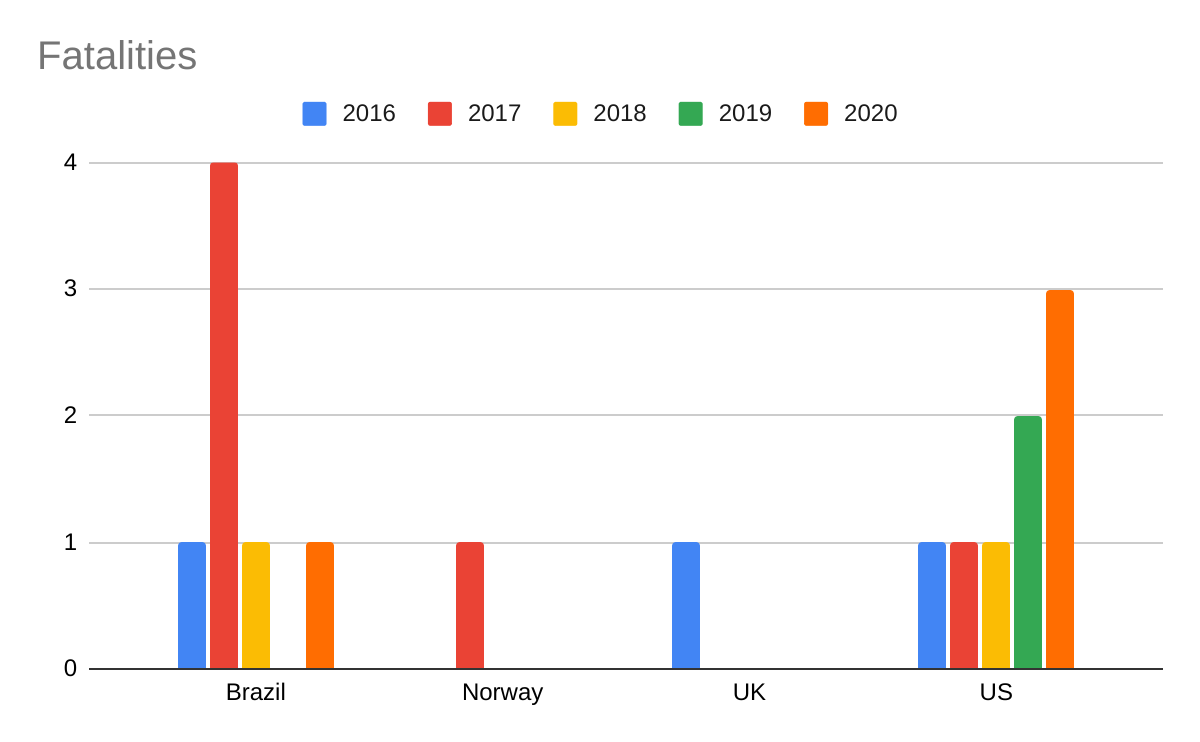
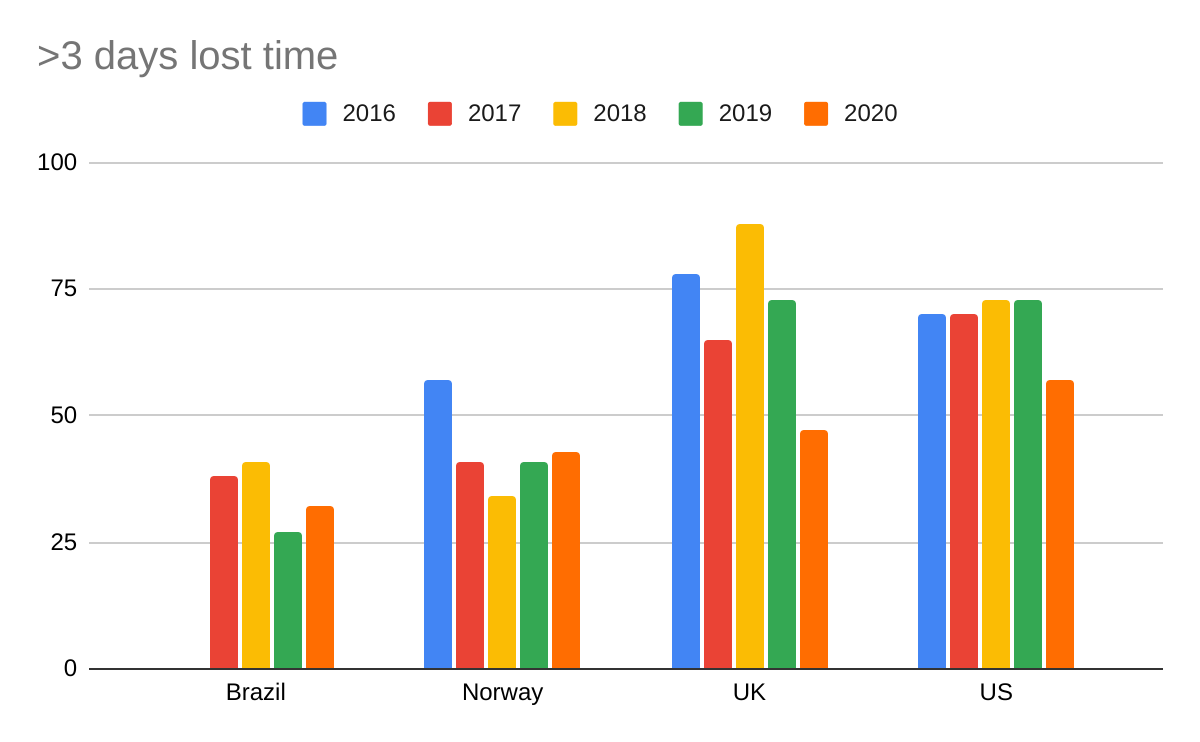
BOE looked at the numbers for the IRF countries with the highest level of activity in terms of hours worked – Brazil, Norway, UK, and US. These countries accounted for 90% of the total hours worked in 2020, the last year for which data are available. The 2020 hours worked (millions) were also relatively similar for the 4 countries: Norway – 41.2, UK – 42.4, US – 50.4, Brazil – 50.7. The differences in hours worked were somewhat greater in the prior years, but not dramatically so.
We charted the fatality and lost-time (>3 days) data (below). Our intent at this point is to draw attention to the IRF data sets, not to assess and compare performance. We do think the overall safety performance in these and other IRF countries, while far from perfect, is quite good given the hundreds of millions of hours worked, complexity of operations, logistical challenges, and difficult operating environments. We recommend that the IRF prioritize the timely posting of these data, and begin providing causation information so that companies and other interested parties can better identify performance issues and safety trends.