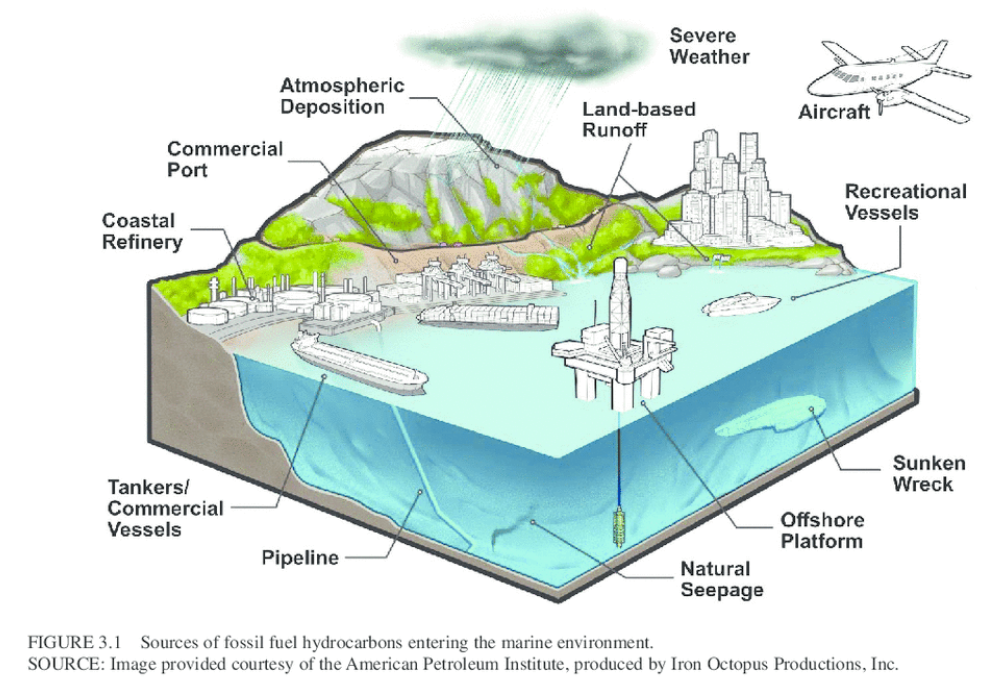
The National Academies have released Oil in the Sea IV, which updates estimates of oil entering North American seas. This is the third update since the publication of Oil in the Sea in 1985.
The updated inputs and seeps summary tables are pasted below. Some comments:
The Oil in the Sea reports are important in that they provide perspective on natural inputs and those associated with man’s activities. The estimates generate informed discussion about the relative significance of the various inputs.
The estimate for land-based sources, which far outweigh all other sources, increased dramatically from the previous report.
The oil seepage estimate was reduced by 37.5%, owing to methodology.
The difference between the itemized seepage total in Table 3.2 (109,000 mta) and the seepage total in Table 3.1 (100,000 mta) is not explained.
The estimate for platform spills (excluding Macondo and the MC-20 seepage) was significantly and inexplicably increased from the previous report, and is well above what BSEE data indicate for that period. No data or justification are provided.
The statement (p. 58) that “spills occurred more frequently in offshore waters than nearshore waters” is puzzling and unsubstantiated.
-The government has decided to implement measures to strengthen preparedness related to infrastructure, land facilities and installations on the Norwegian continental shelf.
-Part of the background for the increased preparedness is reports of increased drone activity on the Norwegian continental shelf that we have seen in recent weeks. It concerns drones of various sizes. Activity has been increasing, especially in September.
Circumstances where drones have violated safety zones around facilities are now being investigated by the police. We refer to Sør-Vest Police District for questions about this.
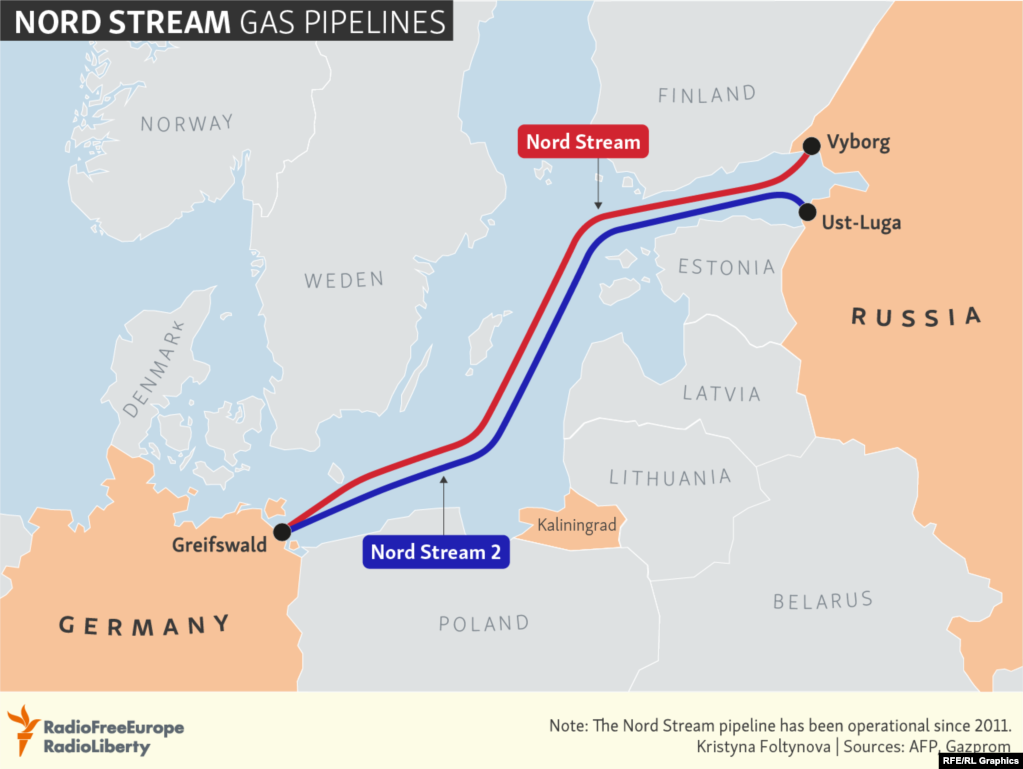
-On Tuesday, it became known that the Nord Stream 1 and 2 gas pipelines were damaged, probably due to sabotage. The Norwegian Petroleum Safety Authority does not want to speculate on who is behind it, or other circumstances related to the incident.
-On Thursday 29 September, we invited the parties in the oil and gas industry to an extraordinary meeting in the Security Forum to discuss the ongoing events
Germany’s navy is contributing to the investigation into the Nord Stream 1 and 2 gas pipeline leaks, said Defence Minister Christine Lambrecht, who added that the situation must be clarified and those responsible must be identified quickly.
Russia’s FSB security service is investigating the damage sustained by the Nord Stream gas pipelines under the Baltic Sea as “international terrorism”, the Interfax news agency cited the general prosecutor’s office as saying on Wednesday.
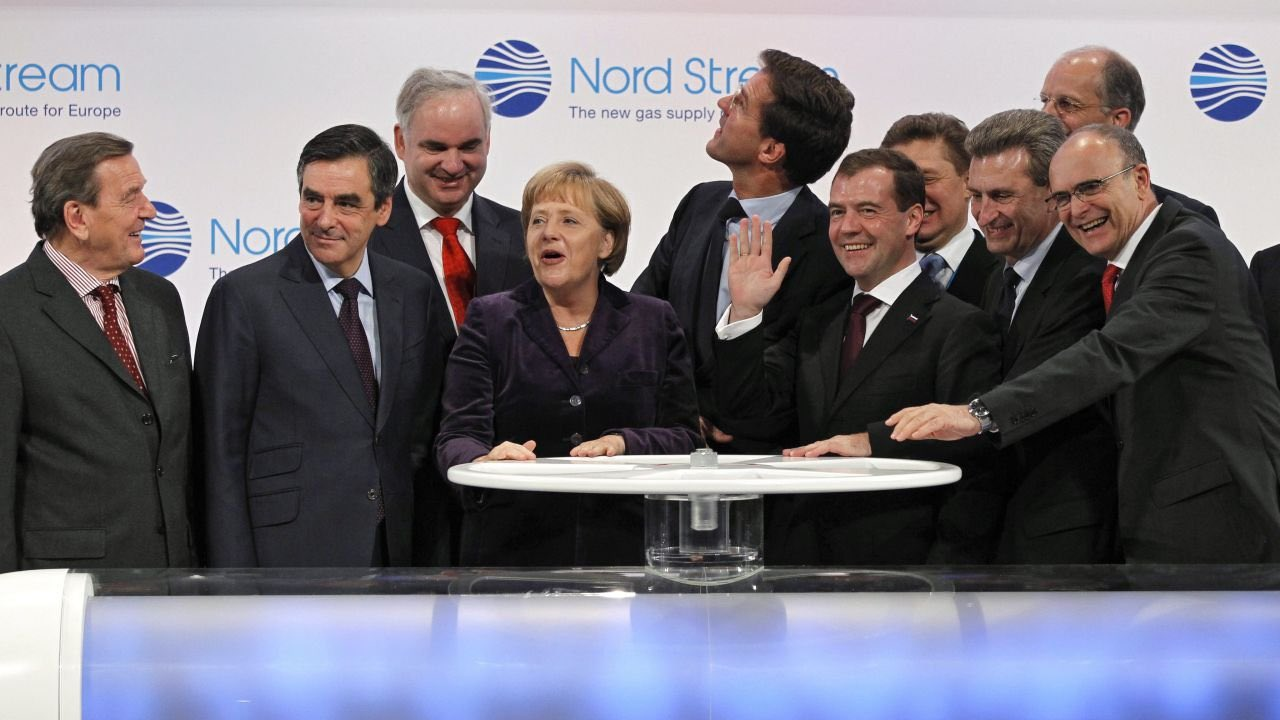
On November 8, 2011, the Nord Stream project was formally opened at a ceremony in Germany attended by Chancellor Angela Merkel and Russian President Dmitry Medvedev.
The quote below is encouraging. Hopefully, the technical team will be able to function independently, and will have strong leadership. I would like to see participation by the Petroleum Safety Authority of Norway.
“There are good teams in place to handle pipeline accidents, there are emergency pipe inventories and experts for onshore and offshore,” Jens Schumann, managing director of gas pipeline grid company Gasunie Deutschland, said.
Nord Stream AG has started mobilization of all necessary resources for a survey campaign to assess the damages in cooperation exchange with relevant local authorities. Currently, it is not possible to estimate a timeframe for restoring the gas transport infrastructure. The causes of the incident will be clarified as a result of the investigation.
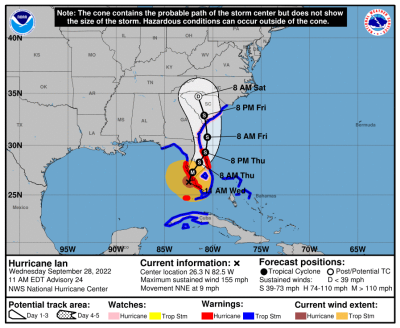
190,358 BOPD shut-in as of 12:30 p.m. ET today. Presumably, most of the shut-in production is associated with the major deepwater platforms mentioned in our previous post. Given the projected storm track, these shut-ins should be brief.