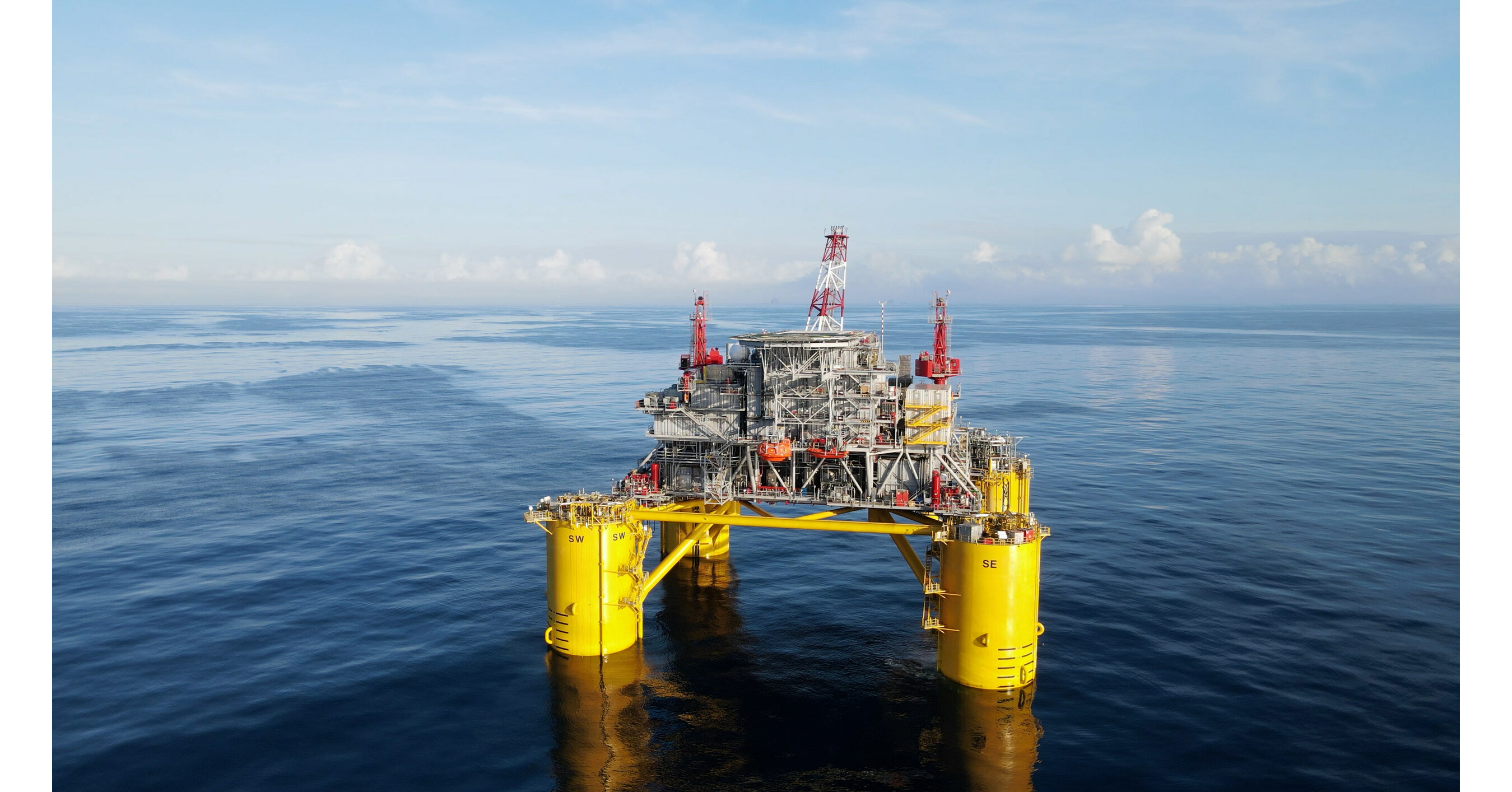
Last year, BOE featured 5 deepwater platforms that were under construction: Shell’s Vito and Whale, Murphy’s King’s Quay, bp’s Argos, and Chevron’s Anchor. These floating production units are noteworthy for their lighter, smaller designs. King’s Quay was the first to produce, beginning last April. The spotlight is now on Vito which began producing today. Vito’s peak production should reach 100,000 boe. The other 3 platforms are expected to begin production this year or next.
8 “bombs” were placed near the island of Bornholm in the Baltic Sea, six of which exploded in a rather flat area. The explosives destroyed three of the four Nord Stream 1 and 2 gas pipelines. (This explains why one of the four pipelines wasn’t damaged. Presumably, concerns about the unexploded ordinance have been addressed by Sweden.)
Norway identified a relatively shallow area (80m water depth) near Bornholm.
It only took a few hours to place the explosives
No one in Congress was informed of the plan
In response to criticism about his reliance on unidentified sources, Hersh said that many of his articles were dependent on such sources. If his sources were named, they would be fired or worse.
Below is a very good Jeffrey Sachs interview (new) with appropriate pushback from the host Freddie Sayers. Nothing really new, but both Sachs and Sayers are informed and articulate. Worth viewing.
41 years ago today, 84 men lost their lives on the Ocean Ranger. BOE’s 40th anniversary posts can be viewed here and here. The excellent 40th anniversary tribute video is embedded below. Remember these heroes.
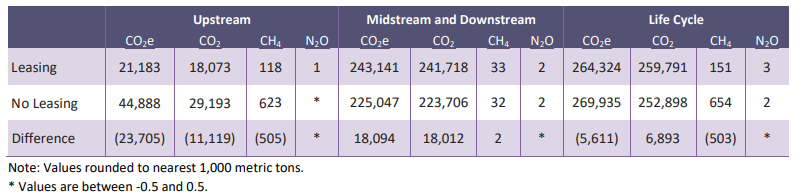
The Nord Stream sabotage likely released more methane than the complete lifecycle of a GoM lease sale (upstream and downstream). Also, the Nord Stream explosions may have released more methane than is emitted by all US offshore producers in an entire year. Here are the numbers:
lifecycle upstream emissions from a typical GoM lease sale (BOEM)
118
lifecycle up- and downstream emissions from a typical GoM sale (BOEM)
151
Finally, remember that offshore oil and gas leasing results in a net reduction in GHG emissions.
The No Leasing scenario results in roughly double the CO2e emissions for upstream activities compared to those of the Leasing scenario, given that, collectively, the substitute energy sources have higher GHG emissions per unit of production (also known as “GHG intensity”) compared to the forgone domestically produced OCS oil and natural gas of the Leasing scenario.
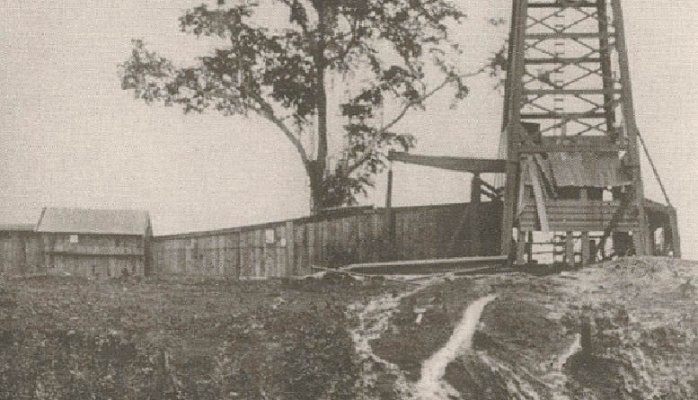
The record shows that the Merrimac Company, registered in 1857, made attempts to produce oil by distillation of pitch, but furthermore in the same year they drilled a well to a depth of about 280 feet, which was a much greater depth than Drake’s well in Pennsylvania – and two years earlier – and produced oil therefrom
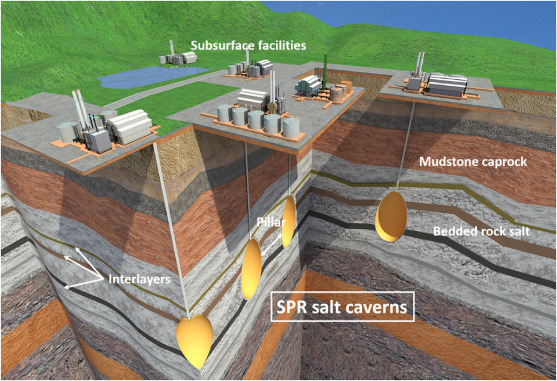
…especially when the market price is higher than the price the government wants to pay. Per EIA data, the “tank” has been flat-lined at half-full for the past month.
So far, the agency has not repurchased any barrels. The DOE announced earlier this month (Jan.) that it would not finalize a proposed buyback of 3 million bbl, because it did not receive offers that met its terms for price or quality.
The National Academies of Sciences, Engineering, and Medicine will establish a standing committee to provide ongoing assistance to the Department of the Interior’s Bureau of Ocean Energy Management (BOEM) in its efforts to manage development of the nation’s offshore wind energy resources and their potential effects on fisheries
This seems to be a positive step and the committee members have excellent credentials, but how do you establish such a committee without any representation from the wind industry? Here are the 12 members of the committee.
Last June, the Navy divers, operating under the cover of a widely publicized mid-summer NATO exercise known as BALTOPS 22, planted the remotely triggered explosives that, three months later, destroyed three of the four Nord Stream pipelines, according to a source with direct knowledge of the operational planning.


 Bud's Offshore Energy (BOE)