

Feeds:
Posts
Comments

Archive for the ‘Wind Energy’ Category

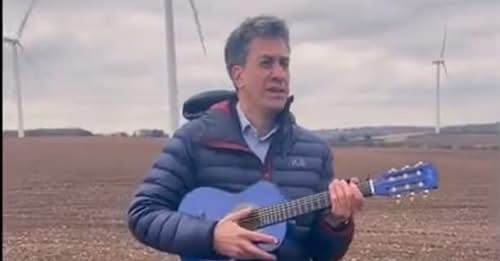
UK Energy Minister Ed Miliaband

By Richard Littlejohn with apologies to Bob Dylan 😉

“How many pits must a man close down

Before we run out of coke?

How many North Sea oil rigs must shut

Before the UK goes broke?

Yes, and how many windmills must the countryside take

Before it’s beyond a sick joke?

Disaster, my friend, is blowin’ in the wind

Disaster is blowin’ in the wind.

Yes, and how many more must be dumped on the dole

Before the worm starts to turn?

Yes, and how long will we go on importing foreign coal

As if we’ve got money to burn?

Yes, and how many times will the lights go out again

Before this madman will learn?

Disaster, my friend, is blowin’ in the wind

Disaster is blowin’ in the wind.

Yes, and how much higher will our gas bills have to go

So Miliband can play superhero?

Yes, and while the economy goes up in flames

Mister Ed fiddles madly like Nero,

Yes, and how many old folk will die from the cold

In futile pursuit of Net Zero?

Disaster, my friend, is blowin’ in the wind

Disaster is blowin’ in the wind.

And here is Miliband with his version (You can’t make this up! 😉):

Read Full Post »

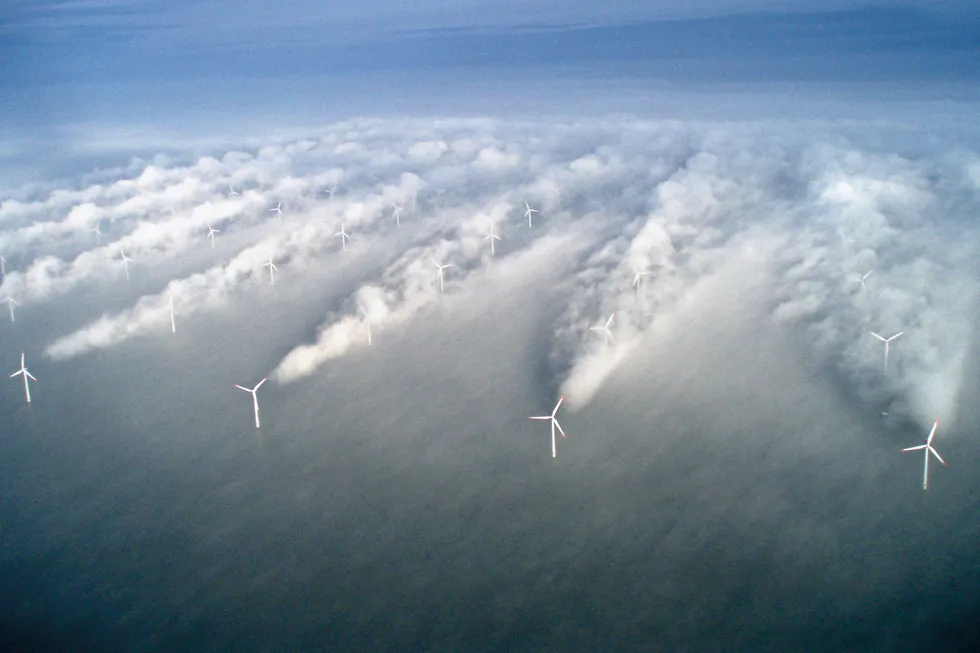
Orsted photo: wind wakes trailing turbines at Vattenfall’s Horns Rev wind farm offshore Denmark

A previous post on wind theft and a recent BBC article point to the rather limited understanding that wind developers and govt land managers have about wind resource management including optimal turbine spacing and protection of correlative rights. Wind is considered a renewable energy resource, but the energy lost through inefficient operating practices is not renewable.

Given that the wake effect can extend for more than 100 km, reduce downwind energy production by >10%, and affect biological productivity, a better understanding of this phenomenon should have preceded the installation of thousands of turbines.

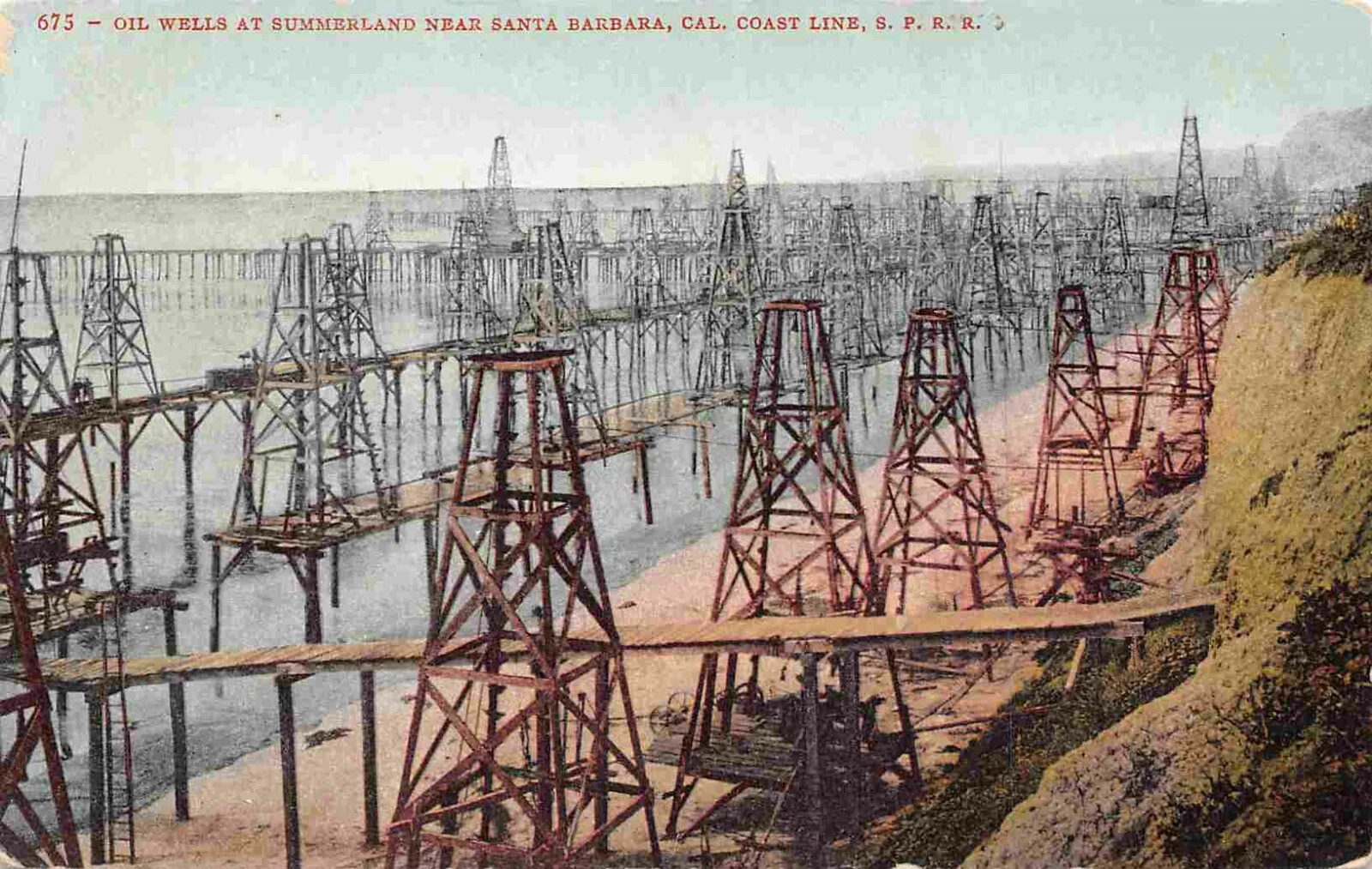
Wind resource management is reminiscent of the early years of oil production when the “law of capture” reigned supreme and wasteful production practices were a self-defense mechanism.

.

Read Full Post »

Congressman Jeff Van Drew doesn’t mince any words in commenting on New Jersey’s participation in the lawsuit against the offshore wind pause:

“You cannot make this stuff up. The Murphy administration already burned through billions of your tax dollars on offshore wind projects that never worked. They pushed it on us even when towns were saying no, fishermen were saying no, and the tourism industry was saying no. They looked the other way while whales washed up on our beaches. They ignored the Pentagon when it said it was a national security risk. The NJ Ratepayer Advocate said it would raise utility bills. The Government Accountability Office (GAO) said the cons outweighed the pros. They did not listen to anyone. And now, after all that, they want to throw even more taxpayer dollars at it in court. It truly is a slap in the face to every taxpayer and every family struggling to pay their energy bill.”

Read Full Post »

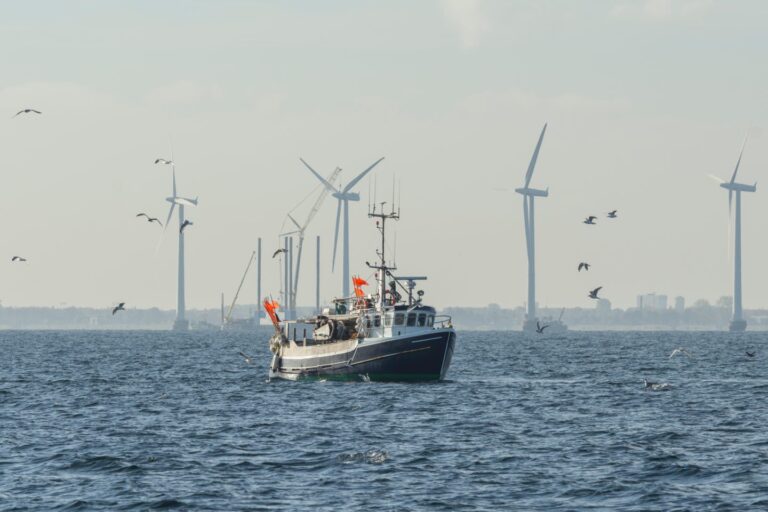
Shutterstock / Tomasz Kozal photo

David is small, semi-nomadic and works across a vast sea area; Goliath is massive and growing rapidly.”

Energy Voice describes the challenges offshore wind poses for the small but culturally important UK commercial fishing industry, highlighting the findings of a fisheries research lab report.

Per Elspeth Macdonal of the Scottish Fishermen’s Federation:

How it often feels to us is that government says all the right things, has this blue economy vision and all of those great things but, at the end of the day, it actually feels like government is picking winners and losers and, at the moment they seem unable to see past the wind industry as the only game in town.

This comment on the evolution of the relationship between the fishing and oil industries in the North Sea also aptly describes the US offshore experience:

The fishing industry eventually learned to live with Big Oil, which is now on the wane, but living with territory-guzzling offshore wind farms – fixed and floating – may prove a lot more challenging.”

Read Full Post »

All 17 of the States that filed the offshore wind law suit have Democrat governors. However, 6 States with Democrat governors are not parties in the suit (see table below). Two of those governors, Andy Breshear, and Josh Shapiro, are leading moderates within the Democrat party.

StateGovernor
HawaiiJosh Green
KansasLaura Kelly
KentuckyAndy Beshear
North CarolinaJosh Stein
PennsylvaniaJosh Shapiro
WisonsinTony Evers

The State where participation in this suit could have the most political impact is New Jersey, given the well organized wind opposition “down the shore.” However, Gov. Phil Murphy, whose offshore wind promotion has been widely criticized, is not eligible to run for re-election later this year.

Read Full Post »

Unsurprisingly, 17 States (plus DC) filed the attached lawsuit in Massachusetts federal court asserting that the directive to suspend offshore wind activities is illegal.

This will be interesting given that the OCS Lands Act grants broad authority to the Secretary of the Interior to suspend activities when necessary to ensure safety, protect the environment, or allow for further study of potential impacts.

Those who are familiar with the administration of the OCS Lands Act know that there is really no such thing as a “fully permitted project.” The Secretary can call for further review whenever concerns are raised and there is a need for further investigation.

Read Full Post »

Qidong Wind Farm, SASAC photo

Read Full Post »

BP dropped the regrettable Beyond Petroleum campaign and has now cut their renewable energy investments to focus on oil and gas production. They are doing quite well in the Gulf of America where they are the no. 2 oil and gas producer.

The leading Gulf of America oil and gas producer, Shell, has also slowed its renewable investments and is no longer participating in any US offshore wind projects.

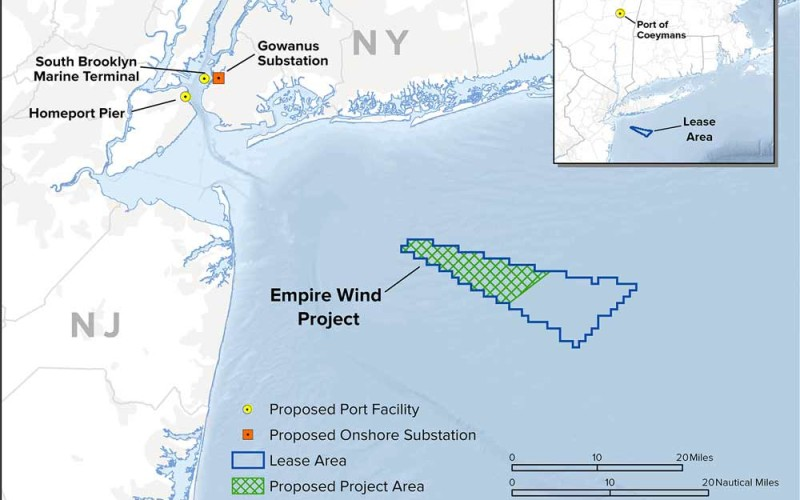
Only Equinor (formerly Statoil), which is 2/3 Norwegian government owned, remains committed to renewable projects, much to the chagrin of some private investors. Equinor’s Empire Wind misadventure may be matched in the Pacific where their floating wind project offshore California is a long way from reality.

Farther in the past, there were noteworthy failures (below) like Mobil’s acquisition of Montgomery Ward, Exxon’s investment in Reliance Electric, and Gulf’s real estate ventures.

Finally, don’t expect the carbon sequestration boom that some are forecasting. As wind investors have discovered, industries dependent on mandates and subsidies are risky.

Not much unites climate activists and skeptics, but they are largely aligned in their opposition to carbon sequestration (euphemism for disposal), as are fiscal conservatives. The word chutzpah comes to mind when companies seek public funds to dispose of emissions associated with the combustion of their products.

And how are those 199 wrongfully acquired carbon sequestration leases in the Gulf working out (graphic below)? Barring some legislative sleight of hand, those leases are worthless.

199 oil and gas leases were wrongfully acquired at Sales 257, 259, and 261 with the intent of developing these leases for carbon disposal purposes. Repsol was the sole bidder at Sale 261 for 36 nearshore Texas tracts in the Mustang Island and Matagorda Island areas (red blocks at the western end of the map above). Exxon acquired 163 nearshore Texas tracts (blue in map above) at Sales 257 (94) and 259 (69).

Read Full Post »

Die Dunkelflaute or dark lulls have drawn attention to the need for dispatchable power (typically from gas turbines or coal-fired power plants) when the weather isn’t cooperating.

The massive power outage in Spain and Portugal on Monday may be the result of the opposite challenge – a surge in solar power supply greatly exceeding demand (dark line in chart below).

Note that no extreme weather events were reported in Spain on April 28, 2025. The Portuguese grid operator mentioned “extreme temperature variations” in Spain’s interior, possibly causing grid oscillations, but no storms or heatwaves were noted. Weather was typical for April, with mild temperatures (8-19°C) and some rain.

Meanwhile, the political focus in the US (chart below), and perhaps more so in Europe, had been on “clean” rather than reliable power.

Bottom line: Over-reliance on highly variable wind and solar power challenges grid management, putting supply reliability at risk.

Read Full Post »

Scotland Against Spin (SAS) continues to provide an important public service by compiling wind turbine incident data from press reports and official releases. Their updated table includes 327 pages of incidents.

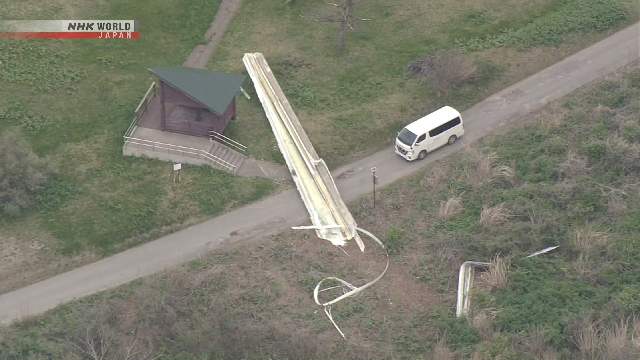
Oregon Live found out about the state of industry and government data on wind turbine incidents while investigating a turbine blade failure in Biglow Canyon, Oregon:

Accident and safety data is hard to come by for the wind industry.

There is no national database of incidents. Owners don’t publicize them. Vendors are reluctant to discuss it. And reporting rules vary by state, or even by county.”

Thankfully, SAS diligently gathers publicly available reports and updates their tables in a timely manner. Their data indicate that the number of wind turbine incidents has risen sharply in recent years (see chart below). So, of course, has the number of turbines.

The World Wind Energy Assoc. reports an increase of ~60% in wind turbine capacity between 2019 and 2023. This capacity increase would only partially account for the recent tripling in annual incidents reported by SAS, and SAS believes their list is merely the “tip of the iceberg.”

A high priority for wind industry regulators in the US and internationally should be establishing a consistent wind energy incident reporting regime and making the data available to the public in a timely and organized manner.

complete SAS wind turbine incident table (327 pages)

Read Full Post »

« Newer Posts - Older Posts »