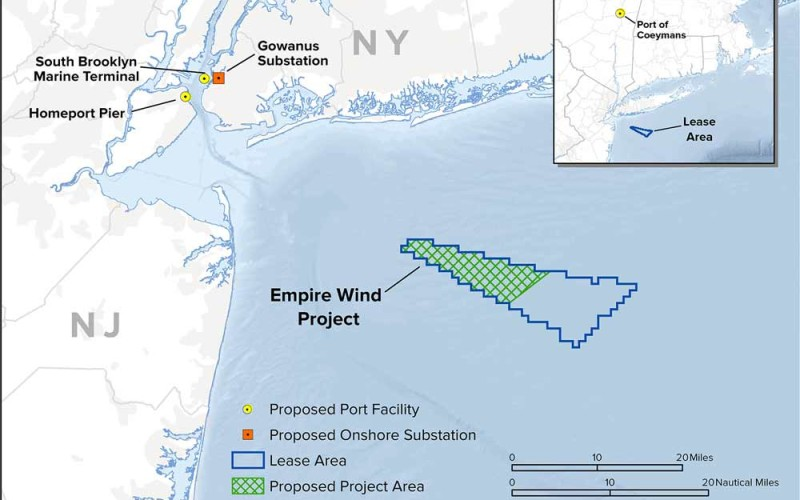
Equinor’s Empire Wind project had been challenged by New Jersey congressmen and questioned by Norwegian investors. I suspect that Equinor saw the writing on the wall.
Posted in energy policy, Offshore Wind, tagged BOEM, Congressman Chris Smith, Congressman Van Drew, Empire Wind, Equinor, Secretary Burgum on April 16, 2025| Leave a Comment »
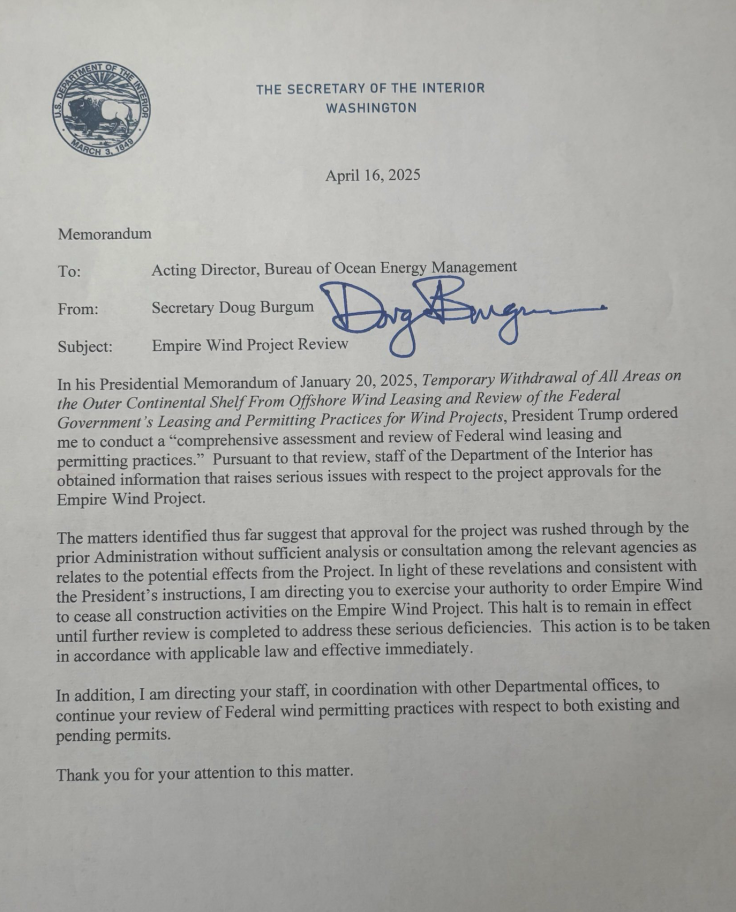
Equinor’s Empire Wind project had been challenged by New Jersey congressmen and questioned by Norwegian investors. I suspect that Equinor saw the writing on the wall.
Posted in climate, energy policy, natural gas, Offshore Energy - General, Offshore Wind, Regulation, tagged BOEM, BSEE, consultation, development impacts, dispatchable power, fishing industry, GAO, Offshore Wind, staffing, tribes on April 16, 2025| Leave a Comment »
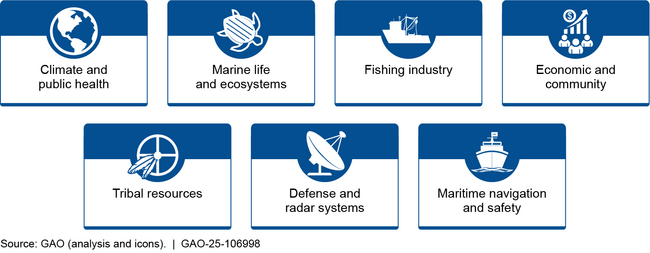
The Government Accountability Office report on Offshore Wind Energy (full report attached) does a good job of summarizing the potential impacts from offshore wind development. They are categorized in the report as follows:
Unfortunately, GAO’s recommendations, which focus on consultation and staffing (perennial favorites), are rather meaningless. Does GAO really think more consultation will resolve the fundamental concerns of the tribes and fishing industry? Does GAO really think increasing BOEM/BSEE staff is a solution? Wind was the signature offshore energy program of the previous Administration, and it was well resourced.
When the legislation authorizing offshore wind energy development was drafted, we envisioned energy alternatives that could complement thermal energy sources like gas, coal, and nuclear plants. Natural gas plants are particularly important to intermittent energy sources, because their power can be readily dispatched on demand.
Never did we expect attempts to ban the dispatchable energy sources on which renewable energy goals were dependent. Policies that limit gas production, transportation, and consumption don’t boost offshore wind development, they doom it.
In a rush to achieve the Administration’s energy goals, the wind leasing program brushed aside important economic, safety, national security, and environmental issues. Coastal residents, tribes, fishing interests, power customers, and other affected parties have rebelled. Their concerns won’t be smoothed over by increasing consultation.
So now the wind program is in a dark and windless place (a regulatory dunkelflaute?). Five projects are under construction or in the early stages of operation. Construction has been authorized for 6 other projects. Five more projects are in various stages of permitting. What next?
Meanwhile, we still haven’t seen a report on the ugly and embarrassing Vineyard Wind blade failure offshore Nantucket last July. Shouldn’t that report be a precursor to further offshore wind development in the US Atlantic? Also of note, that same turbine was struck by lightning 2 months ago.
Should directed suspension orders be issued pending a complete review of the wind program? If so, for which leases and for how long? Suspension of projects still in the permitting phase would be relatively painless and maybe even attractive given the current state of the wind industry. However, financial impacts for projects in the construction phase would be significant. These important next-step decisions need to be made soon. Muddling along is not a strategy.
Table 2: Examples of Potential Impacts of Offshore Wind Development to Marine Life and Ecosystems
| Impact | Description |
| Acoustic disturbance | Construction and survey activities produce underwater noise that can disturb sensitive marine species. Offshore wind projects take measures to mitigate underwater noise, including the use of bubble curtains to dampen pile driving sound and pausing operations if protected species are sighted. |
| Changes to marine habitat | Installation of infrastructure, such as turbine foundations and transmission cables, introduces new structures and causes changes to the ocean floor that can alter marine habitat and affect the distribution, abundance, and composition of marine life in the area. These new structures can create artificial habitat that may benefit some species while displacing others and could affect bottom-dwelling species through disturbing the seabed. Artificial habitat effects of wind turbines are well documented, but research is ongoing to monitor and understand impacts on marine life. |
| Hydrodynamic effects | Operation of wind turbines can affect hydrodynamics and ocean processes such as currents and wind wakes, but little is known about regional effects of widescale deployment on ecosystems. |
| Vessel disturbance | Vessels can disturb some species and pose strike risks to large marine animals, but the increase in offshore wind vessels is projected to be small compared to the total volume of vessel traffic. Offshore wind vessels are required to take measures such as following speed restrictions and employing protected species observers. |
| Entanglement risk | Structures, such as mooring cables from floating wind turbines, could snag fishing gear and other marine debris and create entanglement risk to marine animals. Wind projects employ measures to minimize entanglement (e.g., mooring systems designed to detect entanglement), but there is uncertainty about the extent of the risk from floating turbines because of limited deployment.a |
| Collision risk to birds and bats | Turbine blades pose a collision risk to some sea birds, but little is known about offshore collision risk to bats. Research on collision risks and mitigation measures (e.g., lighting and curtailment) is ongoing. |
Posted in energy policy, Offshore Wind, Regulation, tagged RODA, SCOTUS petitions, Seafreeze Shoreside, US Dept. of the Interior, Vineyard Wind on April 12, 2025| Leave a Comment »

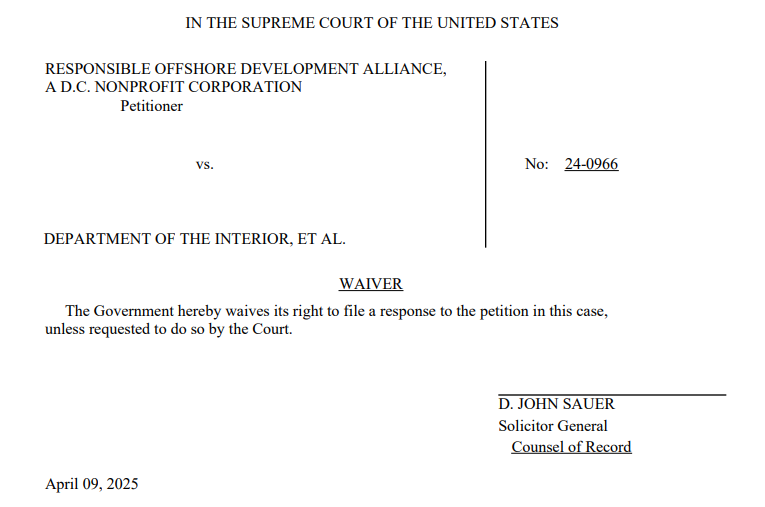
Given that the SCOTUS declined to hear a Vineyard Wind challenge by the Nantucket-based ACK for Whales group, the odds of the new challenges being heard would seem to be low. However, it’s noteworthy that both Vineyard Wind and the Federal Government have waived their right to respond to these petitions. The Government’s waiver to respond to the RODA petition is pasted below.
Posted in climate, energy policy, Offshore Wind, tagged Atlantic States, Cato, false promise, Lessner, offshore wind economics, wind mandates on April 12, 2025| Leave a Comment »
Analysis by Jonathan A. Lesser:
“Of all commercial renewable generation technologies, offshore wind is the costliest, far more so than solar photovoltaics and onshore wind. The newest incarnation of offshore wind—floating turbines that can be sited in deep water—are more expensive still. Although offshore wind is supposed to benefit from more prevalent ocean breezes, it remains, like land-based wind and solar power, an intermittent source of electricity. Hence, as offshore wind comprises a larger share of total electricity capacity, it requires ever more backup generation or storage to compensate.”
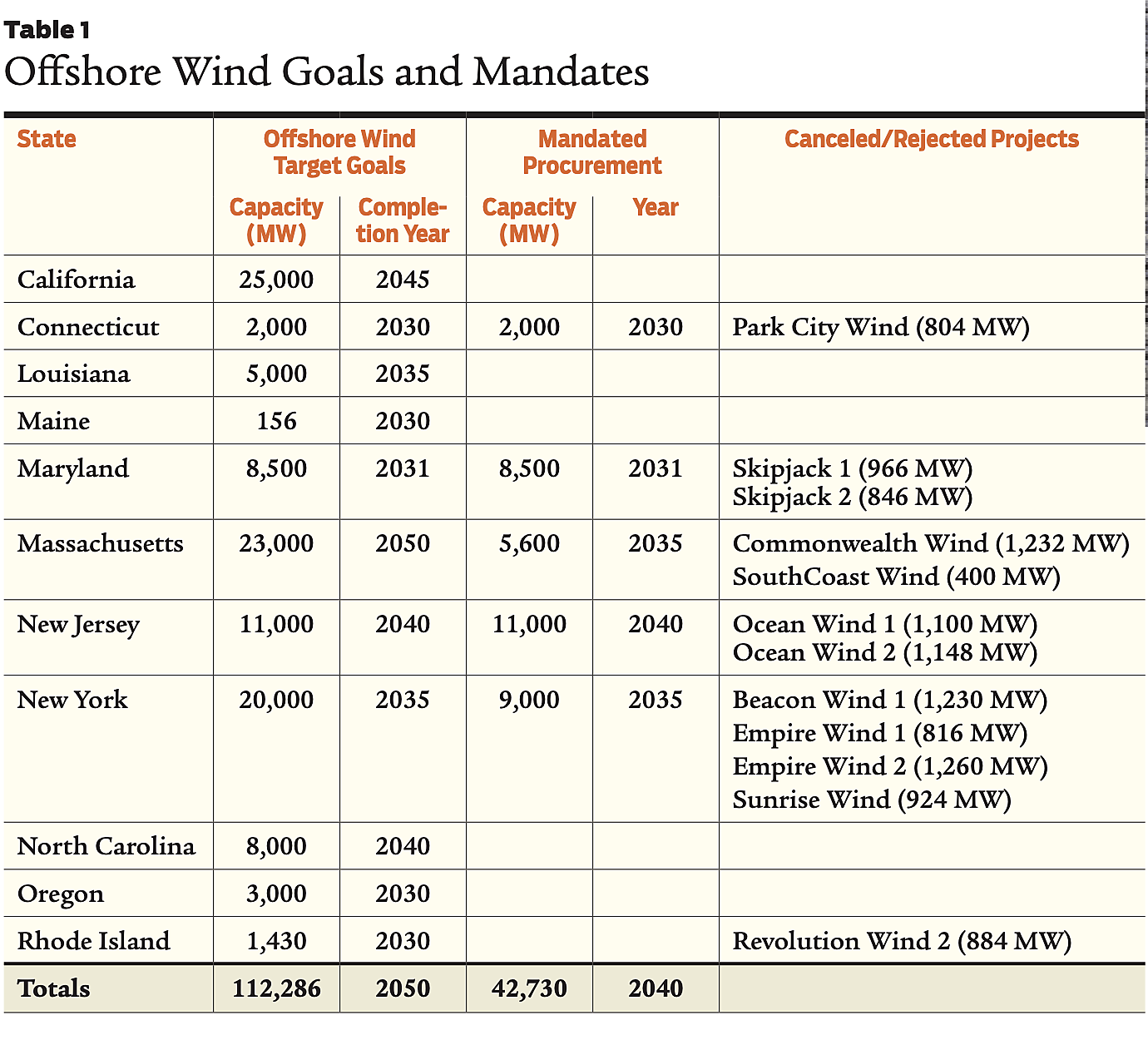
“Offshore wind’s high cost and intermittency raise a simple question: Why have renewable energy advocates and policymakers in many Atlantic Coast states, as well as those on the West Coast, placed such emphasis on this technology? One justification, like all forms of renewable energy, is that offshore wind will reduce U.S. greenhouse gas emissions. Whether that is true remains an open, empirical question. Offshore wind’s high costs, which require substantial—and increasing—taxpayer and ratepayer subsidies, will raise electricity rates and reduce electricity consumption. Even offshore wind manufacturers such as German-based Siemens Energy admit this. By itself, reduced electricity consumption may reduce greenhouse gas emissions slightly, as will offshore wind replacing lower-cost natural-gas-fired generation. However, any such reductions will be so small as to have no measurable effect on climate.“
Posted in accidents, energy policy, Offshore Wind, tagged blade failure, lightning protection, natural gas pipelines, repair work, Vineyard Wind on April 10, 2025| Leave a Comment »
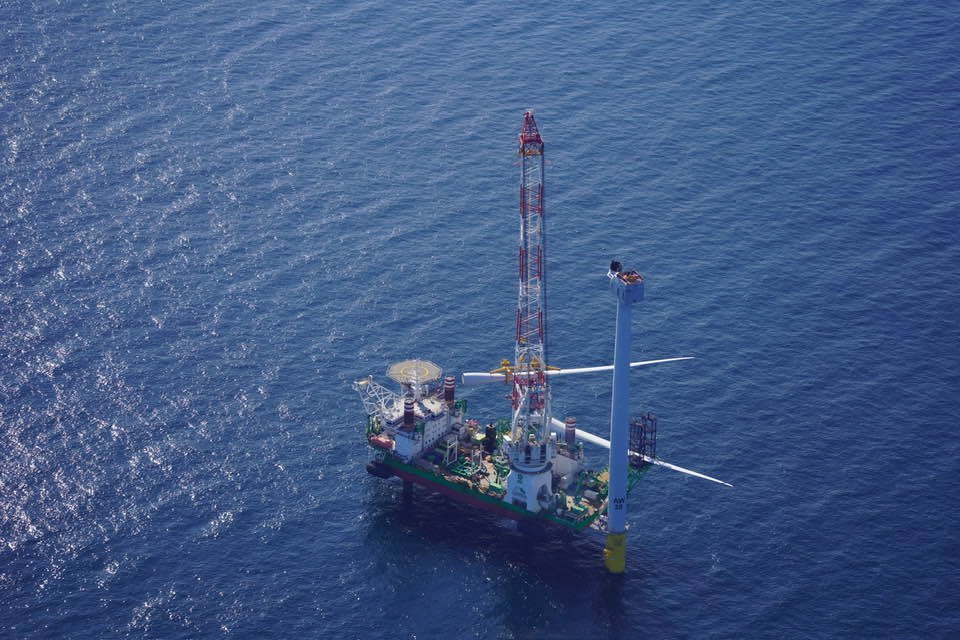
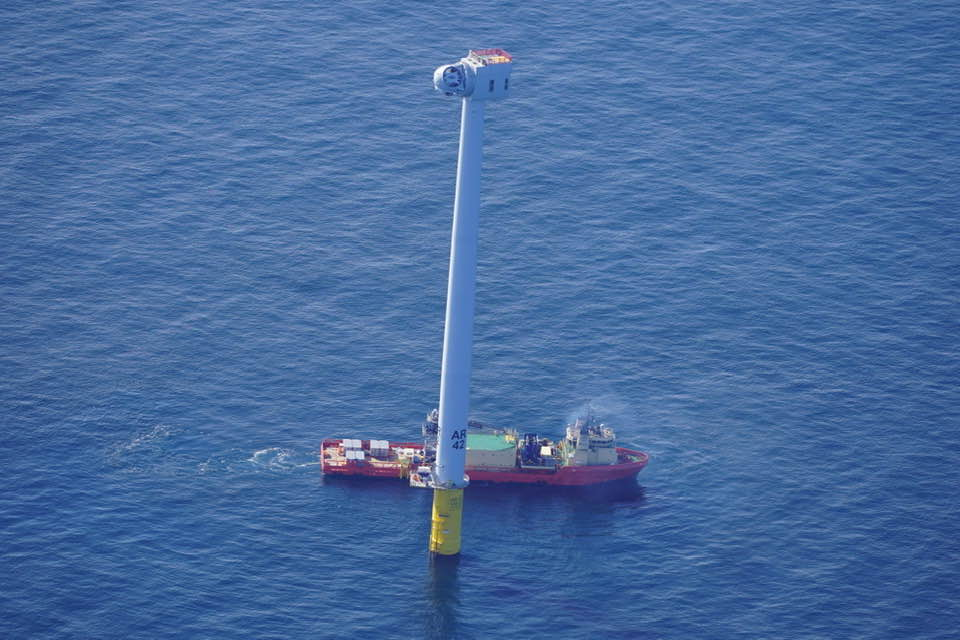
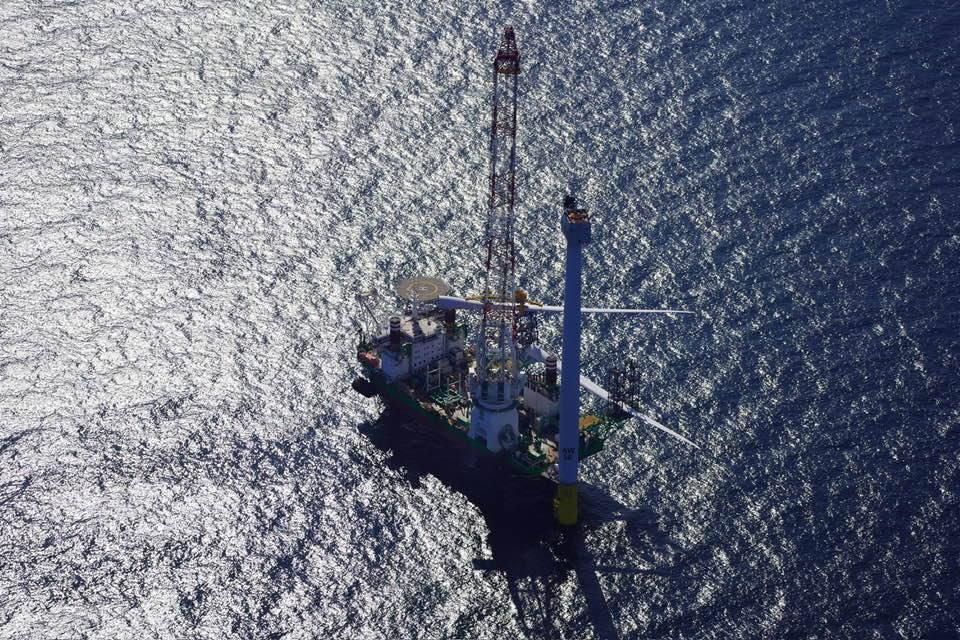
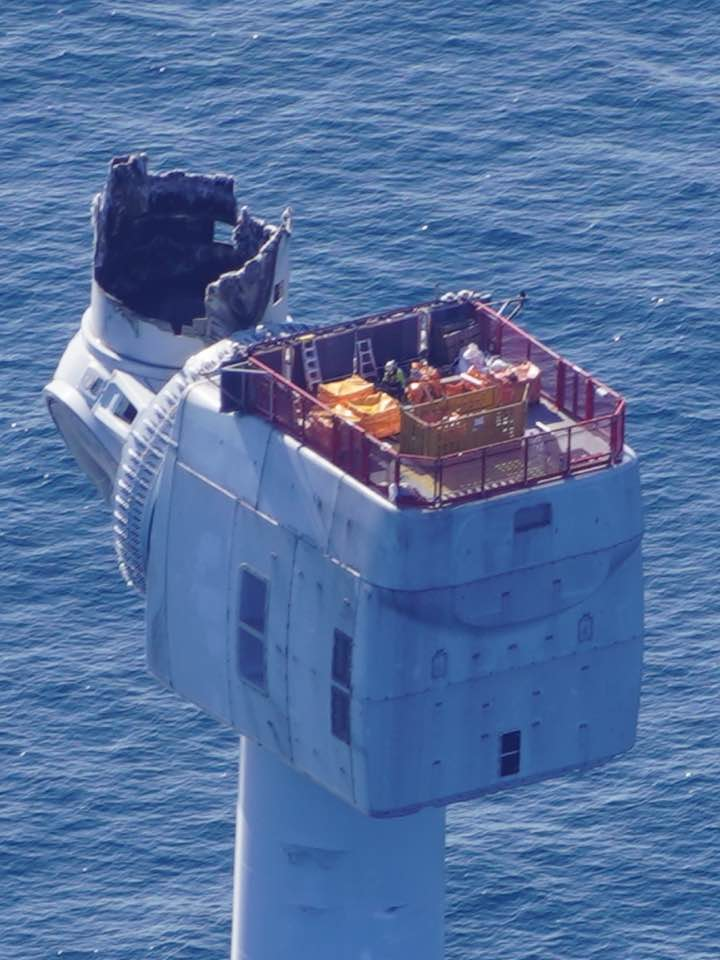
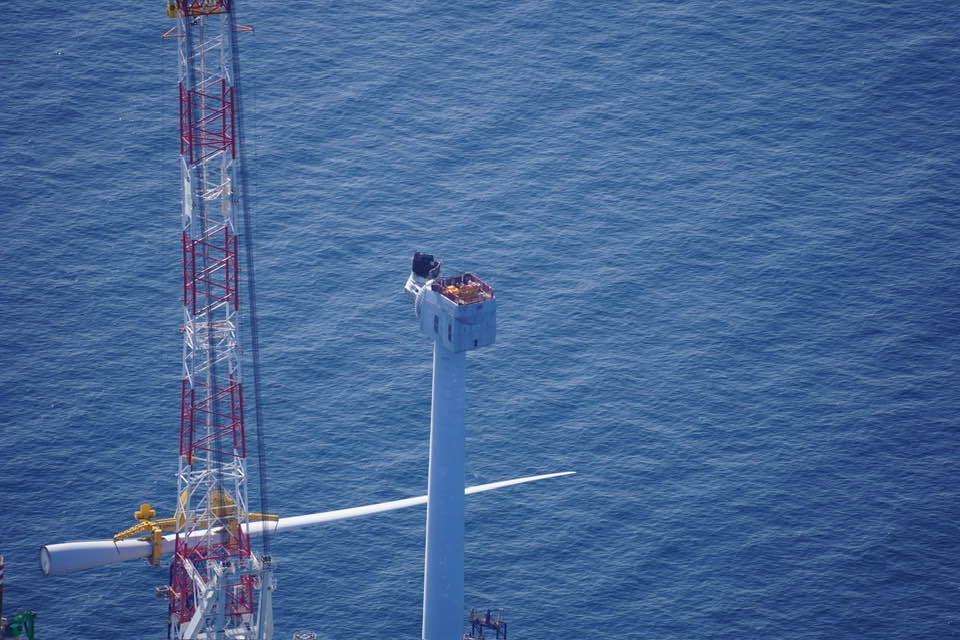
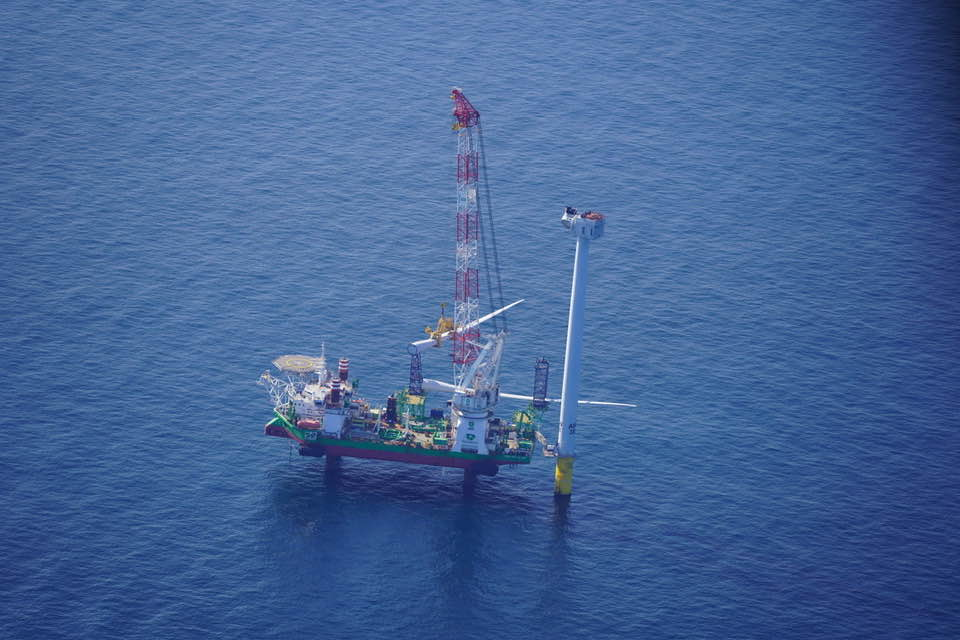
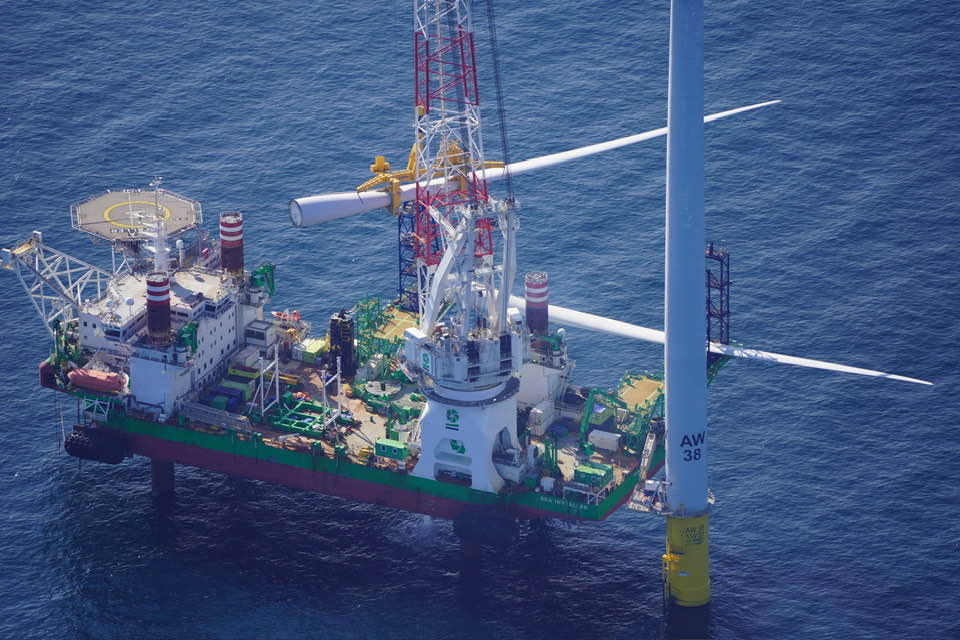
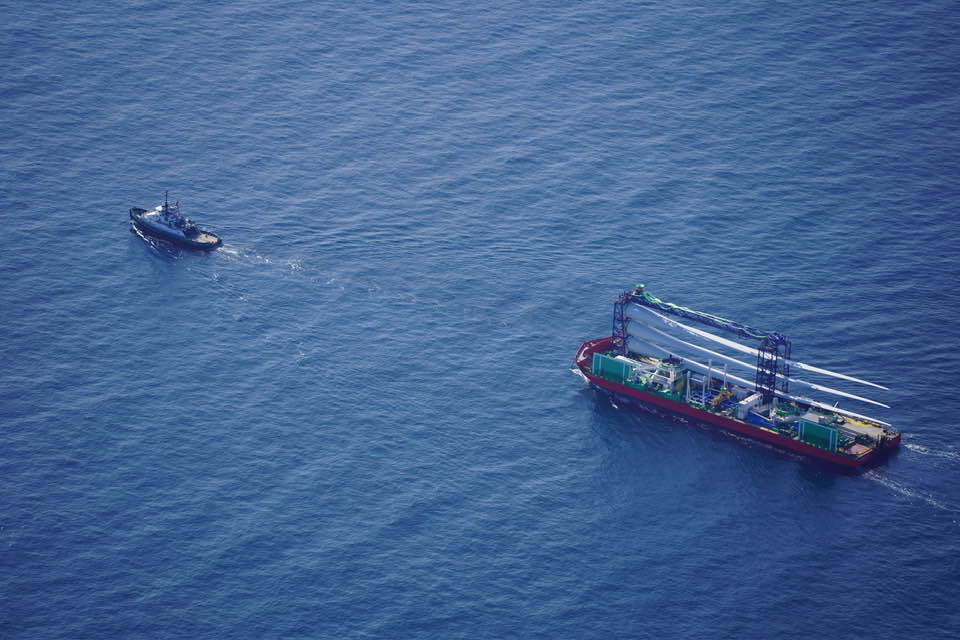
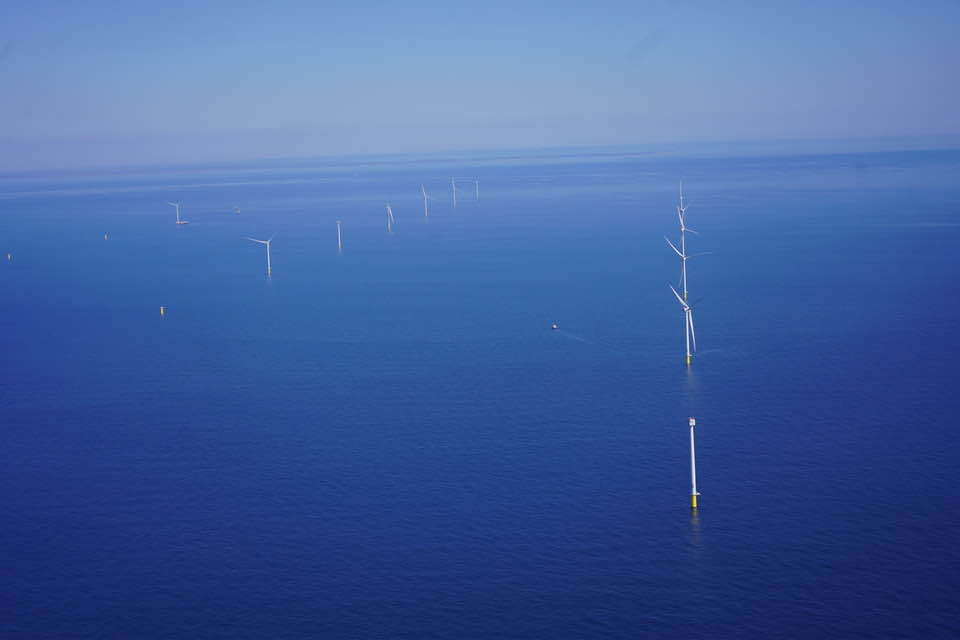
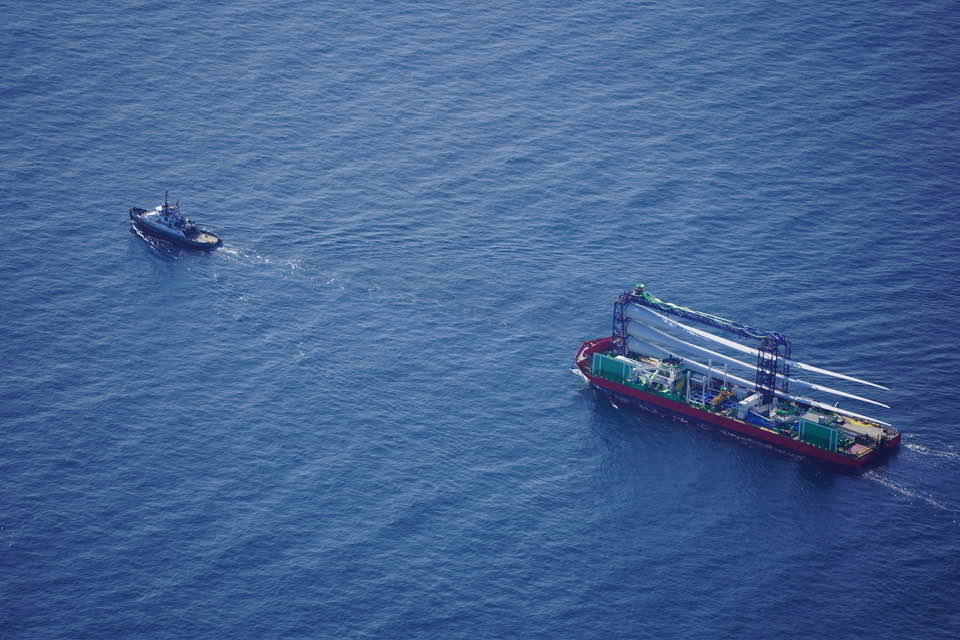
Below are interesting pictures of Vineyard Wind’s repair and installation activity taken today by Nantucket pilot Doug Lindley. He commented that only of the turbines was spinning.
Note the lightning damage to the turbine with the failed blade. The lightning protection system was not operational on that turbine.
Also note the vessel transporting replacement blades.
It’s a bit difficult to rationalize all of this, but the Administration of Massachusetts Governor Maura Healey sees these projects as being critical to the Commonwealth’s energy future.
In December 2023, the Governor ordered a transition away from natural gas and set a goal of making Massachusetts carbon-neutral by 2050. As a candidate for governor in October 2022, then-Attorney General Maura Healey bragged, “Remember, I stopped two gas pipelines from coming into this state.“ This in a State where half of the households are heated with natural gas.
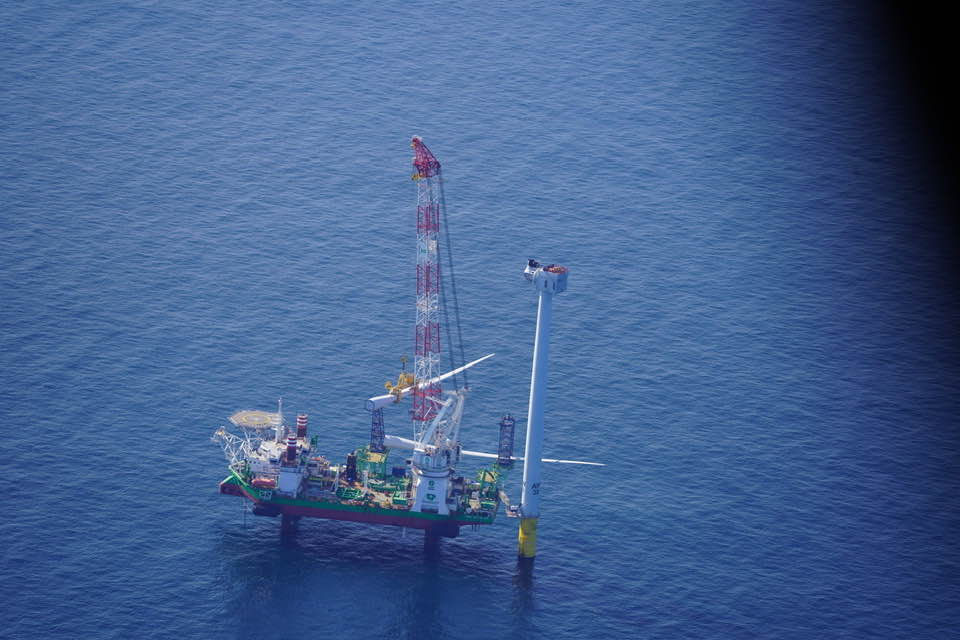
Posted in Norway, Offshore Energy - General, Offshore Wind, tagged Congressman Chris Smith, Empire Wind, Equinor, poor return, Secretary Burgum, wind investments on April 4, 2025| Leave a Comment »
A letter from Congressman Chris Smith (NJ) to Sec. Burgum is attached. Excerpt:
I am writing to advise you that Equinor, a Norwegian Energy multinational is planning to move forward with construction of its Empire Wind 1 project off the coast of New Jersey and New York as early as this April.
This is an alarming development and should not be allowed before the comprehensive review of offshore wind ordered by President Trump’s January 20th executive order is completed. The executive order states that the assessment is needed to review the many shortcomings of the Federal wind leasing process including, “potential inadequacies in various environmental reviews required by the National Environmental Policy Act.”
Meanwhile, Norwegian investors have expressed dissatisfaction with Equinor’s renewable energy ventures. This Norwegian article raises concerns about Empire Wind 1, saying the project “could become a new industrial scandal.”
Based on the respective financial performance of oil producers, I think it’s fair to say that investors aren’t attracted to those companies because of their wind projects.
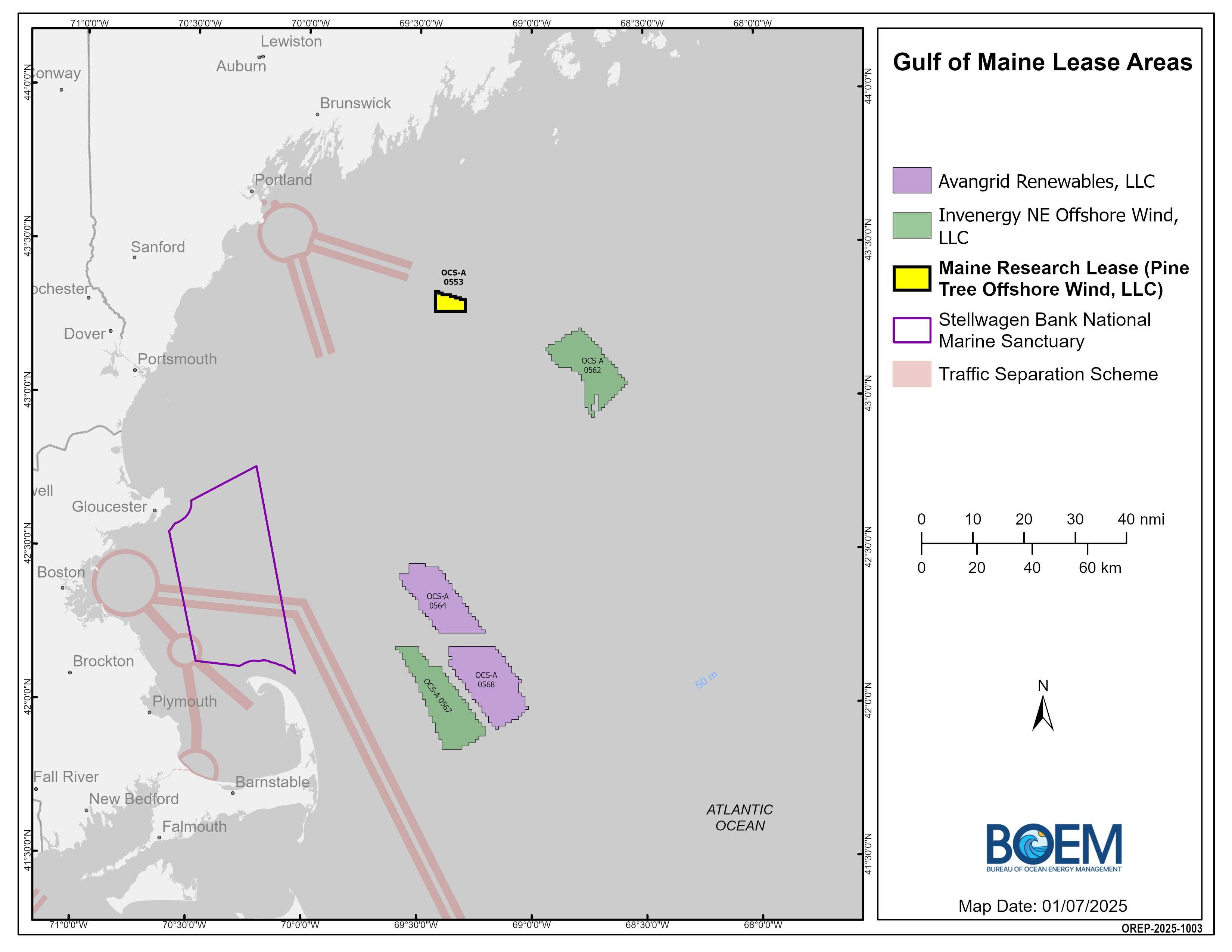
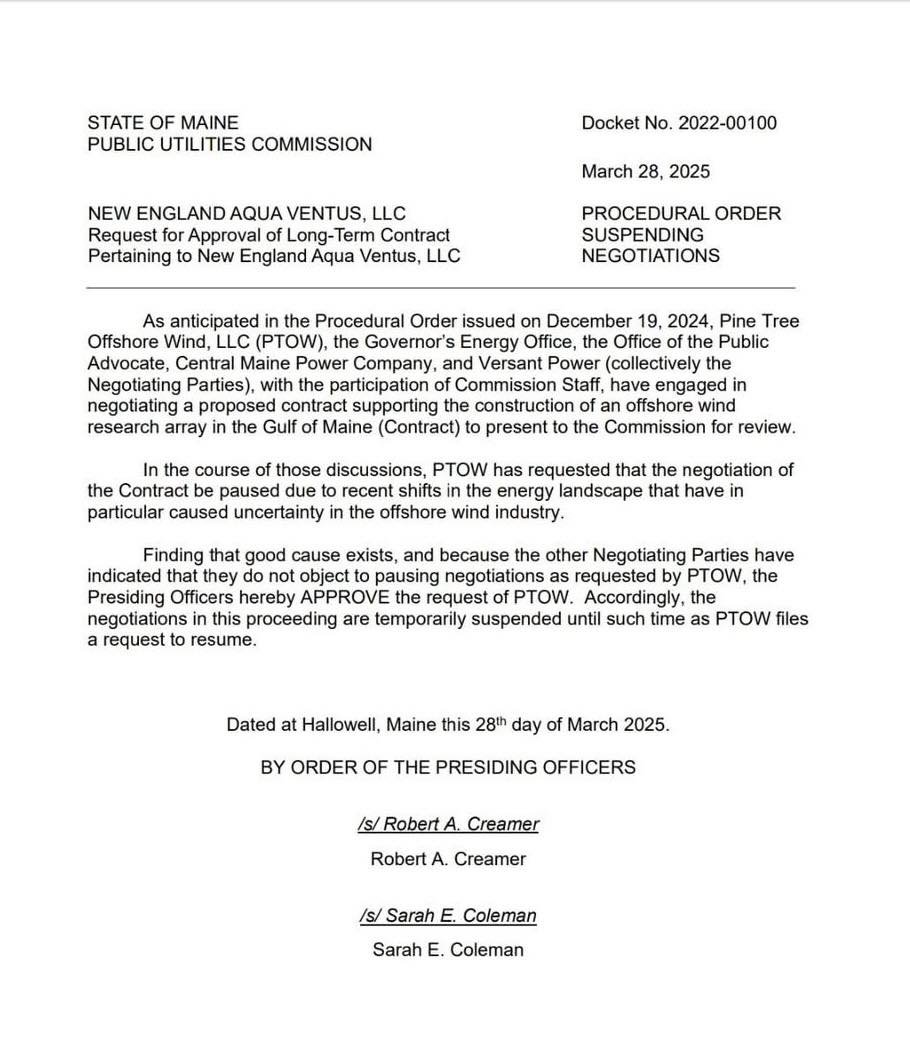
Posted in Offshore Wind, tagged floating wind turbines, Maine, project paused, research lease on March 29, 2025| Leave a Comment »
In this case, it’s a State of Maine research project for up to 12 floating turbines. This type of project is not viable without large subsidies which are apparently not forthcoming. See the Notice below.
Posted in Offshore Wind, Regulation, tagged Ack for Whales, air emissions, Atlantic Shores, Atlantic wind, EPA, New England Wind, Vineyard Wind on March 25, 2025| Leave a Comment »

In February, EPA Region 2 asked the agency’s Environmental Appeals Board to remand Atlantic Shores’ air emissions permit back to the Region for reconsideration. That remand (attached) was granted on 14 March over the objections of Atlantic Shores Offshore Wind.
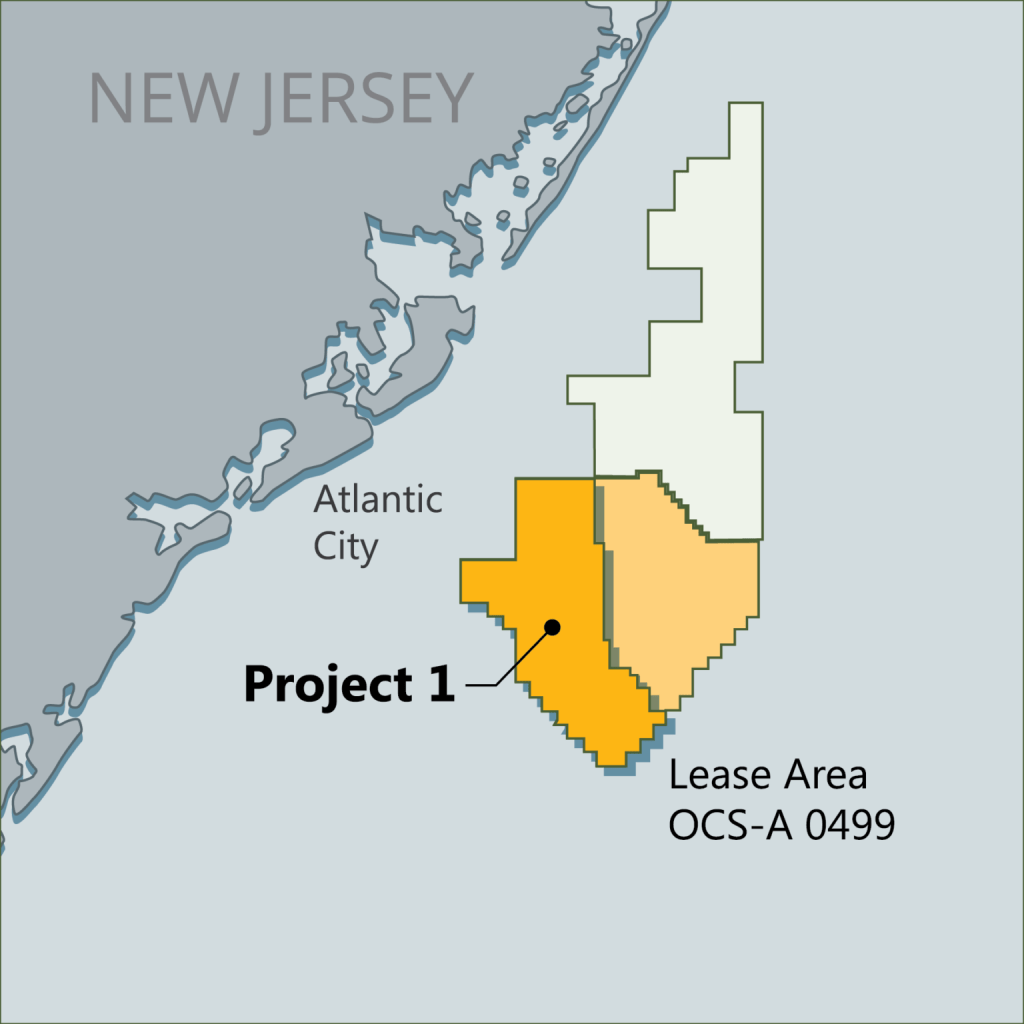
Atlantic Shores Offshore Wind still exists despite the exit of 50% partner Shell and a $940 million write down by the remaining owner EDF. The diagram depicts Atlantic Shores South (0499) and North (0549) lease areas.
EDF intends “to preserve the company and its future development.” Whether or not they can hold the leases indefinitely without pursuing development remains to be seen. BOEM’s diligence regulations for offshore wind projects are vague, and neither the Construction and Operations Plans nor BOEM’s Record of Decision (Atlantic Shores South) include work schedules.
Does EDF have the right to sit on the lease until the financial and regulatory environment is attractive? That is not allowed for oil and gas leases, and rightfully so. (See a related post on Total’s wind lease.)
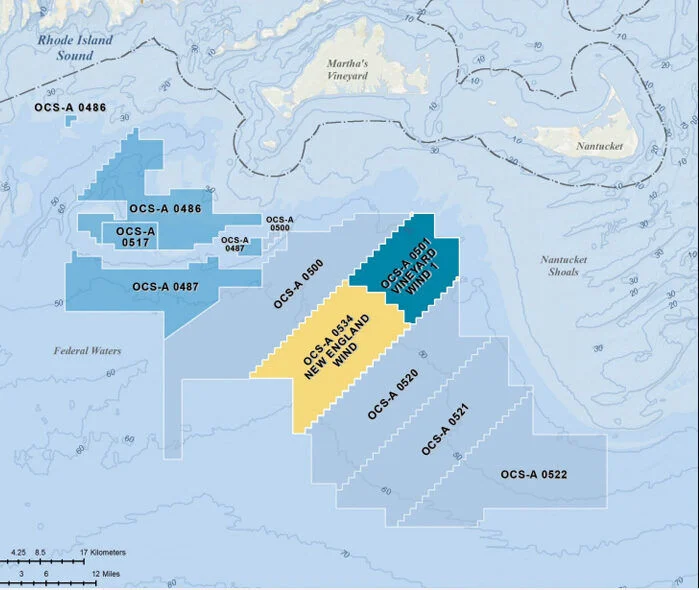
Meanwhile, ACK for Whales has petitioned EPA Region 1 to reopen and reanalyze the air permits for permits for the New England Wind 1 and 2 projects asserting that:
Posted in energy policy, Offshore Energy - General, Offshore Wind, UK, tagged Aberdeen, carbon capture, energy jobs, GB Energy, hydrogen, Juergen Maier, Keystone Pipeline, Louise Gilmour, North Sea oil and gas, Offshore Wind, the Scotsman on March 19, 2025| Leave a Comment »

Juergen Maier, chairman of GB Energy, “a planned British government-owned renewable energy investment body,” is promising to revive Aberdeen with “green energy” jobs, and to create “something special for the years ahead.”
Maier: “Floating offshore wind, green hydrogen, and carbon capture should be as synonymous with Aberdeen’s future as oil and gas have been with its past.” This is an interesting comment given that the success of the industries he is promoting is far from assured; nor is the continuation of government edicts and subsidies on which they are dependent.
How many times have we been told that the government driven energy transition would create thousands of jobs? How many workers in economically important industries have been told to transition to politically favored professions? How many Keystone Pipeline workers found the promised “green energy jobs?” Why were coal miners condescendingly told to “learn to code?”
Perhaps Mr. Maier should broaden his message by showing support for development of the Rosebank and Jackdaw fields, and for sustaining production of oil and gas, on which the UK will be dependent for many years. As Louise Gilmour wisely opined in her column in the Scotsman:
“We need more of it because even the most ardent supporters of renewable energy, the most vocal proponents of net zero, quietly admit oil and, especially, gas will be needed for a couple of decades at least. That obvious truth, that inarguable necessity, is not, apparently, enough for ministers to encourage UK production, however, or temper their rhetoric around renewables.“
“Allowing our rigs and refineries to power down and relying on other countries to keep the lights on still seems a little, well, counter-intuitive. We will import oil and gas but not produce it while happily exporting contracts, skills and jobs overseas? The practical impact of Labour’s refusal to grant new exploration licences in the North Sea might remain unclear but the message it sent was absolutely crystal.“
Posted in energy policy, Offshore Wind, Regulation, tagged Ørsted, competitive reservoirs, correlative rights, Irish Sea, oil industry compairson, Wind Theft, wind wakes on March 7, 2025| Leave a Comment »

The oil industry has a long history of dealing with the correlative rights issues associated with oil drainage from competitive reservoirs. Similar issues are arising in the offshore wind industry.
Orsted believes ‘catastrophic wake losses’ threaten the existence of their Irish Sea wind farms, claiming that wakes from EnBW, BP, and RWE projects could shorten the life of Orsted’s assets. Note that wind wakes can stretch as far as 100 km.
Orsted claims that four nearby wind farms in the Irish Sea could result in a drop in Orsted’s annual energy production of up to 5.34%, and is seeking mitigation or compensation.
This is all rather familiar to the oil industry and its regulators, particularly the call for compensation!
 Bud's Offshore Energy (BOE)