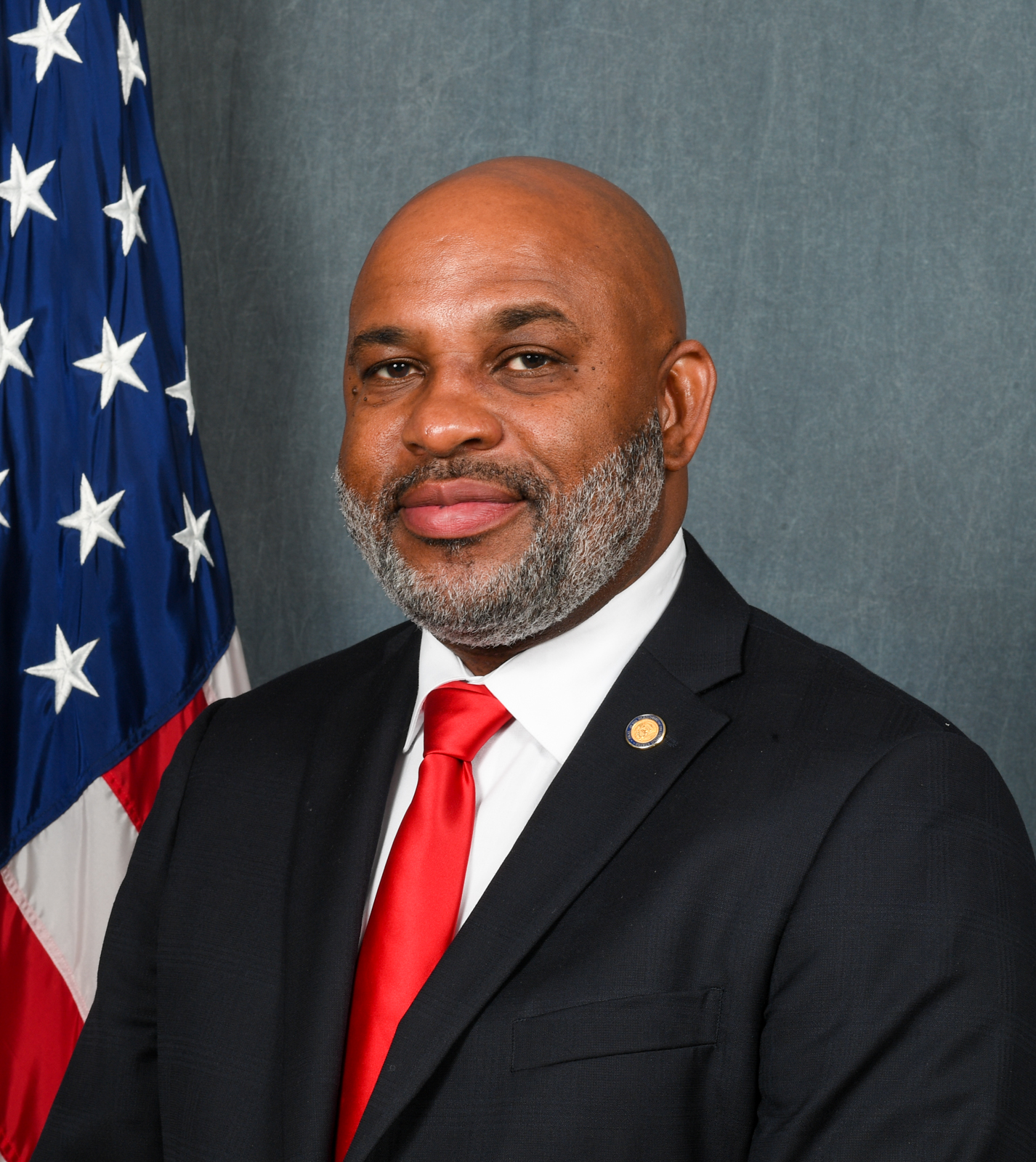
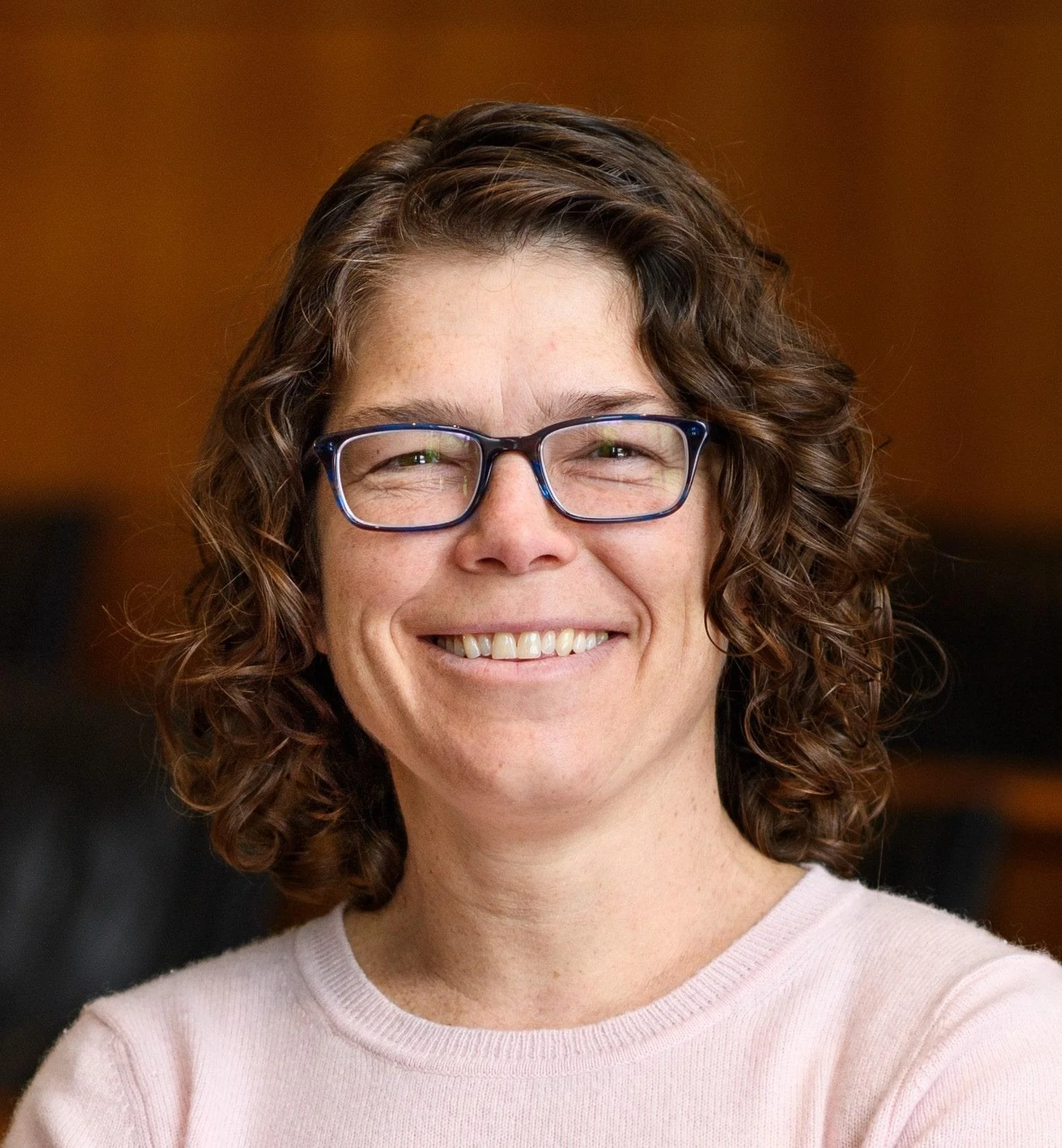
WASHINGTON — The Department of the Interior today announced that Bureau of Safety and Environmental Enforcement (BSEE) Director Kevin M. Sligh will depart his position effective September 6, after serving in the role for the past two and a half years. Kathryn (Kati) E. Kovacs, who serves as Deputy Assistant Secretary for Land and Minerals Management, will assume leadership of the bureau.
A cornerstone of Director Sligh’s tenure was a focus on the enhancement of BSEE’s emergency response capabilities. This included the first capping stack exercises in a decade, critical high-stakes operations designed to demonstrate the bureau’s readiness to rapidly seal off uncontrolled well blowouts on the Outer Continental Shelf (OCS). In addition, BSEE implemented improvements to its capabilities at its National Oil Spill Response Research and Renewable Energy Test Facility (Ohmsett), where new technologies and training are helping the United States and the international community better plan for and respond to oil spills and advance new renewable energy science and technologies. These efforts were essential in testing and proving BSEE’s ability to manage potential offshore incidents effectively, ensuring that the bureau and industry responders are equipped to act swiftly and efficiently if needed.
In her current role, Kovacs has had oversight over BSEE, focusing on their regulatory agenda. Thanks to both Kovacs’ and Sligh’s leadership during the Biden-Harris administration, the Department made significant progress in expanding its oversight of renewable energy sources, including the enactment of a final rule that transferred safety and environmental compliance responsibilities for offshore renewable energy from the Bureau of Ocean Energy Management (BOEM) to BSEE. The rule recognized that the scopes of the bureaus’ roles and responsibilities had matured since they were created more than a decade ago following the Deepwater Horizon tragedy and supports the Department’s commitment to independent regulatory oversight and enforcement in the renewable energy program.
Prior to joining the Department in April 2022, Kovacs was a professor of law at Rutgers University. Kovacs’ public service career also includes 12 years in the Department of Justice’s Environment and Natural Resources Division, Appellate Section and service as a senior advisor to the director of the Bureau of Land Management in 2016. Kovacs also served in the Baltimore City Law Department as an attorney and clerked for former Chief Judge of the Maryland Court of Appeals Robert C. Murphy. She is a graduate of Yale University and the Georgetown University Law Center.
Interestingly, on 18 Sept., Ms. Kovacs will be making a presentation at the Case Western Reserve School of Law entitled Regulating Energy and Land Management at the Department of the Interior. There is no charge to register.
“In the evolving landscape of Guyana’s oil and gas industry, few have managed to carve out a niche quite like Koaito Grant. A name synonymous with corporate photography, Grant’s journey from discovering his passion for capturing moments to becoming a sought-after photographer within the oil and gas sector is as inspiring as it is instructive.“
So true:“It’s the best feeling when a client reaches out and says you were very highly recommended by this or that person.” His professionalism and work ethic have been key differentiators. “I have a client that always asked if I was Guyanese because I’m always early for all projects and activities.”👍 💯
The 45 day payment period, that the President of Guyana believes is unnecessarily long, is actually shorter than the 60+ days required by many large companies. It’s unfortunate that these companies have to be jawboned into paying contractors in a timely manner.
Making money from the “float” at the expense of small contractors makes poor business sense as well as poor social sense. Successful companies understand the importance of small business partners in growing production, innovating, expanding supply options, and garnering local and national support. Do the financial gains associated with delayed payments justify alienating the individuals and small businesses that should be the strongest proponents of your company and your industry?
Pockets of Light at Dawn by JL DaeschlerIsle of May in the Sky by JL DaeschlerProvincetown Pier by Karen DanenbergerEvening Calm, Boat Meadow by Karen Danenberger
Secret Service being scrutinized following assassination attemptHeroic volunteer fire chief Corey Comperatore, who died shielding his family at the Trump rally
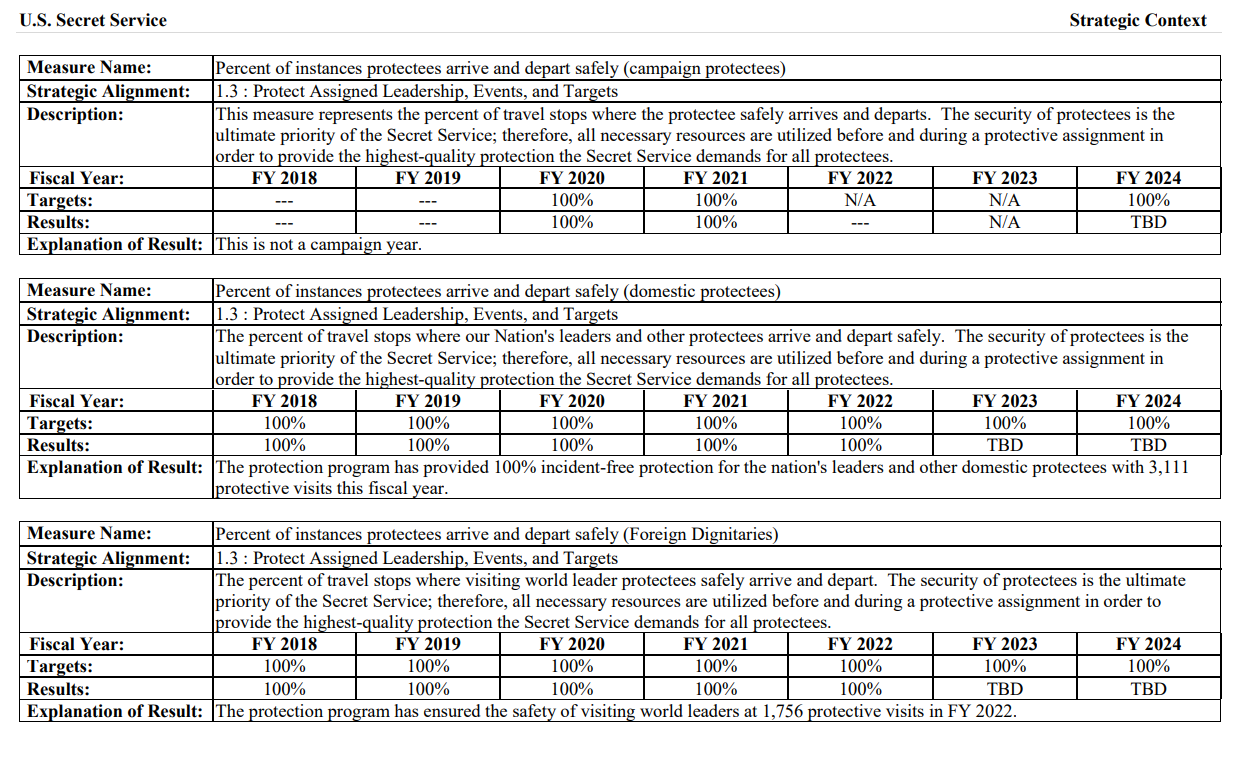
As is the case with many Federal and corporate entities, the Secret Service website is long on promotion and short on substantive details and performance data. The limited “Measurable Impact” statistics on their webpage advise that the Secret Service protected 6623 foreign and domestic visits “without incident” in Fiscal Year 2022, which ended 22 months ago.
Their 2024 budget request overview includes a bit more information (pasted below). The Secret Service gives themselves a perfect score if protectees arrive and depart safely. When your scores are always 100%, your performance measures are clearly inadequate.
Like drilling blowouts, assassinations are low frequency, high consequence events. Prevention requires gathering data on lesser events, identifying leading indicators, and tracking high-potential precursors. You don’t prevent high consequence events by only tracking high consequence events.
Inspections are also critical. Does the Secret Service inspect events to assess protective measures such as verifying that the surrounding areas are cleared and being observed? If so, what do those numbers look like.
This is very true, but engineers may not have a choice when directed to optimize a flawed decision.
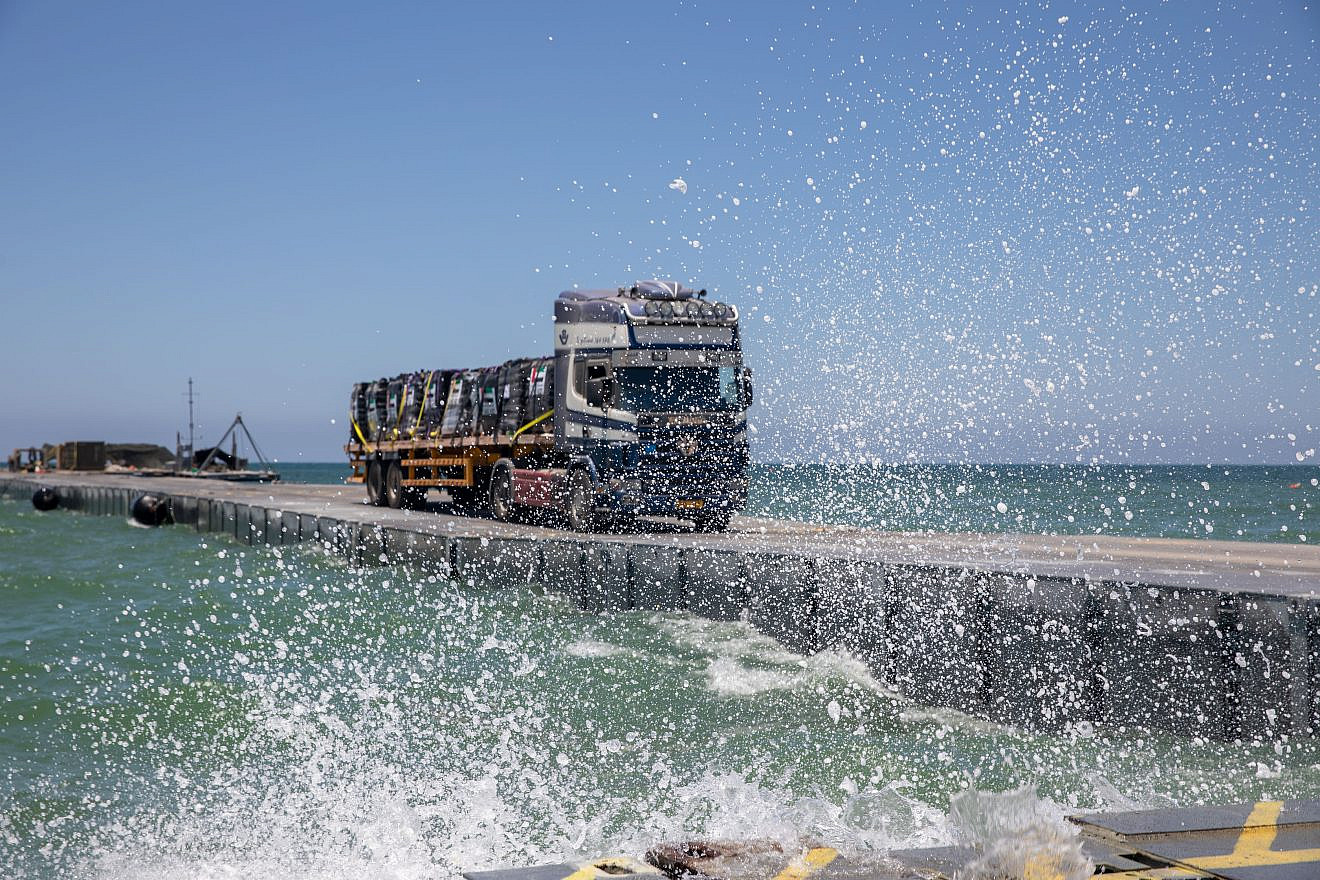
Gaza pier
For example, the installation of the Gaza pier was a political decision imposed on military engineers without assessing the operational risks. The $230 million pier was in operation for only 20 days, long enough for several serious injuries to result from the reckless decision.
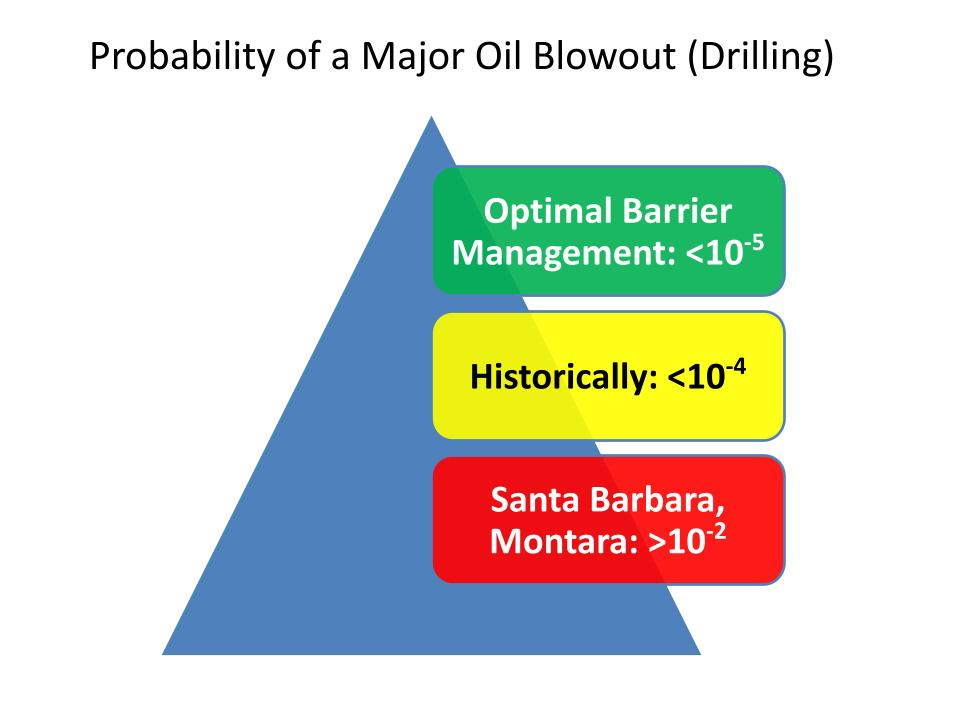
Some of the worst offshore drilling incidents were largely the result of culture or management driven attempts to save time and money. Modest cost savings were prioritized over verifying well integrity during both the Montara and Macondo well suspensions. The Santa Barbara blowout was the result of eliminating a casing string during development drilling, which virtually assured an uncontrolled flow in the event of a well kick.
Jean-Louis Daeschler, is an artist and pioneering subsea engineer. A native of France (Brittany), he has worked in the offshore industry worldwide and lives in Scotland. His wife is from Singapore and his children and grandchildren live in England and Canada.
Before beginning his engineering career, JL had the distinct honor of exhibiting his artwork at the French National Assembly (Parliament) in Paris (article below). How many offshore engineers can say that? None would be a good guess.
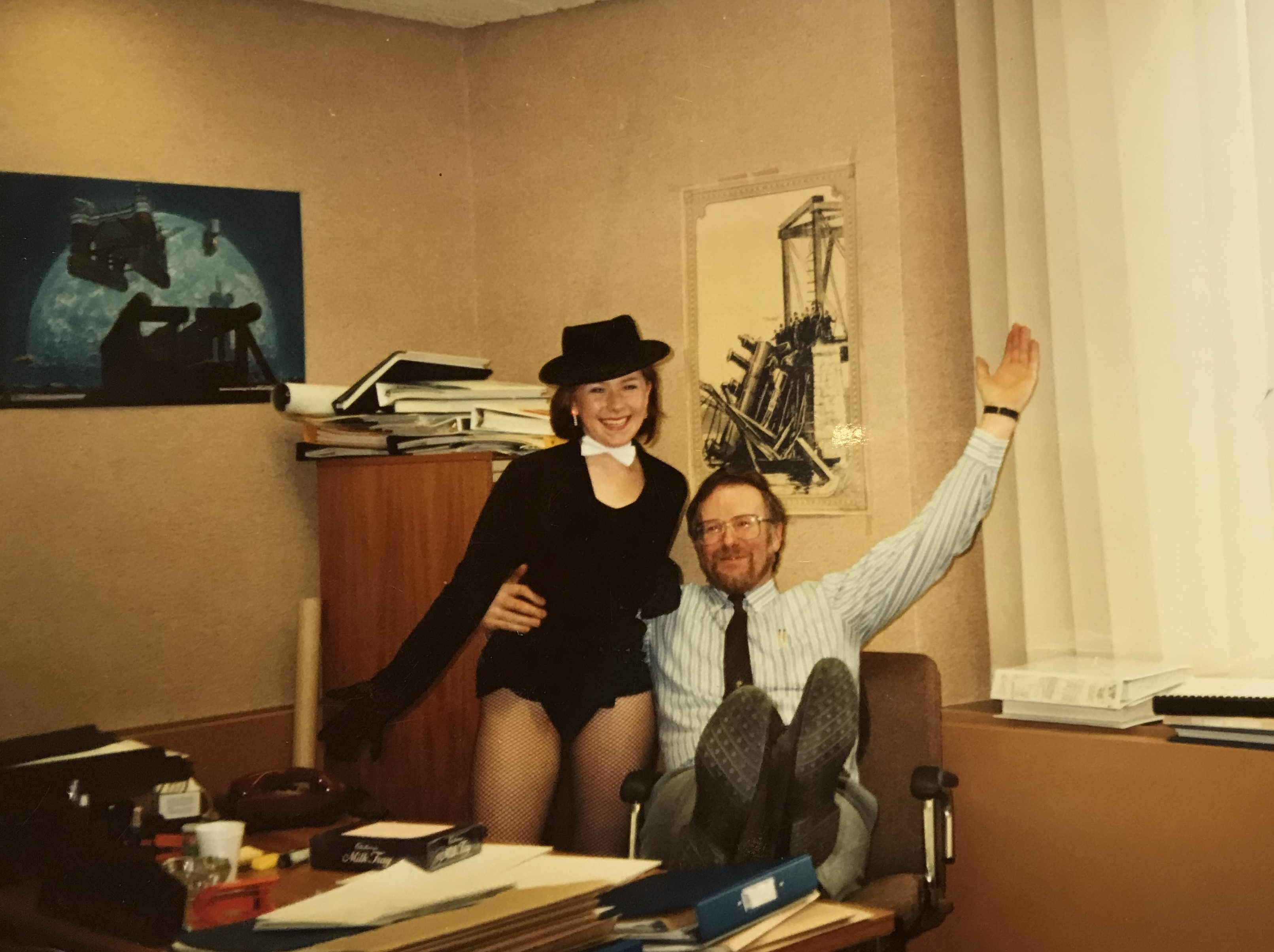
When he was called upon to work in Total’s onshore office, his boss told him “the best offshore job is in the office!” The photo below suggests that JL made the most of those onshore assignments! 😀
JL Daeschler, part of Total’s subsea team, enjoying his onshore assignment in 1985
Congratulations to JL on his many contributions to the offshore industry, art, and society!