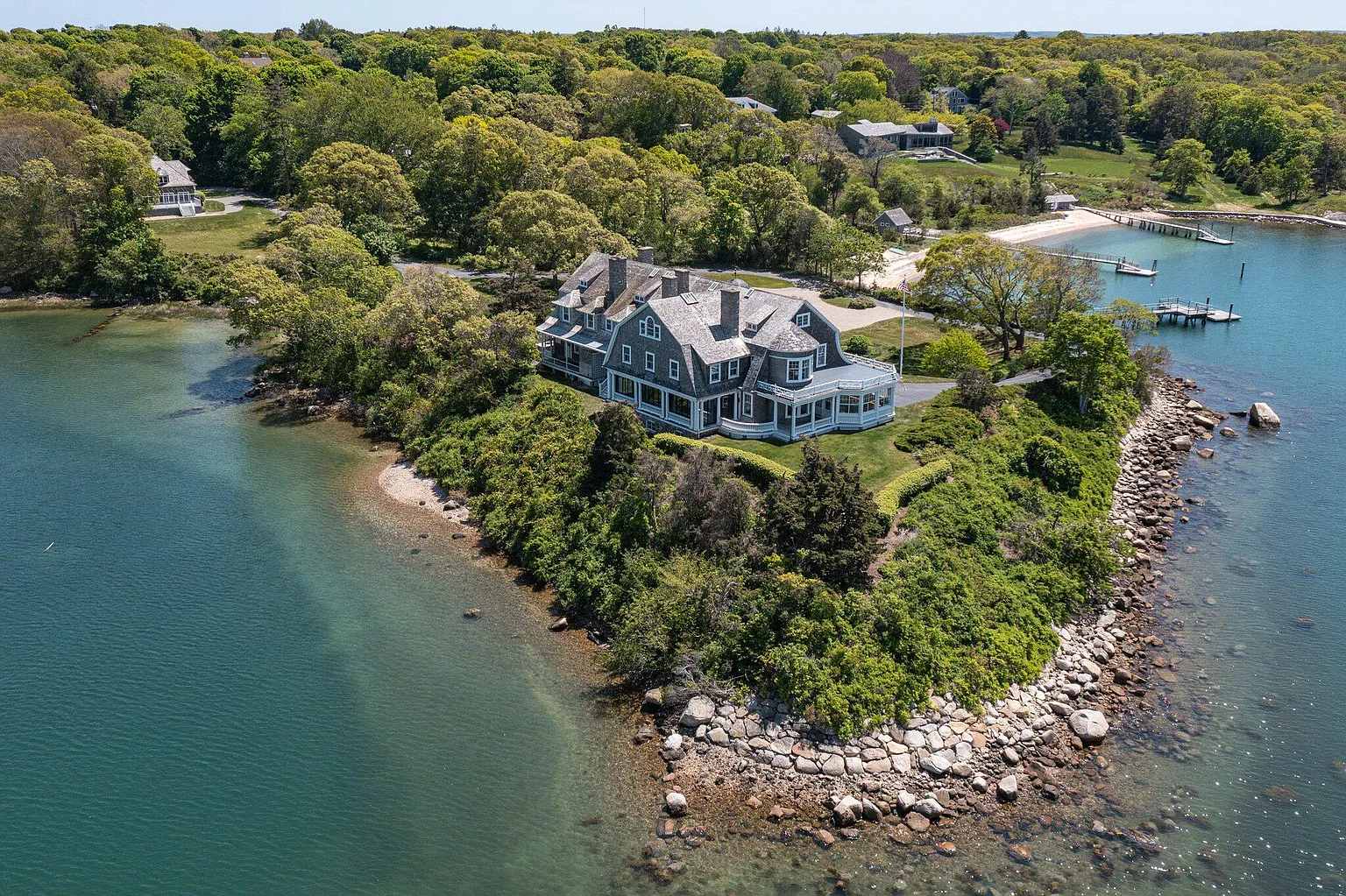
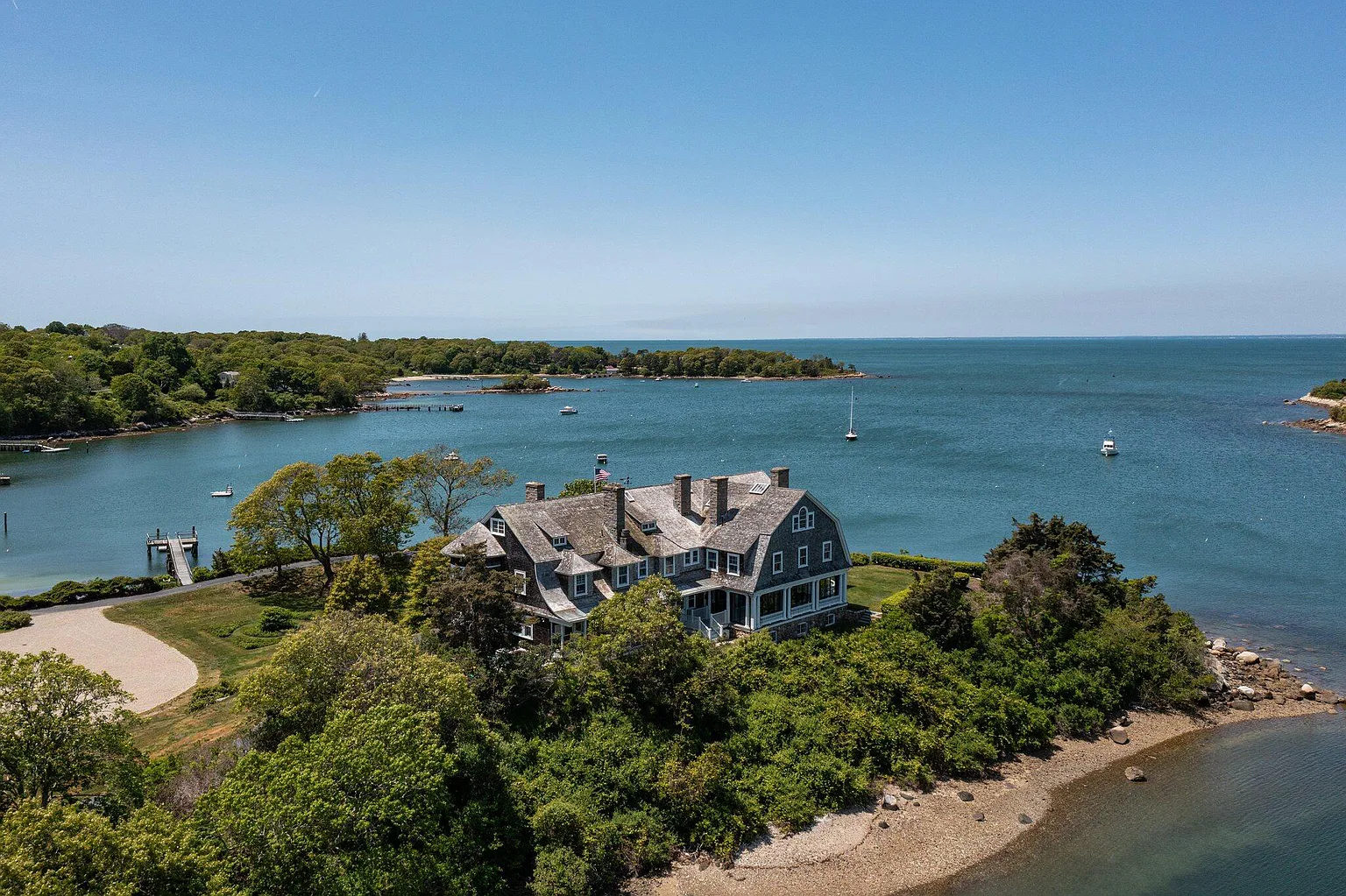
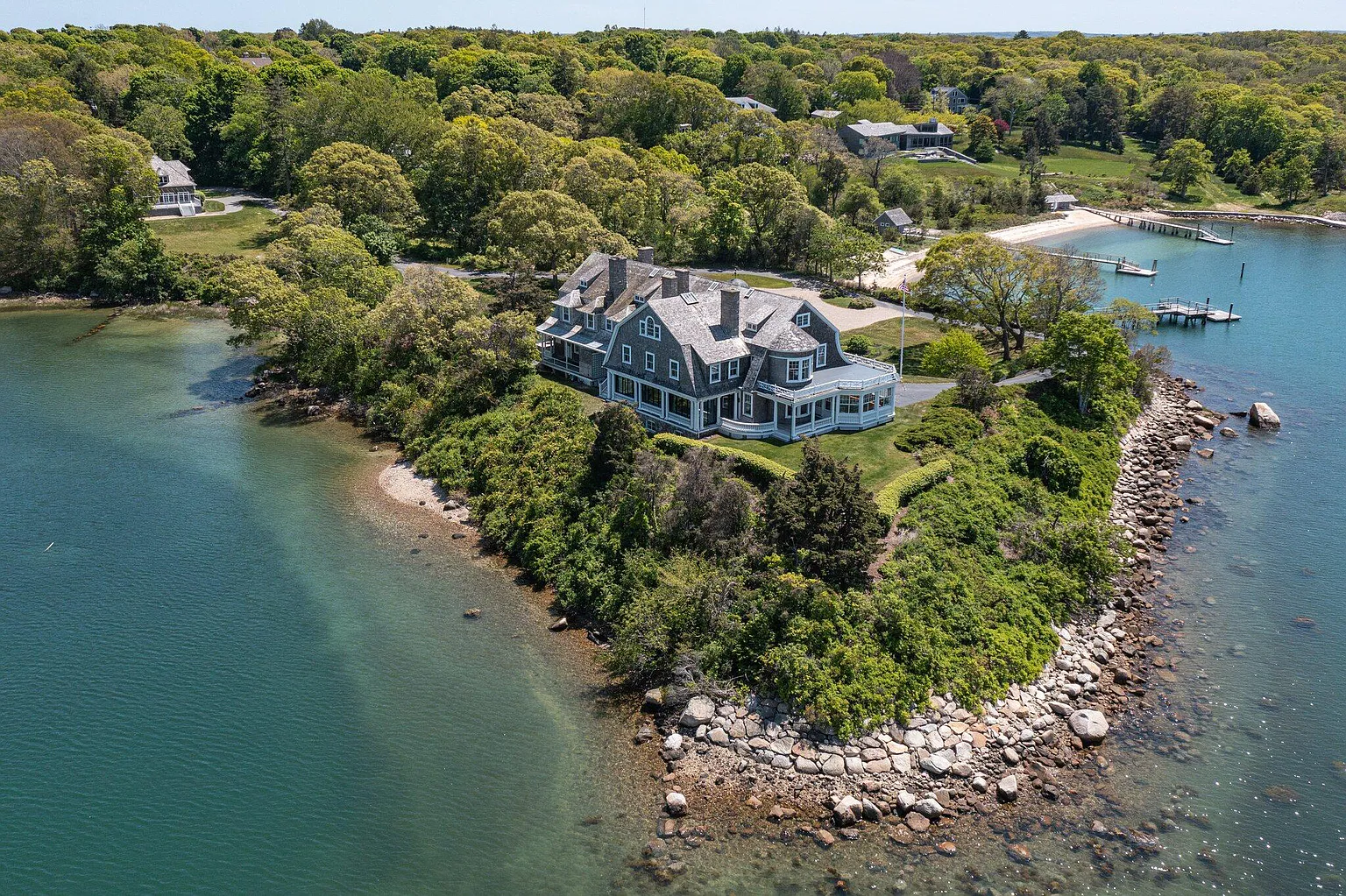
As a followup to the post on the sale of the Quissett estate, previously owned by the National Academies and used for conferences and meetings, the purchasers are William F Scannell and his wife Elizabeth A Scannell. Bill Scannell is President of Global Sales & Customer Operations at Dell Technologies.
The property was on the market for 2 years, and the purchase price was only about half of what NASEM was asking. NASEM must have really wanted to unload this great property which served the marine science community well for nearly 50 years
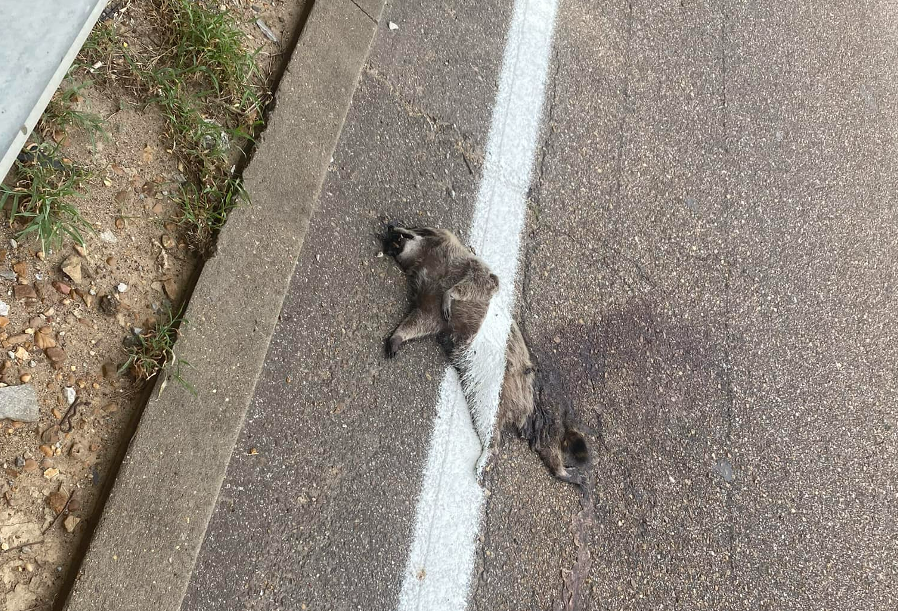
My former colleague Jim Lane, who shared the original Not My Job Award photo many years ago, has forwarded impressive evidence (below) that the NMJA work ethic is still proudly on display. 😉
Jim commented that the freshly painted raccoon is a more modern and universal NMJA symbol than the old armadillo.
Either image, properly presented, is appropriate recognition for proud Not-My-Jobbers in your organization or industry. 😉
USS Oriskany (CV-34) holds the distinction of being the final Essex-class aircraft carrier ever completed. Instead of being decommissioned and scrapped, the ship was intentionally sunk approximately 25 miles south of Pensacola, Florida. This unique decision transformed the USS Oriskany into the largest ship ever used to create an artificial reef. Due to this extraordinary use, the carrier has earned the affectionate nickname “The Great Carrier Reef.”from Military Tactics
Savvy marketing? Looking for mandates and incentives? Taxation opportunity?
Burps are the top source of methane emissions from cattle. Semex, the genetics company that sold Loewith the semen, said adoption of the low-methane trait could reduce methane emissions from Canada’s dairy herd by 1.5% annually, and up to 20%-30% by 2050.
The Canadian government currently offers no incentives for low-methane cattle breeding, but the agriculture department said in an email that Ottawa is working to introduce offset credits for reducing methane through better manure management.
New Zealand will begin taxing farmers for methane from cattle in 2025.
Juha Nousiainen, senior vice-president at Valio, a Finnish dairy, warned that breeding cattle to burp less methane could create digestive problems. Methane is produced by microbes in the cow’s gut as it digests fibre, not by the animal itself, he said.
We have our own genetically engineered livestock offshore. 😀
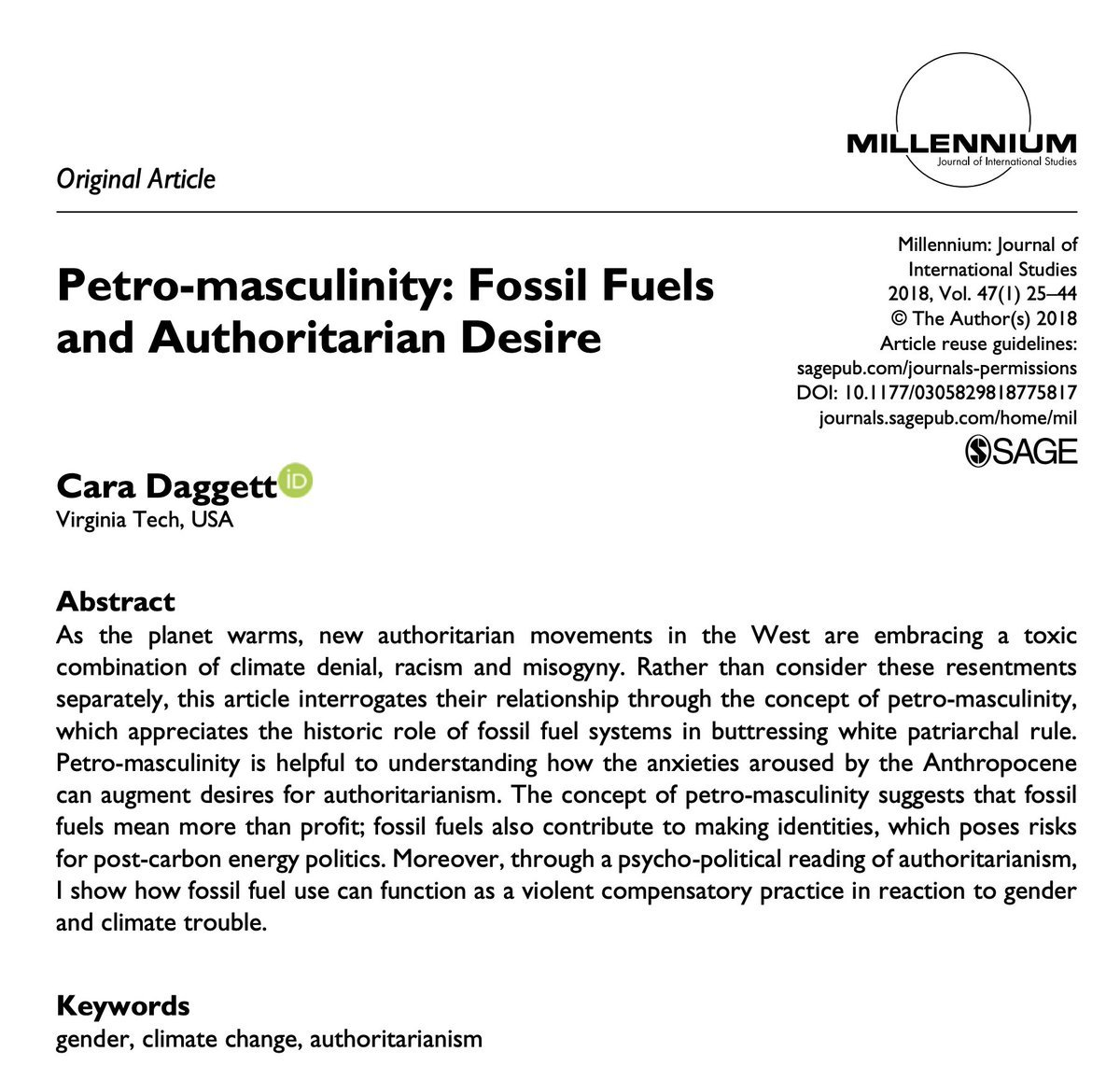
The paper is short on facts and long on dogma and political rhetoric, but is not entirely without merit. The author acknowledges, albeit in a backhanded manner, the massive social benefits that fossil fuels have provided (quote below). Would our economy have been strong enough to support academic pursuits such as hers were it not for fossil fuels and “petro-masculine” ingenuity and labor?
“Fossil fuels built the modern world. There remains an appreciation for fossil fuels – or, at least, for the high energy consumption they provided – as a catalyst of mass liberal democracy. This is evident in ecomodernist calls for a good Anthropocene that would decouple the benefits of fossil fuels from the fuels themselves. After all, while industrialisation wreaks planetary destruction, its spread was coterminous with humanist victories like the abolition of slavery, increased literacy rates, gender equality and poverty reduction. Dipesh Chakrabarty notes that this cannot be a coincidence, and that ‘the mansion of modern freedoms stands on an ever-expanding base of fossil-fuel use. Most of our freedoms so far have been energy-intensive.“
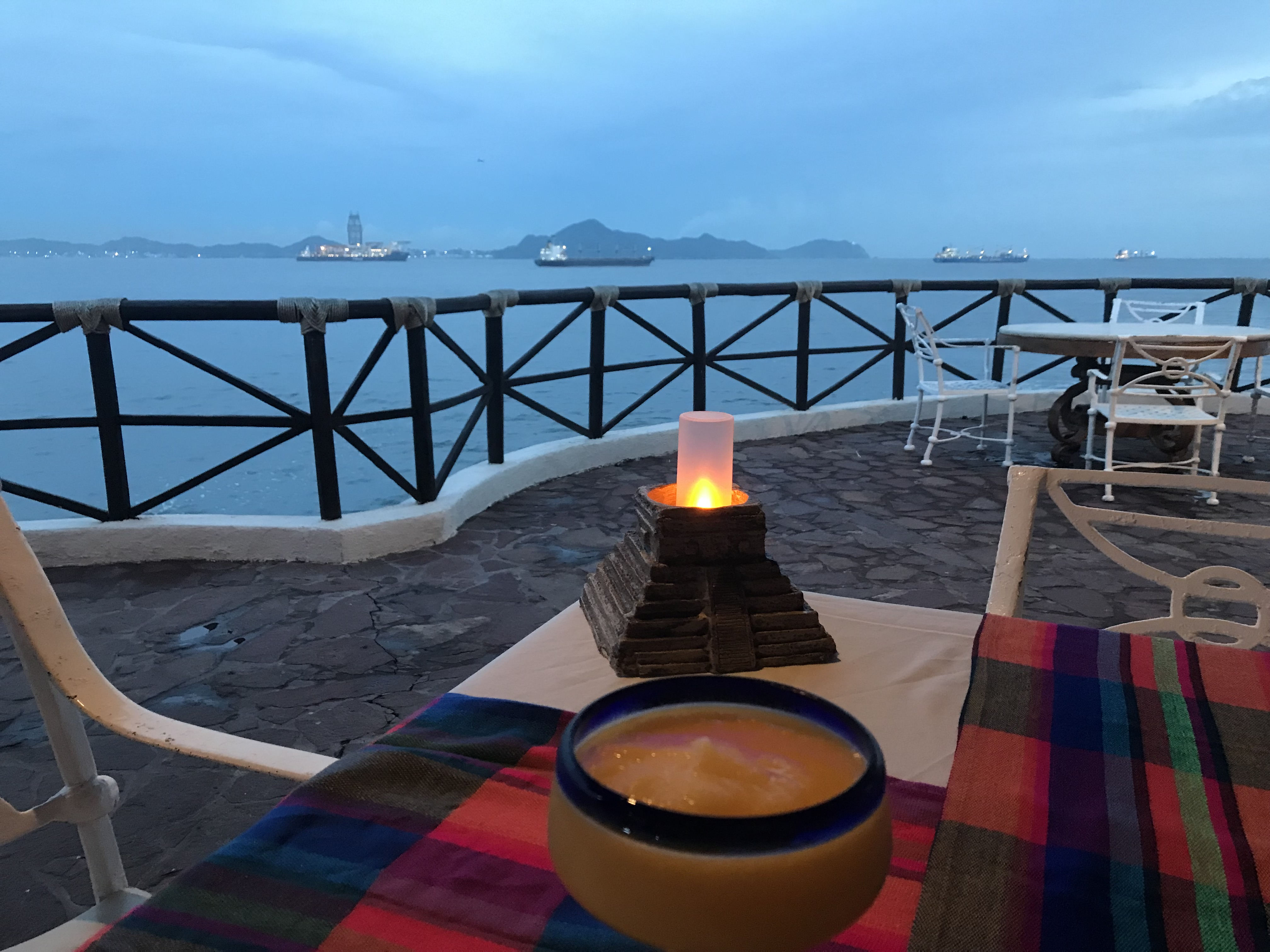
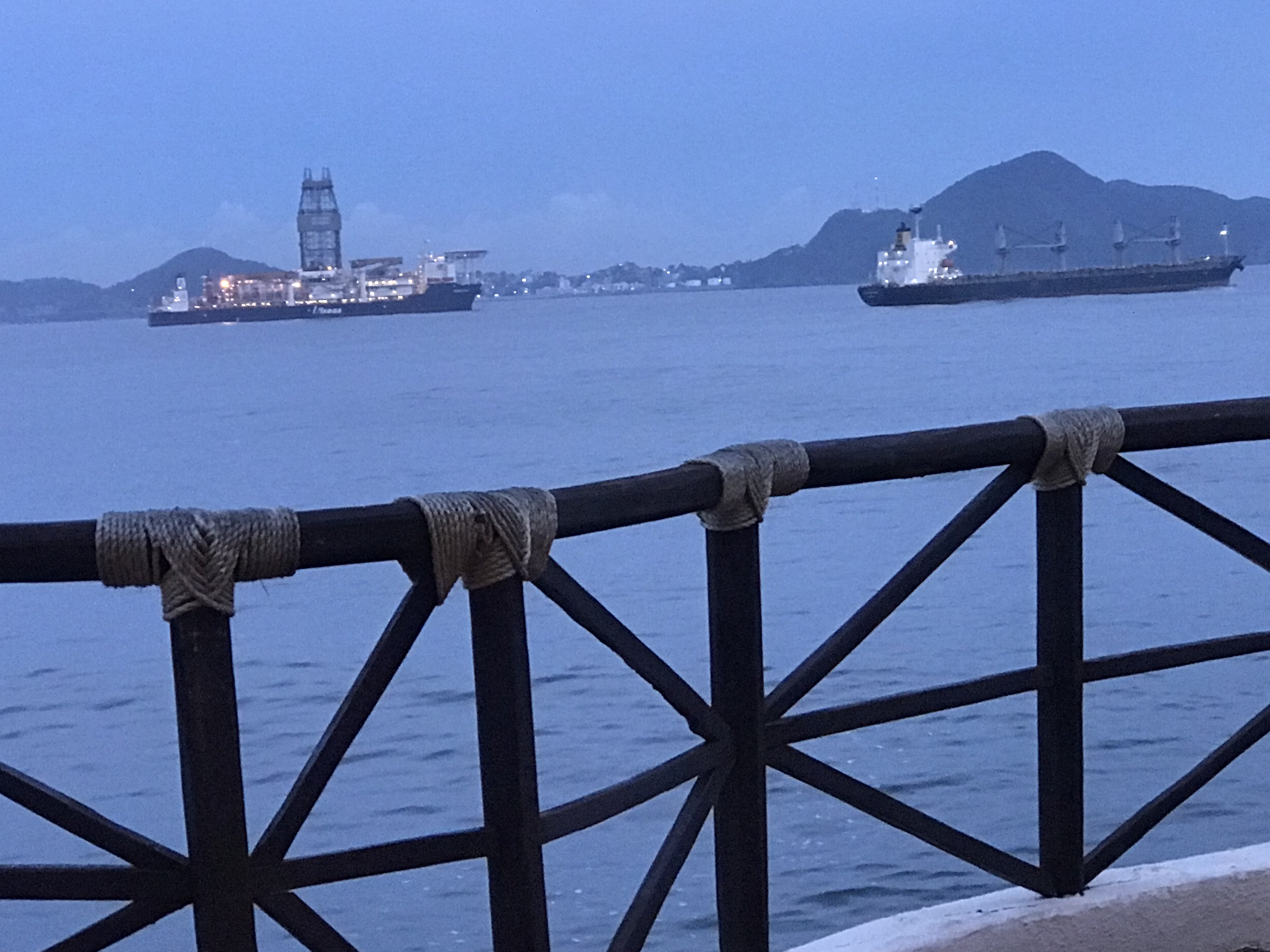
Per TMC’s latest update, the earliest that deepsea mining operations could be conducted is late 2025, so the vessel is likely to remain in Manzanillo for Andrew’s viewing pleasure. Nothing like a water view with a rig on the horizon. 😉
Andrew’s viewing location5X enlargement for a better look at the mining vessel.
According to Zillow, the National Academies beloved Jonsson Center in Woods Hole was sold on Friday (8/4) for $13.5 million, less than half the original asking price. I have no idea who bought it and how it will be used. The Jonsson Center was an amazing venue for meetings and conferences. The beautiful estate served the marine science and policy communities well for decades.
Jean-Louis Daeschler, a pioneering offshore engineer, has shared this very interesting story about his interaction with George HW Bush (pictured):
One day I was driving in Kennebunkport and told my wife that I met the man who lived in that house on the coastal road – the President George HW Bush!
Early in my career, a new drillship was being built in Port Arthur TX for Zapata Offshore. One morning, the entrance to the shipyard was closed off. A peaceful group of picketers told us we could not enter. Many of us had left work clothes, file drawings, and even passports and money at our camp in the yard. This was before mobile phones and the internet! So we went back home to wait for guidance. 2-3 days later we had to attend a meeting in Houston (a 2 hr drive) at the Pennzoil Tower, and we met Mr Bush. He was very cool and calmed us down. He advised us not to cross the picket line or get into an argument with the workers. He had already made arrangements to use 4-5 rooms at a Holiday Inn near Beaumont. They removed the hotel furniture and provided desks, pencils, and phones. Our personal effects had been collected from the yard and delivered to the our temporary workplace at the Holiday Inn.
My colleagues and I had a great chat with Mr. Bush. In particular he asked me questions about the D-Day invasion at Normandy. However, although I was born there, it was at the end of the war in 1945, so I did not personally experience the invasion. We left the meeting relaxed and with directives on what not to do. He kindly gave me one of his gold Cross pens, before we shook hands and departed.
Years later at a dinner in Aberdeen with Total Fina Elf, I gave that pen to the wife of the Project Manager (without the story). So there we go; a pen from Houston goes to Paris via Aberdeen in 17 years! Sometimes you smile in the oil patch!
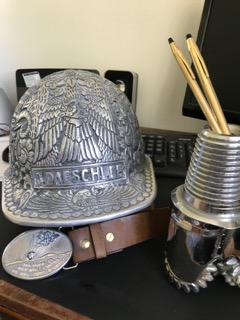
JL Daeschler photo: Red Adair belt with a diamond drill bit from the Beaufort sea, a hardhat from Indonesia, and 2 new Cross pens! Life is good 😀
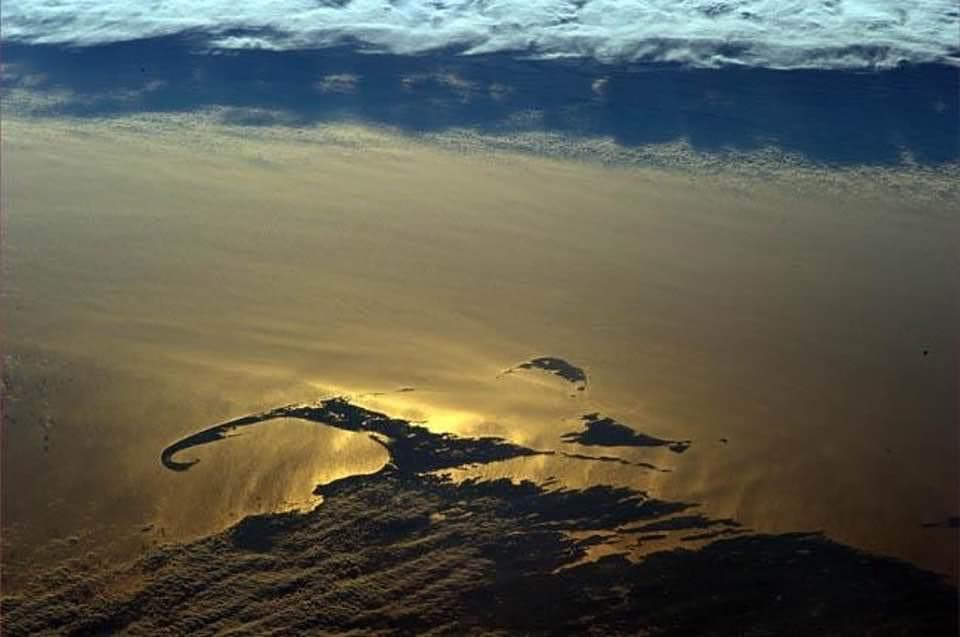
This wonderful satellite image of Cape Cod, Nantucket, and Martha’s Vineyard was posted by a Facebook friend. Cape Cod is quite young, having been formed by a retreating glacier about 20,000 years ago.
I moved to Cape Cod 43 years ago in preparation for the exploratory drilling operations on Georges Bank. I met so many amazing and supportive people during my 4 years there including (most importantly) my wife, State and local officials, congressional representatives, Woods Hole scientists, fishermen, reporters, airport officials, industry representatives, Coast Guard officers, offshore workers, environmental activists, and concerned citizens. All contributed to an outstanding work experience for me and my colleagues.
The 8 exploratory were at locations 112 to 155 miles SE of Nantucket (map below).
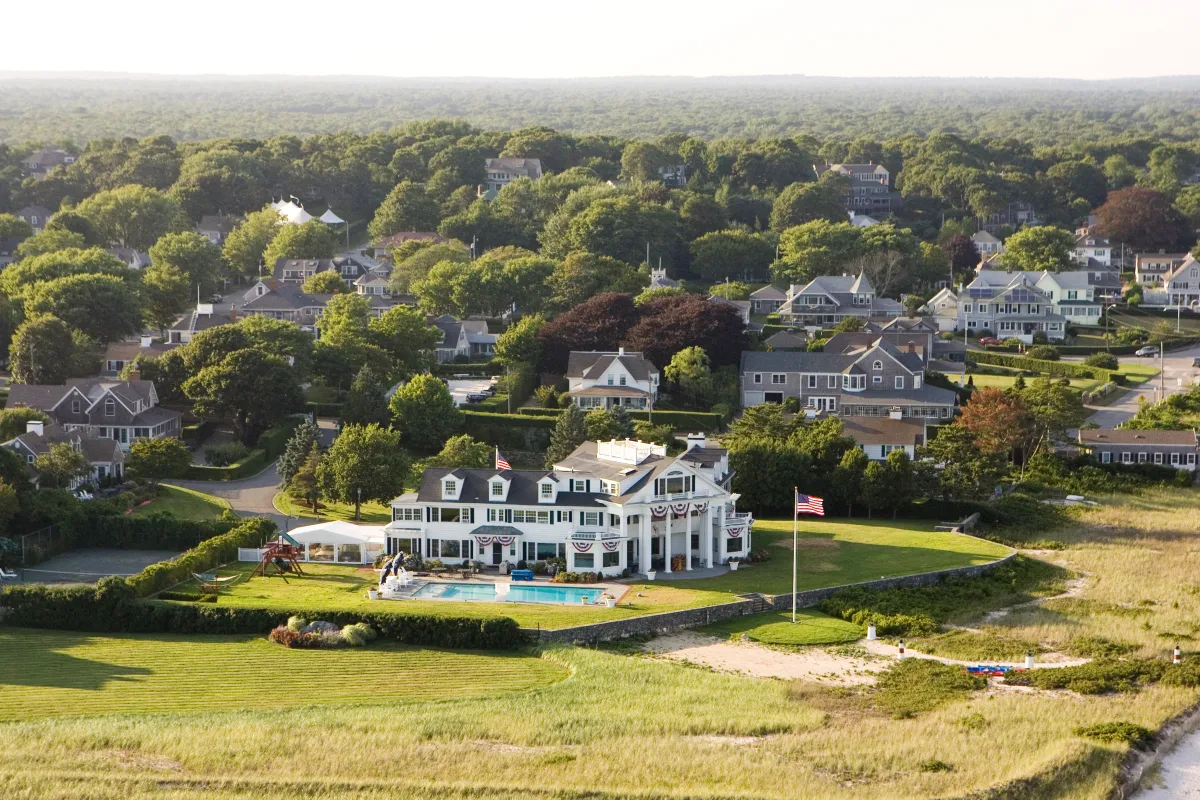
I lived in Hyannis, not far from the Kennedy compound (pictured below) which was on my jogging route. It was an easy bike ride to our office at Barnstable Municipal Airport, where we departed to inspect the exploratory drilling operations.
RFK Jr. talks about the Kennedy compound and the “Camelot years” during JFK’s presidency.
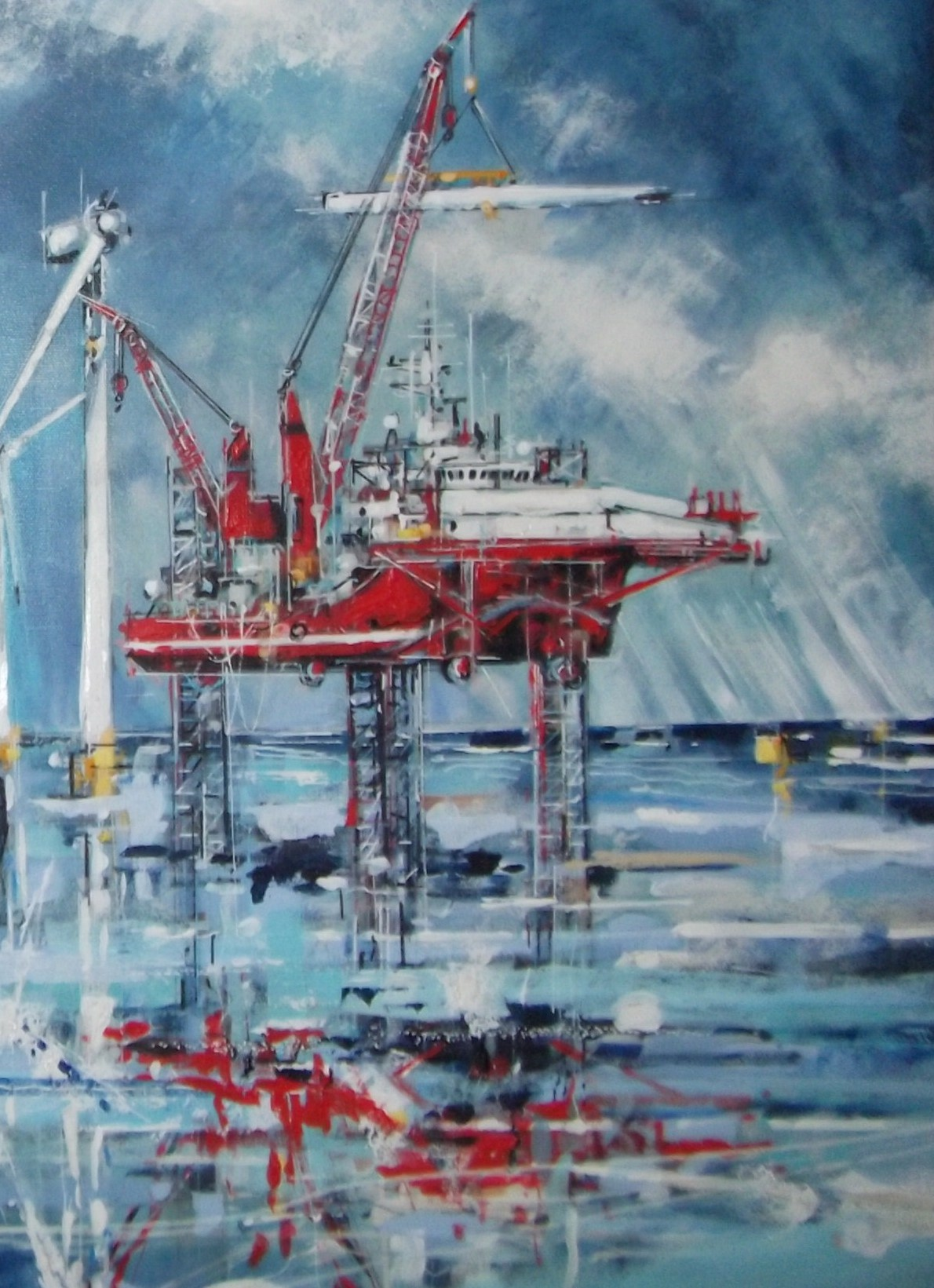
Pioneering subsea engineer, Jean Louis Daeschler, is also an acclaimed artist. He recently shared two paintings that are very much on-topic for this blog. The paintings depict a wind turbine installation with support from a jackup vessel, and a drilling operation with jackup rig. The paintings give a sense of the commonality of these mutually supportive industries.