Feeds:
Posts
Comments

Archive for the ‘Offshore Energy – General’ Category

After devastating South Florida during August 25, 1992, Hurricane Andrew struck Gulf of Mexico facilities the following day. Sustained winds were 140 mph with gusts to 160 mph, and significant wave heights were 35-40 feet. About 700 platforms were exposed to hurricane force winds. 241 platforms and 83 pipeline segments incurred substantial damage.

All workers had been evacuated from the offshore facilities without incident. Surface and subsurface safety systems performed as intended, and there were no uncontrolled flows from production wells. According to respondents to a JP Kenny survey for MMS, 2698 valves were closed during the storm as follows:

valve typeactivatedfailed
subsurface safety valves7160
master surface safety valves7295
wing surface safety valves4600
pipeline shutdown valve4150
pipeline check valve3780

The five MSSV failures were at facilities directly in the path of the eye in an area where the storm damage was most severe.

The valve performance reporting was associated with a research project and was thus voluntary. It’s therefore important to give credit to the companies that participated (a number of which no longer exist): Amoco, Aquila Energy, BP, Chevron, Four Star O&G, Gulfstream, Houston Expl., Kerr-McGee, Mobil, Pennzoil, Samedan, Shell, Sonat, Stone, Tennessee Gas PL, Texaco, and Unocal.

Also, in reviewing the survey responses it’s clear that there was some confusion about what to report. Most facilities were completely shut-in well ahead of the storm’s arrival and the survey requests information on valves that were shut-in (presumably automatically) during the hurricane. Reporting was therefore inconsistent, and the total number of shut-in valves was under-reported.

Read Full Post »

It was revealed on Friday that Warren Buffett’s Berkshire Hathaway (NYSE: BRK-A) has received Federal Energy Regulatory Commission approval to acquire up to 50% of Occidental Petroleum’s (NYSE: OXY) common stock.

StreetInsider.com

Oxy (Andarko) fared very well in BOE’s mid-year review and apparently the “Oracle of Omaha” noticed. πŸ˜‰

Read Full Post »

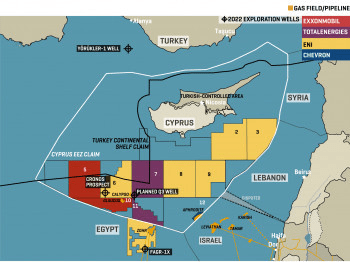
Eni announces another deepwater gas discovery:

  • Offshore Cyprus
  • Cronos-1 well; Block 6 on map
  • 2287m water depth
  • >2.5 tcf

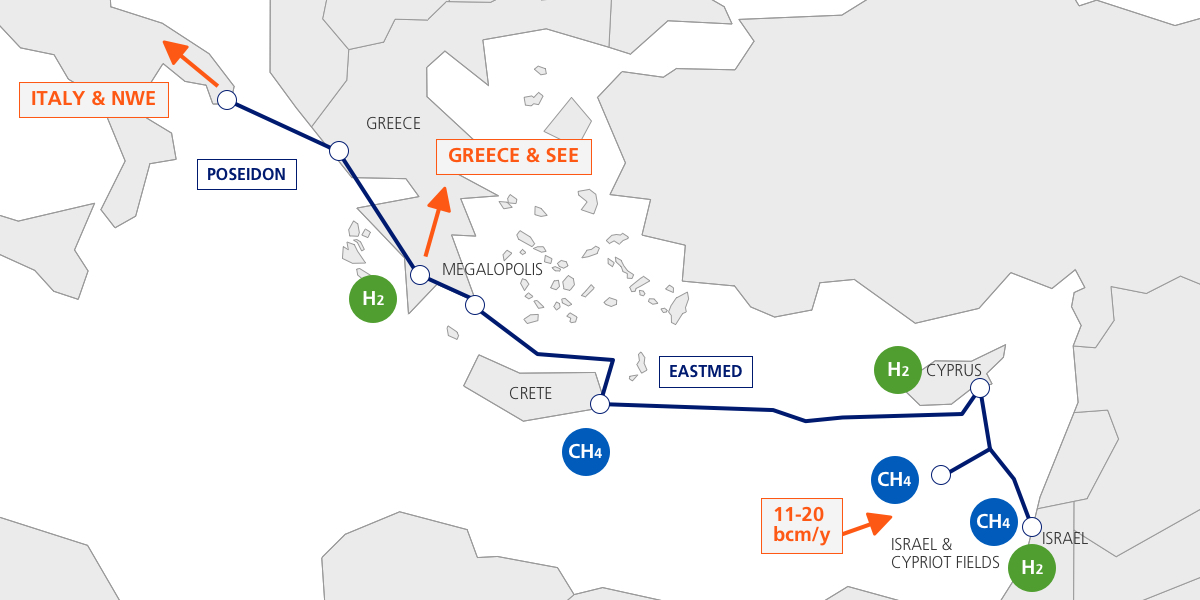
The challenge is getting the 100+ trillion cubic feet of gas to European markets. The East Med Poseidon Gas Pipeline (map below) makes the most sense, but the current US administration inexplicably opposes this project. Other options include LNG via Egypt, a pipeline to Turkey, and a floating LNG facility.

Read Full Post »

Contrary to some media reports and industry comments, the Inflation Reduction Act does NOT require the Department of the Interior (DOI) to award leases to the high bidder on each Sale 257 tract. The legislation requires DOI to accept the highest valid bid for each tract.

As BOE has previously explained, the 94 carbon sequestration bids were clearly not valid, and leases should not be awarded. These bids accounted for 30.5% of the entire sale in terms of the number of tracts receiving bids. (More on the CCS bids.)

There is also the matter of fair market value. Only 9 of the 214 (non-CCS) tracts received more than one bid and none received more than 2 bids. DOI/BOEM may determine that some of the bids did not pass the fair market value test. Are such bids “valid” under the terms of the IRA legislation? Note that 7 of the 93 high bids submitted at the previous sale (Lease Sale 256, November 2020) were rejected on fair market value grounds. All 7 were single bid tracts.

Lastly, there is the unresolved matter of the decision by Judge Contreras to vacate Sale 257. While the legislation seems to clearly supersede that decision, who knows what might happen next on the litigation front.

Read Full Post »

One of the purposes of this blog is to help preserve history that would have otherwise been lost.

Attached is a USGS North Atlantic District newsletter from the Georges Bank drilling days.

Read Full Post »

beneath Platform Gilda, Santa Barbara Channel

This Montecito Journal article explains the ecological importance of California offshore platforms and summarizes the challenging regulatory issues associated with their decommissioning.

According to a paper published in 2014 by marine ecologist Dr. Jeremy Claisse of Cal Poly Pomona, the oil and gas platforms off the coast of California are the most productive marine habitats per unit area in the world. β€œEven the least productive platform was more productive than Chesapeake Bay or a coral reef in Moorea,” said Dr. Love. (Milt Love, UCSB biologist)

Read Full Post »

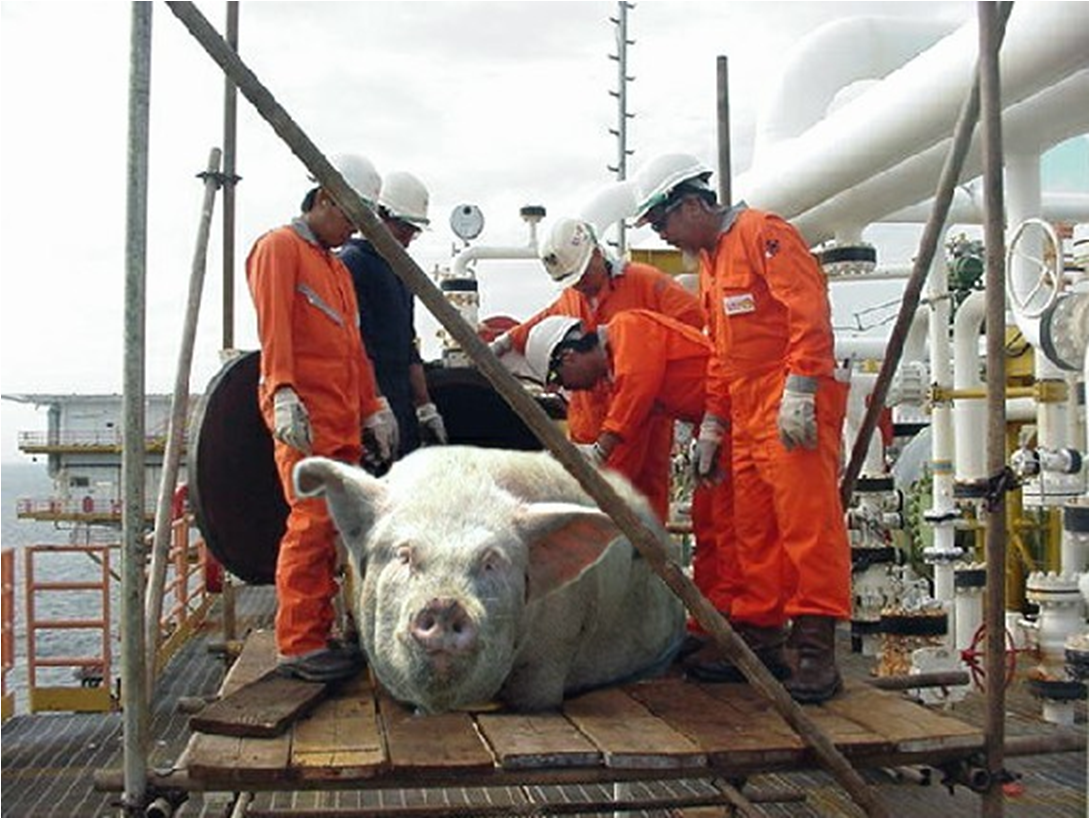
The internal inspection of my pipeline (colon) went well. Dr. Axelrad is an excellent smart pig operator.

Crew preparing to conduct internal inspection of offshore pipeline πŸ˜€

Read Full Post »

Final text

  • The flaring provision complicates compliance and may increase safety risks: (p. 649) Exception 1 exempts β€œgas vented or flared for not longer than 48 hours in an emergency situation that poses a danger to human health, safety, or the environment.” This is inconsistent with the carefully constructed BSEE regulations which allow limited (48 hours cumulative) flaring for certain operations (e.g. during the unloading or cleaning of a well, drill-stem testing, production testing, and other well-evaluation testing). Such flaring is essential but not normally “an emergency situation.” The bill could thus compromise safety by unnecessarily restricting or complicating well operations and by limiting flaring in circumstances where such flaring reduces safety risks.
  • Time for BOEM to get to work πŸ˜‰: (p. 650): Per our previous post, the highlight section of the bill (from an offshore oil and gas standpoint) reinstates Lease Sale 257 (GoM) and requires that the scheduled 2022 lease sales 258 (GoM) and 259 (Cook Inlet) be held by 12/31/2022. Lease Sale 261 (GoM) must be held by 9/30/2023.
  • Petty but perhaps necessary: p. 655: The provision restricting wind leasing when no oil and gas lease sale has been held in the prior year is in the final bill.

Read Full Post »

Assuming no significant tropical storm shutdowns this month, we should get a good read on the impact of the pipeline outage when the EIA production data for August are posted.

Read Full Post »

But late Thursday, a Shell spokesperson said that repairs were underway and that the company expected both pipelines to be back in service Friday.

CNN

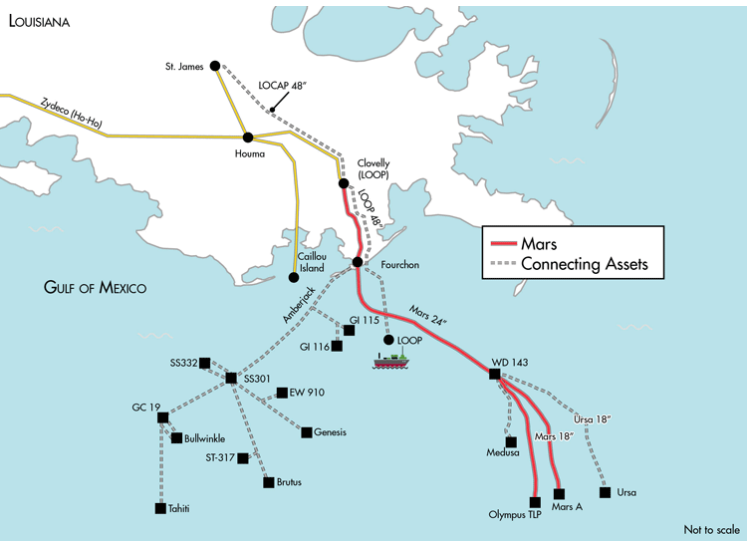
This is a good example of the interconnectivity of deepwater projects with major Shell, Chevron, and Equinor facilities shut-in as a result of a relatively minor downstream pipeline incident.

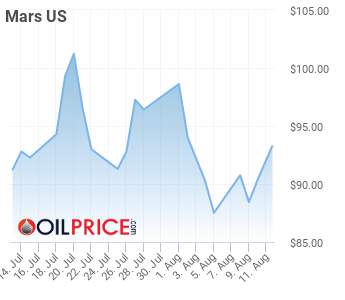
Mars crude price appears to have reacted to the shut-in news:

Read Full Post »

« Newer Posts - Older Posts »