Feeds:
Posts
Comments

Archive for June, 2025

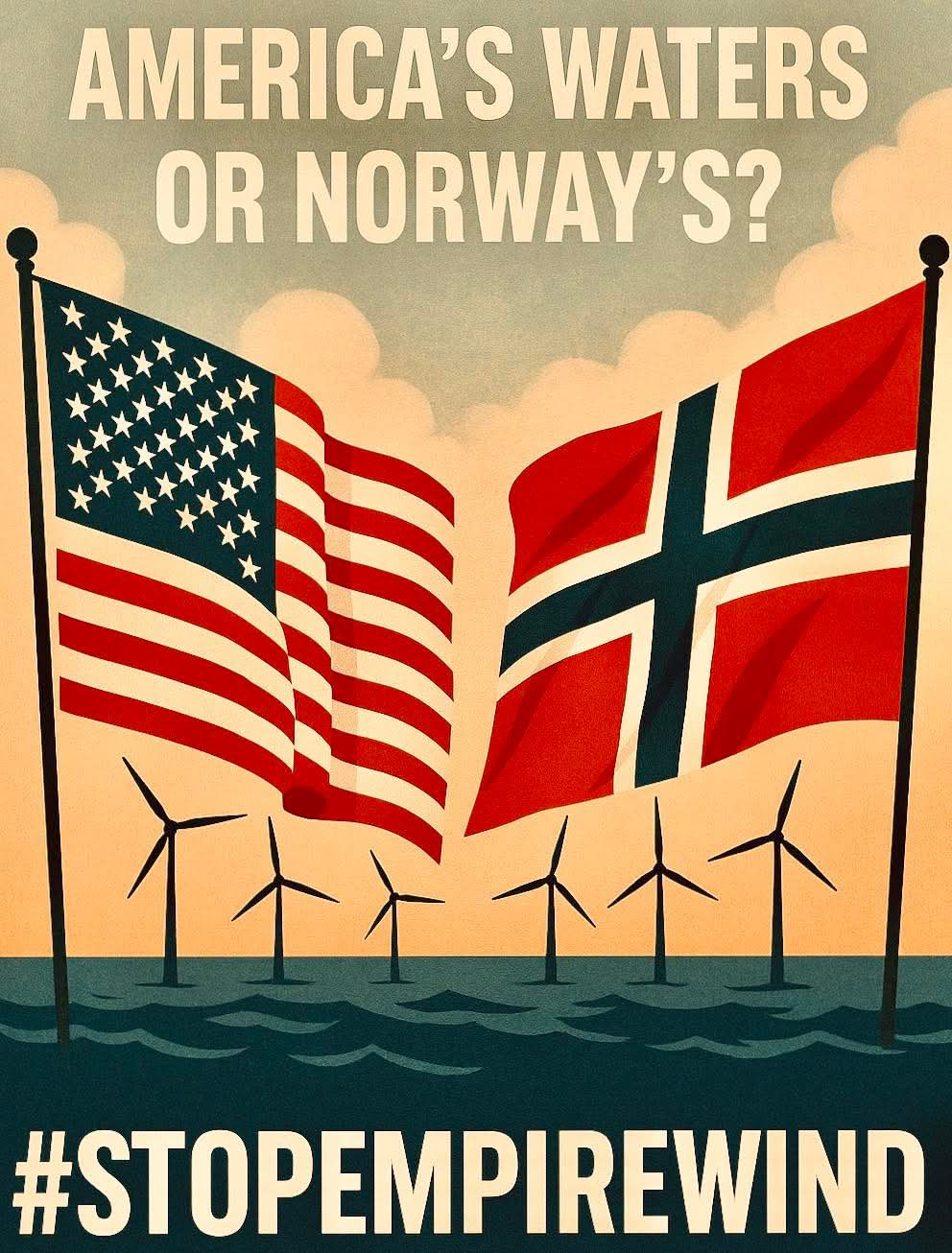
Protect Our Coast – NJ graphic

Along with other charges, the attached complaint asserts that awarding a wind lease to Norway’s Equinor, violates the Outer Continental Shelf Lands Act (OCSLA):

  1. As an agency or instrumentality of Norway, Equinor cannot receive a lease on the Outer Continental Shelf for offshore wind turbine development or generation of electric power.

While other elements of the complaint appear to have merit, the charge against Norway does not. Here’s why:

  • US subsidiaries of foreign companies have long held leases under the OCS Lands Act.
  • Equinor US Wind is the US subsidiary holding the wind lease.
  • Equinor USA E&P holds interests in OCS oil and gas leases in the Gulf of America. BOEM credits 548,389 barrels of oil production to Equinor for 2023.
  • Chinese state-owned CNOOC has been an oil and gas lessee in the Gulf of America.
  • US subsidiaries of Shell and BP, both foreign corporations, are the top 2 producers in the Gulf. Although not government owned, there is nothing in OCSLA that distinguishes between US subsidiaries of private and govt owned companies. Woodside (Australia) and Eni (Italy) are also important Gulf producers.

The plaintiffs second count (excerpt below) seems to have more merit. The bulk of the filing pertains to this count.

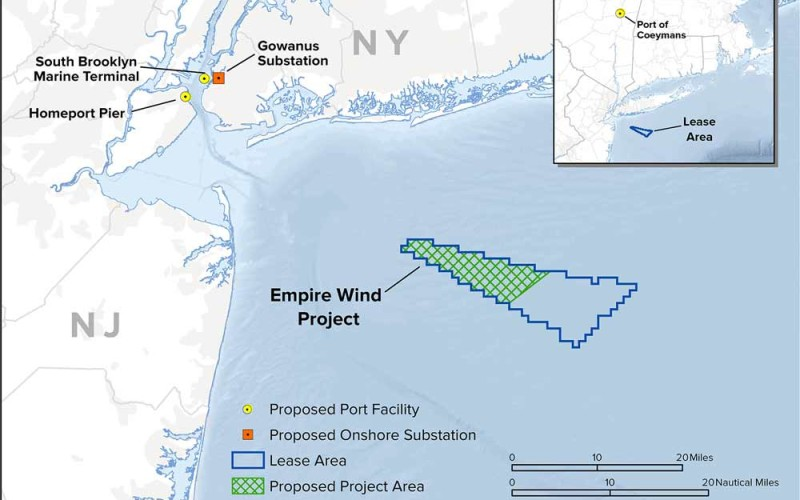
  1. BOEM never completed its “necessary review”, see Stop Work Order, April 16, 2025, and, instead, reinstated the Empire Wind work permit on May 19, 2025 without any explanation or finding, stating as follows:
    On April 16, 2025, the Bureau of Ocean Energy Management issued a Director’s Order to Empire Offshore Wind LLC to halt all ongoing activities related to the Empire Wind Project on the outer continental shelf. That Order is hereby amended to lift the halt on activities during the ongoing review.

The complaint goes on to discuss the reasons why the plaintiffs believe the review was indeed necessary and should have been conducted.
Read Full Post »

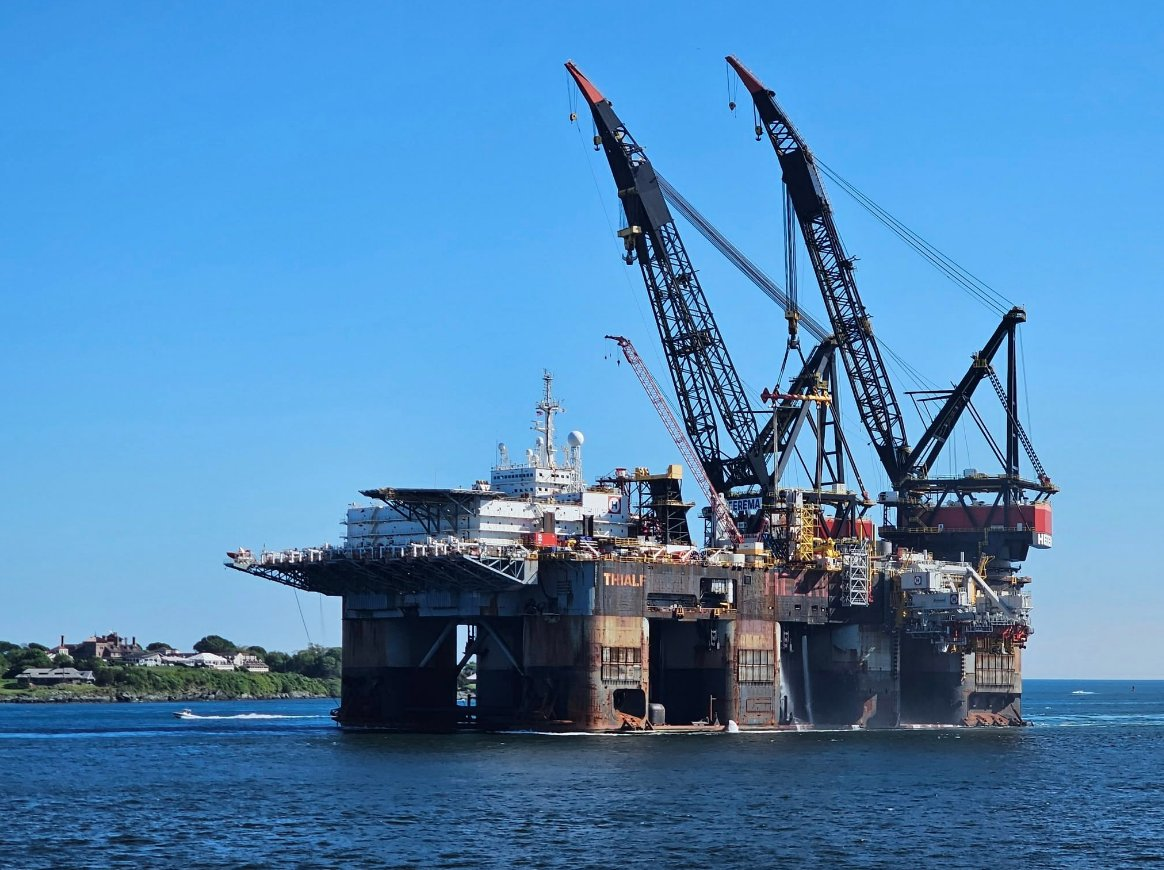
Thialf: a character in Norse mythology who was Thor’s servant.

The Heerema Thialf, a semi-submersible crane vessel (SSCV), is a rather massive presence in coastal waters. The vessel is 661 feet long and 470 feet high, with a lifting capacity of up to 14,200 metric tons, and is the second-largest of its kind.

The Thialf, which set a world record in 2000 by lifting the 11,883-metric-ton Shearwater topside structure in the North Sea, will be driving piles for 54 Vestas 15 MW wind turbines and a substation structure that are part of Equinor’s controversial Empire Wind project.

John Smith tells me that the Thialf is one of the heavy lift vessels being considered for removing California offshore oil and gas platforms. The vessel is too large for the Panama Canal and would have to make the trip around South America or across the Pacific, depending on where it was last working.

The Thialf’s day rate has not been disclosed, but is likely greater than $500k. Equinor claimed to be losing $50 million/week when the project was paused. Thialf costs were presumably a significant chunk of those losses.

Read Full Post »

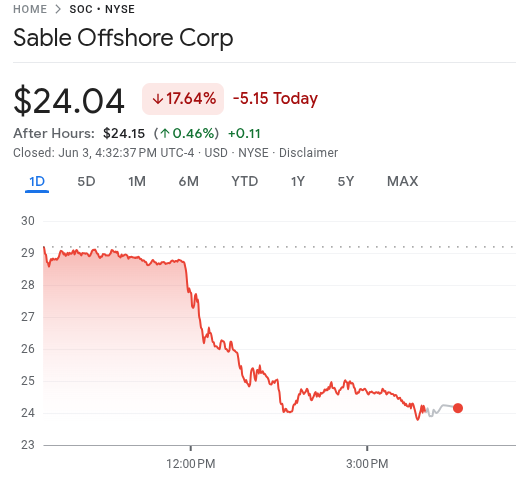
John Smith informs me that today (6/6/2025), a Santa Barbara Superior Court issued an order preventing the restart of the Santa Ynez Unit’s onshore pipeline pending Court resolution of the dispute.

Sable’s shares plunged 18% in response to the news.

Read Full Post »

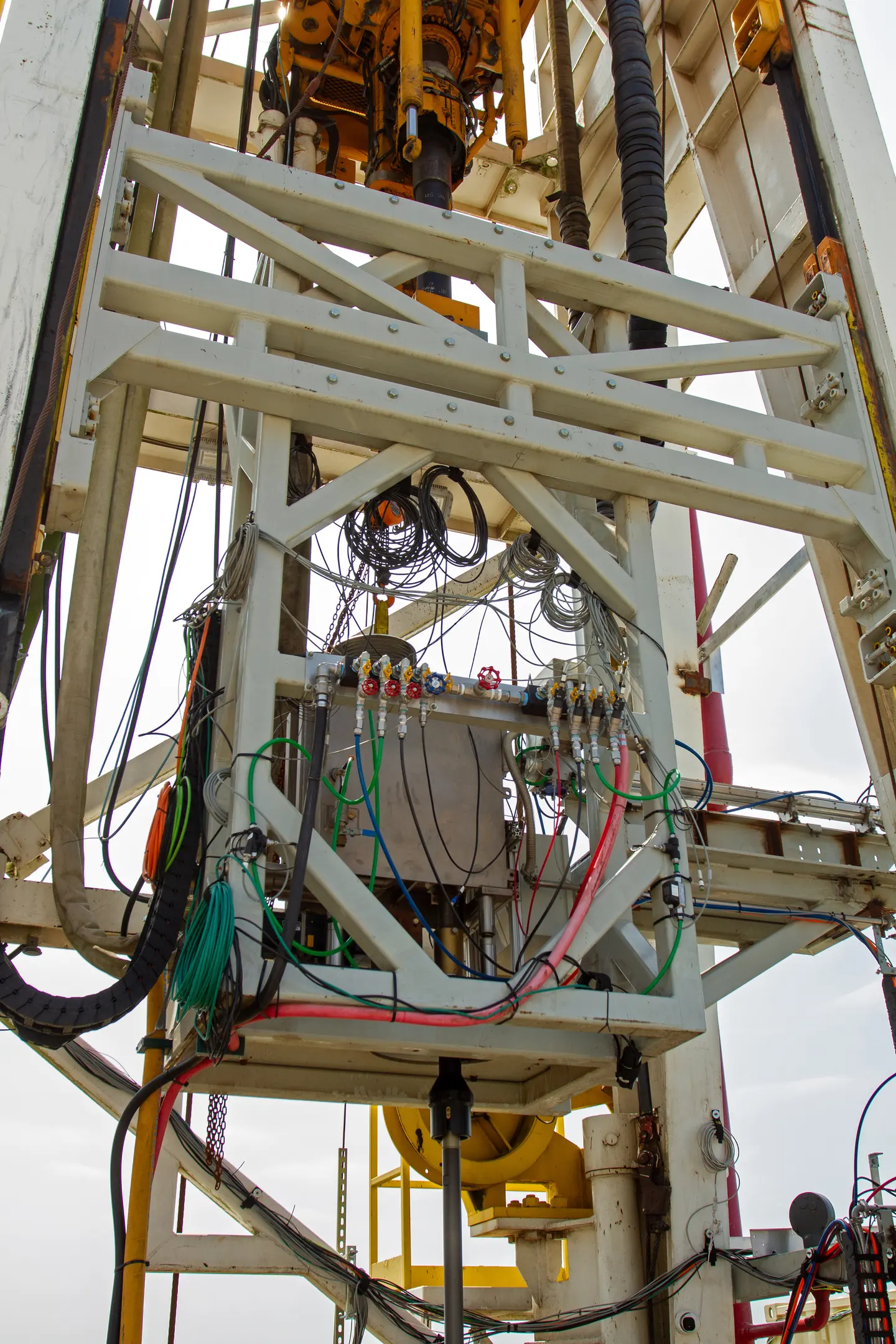
Recently, Quaise Energy showcased millimeter wave drilling on a full-scale Nabors rig, and moved one step closer to superhot geothermal power production.

This is the first-ever hybrid drilling rig, combining conventional and millimeter wave capabilities.

Quaise plans to drill superhot geothermal wells that can generate abundant baseload power in record time. They believe there is no other energy solution capable of the same scale and speed.

Excellent New Atlas article

“The cube sends electomagnetic energy to the drill bit to melt rock – New Atlas photo
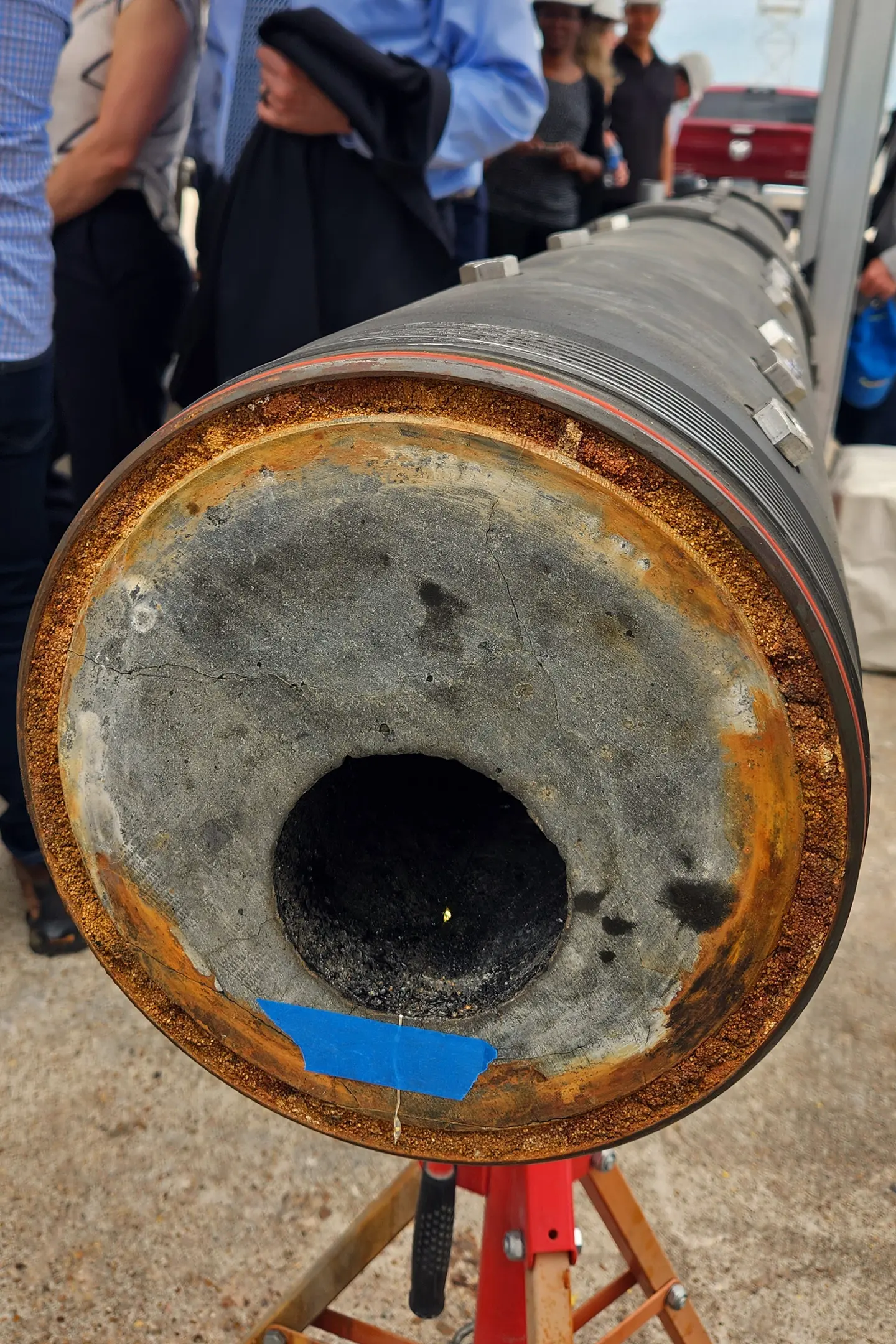
Core showing vitrified granite/basalt walls of the borehole – New Atlas photo

Read Full Post »

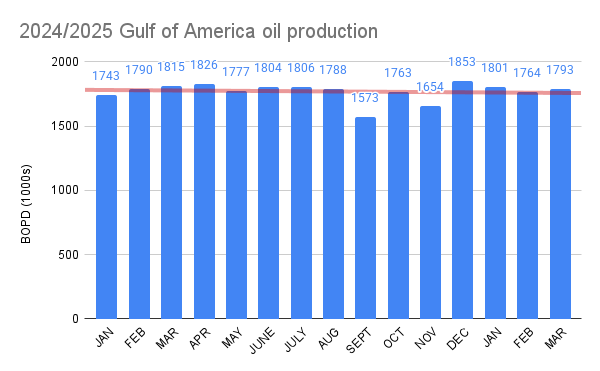
March Gulf of America oil production was nearly identical to the 2024/2025 average, and the trend line (red) is remarkably flat. However, production remains below the volumes forecasted by EIA and well below those forecasted by BOEM.

It appears that new deepwater production is replacing Gulf-wide production declines, but is not yet sufficient to increase total production. We will see if that changes as the year progresses.

  • March 2025 Gulf of America production: 1.793 million bopd
  • 2024/2025 average production: 1.77 million bopd
  • 2024/2025 average omitting Sept. 2024 (tropical storms): 1.784 million bopd
  • EIA forecast for 2025 (published 9/16/2024): 1.9 million bopd
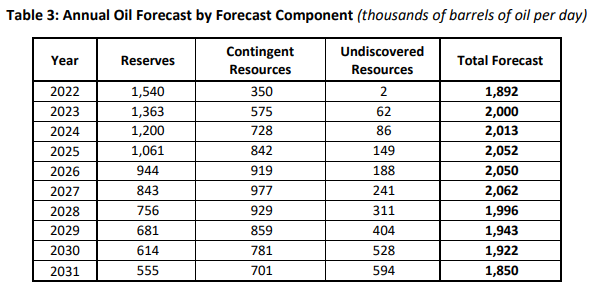
  • BOEM forecast for 2025 (published in 2022, table below): 2.052 million bopd

Read Full Post »

« Newer Posts