Feeds:
Posts
Comments

Archive for 2022

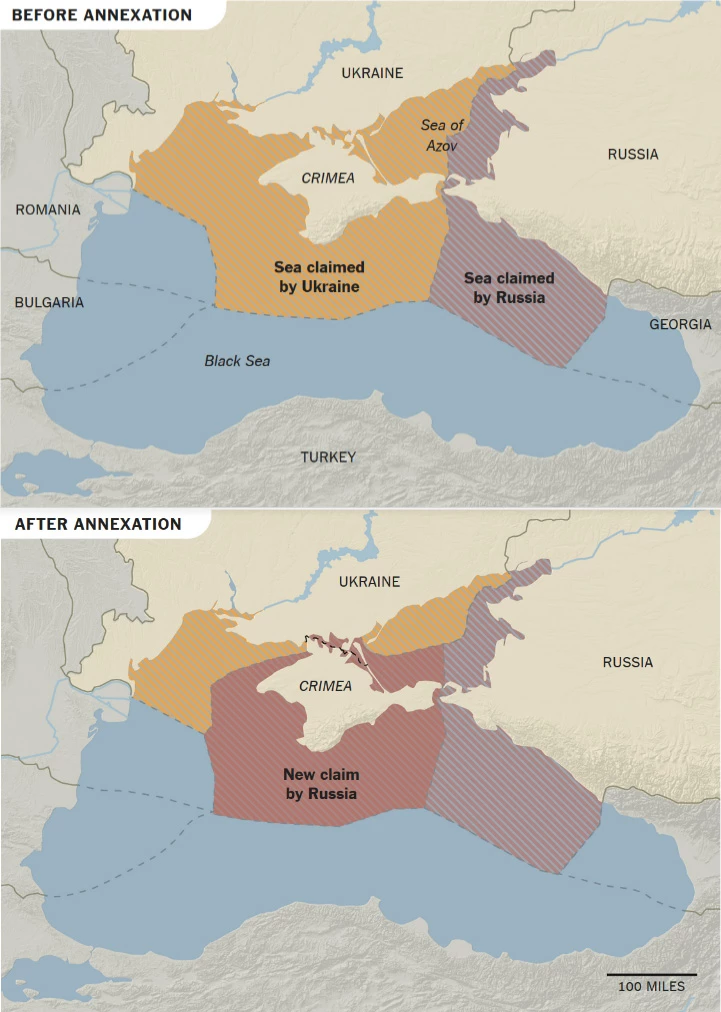
Per our previous post on this topic, the Ukranian shelf may contain more than 70 Tcf of natural gas, most of which was seized by Russia along with Crimea. This illegal seizure of resources in 2014 should be considered as part of any long-term settlement and before easing sanctions on Russia.

For those who want to learn more, this 2018 article by Ukranian journalist Kostiantyn Yanchenko has proven to be particularly insightful. A few key points:

when in 2014, two-thirds of the former Ukrainian water area passed to Russia with the occupation of Crimea, only a few experts assumed that the struggle for control over energy resources might have been among the main reasons for annexation. Against the background of Moscow’s famous explanation “Why Crimea? Be[cause]Kosovo!”, this version looked unconvincing, but there are many reasons to give it a second glance.

The naysayers often argue that Russia doesn’t have the technology to extract gas on the deep-water shelf. This is true, at least now. However, as researchers note, Russia’s short-term objective was not to benefit from the Black Sea gas but to block its production by the Western companies and hence secure its own positions in the European market. 

Furthermore, Russia largely relies on an energy leverage in international relations. Thus, “The Energy Strategy of Russian Federation Until 2020” starts with the statement: “Russia has significant reserves of energy resources and a powerful fuel and energy complex, which is the basis for economic development, an instrument for domestic and foreign policy.”
Read Full Post »

lease sale statistics

Read Full Post »

This is what major oil companies are up against. Meanwhile China expands coal production and consumption without having to worry about groups like this.

ClientEarth, a Shell shareholder, notified the energy major on Monday that it would commence legal proceedings against the company’s 13 executive and non-executive directors for what it said was the board’s failure to adopt a strategy that “truly aligns” with the 2015 Paris climate agreement. The not-for-profit group, which has a strong record of winning climate-related cases, wrote to Shell in advance of petitioning the High Court of England and Wales for permission to bring the claim.

Financial Times

Read Full Post »

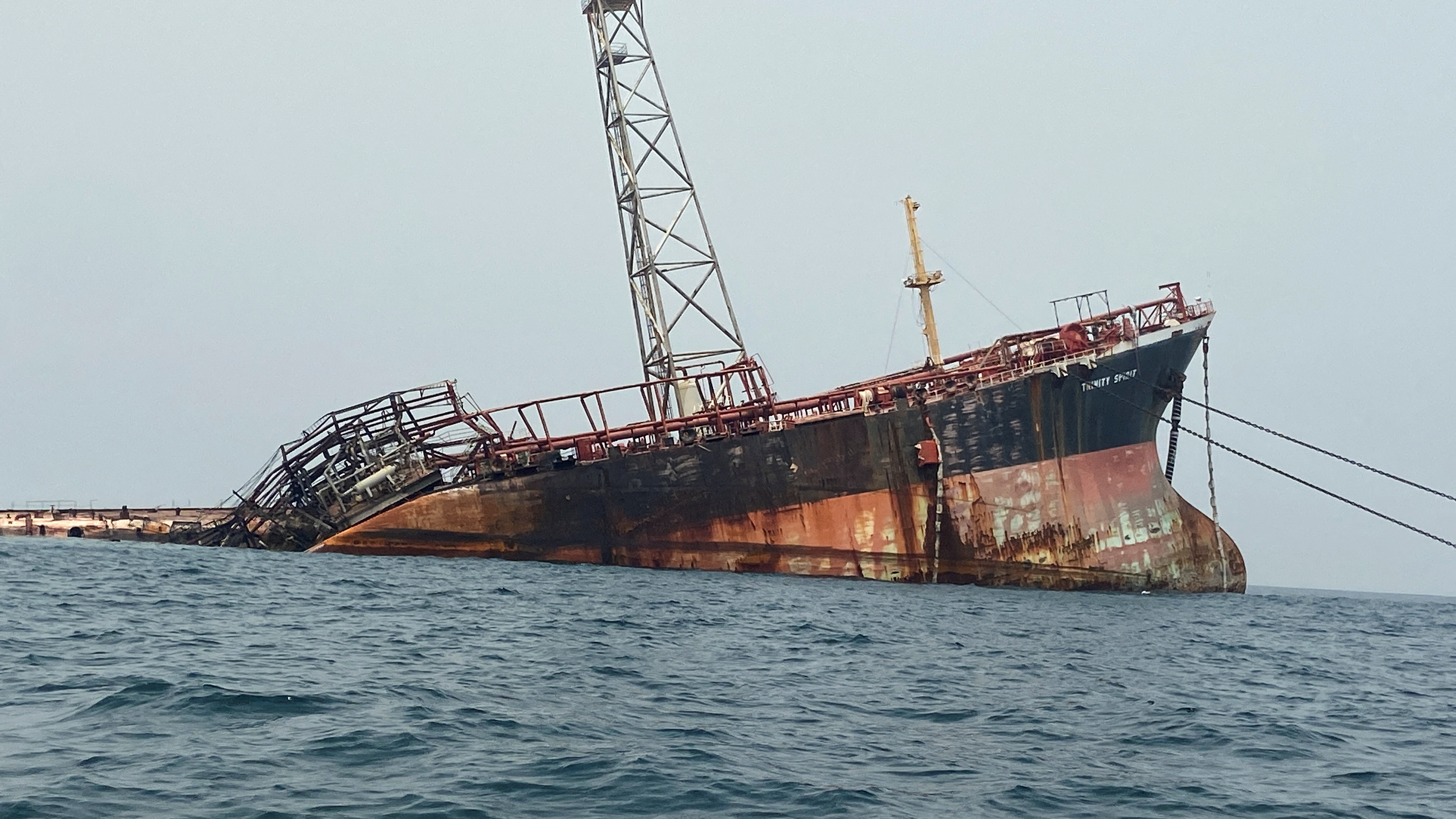
Trinity Spirit FPSO

Six weeks after the Trinity Spirit fire, there is still no public accounting of the number of fatalities and injuries. The initial reports were incomplete and inconsistent, even with regard to the number of people on the vessel at the time of the incident.

SEPCOL, the FPSO operator, no longer has a website and has issued no public statements on the incident since the day afer its occurrence. The company’s status is thus uncertain. The Nigerian Upstream Petroleum Regulatory Commission website only advises that the fire was extinguished as of 4 February.

The absence of timely information on major incidents reflects poorly on the offshore industry and those who regulate it. This is not just a Nigerian issue. It’s past time for an international standard that identifies incident information to be publicly disclosed and specifies the timeframes and methods for releasing this information.

Read Full Post »

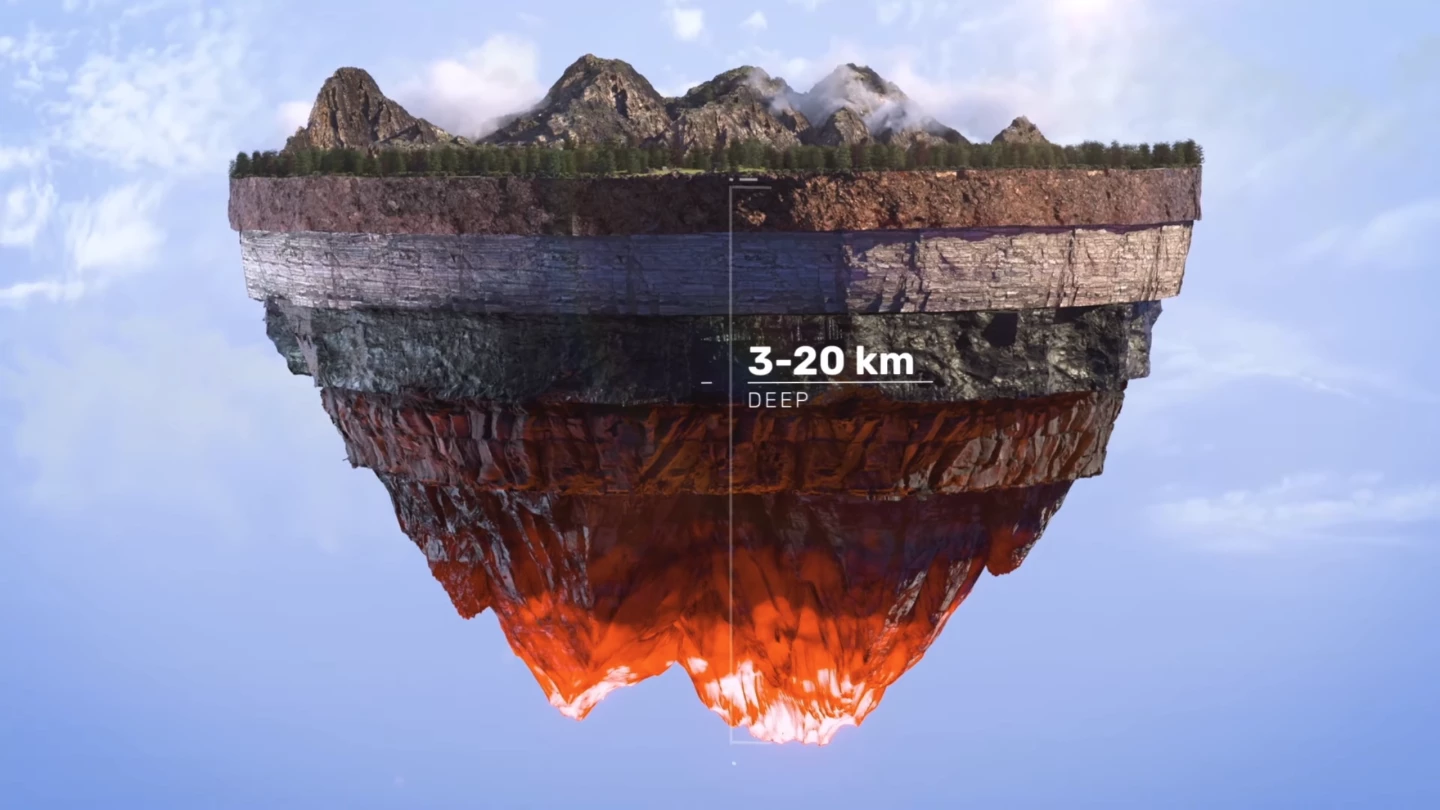
Wind and solar energy are likely to continue growing in importance over the next several decades, but massive space requirements and intermittency may prevent these energy sources from ever being dominant. On the other hand, geothermal power could prove to be the ultimate energy solution if we can effectively drill deep beneath the surface and tap into superheated rock.

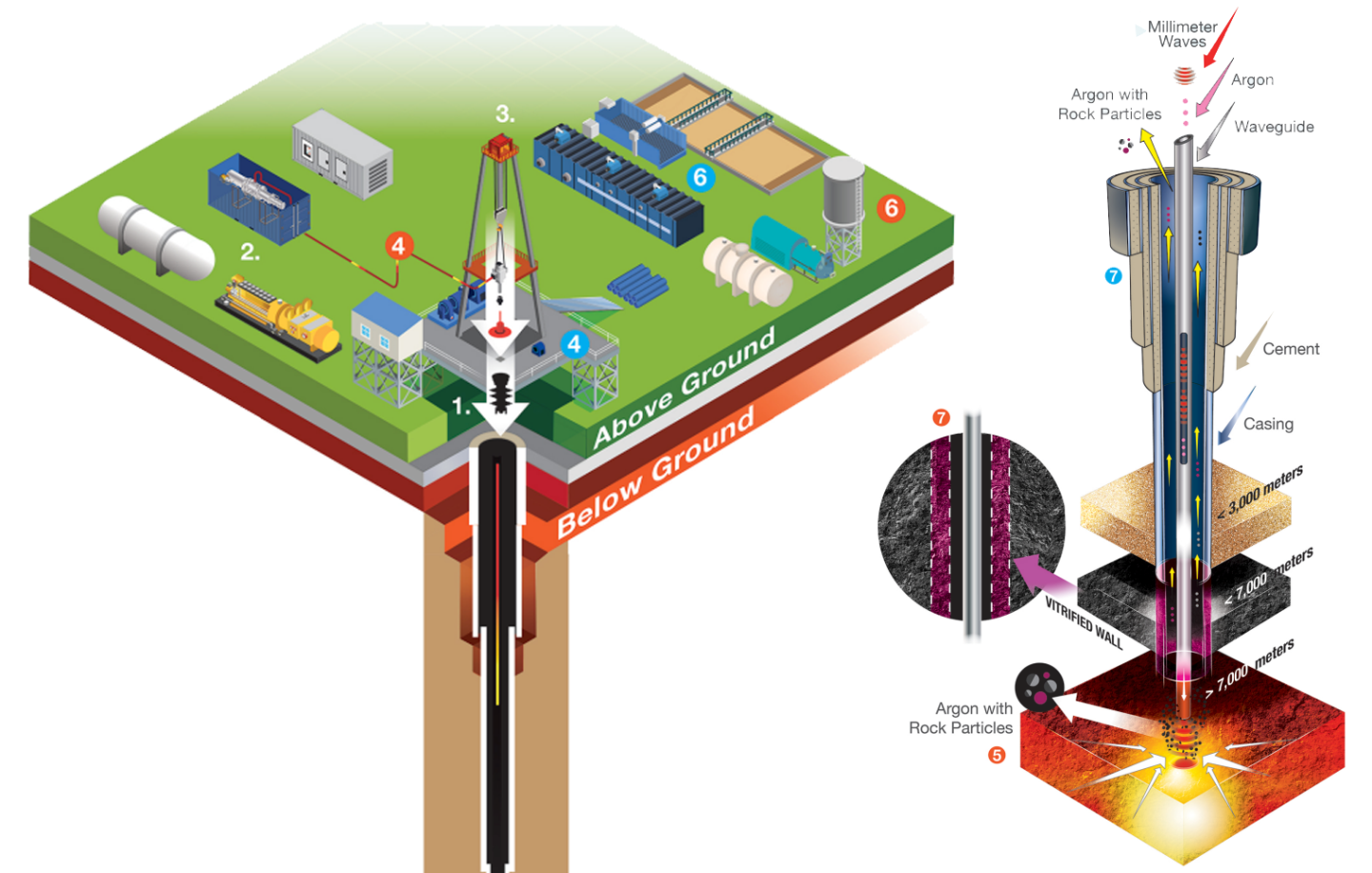
Quaise Energy, headed by ex-Schlumberger/MIT engineer Carlos Araque, is developing a radical new approach to ultra-deep drilling. Quaise will use conventional rotary drilling technology to reach basement formations before switching to high-power millimeter waves that vaporize boreholes through rock and provide access to deep geothermal heat. Quaise’s timeline calls for operation of their first full-scale hybrid drilling rig in 2024 and their first super-hot geothermal system in 2028. Those interested in energy solutions should follow their progress.

Here is Quaise’s promotional video:

Good New Atlas article

Read Full Post »

Nice bounce in Texas where 320 rigs are now active, up 12 from last week and up 117 from a year ago. Rig activity in New Mexico, where (unlike Texas) most of the Permian is on Federal land, has been less robust. The number of rigs operating in NM actually dropped by 1 to 98.

Read Full Post »

Linked below is an excellent compliance and incident data update by Jason Mathews. COVID-19 statistics are included. Kudos to BSEE’s Gulf of Mexico Region for their timely and comprehensive reviews and safety alerts.The collection, analysis, and timely publication of incident data are critical to safety achievement and continuous improvement.

Read Full Post »

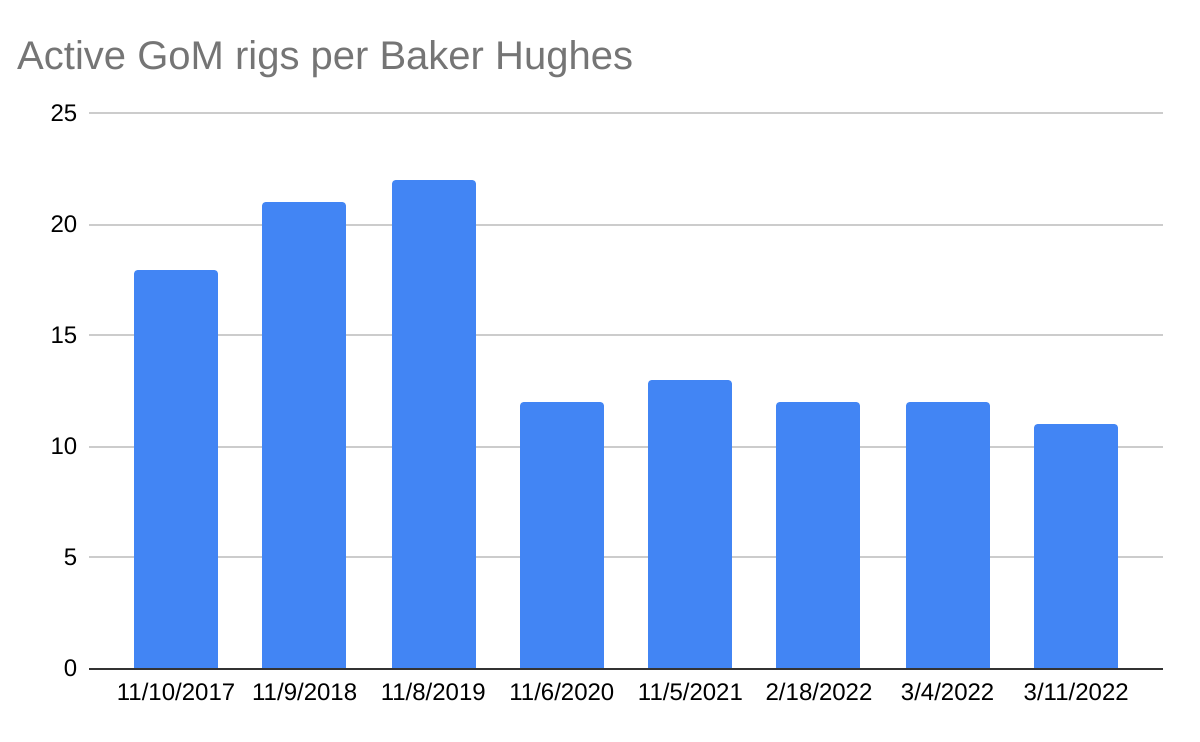
Consistent with our concerns about the lack of investment in offshore exploration and production, Aramco CEO Amin Nasser made this comment at CERAWeek in Houston:

“Today, we only have 2% of effective spare capacity, which is an imbalance,” Nasser said. “You need a resilient and strong spare capacity to make sure that you can absorb any supply shocks. Look at what’s happening. Before the Ukraine crisis, the spare capacity was declining fast.

Oxy CEO Vicki Hollub’s comments further justify our concerns about US over-reliance on shale production. She noted these impediments to production growth in the Permian Basin, the world’s largest shale basin:

  • Severe supply-chain constraints 
  • Labor shortages
  • Few already drilled wells ready to be completed
  • Rig shortages

Read Full Post »

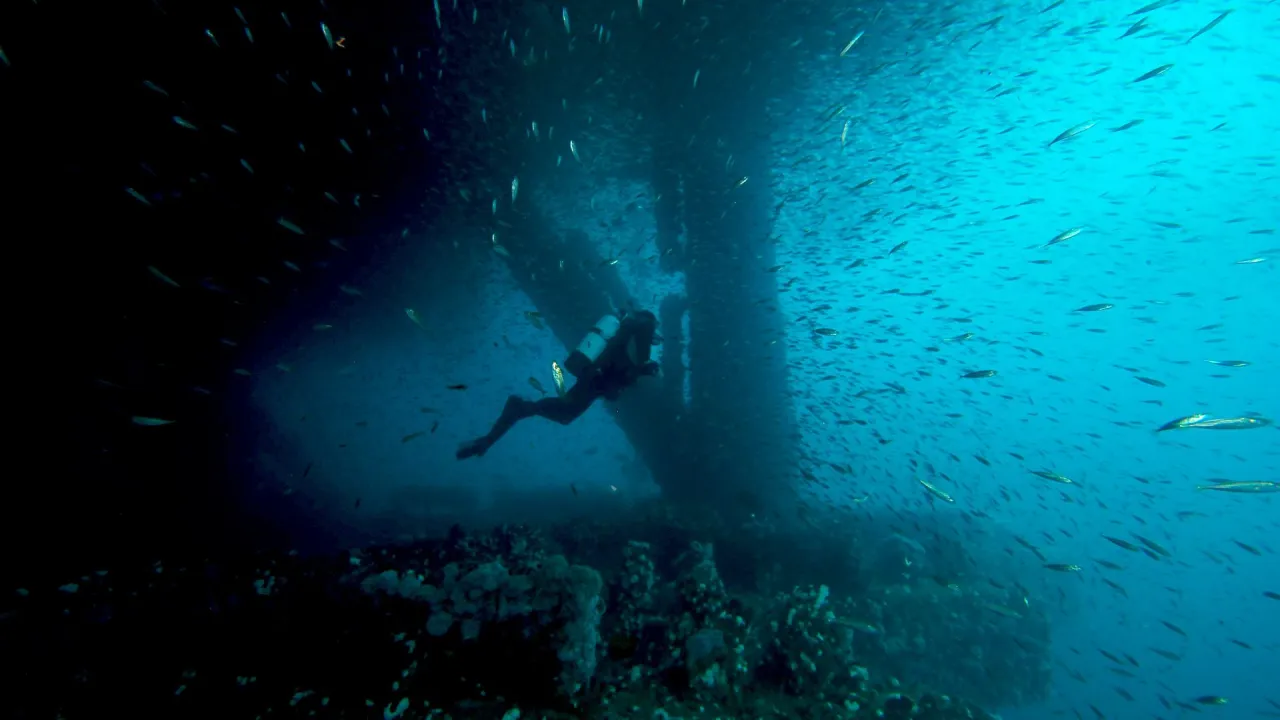
Beneath Platform Eureka, offshore Huntington Beach

Excerpts from a good OC Register article on the ecological significance of the 27 platforms in State and Federal waters offshore California:

“All the (California) platforms having booming ecosystems underwater,” marine scientist Amber Sparks said at an Aquarium of the Pacific lecture in Long Beach on Wednesday, March 2.

“There’s a lot of real estate; a lot of nooks and crannies for marine life,” she said. “Scientists at the National Academy for the Sciences have found California’s platforms are some of the most productive marine habitat in the world.”

The Gulf of Mexico is the poster child for rigs-to-reefs, with more than 500 decommissioned oil platforms turned into full-time artificial reefs over the past 30 years. It’s bold testament to the habitat potential of the rigs, transforming the relatively sterile, sandy bottom ecosystem there into one with hundreds of prime locations for marine life.

Read Full Post »

This useful SafeOCS report summarizes and itemizes well control equipment failures associated with well operations on the Gulf of Mexico OCS in 2020. Of particular note was the absence of any loss of containment (leak of wellbore fluids) events in 2020 or the prior two years.

Unfortunately, there appear to be significant reporting gaps despite the fact that reporting of these data is required by regulation (30 CFR 250.730(c)). The reporting issues are particularly serious for surface systems (surface BOP and associated equipment). Per SafeOCS, surface rig reports were received from less than 50% of active operators and rigs. Reporting for subsea systems (subsea BOP and associated equipment) was much better with 85% of the active rigs represented.

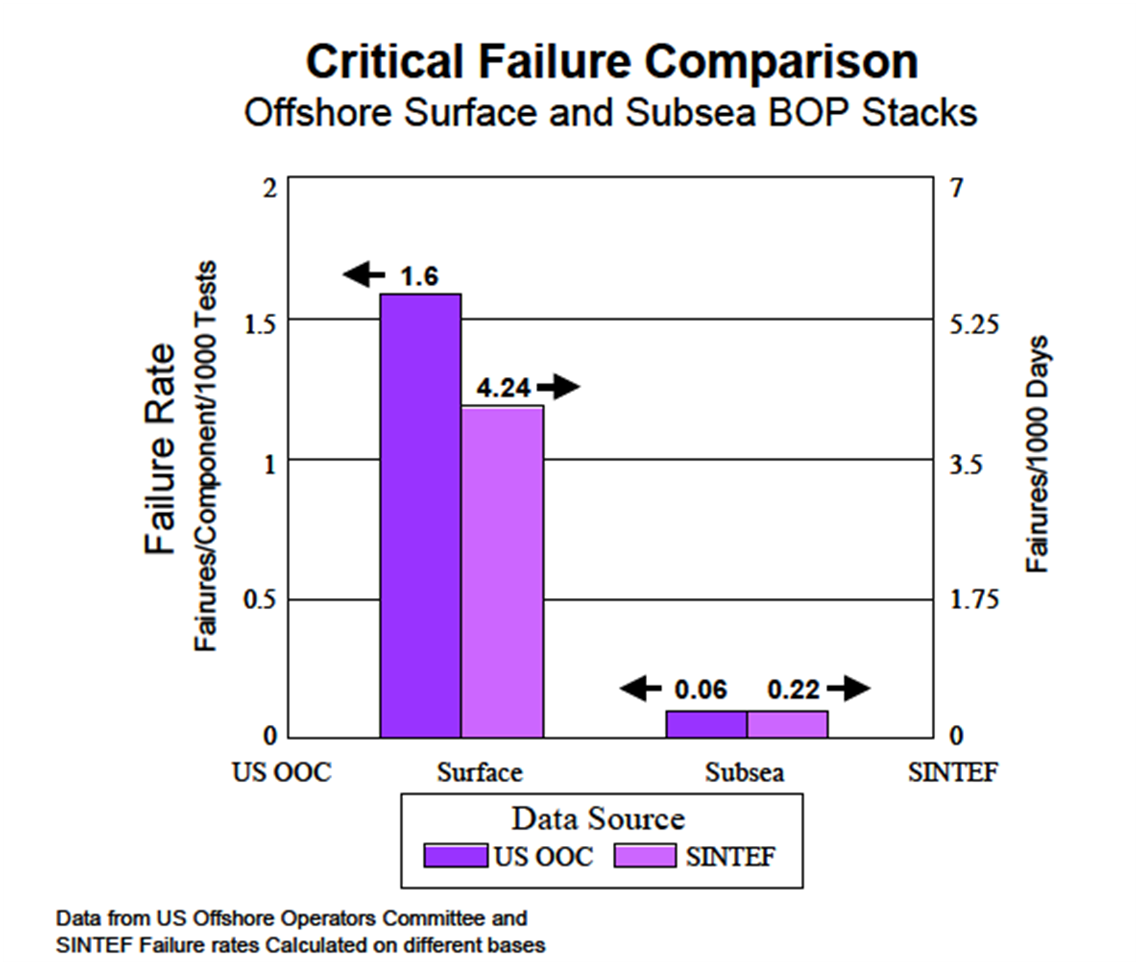
Of further concern with regard to the reporting of surface equipment events, the data indicate only 5.3 events per 1000 hours for surface systems vs. 71.5 for subsea systems. While subsea systems are more complex, the cost of pulling and repairing subsea equipment dictates newer, better maintained equipment. As a result, surface BOPs have historically had higher failure rates than subsea BOPs. The data below are from a presentation to MMS approximately 15 years ago. Both the Sintef and OOC data show higher failure rates for surface BOPs.

The SafeOCS team did a very good job of analyzing the reports and presenting the data. However, the reporting issues need to be investigated and resolved to get maximum value from this very important work.

Read Full Post »

« Newer Posts - Older Posts »