WASHINGTON, D.C. — The U.S. Department of Energy (DOE) today announced it is initiating a long-term replenishment plan for America’s Strategic Petroleum Reserve (SPR) to ensure that it will continue to deliver on its mission as an available resource to alleviate domestic and global crude oil supply disruptions.The buyback process will begin with a call for bids to repurchase a third of the 180 million emergency barrels released as part of a coordinated action with our international partners …
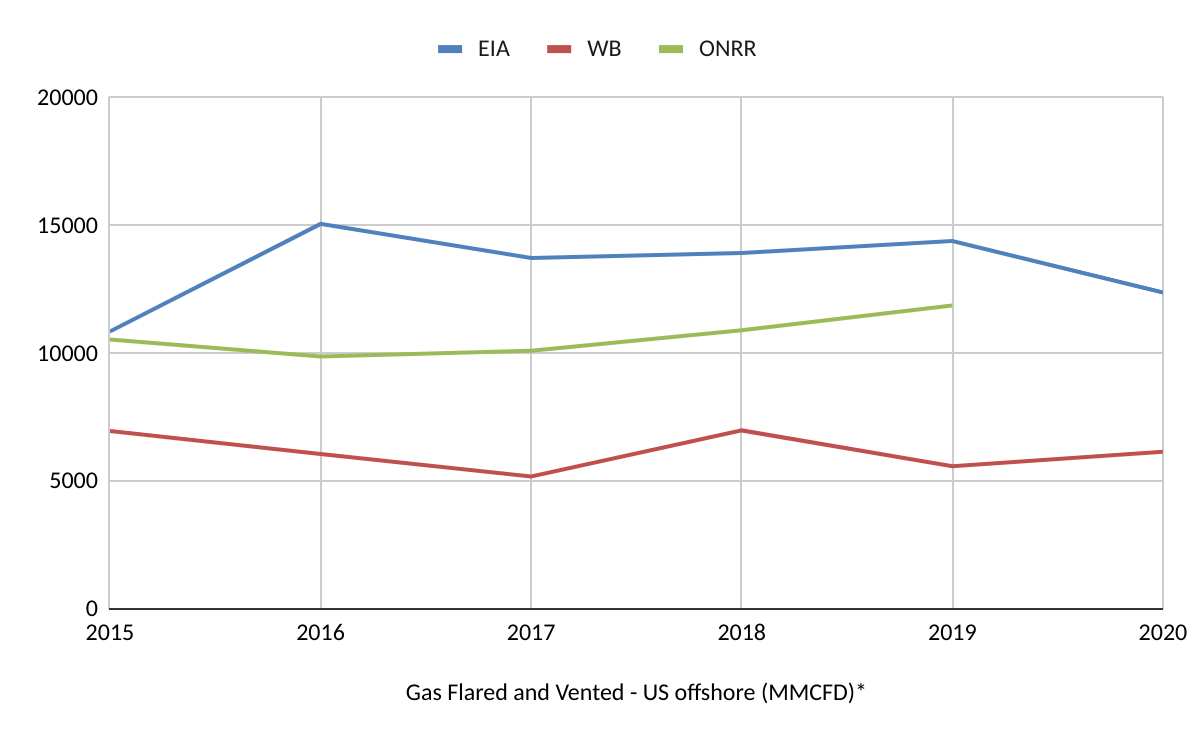
Given the importance of flaring and venting from both environmental and resource conservation standpoints, accurate and reliable data are necessary and should be readily available to the public. ONRR has advised me that they will begin posting flaring and venting data on their website within 2 months. This is a positive step. Currently, data from the 3 primary sources differ considerably.
Data Sources:
US Energy Information Administration (EIA): Per EIA, their flaring and venting data are received directly from the Bureau of Safety and Environmental Enforcement (BSEE).
Office of Natural Resources Revenue: ONRR is a sister bureau of BSEE within the Department of the Interior. Per BSEE regulations, all flared or vented gas must be reported to ONRR. As noted above, ONRR will begin regularly posting flaring and venting data within the next 2 months. This is a most welcome and positive step and may help address these inconsistency issues.
World Bank Global Gas Flaring Reduction Partnership: “a multi-donor trust fund composed of governments, oil companies, and multilateral organizations committed to ending routine gas flaring at oil production sites across the world.”
Comments:
The EIA (from BSEE) and ONRR flaring/venting numbers should be the same given that the ONRR data are reported in accordance with BSEE regulations, and BSEE is presumably providing ONRR data to EIA. This needs to be clarified.
The World Bank’s gas flaring estimates are based on observations from satellites. This explains their lower numbers given that vented gas would not be detected and some flares might be missed.
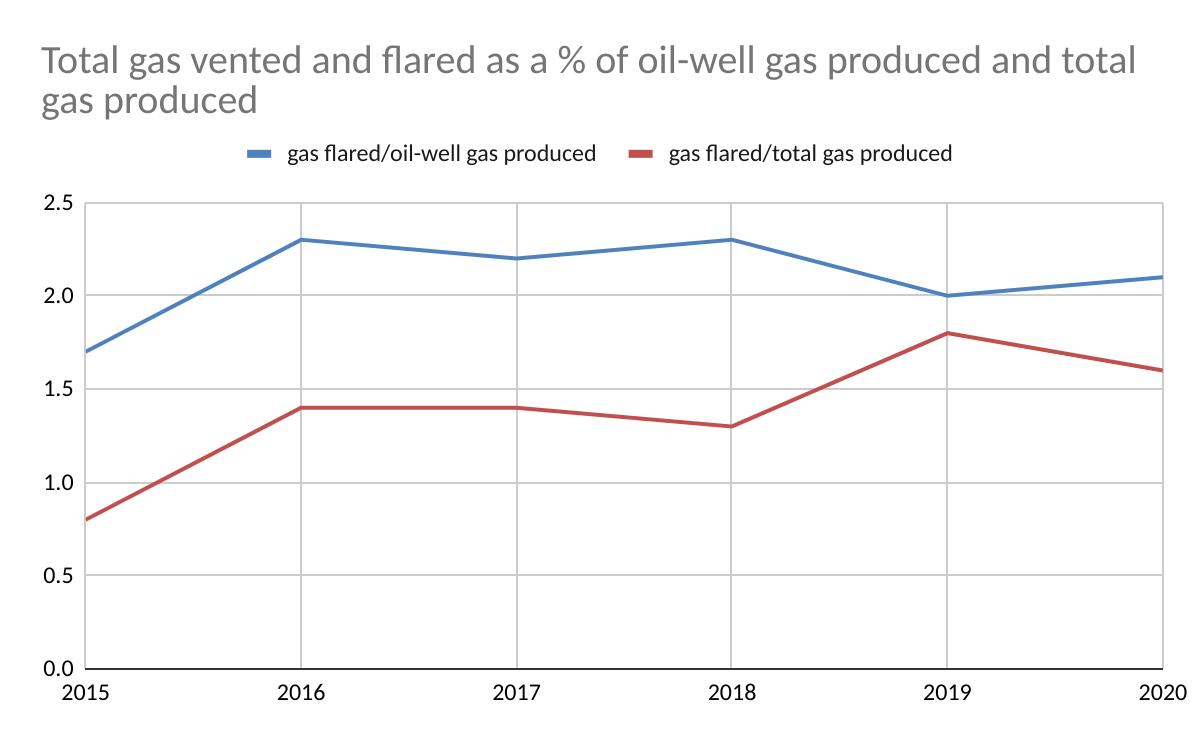
In a 1/2021 interview with World Oil, the exiting BSEE Director commented that the “industry has consistently achieved a ratio of less than 1.25% of flared, vented gas to produced gas.” However, based on EIA flaring and venting data (from BSEE per EIA) and EIA gas production data, the volume of gas flared/vented exceeded 1.25% of the gas produced from 2016-2020 and was as high as 1.8% in 2019. (See the chart below.) Even if the lower ONRR flaring/venting totals are used, those volumes exceeded 1.25% in 2019 (1.5%).
BSEE/ONRR should make more detailed flaring/venting data available so that the differences between facilities and sectors (e.g. deepwater vs. shelf) could be assessed. Efforts should also be made to post these data in a more timely manner. At this time, 2021 data are still not available.
p. 17 – “The 2015 BSEE/BOEM study on reducing methane emissions observed that “while natural gas production has declined, …vented and flared gas volumes as a percentage of produced natural gas are increasing” and noted that additional investigation is needed to determine why.” This is consistent with my observations and is probably due in large part to the fact that most gas production is now from oil-wells (e.g. associated gas).
p. 24 – “Argonne estimates, in 2015, platform startups for deep-water floating structures accounted for roughly 15% of the total annual flaring volume on the OCS and an additional 20% of the annual total resulted from monthly spikes associated with compressor outage, pipeline maintenance, and well-unloading.”
Univ. of Michigan study (2020): “Large, older facilities situated in shallow waters tended to produce episodic, disproportionally high spikes of methane emissions. These facilities, which have more than seven platforms apiece, contribute to nearly 40% of emissions, yet consist of less than 1% of total platforms.”
OCS Lands Act, 43 U.S. Code § 1332 – Congressional declaration of policy
(3)the outer Continental Shelf is a vital national resource reserve held by the Federal Government for the public, which should be made available for expeditious and orderly development, subject to environmental safeguards, in a manner which is consistent with the maintenance of competition and other national needs;
Current reality:
International energy markets (and consumers) are under stress
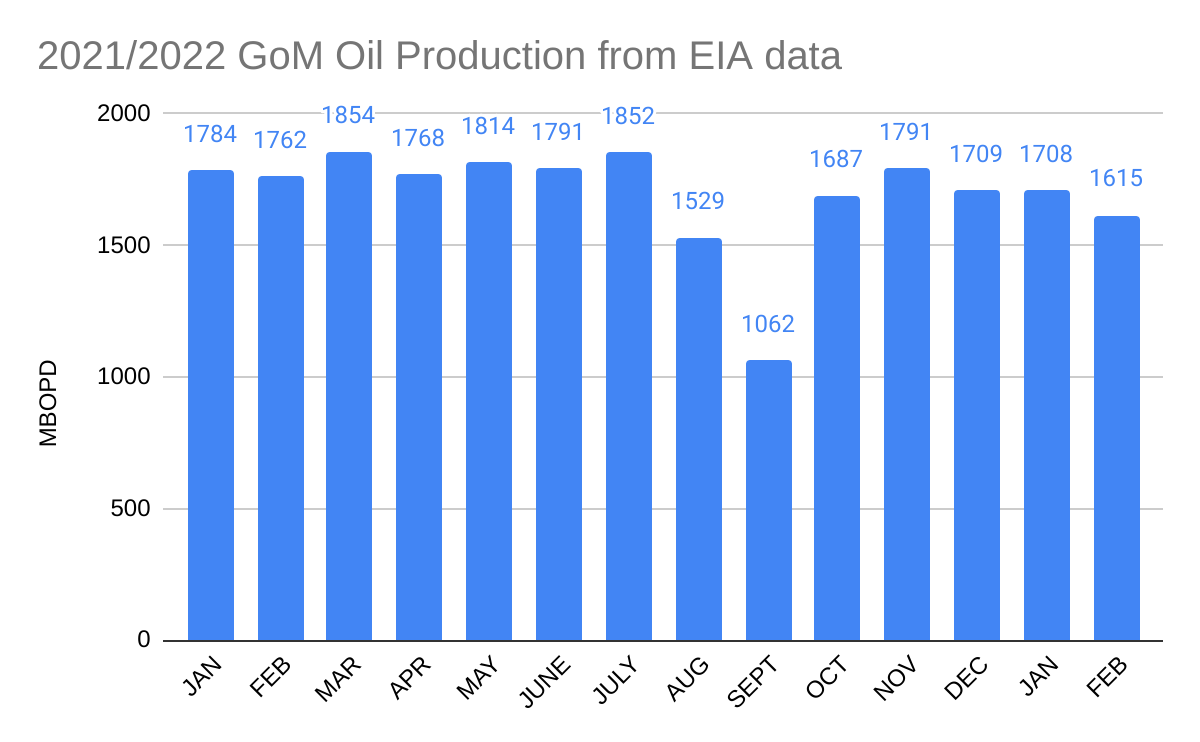
US is withdrawing 1 million BOPD from the Strategic Petroleum Reserve
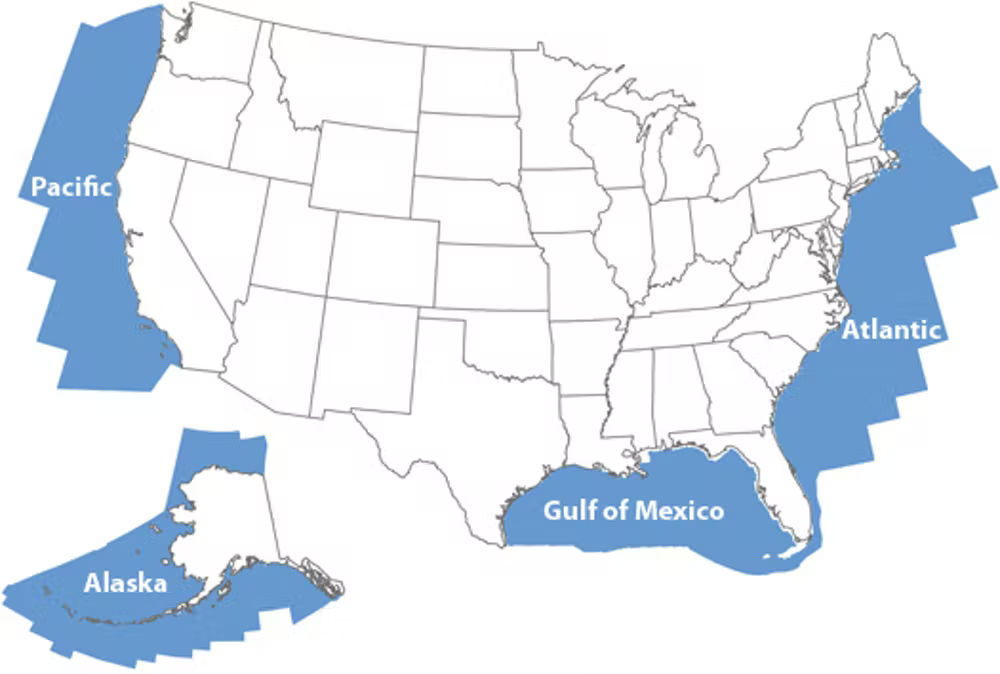
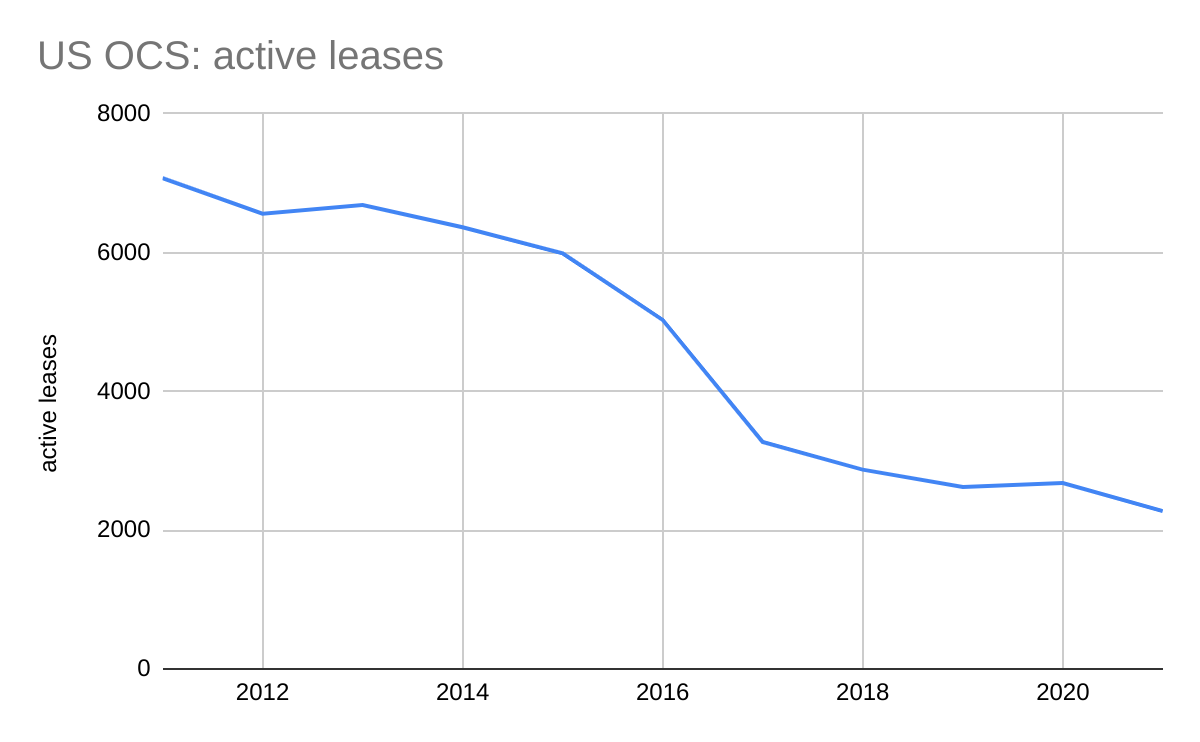
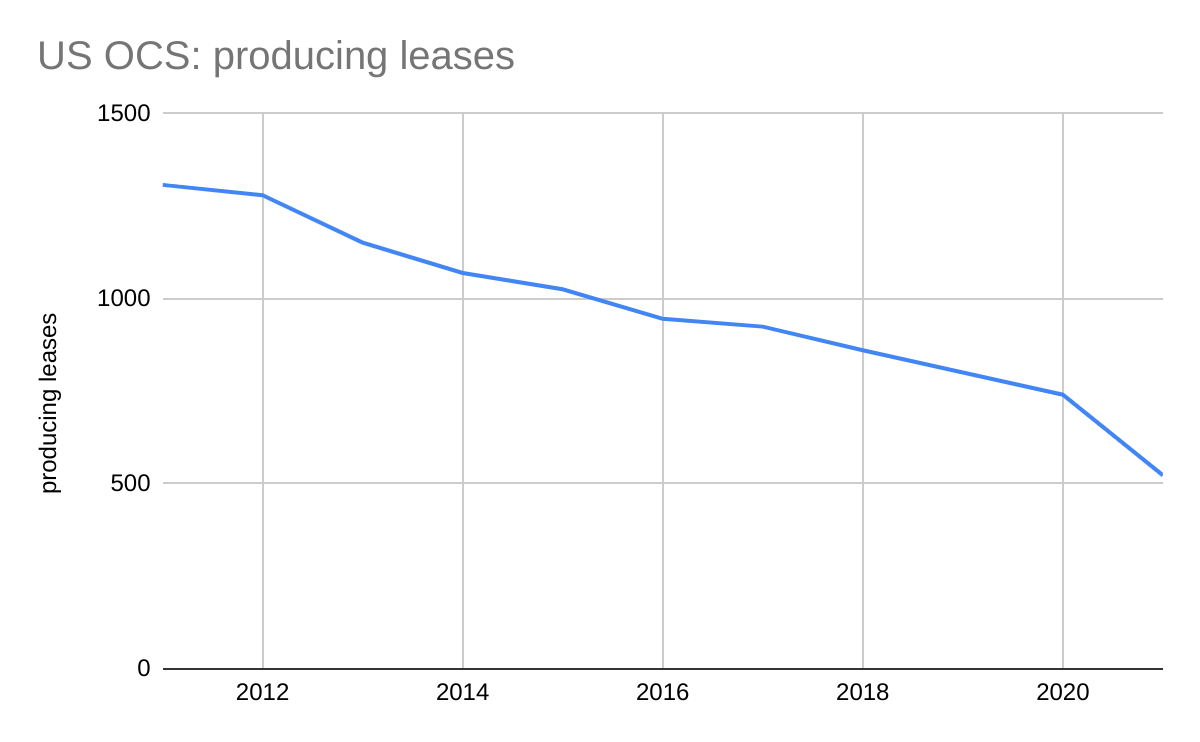
Very limited access to offshore land for oil and gas operations
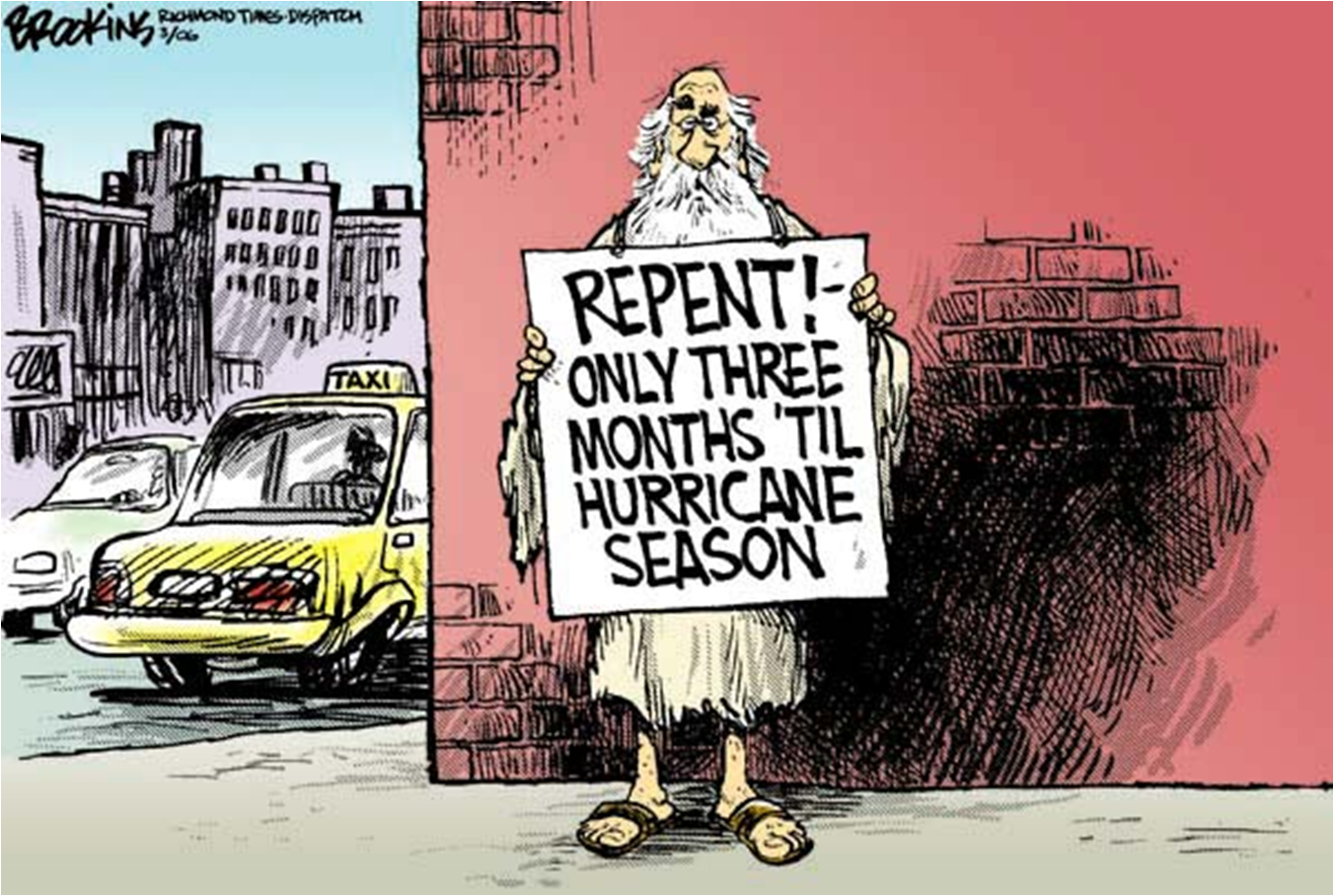
This is a great Gary Brookins cartoon from March 2006 that has been featured in some of my presentations. We now have only one month until the official start of the 2022 Atlantic hurricane season so my post is a bit late! However, the season peaks in mid-September, so you could also argue that I’m posting this too early!
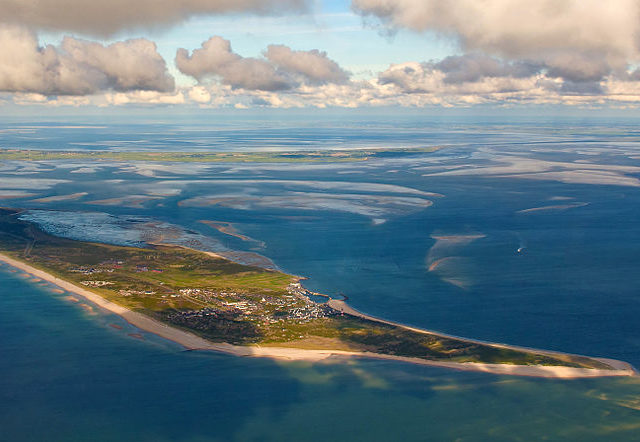
Germany will work with the Dutch exploration and production company, ONE-Dyas, to operate a gas field in the North Sea above Schiermonnikoog and the German Wadden island of Borkum, Dutch broadcaster NOS reported on Wednesday.
The announcement was made on Tuesday by Bernd Althusmann, economy minister of the state of Lower Saxony, NOS reported.
“We cannot afford to ask the Netherlands for more gas and continue to refuse to extract our own gas,” Althusmann said.
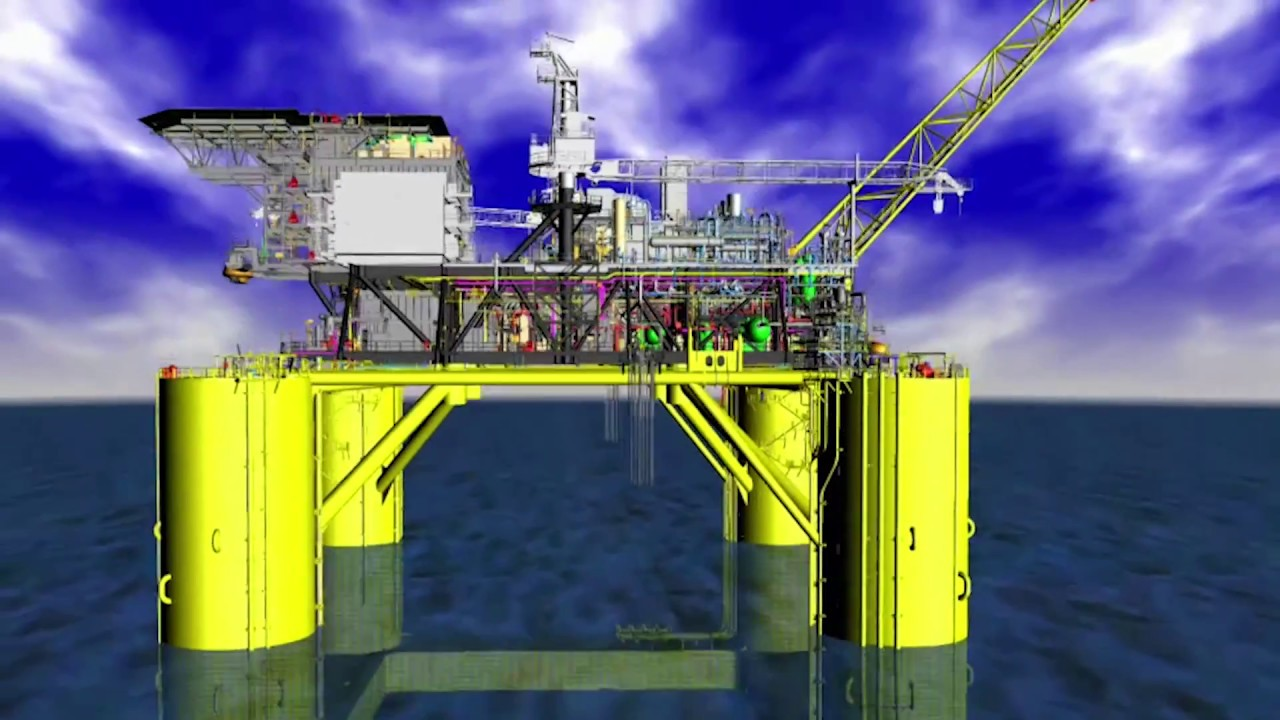
This article is primarily about Texas shale oil production. Offshore production, particularly in deepwater areas, is much more capital intensive, requires longer lead times, is exclusively on government leases, and is highly regulated by multiple agencies. These factors weigh against quick responses to market conditions. A Bloomberg article about Shell’s Vito project provides a good offshore perspective.
Vito
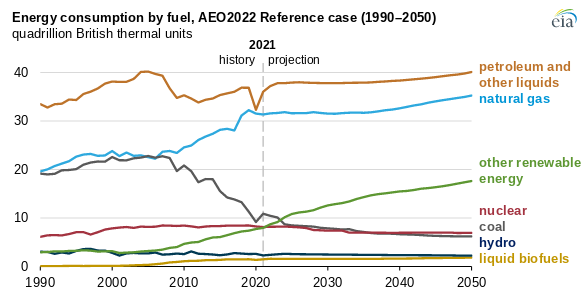
Another important factor in the offshore sector is that the major oil and gas producers seem to be going through an identity crisis, torn between what they are and what they (aided by some loud and powerful voices) think they should be. The future of these companies is dependent on how they navigate through all of this. The need for oil and gas is clearly not going away (see EIA projection below). Who will provide the supply and where will it be produced?
There are no private offshore lands, and the future of US offshore production is almost entirely in the hands of the Federal government. It has now been 525 days since the last offshore lease sale. The Administration chose not to appeal the DC Federal Court decision vacating Sale 257, leaving that to the State of Louisiana and API (parties that actually support offshore oil and gas leasing).
It’s disappointing that the reasoning behind the judge’s Sale 257 decision has received so little attention, especially given that it hinged on BOEM not analyzing the benefit of high oil prices. (i.e. <leasing = <production = >prices = <intl consumption = < CO2) The decision was issued as Russian troops were amassing on the Ukraine border only 28 days before the invasion. Oil prices (WTI) had already reached $87/bbl and would soon spike to $120/bbl, so the decision embracing higher oil prices was (at best) bad timing. Keep in mind that this was not a matter of BOEM failing to consider GHG issues; BOEM had conducted those assessments. The judge’s decision was specific to BOEM not analyzing the GHG benefits of reduced foreign consumption as a result of the higher prices associated with reduced leasing.
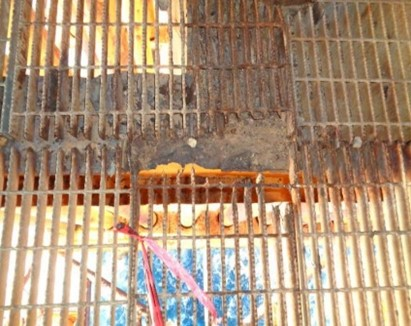
I never liked the label “slips, trips, and falls” because it trivializes serious safety incidents. Falls don’t get headlines, but they kill workers. In the 10 years prior to Macondo, falls were the leading cause of Gulf of Mexico fatalities. 17 workers died from fall incidents during that period. Related incidents associated with falling or moving equipment (15) and lifting operations (5) accounted for another 20 fatalities. There was only one fire related fatality.
Unfortunately, BSEE’s posted incident data are incomplete, so more detailed, company specific analysis is difficult. No incident summaries whatsoever are posted for 2001-2012 and 2021, and 2020 fatalities are only described as “occupational” or “non-occupational.”
BSEE does do a very good job with their safety alert program, and has repeatedly expressed concerns about chronic grating and fall issues. 2022 Safety Alerts 438and 427, and 8 other BSEE alerts issued within the last 3 years (nos. 353, 365, 378, 389, 399, 409, 416, 423) addressed grating and falls. BSEE has also conducted blitz inspections to identify problem facilities, and the Coast Guard has repeatedly raised concerns about grating and fall protection.
Per BSEE Safety Alert 365, grating, open hole, and fall prevention safety measures were seriously deficient at many of the facilities visited during their blitz inspections in 2019. The prevention of fall incidents requires the full commitment of management. Some companies are clearly not making that commitment.
The offshore world lost an outstanding petroleum geologist when my friend and former colleague Paul Post passed away last week. His detailed obituary is linked.
Paul was the world’s leading authority on the oil and gas resource potential of the US Atlantic. He was also a gifted speaker who was skilled at presenting technical data to lay audiences. As Paul explained it, the US Atlantic has not been explored in paleo deep- and ultra-deepwater areas using exploration concepts proven successful in analogous West African and South American settings where massive discoveries have been made.
Paul estimated that the US Atlantic could contain 21.4 billion BOE with the major caveat that the presence of a working petroleum system was required and that could only be determined through drilling. At this point, the probability of major discoveries was thus modest, but the resource potential (should discoveries be made) was massive.
Unfortunately, Paul’s theories may never be tested. Prior to the 2020 elections, our self-described “energy dominance”President cynically withdrew the prospective Mid and South Atlantic areas through 2032. He had already withdrawn the highly prospective Eastern Gulf of Mexico in response to Florida political interests (even though the best EGOM prospects are more than 100 miles from Florida’s coast). Our current energy deficit President seems content to not hold any offshore lease sales while drawing down our strategic reserves.
Oh well, it was a great privilege to have known Paul and worked with such a dedicated professional. I’ll close with a couple of his favorite quotes:
“Uncertainty is an essential and nonnegotiable part of a forecast.”
Nate Silver, The Signal and the Noise
“The time to hesitate is through.”
Jim Morrison, Poet, Songwriter, and Lead Singer of The Doors



 Bud's Offshore Energy (BOE)