Feeds:
Posts
Comments

Archive for February, 2011

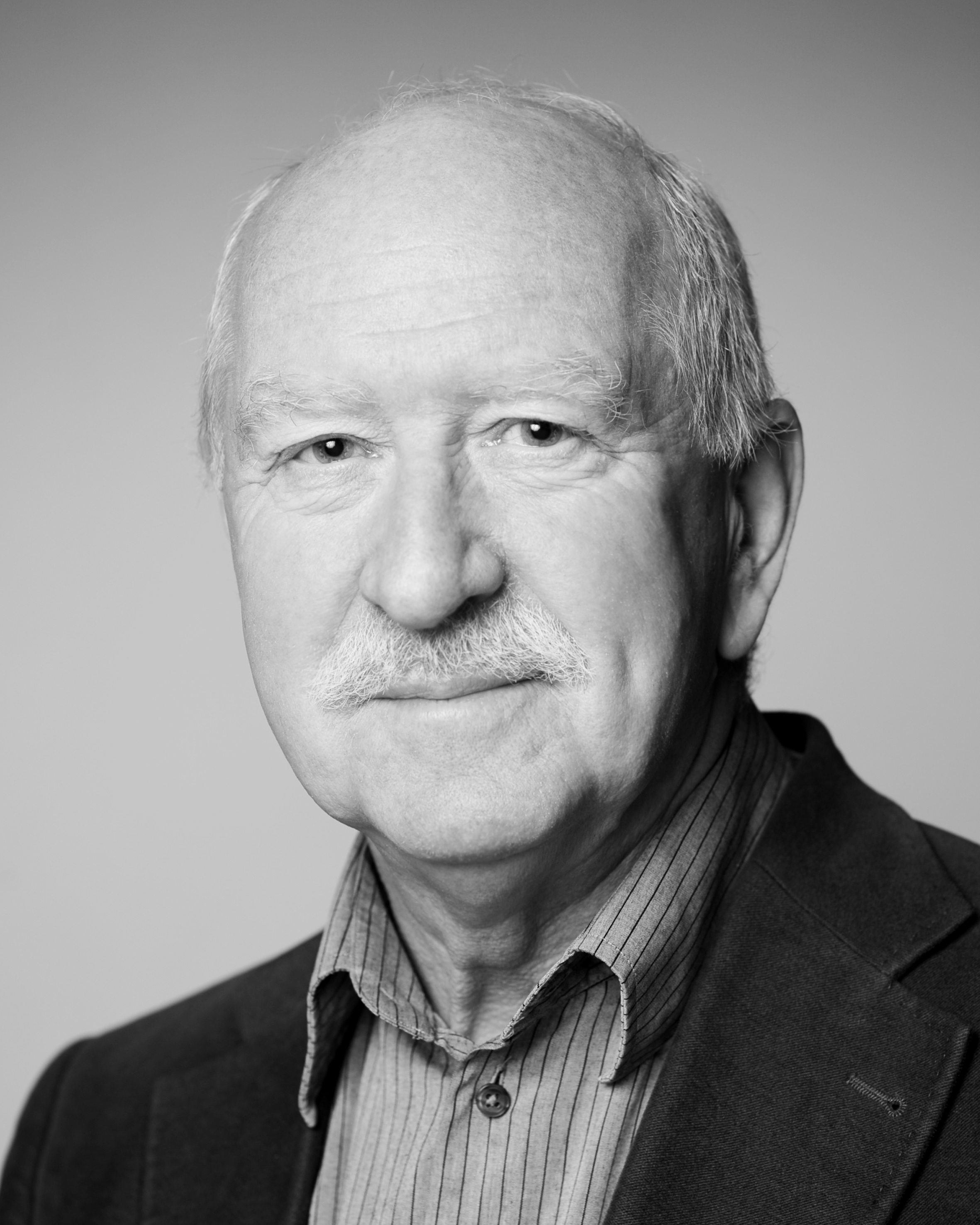
Magne Ognedal

It’s impossible to inspect quality into the petroleum industry.  The latter must itself ensure quality. Magne Ognedal, Director General, Petroleum Safety Authority Norway

More thoughts from Magne:

Understanding risk is central here. We must all recognise first and foremost that the petroleum industry involves risk – just like any other activity.

However, accepting risk does not mean accepting accidents, he emphasises. “Quite the contrary. But we must constantly remind ourselves that accidents have happened – and can happen again.

“The risk of a major accident is present, in Norway and in all other nations with an oil and gas industry. This means that incidents will occur.

“Risk must accordingly be managed, with clear management responsibility, at every level and in every company which participates in the industry.”

Preventive measures can be a challenge, Mr Ognedal concedes, because they require that action is taken – often at a cost – without a disaster or other accident having occurred.

“However, history offers many examples where extensive measures are adopted after disasters. Companies in the petroleum business should consciously ask whether it would not be far better to have an established system which means that preventive measures based on learning, new technology and so forth are implemented, in order to be able to prevent accidents and disasters.

PSA Announcement

Safety – Status and Signals: This is a great publication – highly creative,  easy to read and understand, very current, and loaded with good information. Check it out!

Read Full Post »

Area map with helicopter track and impact position

BOE’s Cheryl Anderson has been tracking this story. Click here for the full TSB report.

Occurrence Summary:

On 12 March 2009 a Cougar Helicopters’ Sikorsky S-92A on a flight to the Hibernia oil production platform had a total loss of oil in the transmission’s main gear box. The flight crew descended to 800 feet and headed towards St. John’s. Approximately 35 nautical miles from St. John’s, during an attempted ditching, the helicopter struck the water in a high rate of descent. One passenger survived with serious injuries and the other seventeen occupants of the helicopter died of drowning.

Safety Issues

  • Category A rotorcraft certified under the “extremely remote” criteria may not be capable of continued operation for 30 minutes with only residual main gear box lubrication.
  • Given today’s operating environments, it may now be technically feasible and economically justifiable to produce a helicopter that can operate in excess of 30 minutes following a massive loss of main gear box lubricant.
  • Helicopter crews and passengers in Canada remain at risk where helicopters are operated over sea states exceeding the capability of their Emergency Flotation Systems.
  • Without a supplemental breathing system, occupants have very little time to egress from a submerged or capsized helicopter before breaking their breath-holds in cold water.

TSB Recommendations

  • The Federal Aviation Administration, Transport Canada and the European Aviation Safety Agency remove the “extremely remote” provision from the rule requiring 30 minutes of safe operation following the loss of main gearbox lubricant for all newly constructed Category A transport helicopters and, after a phase-in period, for all existing ones.
  • The Federal Aviation Administration assess the adequacy of the 30 minute main gearbox run dry requirement for Category A transport helicopters.
  • Transport Canada prohibit commercial operation of Category A transport helicopters over water when the sea state will not permit safe ditching and successful evacuation.
  • Transport Canada require that supplemental underwater breathing apparatus be mandatory for all occupants of helicopters involved in overwater flights who are required to wear a Passenger Transportation Suit System.


Read Full Post »

From the Australia Resources Minister’s Press Conference on 4 February in Canberra (click for the full transcript):

I might also say that I was in the United States last week and these issues were clearly top of mind in my discussions in Washington (l didn’t know he was here and have seen no US coverage of these meetings.)

I reinforced my previous commitment to work closely with the United States in terms of the consideration of the outstanding recommendations of the Macondo report and our determination to put in place a single national regulator in Australia

Discussions were also held with the companies and the US administration about an international conference we will hold in Western Australia in August of this year, focusing on the recommendations of the Macondo and Montara reports. That conference will be highly technical in nature.

It will in my opinion be a very important regulatory conference because it’s about basically having a look at where we are, what national and international responses can be coordinated, any specifications that might have to be changed so that we get a uniform approach to industry practice and the nature of equipment used. (Is the Minister unaware of the Vancouver conference and the ongoing work among regulators?)

(On the report about the Varanus Island explosion) Firstly I’d love to get my hands on it because I want to fully assess it. But I can’t get access to it at the moment because the WA government has determined it would be inappropriate to release it because it may impinge on potential legal proceedings.


Read Full Post »

From today’s Platts Oilgram News:

Offshore drilling giant Transocean expects to release its internal investigative report next month on last year’s Macondo disaster in the Gulf of Mexico as the first of several milestones toward resolving liability issues, Transocean CEO Steven Newman said February 8.

The BOP section of TO’s report should be very interesting.

Read Full Post »

With its acquisition of Pride, Ensco is about to become the worlds second largest drilling contractor (behind only Transocean). Further consolidation and a drilling boom are being predicted by giddy reporters.

Good luck to Ensco and Pride.  I hope the merger serves them well. My comments are not about them, but about the broader implications of oil and gas industry mergers.

  1. Mergers reduce diversity. When two companies merge or are acquired, two opinions become one. The industry loses some of the diversity of thought that is so important in managing safety and environmental risks. There is no single perfect approach to conducting operations, and differences among companies lead to better operations throughout the industry.
  2. Mergers reduce the number of participants in standards development and conferences.  Standards meetings no longer include representatives from Mobil, Amoco, Arco, Getty, Gulf, Texaco, Superior, Pennzoil, Sohio, and other successful companies that have been acquired over the past 30 years. Mergers among contractors, most notably in the drilling industry, and service companies have further reduced participation.
  3. Cuts in combined research are among the “efficiencies” that can be achieved through mergers. When companies merge, research budgets seldom grow, and often decline.

New and expanding independent producers could fill the voids, but these companies tend to be less involved in industry-wide programs and projects. This needs to change and there are some encouraging signs.

There is a lot on the offshore industry’s plate right now including cooperative risk-management programs and a long list of standards projects. Hopefully, everyone will be able to maintain their focus on those needs, and the merger-mania will not be too much of a distraction.

Read Full Post »

U.S. OFFSHORE OIL EXPLORATION: MANAGING RISKS TO MOVE FORWARD

Interesting lineup of speakers.

Read Full Post »

Liz Birnbaum, a former DOI and MMS official and Congressional staffer, has opened a consulting business in DC.  Per her announcement:

I am pleased to announce that I have established a small consulting firm, providing support for environmental quality and natural resources conservation projects.

Best wishes to Liz in her new endeavor. For more information about her firm, visit the SEB Strategies website.

Read Full Post »

Noise Matters

In addition to managing the catastrophic risks associated with fires, explosions, and structural failures, chronic health and safety risks must also be effectively managed.  Hearing loss is one such risk, and PSA Norway has challenged industry to minimize the effects of noise on the health of offshore workers.
The risk level in the Norwegian petroleum activities (RNNP) shows a relatively high number of noise injuries. These are chronic injuries that will worsen with age. The RNNP questionnaire survey shows that 37 per cent state that they quite often/very often/always suffer from a high noise level. Five per cent state that they suffer some or quite a lot from impaired hearing, and 45 per cent of them believe noise in the working environment is the reason for their impaired hearing.

Click here to view the article, presentation, and recorded seminar.

Read Full Post »

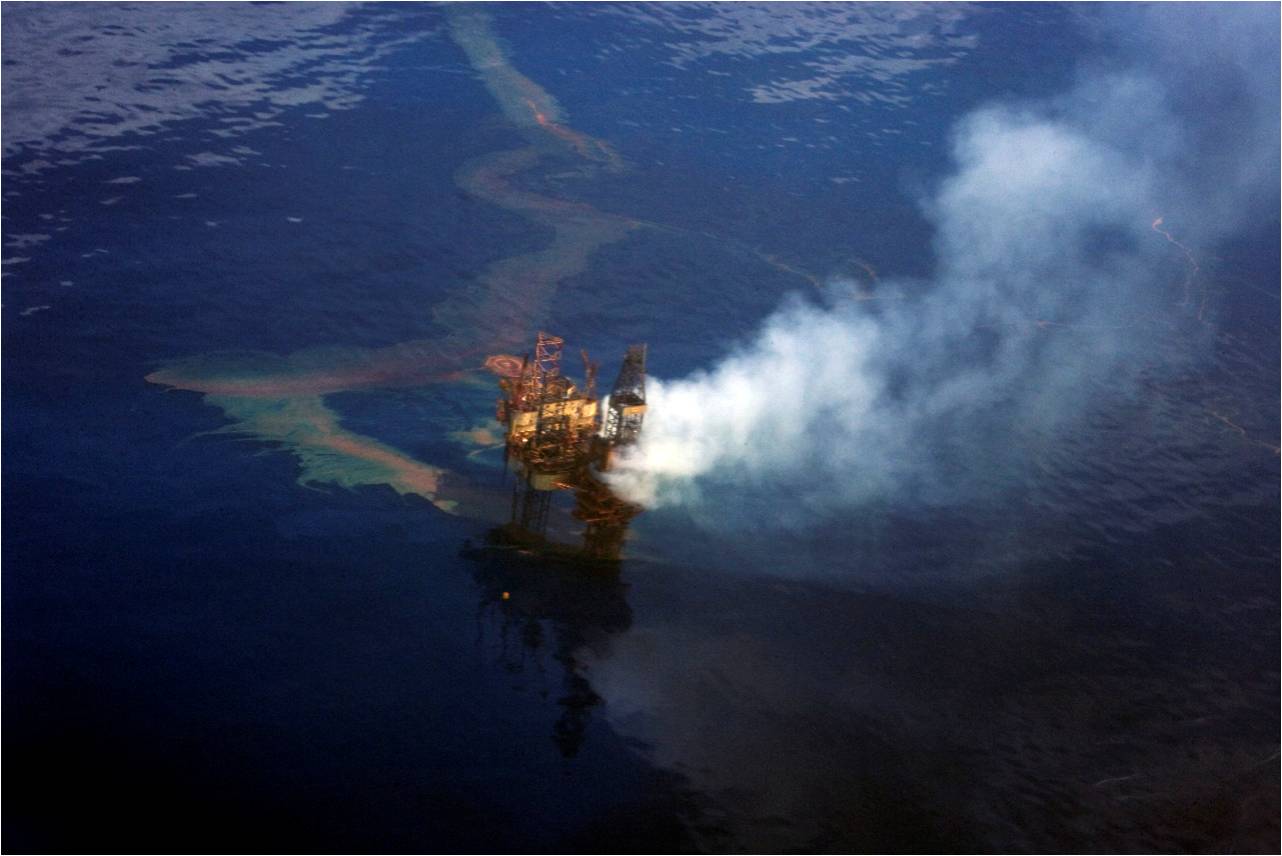
Montara Blowout - Timor Sea

Link

PTTEP will have to report monthly and meet quarterly with Mr Ferguson under a binding agreement for the next 18 months.

Comment: That “penalty” is almost comical. What is the next level of punishment – weekly meetings with Ferguson? Also, shouldn’t the Minister let the regulator oversee PTTEP? Shouldn’t the Minister receive such reports and briefings from the regulator?

There is no disincentive, there’s no penalties. That’s what I think many Australians will be scratching their heads about. Paul Gamblin, WWF WA Director

Comment: I have to agree with the World Wildlife Federation. As one who has been following Monatara since the blowout was first reported and has read every page of the submissions and testimony, it seems inconceivable that PTTEP is able to continue its operations with no apparent penalty.

Read Full Post »

The Canadian Transportation Safety Board’s report on the March 2009 helicopter crash that killed 17 workers offshore Newfoundland will be released on 9 February. This CTV piece provides a good summary of some of the significant issues that have surfaced in the press including:

Pre-crash warnings:

A Canadian investigator who red flagged main gearbox problems months before a Sikorsky helicopter crashed off Newfoundland says he’ll closely read a federal report on what caused the deadly accident.

Criticism of the FAA for their failure to respond:

He forwarded his results to the Federal Aviation Administration, the U.S. agency that originally certified the aircraft, saying he hoped to hear what a deeper probe would find.

FAA says “Not My Job:”

Les Dorr said the agency didn’t send any follow up research it did to Yearwood because it wasn’t under any obligation to do so under international agreements.

Transport Canada says “Not My Job” and points the finger at FAA:

Maryse Durette, a spokeswoman for the agency, says in an email the matter was the FAA’s responsibility and Transport Canada would wait for the original certifier to make recommendations before acting.

While the data suggest that the risk to offshore workers may be greatest when they are travelling to and from a facility, this investigation has received very little attention outside of Canada. That is unfortunate.

Read Full Post »

« Newer Posts - Older Posts »