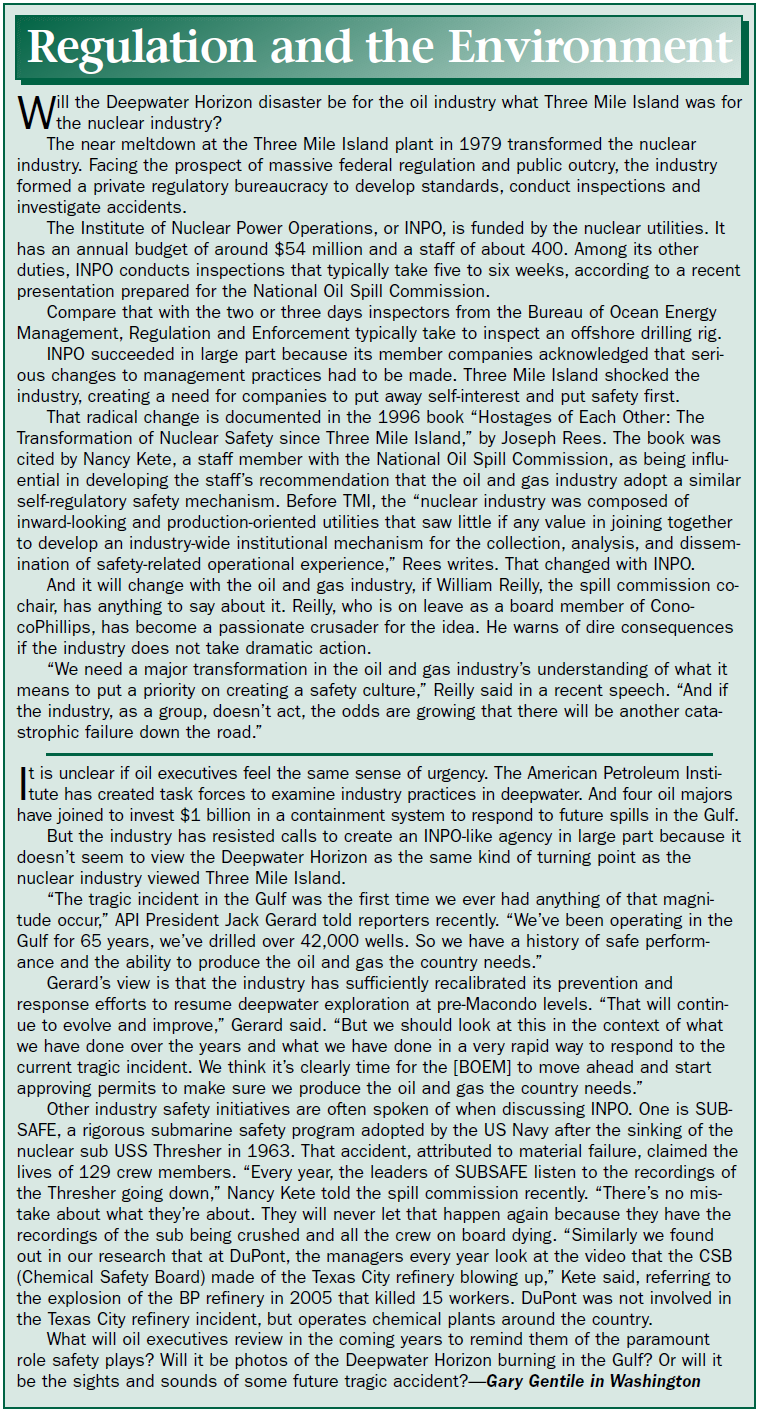
This is a very good column that we are posting with the permission of Gary Gentile, Platts Oilgram.
Posted in accidents, well control incidents, tagged accidents, blowouts, Deepwater Horizon, Gulf of Mexico, INPO, macondo, offshore oil, Platts, safety, well control on December 14, 2010| Leave a Comment »
This is a very good column that we are posting with the permission of Gary Gentile, Platts Oilgram.
Posted in accidents, well control incidents, tagged Gulf of Mexico, macondo, MMS, offshore oil, twitter on December 13, 2010| Leave a Comment »
1. Gulf Oil Spill
2. FIFA World Cup
3. Inception
4. Haiti Earthquake
5. Vuvuzela
6. Apple iPad
7. Google Android
8. Justin Bieber
9. Harry Potter & the Deathly Hallows
10. Pulpo Paul
Pre-Macondo poll numbers I would like to have seen:
Posted in Offshore Energy - General, tagged Gulf of Mexico, hurricanes, macondo, offshore oil, safety on December 13, 2010| Leave a Comment »
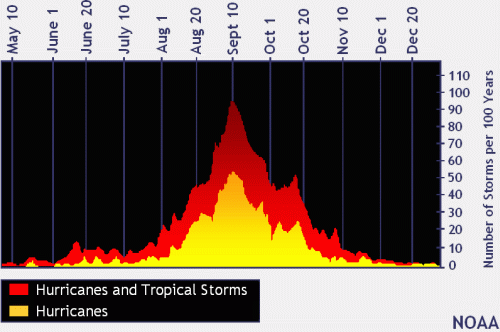
Based on the chart above, I think we can now safely declare that the 2010 hurricane season is over. While the threat of tropical storms posed some problems for the Macondo response, the Gulf of Mexico was spared any significant damage or suspensions of production.
During the post-Macondo discussion about safety and regulatory issues, not much has been said about the major disruptions caused by Hurricanes Ivan, Katrina, Rita, Gustav, and Ike, and the attention and resources that have been dedicated to hurricane issues for the past five years. Major advances have been made in mooring capabilities and assessments, design standards, securing topsides equipment, and other aspects of hurricane preparedness.
How much did hurricane issues affect the assessment and management of other operating risks? This question may merit further attention.

Mars TLP took a direct hit from Hurricane Katina with sustained winds >150 mph
Posted in Alaska, tagged Alaska, Beaufort, cuttings, drilling, muds, offshore drilling, Shell, zero discharge on December 12, 2010| Leave a Comment »
Posted in Alaska, offshore, Offshore Energy - General, tagged Alaska, Beaufort, cuttings, drilled solids, drilling fluids, muds, offshore, offshore oil, Shell on December 11, 2010| Leave a Comment »
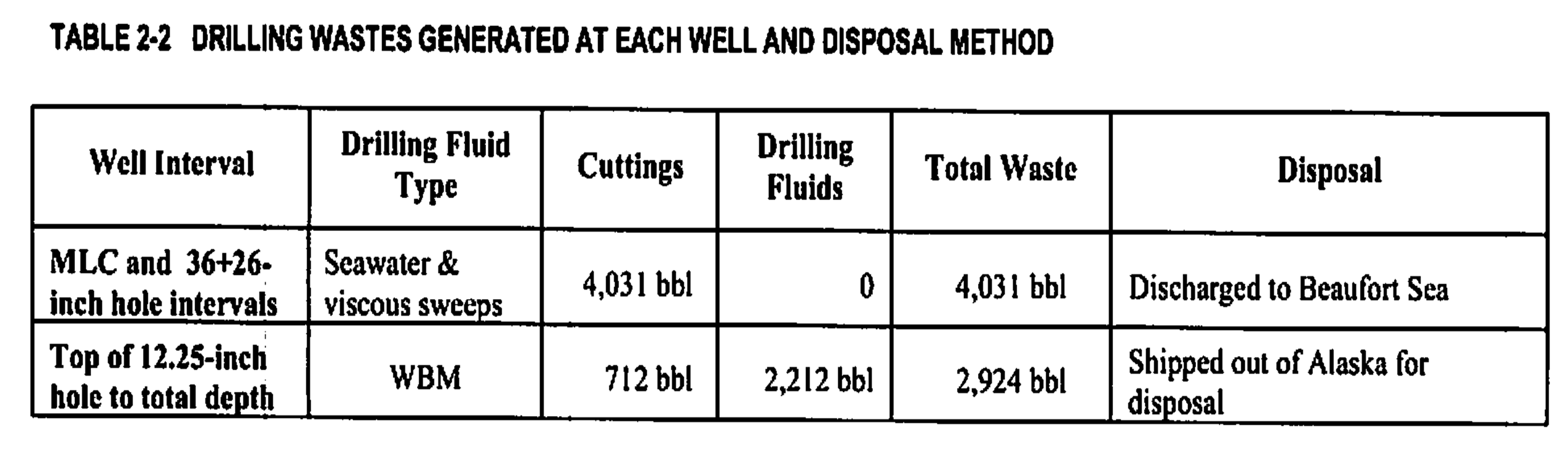
Shell has agreed to transport its used drilling fluids from Beaufort Sea exploration drilling out of the Arctic if the company finally gets government permission to drill a well next summer. Alaska Journal of Commerce
Posted in accidents, well control incidents, tagged accidents, Andarko, blowouts, bp, Cameron, Deepwater Horizon, drilling, Gulf of Mexico, macondo, Mitsui, offshore oil, safety, Switzerland, transocean, well control on December 11, 2010| Leave a Comment »
Transocean Ltd. (RIG, RIGN.VX) said Thursday that a Swiss administrative court ruled that the company cannot pay out about $1 billion to shareholders because of the numerous Deepwater Horizon-related lawsuits pending against the rig owner in the U.S. Wall Street Journal
Posted in accidents, well control incidents, tagged accidents, blowouts, drilling, Gulf of Mexico, Helix, macondo, offshore oil, oil spill, safety on December 10, 2010| Leave a Comment »
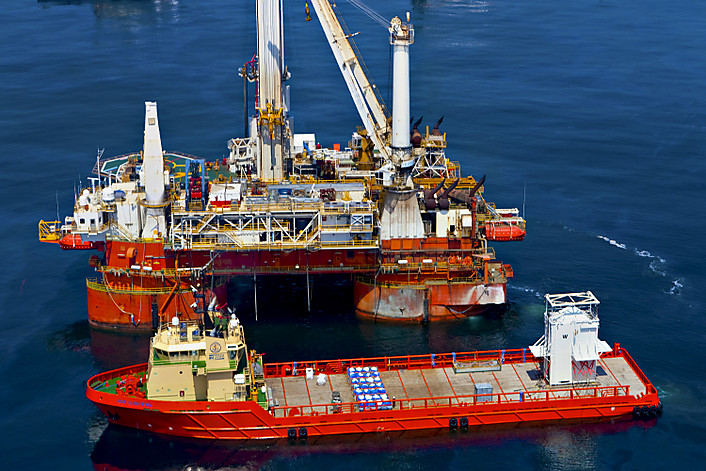
Helix Q4000
Helix’s system, a competitor to a project led by Exxon Mobil Corp that is still in the planning stages, is built from equipment that was used to siphon oil from the sea floor after BP Plc’s Macondo well ruptured on April 20. Reuters article
Interesting. We don’t know the details, but this would seem to be a cost-effective approach that could be quickly implemented.
Posted in Uncategorized on December 9, 2010| Leave a Comment »

Clark Little photo, Hawaii
Posted in accidents, well control incidents, tagged accidents, Australia, blowouts, Deepwater Horizon, drilling, Gulf of Mexico, macondo, Montara, offshore oil, oil spill, safety, well control on December 9, 2010| Leave a Comment »
Posted in drilling, Offshore Energy - General, tagged Australia, drilling, Montara, offshore on December 8, 2010| Leave a Comment »
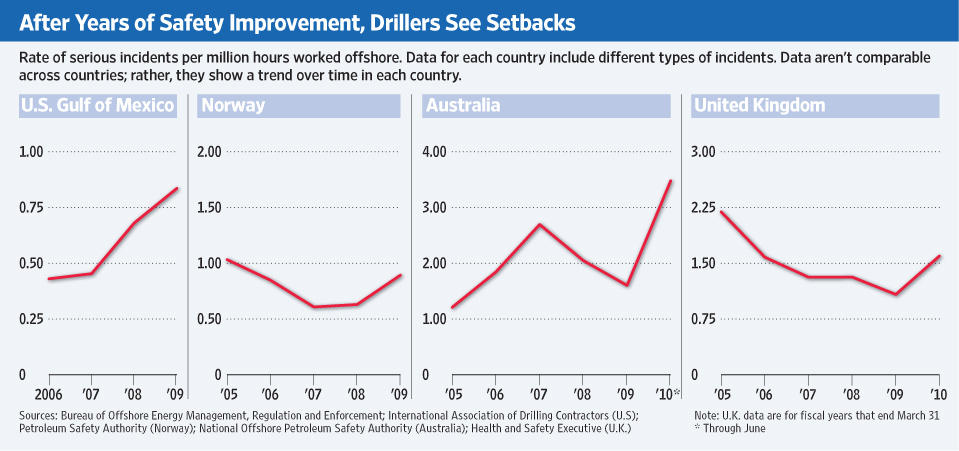
It looks like Montara has not affected frontier exploratory drilling offshore Australia. Per Upstream:
New Seaclem-1 will be the first well to be drilled off the New South Wales coast and will target an estimated 6 trillion cubic feet of gas in the Great White & Marlin prospects.
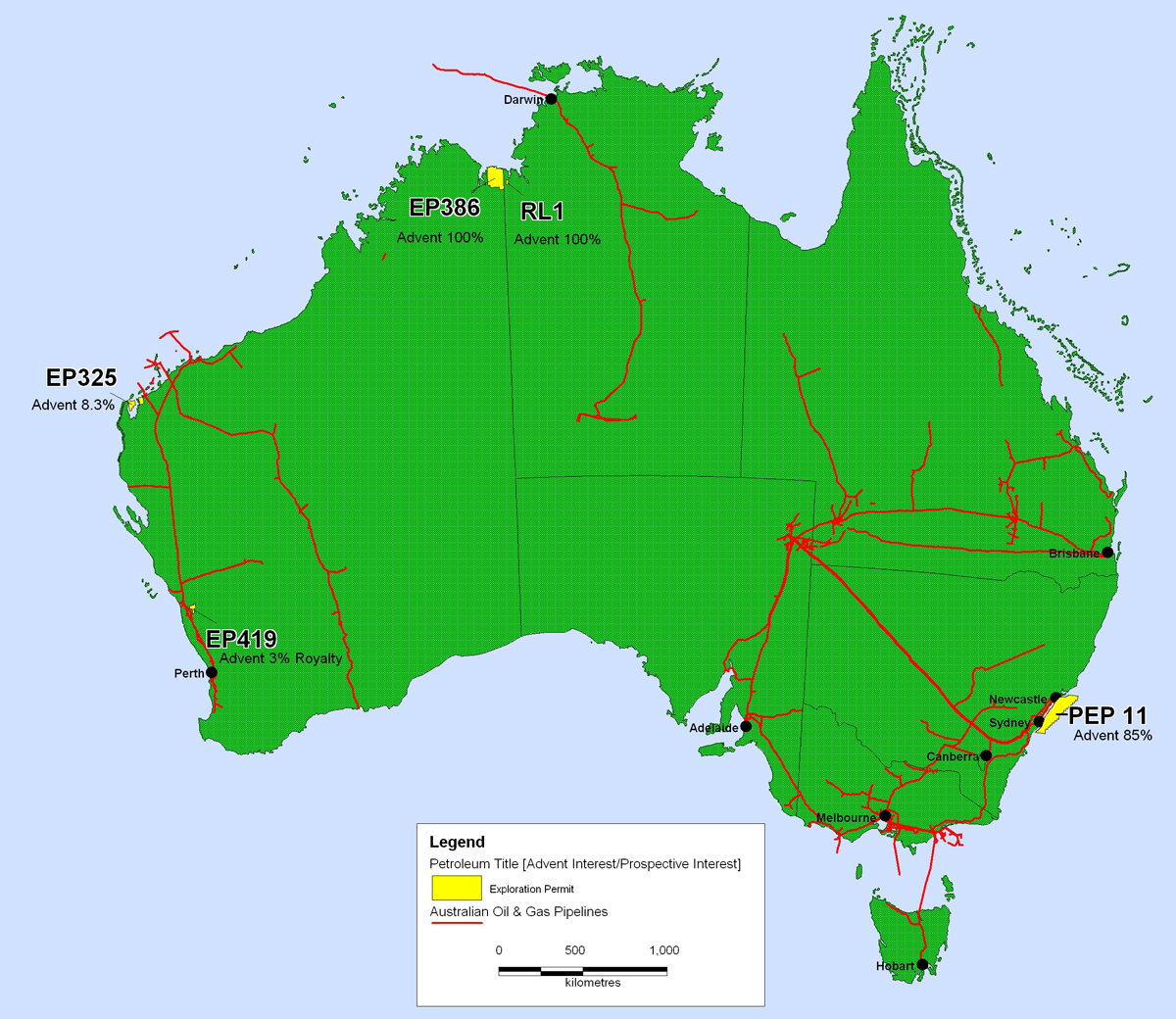
Well site is in PEP-11 (Advent Energy map)
 Bud's Offshore Energy (BOE)