Archive for November, 2010
Déjà vu
Posted in accidents, well control incidents, tagged accidents, Australia, blowouts, Deepwater Horizon, drilling, Gulf of Mexico, macondo, Montara, National Commission, offshore oil, safety, well control on November 9, 2010| 1 Comment »
Nice Work by the Commission attorneys and staff
Posted in accidents, well control incidents, tagged accidents, blowouts, Deepwater Horizon, drilling, Gulf of Mexico, macondo, National Commission, offshore oil, safety, well control on November 8, 2010| 1 Comment »

Hats off to the Commission attorneys and staff for today’s presentations and questioning. They were very well prepared, conducted themselves in a professional manner, and focused on the causes (not who should be blamed). The format was excellent with the Commission presenting their tentative findings and then asking the industry panel how they felt about each finding.
Oddly, the only real speculation was by the industry panelists, most notably the comments below about the flow path and BOP performance. Not very subtle!
Halliburton Stunner
Posted in accidents, well control incidents, tagged accidents, blowouts, Deepwater Horizon, drilling, Gulf of Mexico, macondo, National Commission, offshore oil, oil spill, safety, well control on November 8, 2010| Leave a Comment »
Based on lower than expected pressure readings during the cementing operation, Halliburton (Richard Vargo) contends that hydrocarbons entered the annulus (outside production casing) during cementing, rose to the wellhead before the seal assembly was set, and raised the seal assembly after it was set. They believe that subsequent flow was inside production casing, but that the initial burst was up the annulus. This position is inconsistent with current view of the Commission and all of the other parties.
At the hearing
Posted in Uncategorized on November 8, 2010| Leave a Comment »
Bill Ambrose, Director of Special Projects, Transocean:
Transocean believes the BOP worked within the limits it was designed for.
Posted in Uncategorized on November 8, 2010| 1 Comment »
If you are not watching the National Commission hearing, you should be. The Commission attorneys are doing an excellent job with their presentation of the events leading up to the blowout – very balanced and professional. You can watch on CSPAN-2 or online.
Statoil Publishes Report on Gullfaks C Incident
Posted in accidents, well control incidents, tagged Gullfaks, Norway, safety, Statoil, well control on November 8, 2010| Leave a Comment »
The incident occurred on 19 May 2010. We appreciate Statoil’s timely completion and public release of the report. The report is in Norwegian, but an English summary is provided.
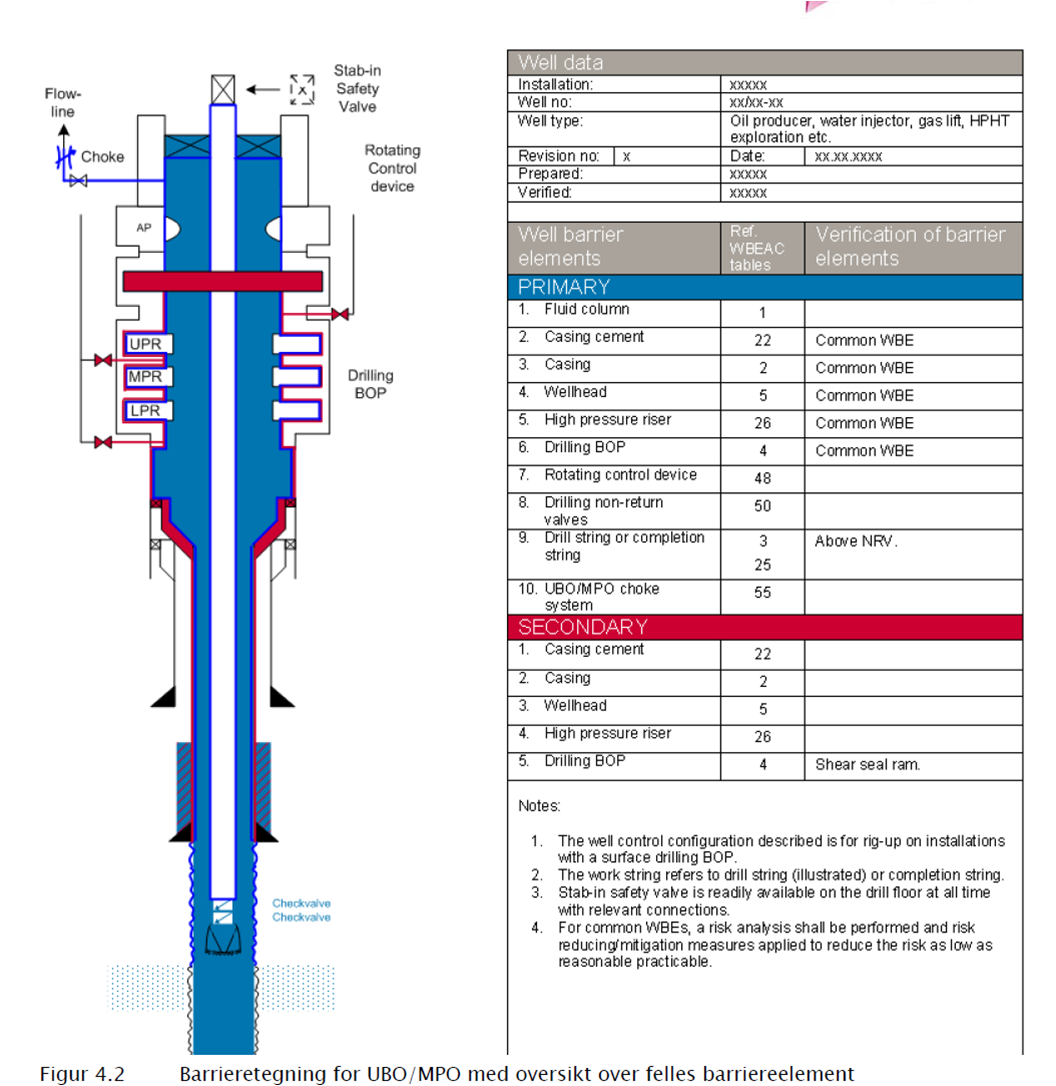
What happened:
- A platform well on Gullfaks C was drilled in managed pressure drilling (MPD) mode to a total depth of 4800 meters.
- During the final circulation and hole cleaning of the reservoir section, a leak in the 13 3/8” casing resulted in loss of drilling fluid (mud) to the formation.
- The loss of back pressure led to an influx of hydrocarbons from the exposed reservoirs until solids or cuttings packed off the well by the 9 5/8” liner shoe.
- The well control operation continued for almost two months before the well barriers were reinstated.
Statoil’s near-term action items:
- Develop new acceptance criteria and best practices for MPD on Gullfaks.
- Update pressure prognoses for the field.
- Document that the shear ram is capable of cutting the drill string.
- Change the shift relief plan for the Drilling Supervisor and Toolpusher on Gullfaks C.
- Review the procedures for communication and mustering with the emergency preparedness organization.
National Commission Hearing: 8-9 November
Posted in accidents, well control incidents, tagged accidents, blowouts, Deepwater Horizon, drilling, Gulf of Mexico, macondo, National Commission, offshore oil, oil spill, safety, well control on November 7, 2010| Leave a Comment »
The hearing will focus on the causes of the Deepwater Horizon explosion and will be broadcast live on C-SPAN2. The panelists and speakers are listed here.
Structural Engineering Solutions
Posted in Uncategorized, tagged safety, structural engineering on November 7, 2010| Leave a Comment »
Odd Finnestad alerted us to some brilliant engineering solutions at There I Fixed It. We have selected a few in honor of our structural engineering colleagues, whose commitment to safety, continuous improvement, and innovation never ceases to amaze us!
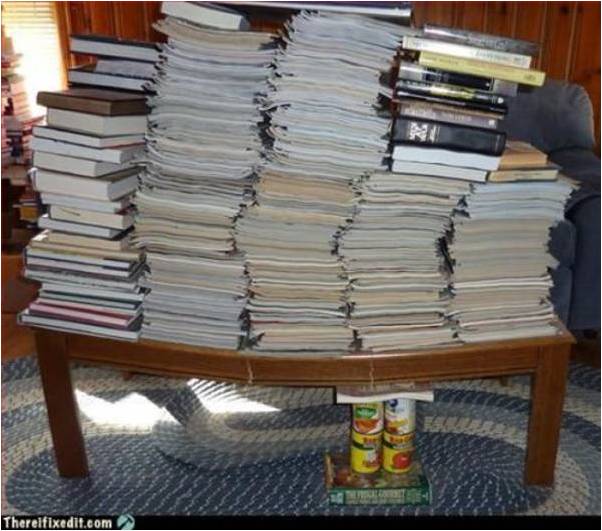
structural engineering solution to paperwork management challenges

correcting dangerous structural weakness without stopping "production"

backup seat belt option using existing structure and systems
Happy Hour Entertainment
Posted in Uncategorized, tagged Chilean Miner, Edison Pena, Letterman on November 5, 2010| Leave a Comment »
The Ultimate Single Regulator Solution
Posted in IRF, Offshore Energy - General, Regulation, tagged international, IRF, Jan de Jong, regulations, safety culture, single regulator, SSM, vancouver on November 5, 2010| Leave a Comment »
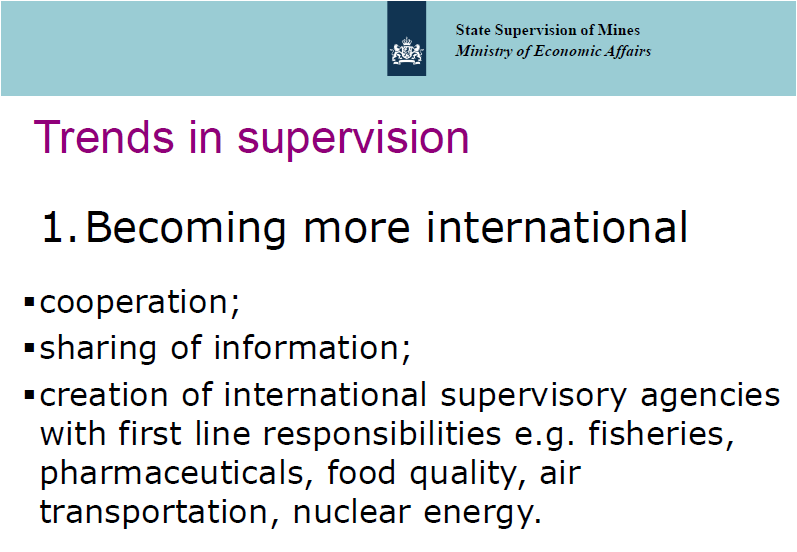
The above slide is from the excellent presentation that Jan de Jong (Inspector General, State Supervision of Mines, the Netherlands) never got to deliver in Vancouver. As session chair, Jan graciously yielded his time to his panelists.
Jan’s presentation notes the growing importance of international cooperation. This trend has the potential to improve regulatory capabilities, expand data availability and access, reduce regulatory costs through the sharing of resources, reduce costs for industry through greater international consistency and regulatory certainty, and improve international relations. The Netherlands, Russia, Norway, Cuba, the US, and everyone else should be on the same team when it comes to offshore safety and pollution prevention. Some near-term suggestions follow:
- Except where regional conditions dictate otherwise, the same standards should be applied worldwide. Government and industry should be collectively questioning, testing, and improving these standards. Remember that the goal is continuous improvement, not mere compliance.
- An international information system should provide for the collection and verification of incident and performance data.
- Using international data and expertise, a cooperative risk assessment program should be initiated.
- An organized international audit capability should be established to evaluate operators and regulators.
- To improve access to expertise and reduce costs, a network of specialists should assist regulators worldwide.
- Industry training requirements should be uniform and consistently applied, and regulator training programs should be consolidated regionally or internationally.
- The international research network should be expanded.
- To ensure that accidents are investigated independently and to minimize the potential for political influences on the investigation process, an international accident investigation capability should be established.
- The safety culture message should be promoted worldwide. Successes and failures should be cooperatively examined.
 Bud's Offshore Energy (BOE)