The White House said Tuesday the government will lift a moratorium on deep water oil drilling in the Gulf of Mexico “very soon” – likely this week. Washington Post
Archive for October, 2010
Drilling Ban to End This Week
Posted in accidents, drilling, Offshore Energy - General, well control incidents, tagged accidents, blowouts, Deepwater Horizon, drilling, Gulf of Mexico, macondo, moratorium, safety, well control on October 12, 2010| Leave a Comment »
CNH to Participate in Vancouver Conference
Posted in conferences, tagged CNH, IRF, Mexico, offshore oil, safety, vancouver on October 12, 2010| Leave a Comment »
 We are pleased that Mexico’s new regulatory agency CNH will be participating in the International Regulators Offshore Safety Conference in Vancouver. North American cooperation on offshore safety and regulatory issues is critical to the energy and economic futures of all countries in the region.
Shale Gas: What are the implications for US and Canadian offshore exploration? Alaskan gas? Is LNG dead?
Posted in natural gas, tagged LNG, Marcellus Shale, natural gas, Pennsylvania on October 12, 2010| Leave a Comment »
All told, I think Pennsylvania is sitting on the largest gas reserve in the entire world. Scott Perry, director of the state’s Bureau of Oil and Gas Management at the 2010 Marcellus Summit
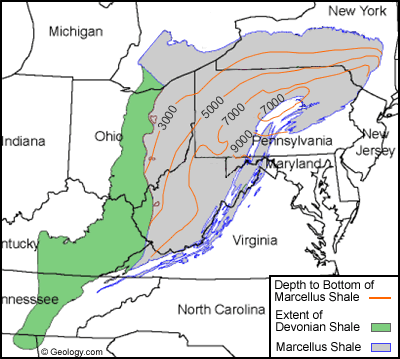
Rash statement? Hyperbole? Possibly, but shale gas is a game-changer for the northeastern US. How effectively will the resource be exploited? Will the true potential be realized? Stay tuned.
There are always tradeoffs
Posted in gas, natural gas, Offshore Wind, Wind Energy, tagged natural gas, noise, Offshore Wind, Vinalhaven, Wind Energy on October 12, 2010| Leave a Comment »
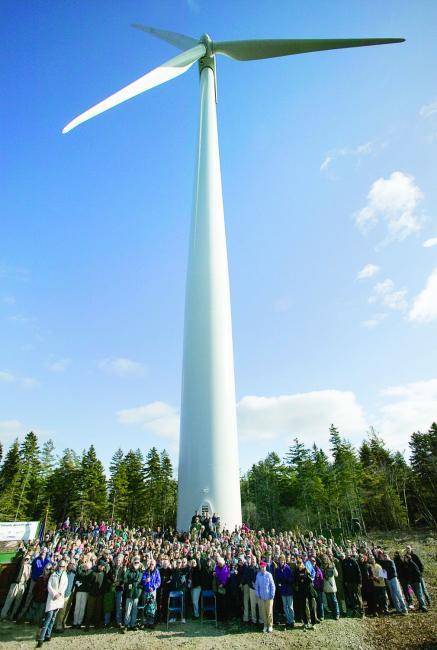
This New York Times article and video discuss the dispute on the island of Vinalhaven, Maine, about the noise associated with the island’s three wind turbines.
Comments:
-Locating wind projects offshore minimizes noise and visual issues, but increases costs and operational complexity. There are always trade-offs.
-When all environmental impacts are considered, offshore natural gas is tough to beat: minimal visual impacts, none of the freshwater issues that are complicating shale gas development, few land use issues, little or no spill risk (depending how dry the gas is). The trade-off is CO2 emissions. While combustion of natural gas emits 30% and 45% less CO2 than oil and coal respectively, the CO2 emissions are still significant.
Thanksgiving and Columbus Day in North America!
Posted in offshore, Offshore Energy - General, Uncategorized, tagged BOE, Canada, coastline, Columbus Day, EEZ, offshore, Thanksgiving on October 11, 2010| 2 Comments »

In recognition of the earlier fall harvests to our north, Canada celebrates Thanksgiving a month ahead of the US. As a result, Canada’s Thanksgiving coincides with our Columbus Day. So Happy Holiday to folks on both sides of the border, even if you have to work! 🙂
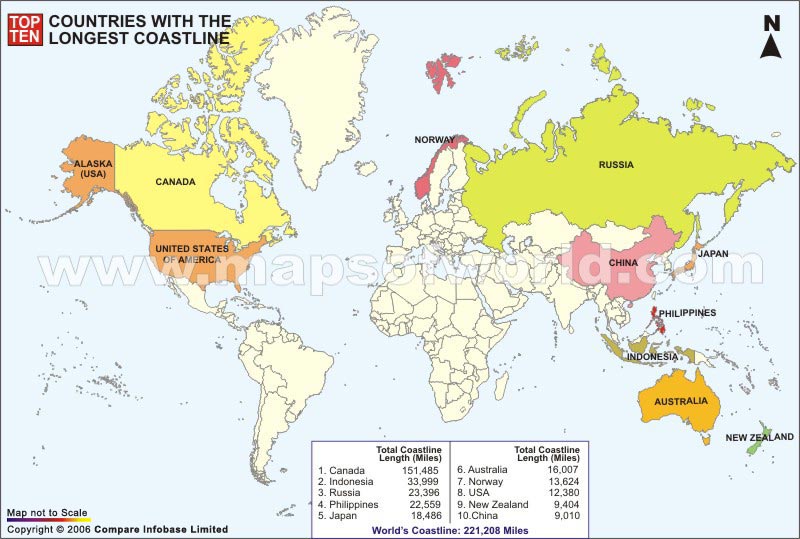
Canada, which is on our minds this week as we get ready for the big conference in Vancouver, is especially significant to our offshore scholars because of its long coastline, by far the longest of any nation (see below and this slightly different Wiki ranking). 80% of the world’s nations have coastlines bordering an open sea, and about 1/3 of all nations have an existing or planned offshore oil and gas program.
Cape Wind Marathon Continues; Will Costs be the Biggest Obstacle?
Posted in Offshore Wind, Wind Energy, tagged Cape Wind, Offshore Wind, Wind Energy on October 10, 2010| Leave a Comment »
The Boston Globe looks at Cape Wind costs: 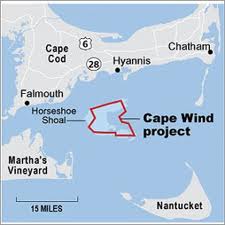
Once the 130 turbines begin rotating, the energy produced will cost up to 50 percent more than energy today from some land-based wind farms and twice as much as some hydroelectric dams.
Now, after a new analysis by the attorney general’s office placed the cost of building Cape Wind at more than $2.5 billion, 2 1/2 times the original estimated price tag, the state Department of Public Utilities is weighing whether National Grid’s proposed 15-year contract with Cape Wind is a good deal for ratepapers. A decision is expected by mid-November.
Too many distractions before Macondo blew?
Posted in accidents, well control incidents, tagged accidents, Australia, blowouts, BOEMRE, Coast Guard, Deepwater Horizon, drilling, Gulf of Mexico, macondo, Montara, safety, well control on October 9, 2010| Leave a Comment »
There were so many simultaneous activities — starting with the displacing of mud to the pumping of fluids overboard — it was difficult to see what was going on. John Gisclair, Sperry Sun (see Times Picayune summary of yesterday’s BOEM-Coast Guard hearing)
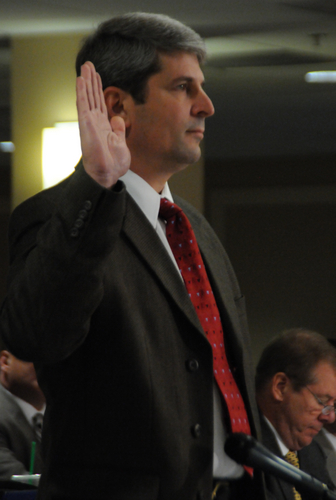
John Gisclair
Too much at once? Hurrying to finish the job? Cost concerns? No one in charge? Distracted by managers visiting the rig? One or more of these human and organizational factors appears to have contributed to the blowout.
Similarly, the rigid commitment to “batching” the development wells (for efficiency reasons) seems to have been a factor contributing to the Montara blowout in the Timor Sea. If after removing the corrosion cap on the production casing, the work on the H1 well had continued in series (i.e. casing tied-back, BOP installed, and well secured) before moving on to another well, this blowout may have been prevented.
At both Macondo and Montara, time pressures (perceived or real) may also have affected the way negative-pressure tests were conducted or assessed. These tests should have detected the influx of hydrocarbons via the shoe track.
Views on Vancouver
Posted in conferences, tagged accidents, blowouts, Canada, IRF, macondo, offshore oil, safety, vancouver, well control on October 8, 2010| Leave a Comment »
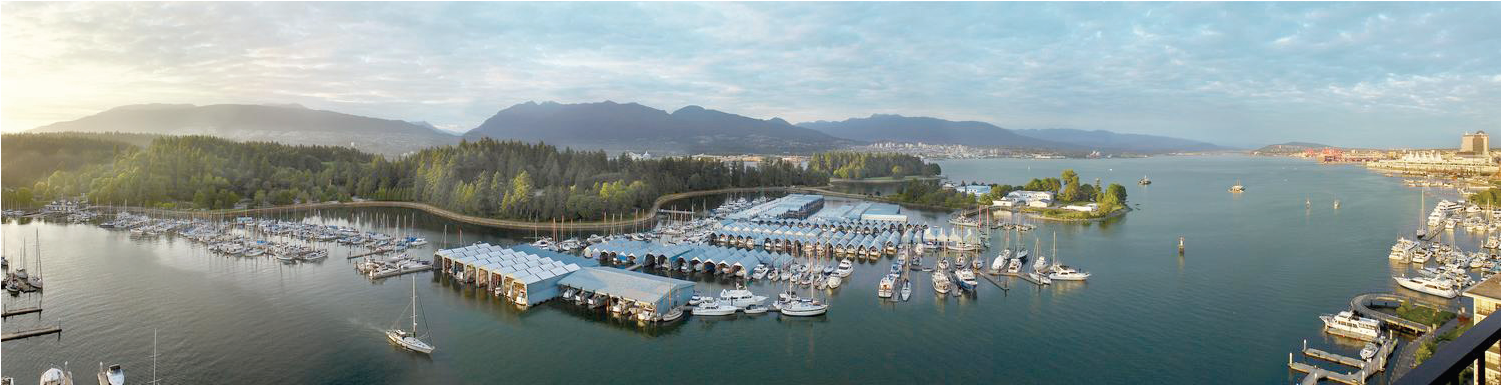
In less than 10 days, we kick off the International Regulators’ Offshore Safety Conference in Vancouver. The venue is top-notch, the list of delegates is long and impressive, and the speakers are world leaders in offshore operations, safety, and regulatory practices. Everything is in place for a productive conference; now it is up to us. We must challenge the speakers, each other, and conventional wisdom if we want to make a difference. We need to understand where we have been, and then focus on where we are going. In that regard, the “Roundtable Discussions” will be an important part of the conference. If you plan to attend the conference and would like to assist with the Roundtable Sessions, send a note to edanenberger@gmail.com.
Here are ten issues that I look forward to discussing with other delegates:
- How do we develop a comprehensive and verified international incident data base? The IRF data and some of the industry efforts are good starts, but where do we go from there?
- What other performance data should be routinely collected?
- How do we assess emerging and hidden risks? In that regard, I am looking forward to Torleif Husebø’s presentation: PSA’s Risk Level Measuring Scheme and how available data are collected and used.
- Looking beyond centralizers, long-strings, and corrosion caps, what are the management lessons from Macondo and Montara?
- Is there such a thing as a hybrid regulatory regime? While a certain amount of prescription is necessary in any regulatory system, how can a regime have both “command and control” and “safety case” elements? Aren’t they contradictory?
- How do we develop and encourage safety leaders? How do we measure their progress. In that regard, I am really looking forward to Mark Fleming’s presentation: Know where you are going rather than where you have been! A Leaders’ guide to continuous safety performance measurement
- Can regulators inhibit industry safety achievement? How do we encourage innovation and leadership? How do we deal with those who have no interest in either?
- Should standards participation and safety research be a part of every operator’s safety management programs?
- Can the international community help provide stability and perspective during crises like Macondo?
- What are the next steps in international cooperation on offshore safety?
And here is the final SEMS rule
Posted in accidents, Regulation, tagged accidents, API RP 75, BOEM, BOEMRE, drilling, Gulf of Mexico, offshore oil, production, regulations, safety, SEMS on October 7, 2010| Leave a Comment »
Safety and Environmental Management Systems
This rulemaking will incorporate in its entirety and make mandatory the AmericanPetroleum Institute’s Recommended Practice 75, Development of a Safety andEnvironmental Management Program for Offshore Operations and Facilities, with respectto operations and activities under the jurisdiction of BOEMRE. This final rule will applyto all OCS oil and gas and sulphur operations and the facilities under BOEMREjurisdiction including drilling, production, construction, well workover, well completion,well servicing, and DOI pipeline activities.
The rule will become effective on November 15, 2010.
Post-Macondo Drilling Safety Rule Posted by the Federal Register
Posted in drilling, Regulation, tagged BOEM, BOEMRE, drilling, Drilling Safety Rule, Gulf of Mexico, macondo, offshore oil, safety, well control on October 7, 2010| Leave a Comment »
The complete interim final Drilling Safety Rule is now posted on the Federal Register site. This rule was announced on 30 September along with the Safety and Environmental Management System rule. The latter rule has not yet been posted by the Federal Register.
The Drilling Safety Rule is effective immediately. With regard to comments:
While BOEMRE will not solicit comments before the effective date, BOEMRE will accept and consider public comments on this rule that are submitted within 60 days of its publication in the Federal Register. After reviewing the public comments, BOEMRE will publish a notice in the Federal Register that will respond to comments and will either:
1. confirm this rule as a final rule with no additional changes, or
2. issue a revised final rule with modifications, based on public comments.
 Bud's Offshore Energy (BOE)