

Feeds:
Posts
Comments

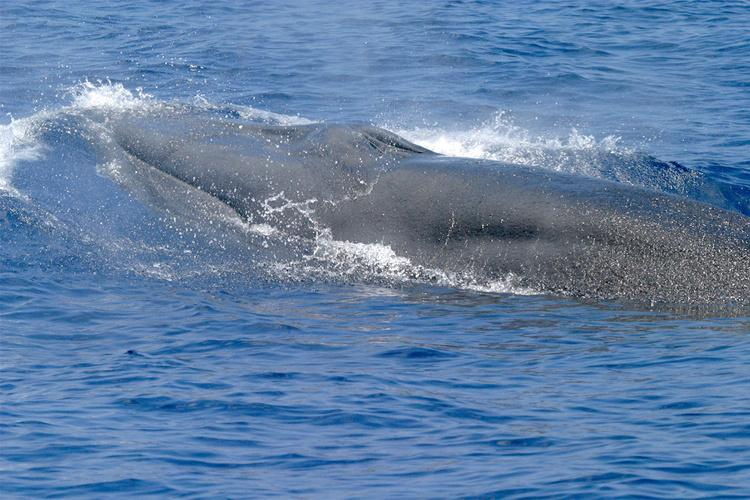
Posts Tagged ‘Rice’s whale’

Their filing is attached. I found the following points to be particularly compelling:

p.3: “Despite no evidence that an Oil and Gas Program vessel has ever struck a Rice’s whale, the 2025 BiOp projects that Oil and Gas Program vessels will lethally strike numerous Rice’s whales over the term of the 2025 BiOp. On that basis alone, the Service found that the Oil and Gas Program will jeopardize the continued existence of the Rice’s whale, and developed a multi-step reasonable and prudent alternative which it asserts will reduce projected vessel strikes to zero.

p. 4: “The Rice’s whale is a rarely found animal that the Service first identified as a new species (separate from the non-endangered Bryde’s whale) in 2021. 86 Fed. Reg. 47,022 (Aug. 23, 2021). There is no evidence that an Oil and Gas Program vessel has ever struck a Rice’s whale (or a Bryde’s whale) despite continued operation in the Gulf over many decades.”

p. 5: “The 2025 BiOp disregards the Bureaus’ logical, fact-based conclusion. Instead, the Service’s 2025 BiOp engages in speculation and guess-work to surmise that Oil and Gas Program vessels could be striking and killing Rice’s whales on a regular basis. The Service ignores the best available data (i.e., showing no recorded observations of an oil and gas vessel striking a Rice’s whale) and instead presumes that forceable and lethal collisions between oil and gas service vessels and 60,000-pound whales are regularly occurring but somehow going unnoticed by the vessels and their crews and that the carcasses silently disappear into the water, never to be seen again.

Read Full Post »

National Marine Fisheries Service (NMFS) biological opinion dated 5/20/2025

Background:

  • Section 7(a)(4) of the Endangered Species Act (ESA) requires federal agencies to confer with NMFS on any action that is likely to jeopardize the continued existence of proposed species or result in the destruction or adverse modification of proposed critical habitat.
  • Section 7(b)(3) of the ESA requires that at the conclusion of consultation, NMFS provides an opinion stating whether the Federal agency’s action is likely to jeopardize ESA-listed species or destroy or adversely modify designated critical habitat.
  • Last year, the U.S. District Court for the District of Maryland vacated the NMFS 2020 Biological Opinion for Gulf of Mexico Oil and Gas activities effective May 21, 2025, so failure to complete the opinion by that date would have jeopardized oil and gas operations in the Gulf.

Key points in the biological opinion:

  • p. 598: The proposed action is not likely to jeopardize the continued existence of sperm whale, Northwest Atlantic loggerhead sea turtle, Kemp’s ridley sea turtle, North Atlantic DPS green sea turtle, leatherback sea turtle, hawksbill sea turtle, or Gulf sturgeon.
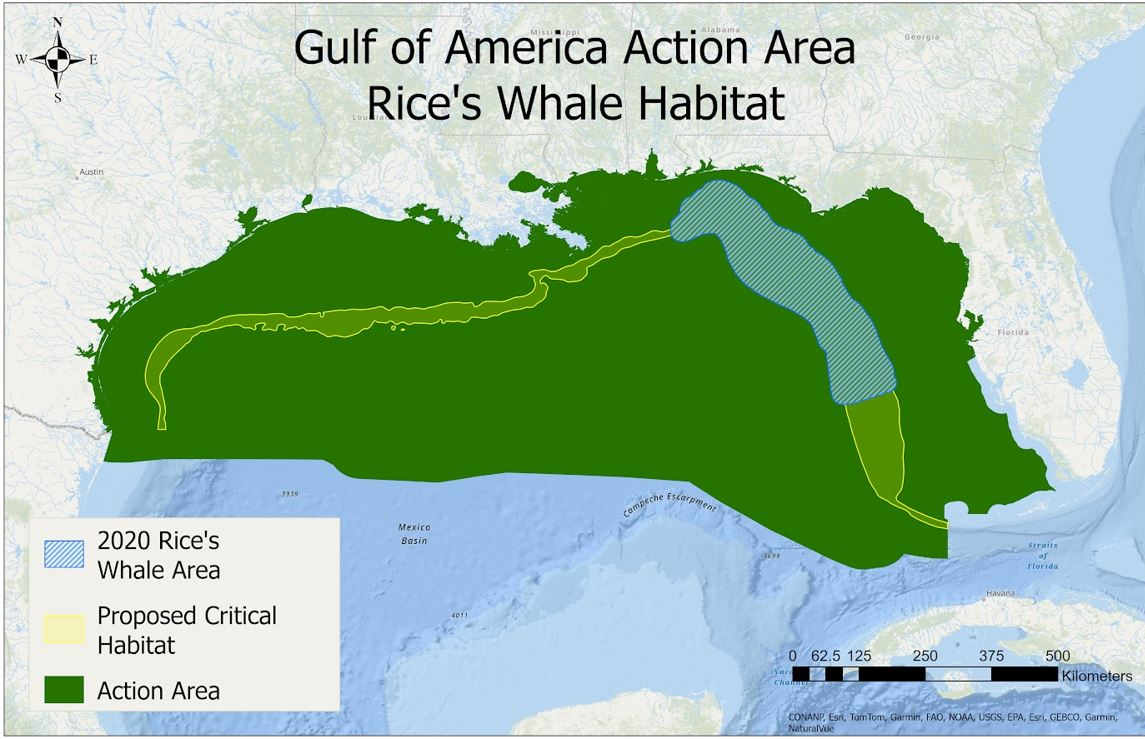
  • The proposed action is not likely to destroy or adversely modify loggerhead or Gulf sturgeon designated critical habitat, or proposed critical habitat for green sea turtle North Atlantic DPS or Rice’s whale.
  • p. 599: The operation of oil and gas vessels in the Gulf of America, in an area where the endangered Rice’s whale occurs, is likely to jeopardize the continued existence of the whale due to the risk of vessel strike.

According to NMFS, the reasonable and prudent alternative (see below) reduces or avoids the primary threat to Rice’s whales, the risk of injurious and lethal vessel strike interaction. The impacts of other stressors are more limited in space and time, diffuse, or not likely to result in adverse effects to Rice’s whale.

The reasonable and prudent alternative (RPA) requires the following as it relates to vessel activity in the action area. More detail on p. 601:

  1. Immediately begin to use technology to enable Rice’s whale vessel strike avoidance and monitoring of presence of Rice’s whale.
  2. Establish an expert working group to support development and implementation of a Rice’s whale vessel strike avoidance technology plan (RW Tech Plan)
  3. Improve understanding of Rice’s whale vessel strike risk associated with the proposed action
  4. Develop a Rice’s whale vessel strike avoidance technology plan (RW Tech Plan)
  5. Undertake independent peer review
  6. Implement Rice’s whale vessel strike technology plan
  7. Monitor Rice’s whales to ensure no likelihood of jeopardy during RPA implementation

Comment: Because the risk to the Rice’s whale in the central and northwestern GoA is highly speculative (see analysis by Darren Ireland), the RPA is arguably excessive. However, I like the RPA’s technological and management system focus.

Unsurprisingly, Earth Justice et al found the NMFS opinion inadequate and filed a suit (attached) in Maryland calling on the court to vacate the opinion and grant injunctive relief.

How can they sue in a Federal court in Maryland, far away from the Gulf? The venue was ostensibly chosen because NMFS headquarters are located in a Maryland suburb of DC. The Maryland court is also likely to favor the plaintiffs, which may have been a factor in the choice of venue. It’s a great country! 😉

Read Full Post »

OCS Lease Sale 259 was mandated by Congress, and was held on March 29, 2023, two days before the deadline established in the Inflation Reduction Act. Ah, but compliance with environmental law, which is of course subject to interpretation, was still required.

So the formula for eNGOs in such cases is to sue on NEPA grounds in a friendly Federal court. In the case of Sale 259, the plaintiffs asserted that BOEM’s climate change and Rice’s whale analyses were inadequate.

With regard to climate change, the reality is that incremental Gulf of America production will have virtually no effect on petroleum consumption and global GHG emissions. Increased GoA production will actually have a slight positive effect on worldwide GHG emissions given the relatively lower carbon intensity for deepwater Gulf production.

With regard to the Rice’s whale, Darren Ireland’s analysis is compelling:

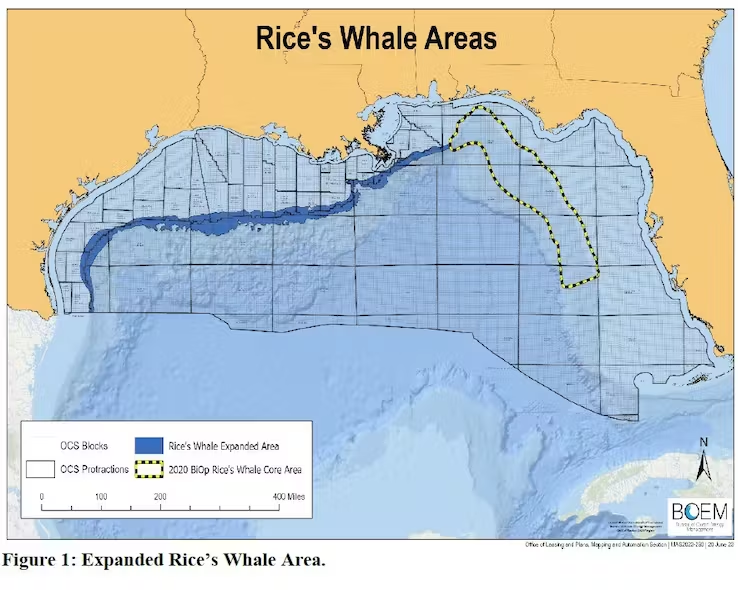
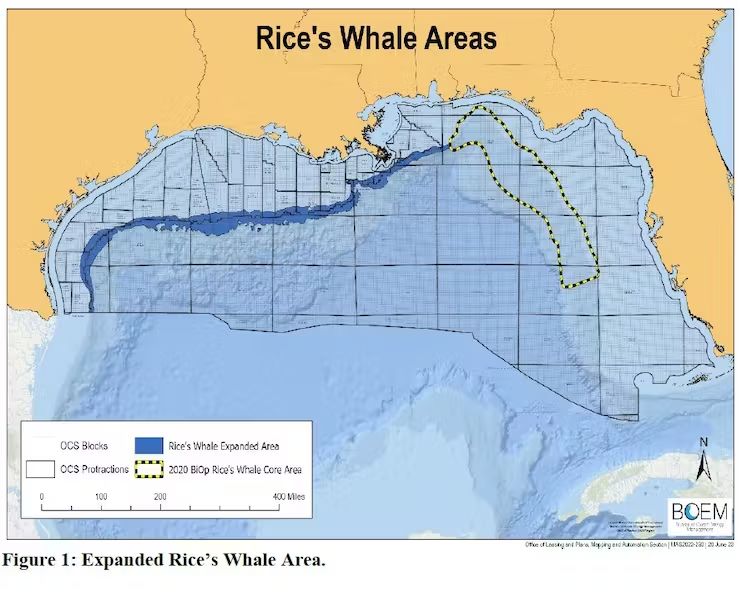
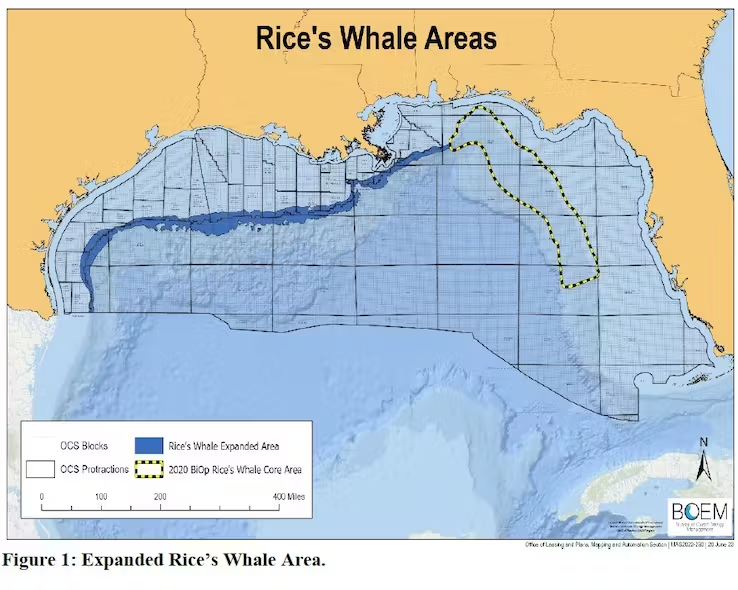
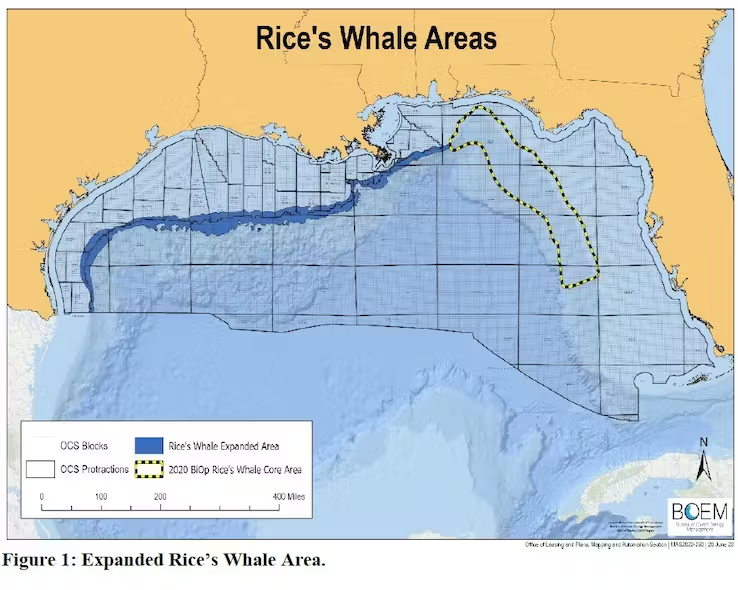
Based on the limited data available on the use and occurrence of Rice’s whale in the central and northwestern GOMx (one acoustic study (Soldevilla et al. 2022b), one confirmed sighting (NMFS 2018a) and a few unconfirmed sightings (Rosel et al. 2021)), there is insufficient scientific evidence to determine that essential features for Rice’s whale conservation are indeed present in the central and northwestern GOMx. In fact, data on the life-history requirements of Rice’s whale even in the core habitat are still lacking and need further investigation.

Unsurprisingly, Judge Amit P. Mehta of the US District Court for the District of Columbia, has ruled that BOEM’s environmental assessments on climate change and the Rice’s whale were deficient, and has ordered the parties and intervenors to jointly submit a proposed briefing schedule by April 3, 2025. “The court will also order additional briefing on remedy” (e.g. onerous operating restrictions).

In case you haven’t suffered enough, the judge’s full opinion is attached.

Read Full Post »

Although Rice’s Whale lease stipulations were deleted from Sale 261 leases by court order, similar NTL restrictions remained in effect for all oil and gas operations in the Gulf of America. Those NTL restrictions, some of which may be excessive and premature, have now been rescinded.

A previous post compared the Rice’s Whale restrictions applicable to Gulf oil and gas operations with the less onerous Right Whale restrictions for the Atlantic wind industry.

Of course, this is not the end of the Rice’s Whale dispute. A Federal judge in Maryland has ordered the National Marine Fisheries Service’s (NMFS) to prepare a new biological opinion that better protects the Rice’s whale. The deadline for the new biological opinion was extended to May 21, 2025. After that date, no new Gulf leases may be issued and no new operating plans may be approved pending a new biological opinion that is acceptable to the Court.

Stay tuned.

Read Full Post »

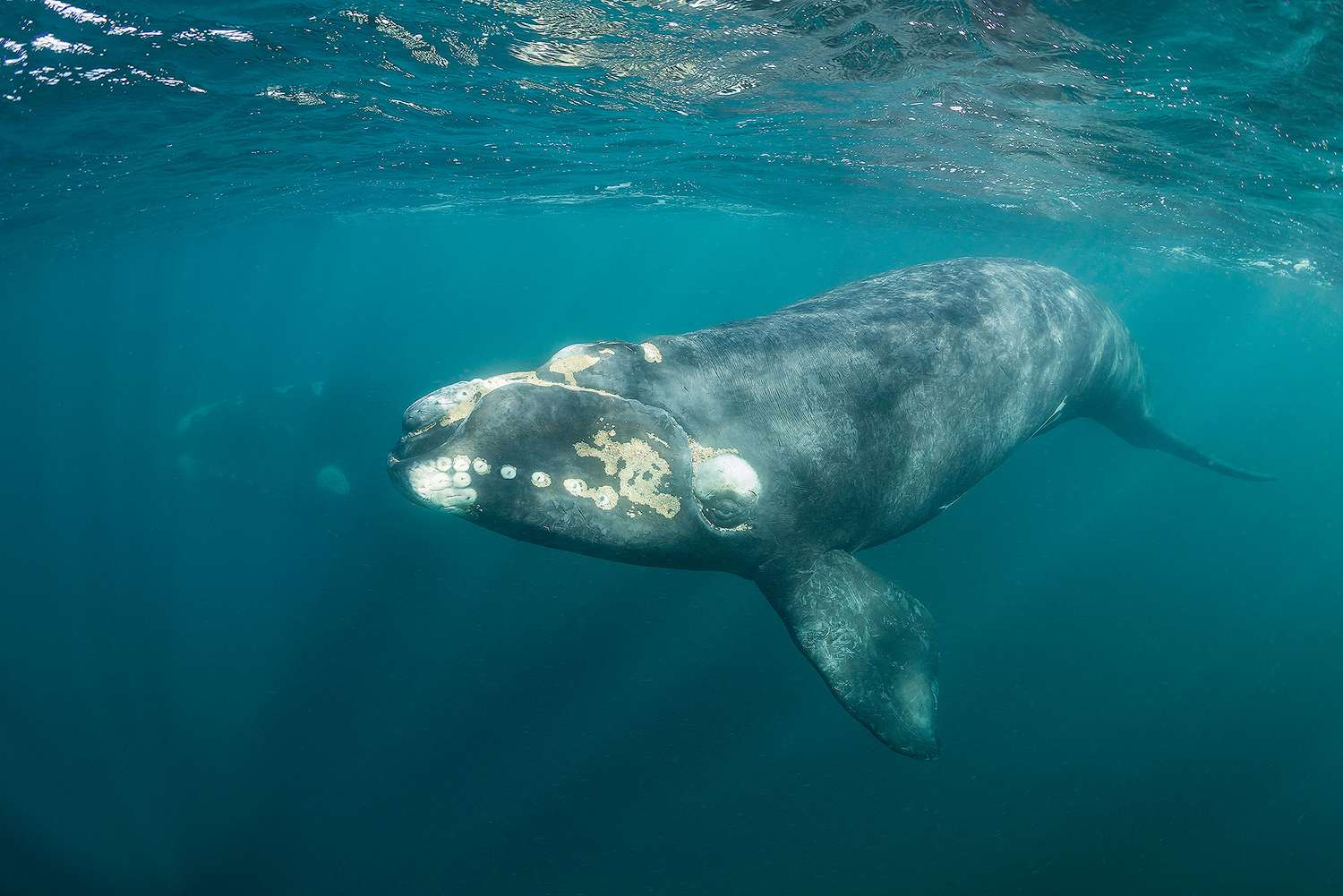
North Atlantic Right Whale

A new NOAA biological opinion finds that that pile-driving noise associated with the Vineyard Wind project is likely to adversely affect, but not likely to jeopardize, the continued existence of whales, fish or sea turtles listed under the Endangered Species Act (ESA).

This opinion was predictable. On the one hand, denying the adverse effects from extensive pile driving would have been unacceptable to NOAA scientists. On the other hand, a jeopardy finding would have been unacceptable to their political leadership.

If you are wondering how NOAA managed to thread that needle, you will have to wait until their report is publicly available. On Aug. 23, NOAA said the opinion would be available in their library in about 10 days, but the opinion has still not been posted. How do you announce such significant findings without, at the same time, releasing the report?

Understandably, the Nantucket environmental organization ACK for whales is not pleased with either NOAA’s announcement or their failure to release the report:

We are disappointed NOAA announced the conclusions of its bi-op on the Vineyard Wind 1 construction without releasing the report or the data on which it relied,” ACK For Whales stated. “NOAA’s own data show that in 2023, there were 151 marine mammal strandings in Massachusetts alone with 75 occurring from Jun 2023 to Dec 2023, the months that pile driving was active. This compares to 77 strandings for all of 2015, before OSW activity started – essentially a 100 percent increase. Most of those strandings in 2023 (n=55) occurred from Oct to Dec when VW was racing to get foundations installed. Out of the 47 bases installed in 2023, 68 percent were installed in the last three months of the year.”

In January, BOE raised concerns about the collaborative BOEM-NOAA-wind industry strategy to protect the right whale. Per that strategy, BOEM and NOAA view themselves as partners with the wind industry. Is this biological opinion an example of NOAA working with their partners in accordance with their joint strategy? While regulator-industry collaboration is essential for effective offshore development, be it wind or oil and gas, regulators and operating companies have distinctly different missions and responsibilities, and should not be viewed as partners.

The sharp contrasts between the operating restrictions for the right whale (Atlantic wind) and the Rice’s whale (Gulf of Mexico oil and gas) demonstrate the inconsistencies in ESA regulation. Are major energy companies partners when developing wind projects and adversaries when producing oil and gas?

Lastly, a letter from NOAA’s Lead Biologist that is attached to that post further points to a disconnect between scientific concerns and wind energy regulatory policy, and is thus germane to this discussion.

Read Full Post »

In response to a lawsuit filed by the Sierra Club et al, a Federal judge in Maryland vacated a 2020 biological opinion by the National Marine Fisheries Service (part of NOAA) that addressed risks to endangered species, most notably Rice’s whale, from oil and gas operations in the Gulf of Mexico. The decision by Federal Judge Deborah Boardman, who was appointed to her position in 2021, is attached.

Judge Boardman’s ruling is effective on Dec. 20, 2024. After that date, no new GoM leases may be issued and no new operating plans may be approved pending a new biological opinion. Existing GoM operations could also be affected. In other words, the ruling could have unprecedented effects on the OCS oil and gas program. (If you wonder how a Maryland judge can issue a ruling that could have major consequences for Louisiana and Texas, it is presumably because NOAA’s headquarters office is in Silver Spring, MD.)

The biological opinion process will likely be lengthy given the political considerations in an election year and the prospects for related litigation.

The judge’s ruling could also affect wind leasing in a manner that was perhaps unforeseen. Offshore wind leasing, which the plaintiffs strongly support despite the risks to the critically endangered North Atlantic Right Whale, could be delayed. Per a provision in the “Inflation Reduction Act,” no offshore wind leases may be issued after 12/20/2024, the one year anniversary of the last oil and gas lease sale (no. 261). Ironically, this is the same date as the effective date of the judge’s ruling.

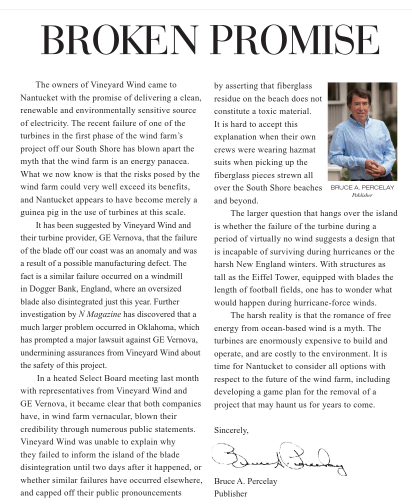
The judge’s decision will likely further delay the next oil and gas lease sale (no. 262) well into 2025 or later, and extend the pause in issuing wind leases that begins on 12/20/2024. Perhaps with that in mind, BOEM has been forging ahead with wind auctions despite the troubling Vineyard Wind blade failure, economic challenges for the wind industry, and growing opposition from coastal residents. An editorial by the publisher of Nantucket Magazine expresses concerns that should not be overlooked in the rush to auction wind leases.

(More on a new biological opinion related to the Right Whale in a future post.)

wsj article

Read Full Post »

North Atlantic Right Whale

Key takeaways after reviewing the BOEM/NOAA strategy document:

NARW status (pages 7-14):

  • Roughly 237 NARWs have died since the population peaked at 481 in 2011, exceeding the potential biological removal (PBR) level on average by more than 40 times for the past 5 years (Pace III et al. 2021).
  • Human-caused mortality is so high that no adult NARW has been confirmed to have died from natural causes in several decades (Hayes et al. 2023).
  • Most NARWs have a low probability of surviving past 40 years even though the NARW can live up to a century.
  • There were no first-time mothers in 2022.
  • About 42% of the population is known to be in reduced health (Hamilton et al. 2021)
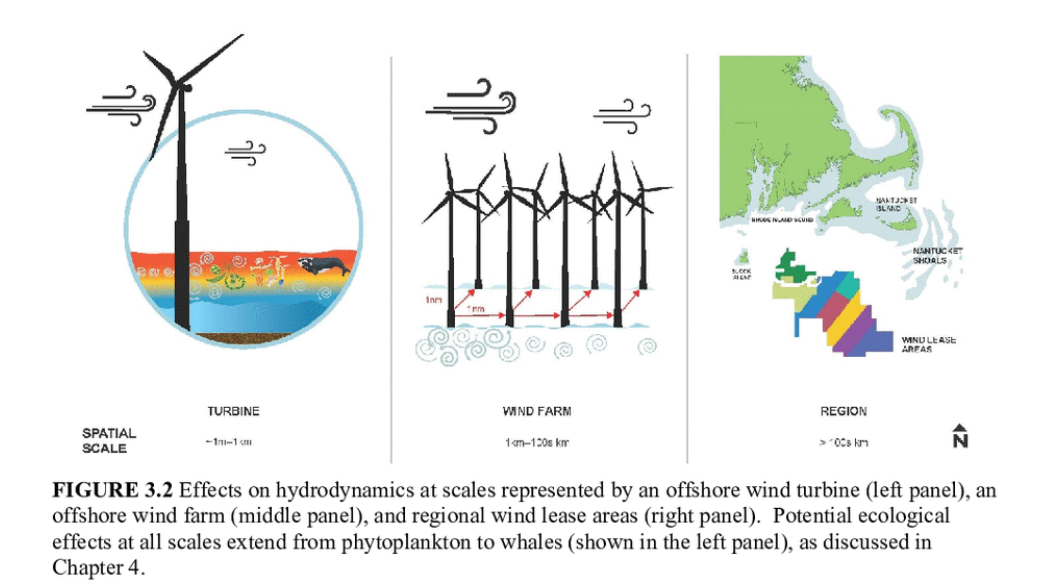
  • A NASEM study confirmed that offshore wind has the potential to alter local and regional hydrodynamics
  • “Effects to NARWs could result from stressors generated from a single project; there is potential for these effects to be compounded by exposure to multiple projects.” (p. 14)

BOEM/NOAA strategy:

  • No new mitigation is recommended pending further study.
  • “BOEM and NOAA Fisheries will work together alongside our partners (including the OSW industry) to further develop the information and science the agencies will use to inform their decisions to responsibly develop OSW while protecting and recovering NARWs.” (Comment: While regulator-industry collaboration is essential for effective offshore development, be it wind or oil and gas, regulators and operating companies have distinctly different missions and responsibilities and should not be viewed as partners.)
  • (p. 15): “As the OSW industry continues to grow and as projects begin construction, BOEM and NOAA Fisheries will continue to work with our partners to evaluate existing strategies and to further collect and apply newly available information to inform future decisions. This Strategy is an integral step to organize BOEM, NOAA Fisheries, and their partners around a shared vision and clear path to effectively study and manage this issue moving forward.” (???)
  • (p.17): BOEM will “attempt to avoid issuing new leases in areas that may impact potential high-value habitat and/or high use areas for important life history functions such as NARW foraging, migrating, mating, or calving. For areas that are leased, permitting activities should minimize any known or potential threat to NARWs and their habitats, and developers and BOEM should support research and monitoring.”

Questions:

Pictured below: density of NARWs near wind leases and hydrodynamic effects of turbines

Read Full Post »

This should be an interesting sale. Below are some of the questions that may be answered:

  • Will the Rice’s whale issues affect bidding for deepwater leases? The 5th Circuit’s ruling removes the Rice’s whale lease stipulation. However, BOEM’s Notice to Lessees and Operators (NTL) includes the same provisions and still stands pending further consultations with NOAA. Although the NTL is a “guidance document” (wink-wink), there are ways of making it stick through the plan approval process. Even without binding requirements, companies might choose to fully comply with the NTL to minimize legal risks.
  • Will the uncertainty about future sales spur or constrain bidding? Absent legislative action, no sale will be held in 2025.
  • Will the 14 blocks with rejected high bids at Sale 259 receive bids at Sale 261? If so, will the bids be higher or lower? Is it prudent to reject high bids without knowing when the next sale might be held?
  • Will bp, Chevron, Shell, Equinor, Oxy, and Woodside continue to be bullish on the GoM?
  • Will Red Willow Offshore, owned by the Southern Ute tribe, again be an active bidder?
  • Will Exxon again seek to acquire carbon sequestration leases at an oil and gas lease sale? After a long absence, it would be good to see the US super-major acquire leases for oil and gas purposes. Ditto for ConocoPhillips.
  • How many companies will participate in the sale? 30-35 would be a nice outcome.
  • What will be the sum of the high bids? >$300 million would be a solid result.

BOEM will live stream the opening of bids at 9 am CDT on Dec. 20, 2023

BOEM

Read Full Post »

Order is pasted below and attached.

IT IS ORDERED and ADJUDGED that the Intervenors’ appeal is DISMISSED. As for BOEM’s limited appeal as to the timing of the sale, we hereby AMEND the district court’s preliminary injunction only to the extent that the deadline for conducting Lease Sale 261 shall now be thirtyseven days from the date of the issuance of the mandate in this appeal.
IT IS FURTHER ORDERED that each party bear its own costs on appeal.

Background information and related posts.

Read Full Post »

Today, the 5th Circuit Court of Appeals heard oral arguments in the appeal of the District Court’s injunction against the Rice’s whale tract deletions and operating stipulations for Sale 261.

If you want to listen to a recording of these arguments, you can do so at this link. The hearing was brief – only about 45 minutes.

Judging by the comments, it sounds like the Court will reach a decision soon. The Department of the Interior is asking for 37 days after the ruling to organize and hold the sales. The industry attorney seemed comfortable with that, so the sale should be prior to Christmas.

Read Full Post »

Older Posts »