
The National Commission has a diverse lineup of “heavy hitters” slated for hearings on 27-28 September. CSpan doesn’t have their schedule posted yet for these dates, but I assume they will be broadcasting the hearings live.
Posted in Uncategorized, tagged accidents, Deepwater Horizon, Gulf of Mexico, macondo, National Commission, offshore oil, oil spill on September 24, 2010| Leave a Comment »
The National Commission has a diverse lineup of “heavy hitters” slated for hearings on 27-28 September. CSpan doesn’t have their schedule posted yet for these dates, but I assume they will be broadcasting the hearings live.
Posted in accidents, well control incidents, tagged accidents, Australia, blowouts, Deepwater Horizon, Gulf of Mexico, macondo, Martin Ferguson, Montara, NOPSA, oil spill, safety, well control on September 23, 2010| Leave a Comment »
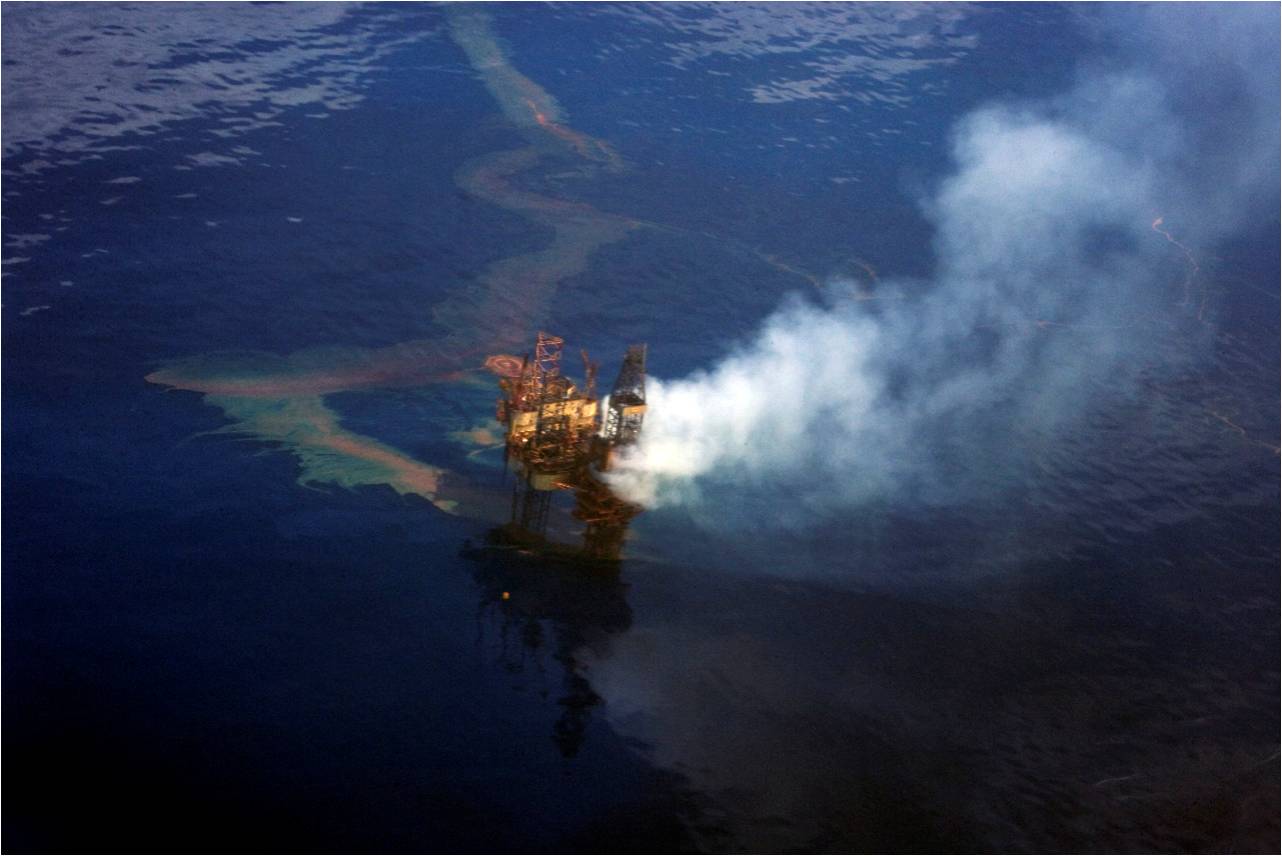
Montara Blowout, Timor Sea
I awoke to two very important developments from Australia as reported by Anthea Pitt with Upstream:
By expanding Nopsa’s role, one central agency will look out for the safety of our offshore workers and the environment from exploration to decommissioning. That means it will be responsible for approvals and regulation of safety and environment, as well as integrity of facilities and day-to-day operations.
Bravo to Australia and Minister Ferguson! As I indicated in a submission to the Montara Commission and testimony before the US Senate Committee on Energy and Natural Resources, a single agency must be responsible and accountable for the regulation of offshore oil and gas operations if safety and pollution prevention objectives are to be achieved.
Posted in Uncategorized, tagged beer, Gulf of Mexico, macondo, oil spill, Superdome on September 22, 2010| 2 Comments »

Louisiana Superdome
“How big was the oil spill in the Gulf? It was equal to pouring three cans of beer into the Superdome.”
Beer in the Superdome? How could that be possible? Certainly not during a Saints game! 🙂
I never liked these types of analogies for the following reasons:
Posted in accidents, well control incidents, tagged accidents, blowouts, Deepwater Horizon, Gulf of Mexico, macondo, offshore oil, oil spill, relief well, safety, well control on September 19, 2010| 1 Comment »
Now that Admrial Allen has officially confirmed that the dead Macondo well is in fact dead, what is the legacy of the relief well?
Posted in accidents, tagged accidents, bly, bp, Commons, Gulf of Mexico, Jack Ryan, macondo, offshore oil, oil spill, safety, Tony Hayward, UK, well control on September 16, 2010| Leave a Comment »
If you haven’t heard BP executives answer the same questions (long string, centralizers, cement bond log, BOP failure, etc, etc) often enough during appearances before Congress, you can watch a UK House of Commons committee ask them to Tony Hayward and Mark Bly on cspan’s recording of yesterday’s hearing. This excellent legislative teamwork is further evidence of that special relationship between the US and UK.
I do wish that both government’s would show more interest in some of the lower profile incidents that also have major international significance. Perhaps they can coax Venezuela to release information about the Aban Pearl sinking. Even though I follow Hugo Chavez’s tweets :), I’ve learned nothing of significance about that accident.
In light of yesterday’s post about negative pressure testing, I was interested in this comment by Tony Hayward at the Common’s hearing:
We clearly have taken a lot of action to clarify and provided much greater rigor around the assessment of the negative pressure test.
Can BP tell us more?
Posted in accidents, well control incidents, tagged accidents, Australia, blowouts, Deepwater Horizon, drilling, Gulf of Mexico, macondo, Montara, negative pressure test, offshore oil, oil spill, safety, standards, well control on September 15, 2010| Leave a Comment »
A negative pressure test simulates an underbalanced condition in which the formation pressure exceeds the pressure exerted by the fluid column. The purpose of the test is to determine if there are leaks in the casing shoe track, casing, or seal assembly. At Macondo, the test was conducted and the evidence of inflow is quite clear. Unfortunately, that evidence was misinterpreted. See slides 14-17 in the linked presentation.
At Montara, the testimony suggests that a negative pressure test was not properly conducted. PTTEP therefore had a false sense of security regarding the integrity of the casing shoe. See page 9 of this transcript.
Both wells subsequently flowed through the shoe track and inside production casing for a combined duration exceeding 5 months.
Posted in accidents, well control incidents, tagged accidents, Australia, blowouts, Canada, Deepwater Horizon, drilling, Gulf of Mexico, macondo, Macondodrama, Norway, offshore oil, oil spill, relief well, safety, UK, well control on September 14, 2010| Leave a Comment »
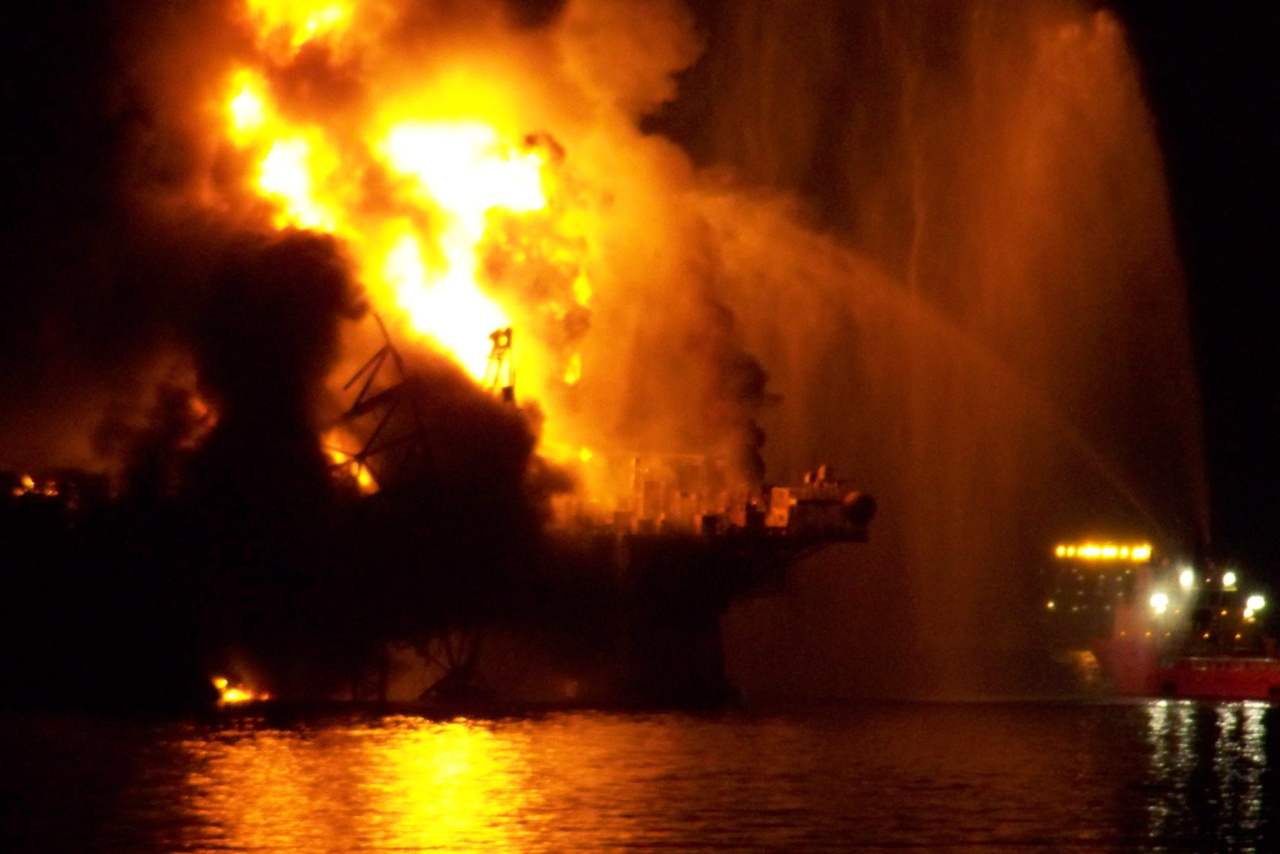
“Can’t happen again” was the mantra of the OCS oil and gas program for 40 years after the Santa Barbara blowout. “Can’t happen here” was the short-lived message of government and industry after last year’s Montara blowout in the Timor Sea. Surprisingly, new versions of the “can’t happen” message have been heard since Macondo. Companies have boasted that “it couldn’t happen to us,” and some government representatives have claimed that their regulatory regimes would have prevented the blowout. The beat goes on.
Macondo will not be the blowout that ends all blowouts, and Macondo will not be the last major offshore accident. We need to focus on reducing the risks of another disaster during drilling, production, or transportation, in deep or shallow water, arctic ice, and every other environment where operations are conducted. The new mantra, no matter where you operate or regulate, should be “CAN HAPPEN AGAIN.” That is the attitude we need if we are to prevent future accidents. We should preach the “CAN HAPPEN AGAIN” message loudly and clearly, no matter how many years (hopefully decades) elapse before the next major accident.
We’ve heard a lot of details about the shortcomings of the well design, the companies involved, and one of the regulators. However, consistent with the CAN HAPPEN AGAIN message, we need to also look at the high-level management, leadership, and regulatory issues. How do we sustain outstanding performance and minimize the risks of major accidents? Here are four suggestions that have received little attention since the blowout:
Posted in accidents, well control incidents, tagged accidents, blowouts, Deepwater Horizon, drilling, Gulf of Mexico, macondo, oil spill, relief well, safety, well control on September 13, 2010| Leave a Comment »
Posted in accidents, well control incidents, tagged accidents, blowouts, bp, Deepwater Horizon, drilling, Gulf of Mexico, macondo, offshore oil, oil spill, safety, well control on September 8, 2010| Leave a Comment »
Our main interest was in the flow path and BOP issues:
Flow path:
The investigation team concluded that hydrocarbon ingress was through the shoe track, rather than through a failure in the production casing itself or up the wellbore annulus and through the casing hanger seal assembly.
BOP:
Posted in Uncategorized, tagged Australia, Montara, offshore oil, oil spill, safety on September 7, 2010| Leave a Comment »

Julia Gillard
Martin Ferguson is likely to retain his post as Minister for Resources and Energy. We trust that he will now release the Montara Inquiry Report as promised. When has a politician ever broken a promise? Never happens in this country 🙂
 Bud's Offshore Energy (BOE)