- NOAA estimates that flow rate could be up to 5000 BOPD. Comment: The technical basis for this and other flow estimates should be provided.
- First in situ burn conducted successfully. Comment: No surprise. In situ burning is neither new nor unproven. This is the best means of removing large volumes of oil from the water quickly and completely. Kudos to the in situ burning pioneers – Ed Tennyson, Dave Evans, Al Allen, and Merv Fingas. Kudos to the folks at Ohmsett where slick burning and fire booms were tested extensively in a tank. Kudos to Canada and Norway for having the foresight to allow this capability to be tested in experimental offshore spills. Unfortunately, these small, controlled research spills are virtually impossible to conduct in US waters.
- Department of Defense being contacted for suggestions. Comment: Appropriate step, but don’t expect any ideas that have not been previously considered.
- BOP actuation and cementing operations (also a major point of discussion during the Montara hearings in Australia) are receiving press attention. Comment: These issues will be a major focus of the investigation. The findings will be discussed and applied internationally.
- A third oil release point has been identified near the base of the riser.
Posts Tagged ‘offshore’
Macondo Overnight Update – 29 April
Posted in accidents, well control incidents, tagged accidents, blowouts, Deepwater Horizon, drilling, Gulf of Mexico, in situ burning, macondo, offshore, offshore oil, ohmsett, oil spill, safety, well control on April 29, 2010| Leave a Comment »
Fire on the Deepwater Horizon
Posted in accidents, tagged accidents, Deepwater Horizon, drilling, offshore, offshore oil, safety on April 21, 2010| 1 Comment »
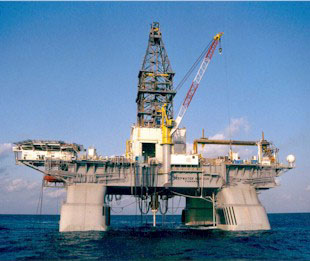
Deepwater Horizon
The Coast Guard is reporting an explosion last night on the Deepwater Horizon, a Transocean drillship working for BP in the Gulf of Mexico. The Horizon was working in Mississippi Canyon Block 253 about 52 miles off the coast of Venice.
Details are sketchy, but 126 people are reported to have been evacuated. Local news is reporting 8 critical injuries and some missing personnel.
Montara Hearings – Day 15
Posted in accidents, well control incidents, tagged accidents, Australia, blowouts, drilling, Montara, offshore, offshore oil, safety, well control on April 8, 2010| Leave a Comment »
Mr. Jacob (PTTEP COO): I don’t think you’ll find that, necessarily, the American system would have stopped this event happening, and there are other events that happen all the time there as well.
This comment (cheap shot?) by Mr. Jacob followed several others that served only to demonstrate that both the witness and the Commission are poorly informed about international regulatory regimes, in the US and elsewhere. Indeed, Mr. Jacob may be even less informed about regulatory systems than he is about well barriers and safety management systems. “May I suggest to you, Mr. Jacob” (language favored by Mr. Howe) that companies like PTTEP are the reason a certain level of prescription is necessary. Indeed PTTEP may be the new poster child for supporters of prescriptive regulatory regimes. Oh, and please tell us about these events that “happen all the time” in the US.
In the US offshore regime, prescription is largely in the form of industry standards and best practices. Is that such a bad thing? The public interest and the interest of responsible companies needs to be protected from the likes of PTTEP – companies that are willing to cut corners without regard (beyond lip service) to safety, the environment, and the importance of offshore oil and gas to our economy and national security.
More to follow after I have calmed down 🙂
Montara Hearings – Day 6
Posted in accidents, well control incidents, tagged accidents, Australia, blowouts, drilling, Montara, offshore, offshore oil, safety, well control on March 22, 2010| Leave a Comment »
Quote of the Day :):
MR WHYBROW: I hear what my friend says, and I do note that it seems that I’m the only person who is required not to try to put words into the witness’s mouth.
No major developments in today’s transcript. Comments and observations:
- The discussion of the 9 5/8″ casing cementing issues is a bit imbalanced in that most of the attention is on the reinjection of fluids after the influx that followed the casing pressure test. Very little attention has been paid to any evidence (positive or negative) of float valve closure after the cement had been pumped. Also, there has been almost no discussion about the timing of the casing pressure test. This test may have created or expanded the channels in the shoe. After the influx, it was probably a mistake to inject any fluids until the cement hardened. At that point, it would have made sense to pressure up and test the shoe.
- The hearings have drawn attention to the absence of well integrity, planning, and cementing elements in well control training programs. This should be a topic for discussion by WellCap and IWCF administrators, operators, and regulators.
- While fault-finding and fact-finding are certainly related, today’s sessions seemed skewed toward the former. We’ve read enough to know there were serious flaws in the management systems, and are not so concerned about individual guilt.
- The testimony indicated that oil-field units were converted to metric units after the drilling reports were written, and that these revisions were solely for the purpose of satisfying the “authorities.” US offshore regulators started down this path many years ago and reversed course after considering the safety implications. Perhaps there is a need for further international discussion about this topic.
- It was interesting to learn that a rig supervisor kept excerpts from drilling reports on a personal thumb drive. I wonder how the lawyers and IT security folks like that.
- It seems odd that Mr. Treasure, PTT’s senior drilling representative (albeit a contractor) on the rig when some critical decisions were made, did not get to review or provide any input to the PTT submission.
Montara Hearings – Day 5
Posted in accidents, well control incidents, tagged accidents, Australia, blowouts, drilling, Montara, offshore, offshore oil, safety, well control on March 19, 2010| Leave a Comment »
Q. (Mr. Berger, Counsel for the Inquiry): Have you become aware through your experience in the industry that problems with cementing are a leading factor in the cause of blowouts?
A. (Mr. Doeg, Halliburton): No, I haven’t.
Good question and a surprising response from the Halliburton employee who was the cementing contractor when the 9 5/8″ casing was set. Mr. Doeg has 20 years of cementing experience. What do they discuss at training sessions and safety meetings?
Q. (Mr. Berger): Were you aware that the well you were working on on 7 March last year had entered the reservoir?
A. (Mr. Doeg): No, I wasn’t.
Q. (Mr. Berger): You’ve only become aware that it entered the reservoir subsequently; is that right?
A. (Mr. Doeg): Correct.
Stunning! Keep in mind that this was a long 9 5/8″ string being cemented through an extended horizontal section.
Food for thought (In questioning Mr. Doeg, Mr. Berger raised the possibility of compatibility issues between the Weatherford float collar and the Halliburton plugs):
Q. When you have a float collar and a bottom plug manufactured by different companies, can issues arise about their compatibility?
A. They can, yes.
Q. What sorts of issues can arise?
A. When it comes to drilling out, they generally run non-rotating plugs to prevent that, and in this case they didn’t run non-rotating plugs; they ran an additional piece of equipment to prevent them from rotating.
Q. What about when seating the bottom plug in the float collar – can issues arise where the two parts are manufactured by different companies?
A. Normally not, but with this additional piece of equipment, possibly.
Florida Invites Input on Regulatory Framework
Posted in drilling, Florida, gas, Offshore Energy - General, oil, tagged drilling, Florida, offshore, production on March 9, 2010| Leave a Comment »
 The Florida Legislature may soon decide whether to lift the 20 year ban on oil and gas exploration and production in State waters.
As part of the review process, the State has prepared a list of questions on the management and regulation of offshore oil and gas resources. Responses to these questions will help define the general terms of the regulatory regime that the State would follow if the ban is lifted.
The State is inviting input on any or all of the questions. Please email your responses to adam.blalock@myfloridahouse.gov by the close of business on Monday, March 15. Response should be limited to no more than 500 words per question.
Vancouver – 2010
Posted in conferences, tagged conference, offshore, safety, vancouver on February 4, 2010| 2 Comments »
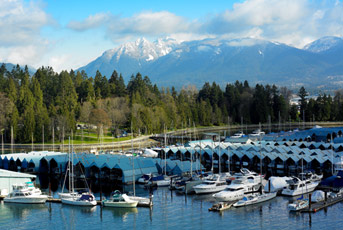
See you in Vancouver! Don't miss this one!
The Winter Olympics are just the warm-up act for the really big event that is coming to Vancouver from October 18-20: the International Regulators’ Offshore Safety Conference. Join the world’s leading experts on offshore operations, safety, leadership, and regulatory policy to learn more about how we can work together to reduce safety risks and improve operational efficiency. Reserve early! I look forward to seeing you there! Bud
International Offshore Safety Performance Data
Posted in accidents, IRF, tagged accidents, international, IRF, offshore, safety on February 4, 2010| Leave a Comment »

Measuring and comparing international safety performance is not possible without consistent, verifiable data. Most existing data sets suffer from one or more of the following shortcomings:
- Some workers (e.g. contractors) are excluded
- Dependent on voluntary submissions
- No verification process
- Inconsistent definitions and classification procedures
The International Regulators’ Forum has taken a major step forward in measuring and comparing safety performance. Detailed definitions and guidelines have been established for classifying offshore safety incidents and compiling the data. These criteria are now being used to compile incident data for IRF countries. The IRF definitions and classification procedures could be broadly applied by industry and regulators to better assess safety performance and identify operational concerns. Learn more.
ICRARD
Posted in IRF, offshore, Offshore Energy - General, tagged ICRARD, offshore, regulator, safety on February 4, 2010| Leave a Comment »

The acronym is awkward but the International Committee on Regulatory Authority Research and Development is a great source of information about offshore safety and pollution prevention research. If you need more information about a design, operational, or management issue, there’s a good chance that an ICRARD member has conducted a relevant study. Go to the ICRARD site and give it a try!
Kudos to Denmark
Posted in Offshore Energy - General, tagged Denmark, offshore, oil on February 4, 2010| Leave a Comment »

Dan Field, North Sea Danish Sector
BOE applauds Denmark, not just for its leadership in conservation and wind energy, but also for its commitment to offshore oil and gas production. Denmark (population 5.4 million) currently produces approximately 250,000 barrels of oil per day from fields in the Danish sector of the North Sea. On a population basis, this is the equivalent of 14.4 million bopd for the US (310 million people), more than 10 times current US offshore production and more than double total US (onshore and offshore) production. Does the US need to be more like Denmark? Yes, we need to produce more and consume less!
 Bud's Offshore Energy (BOE)