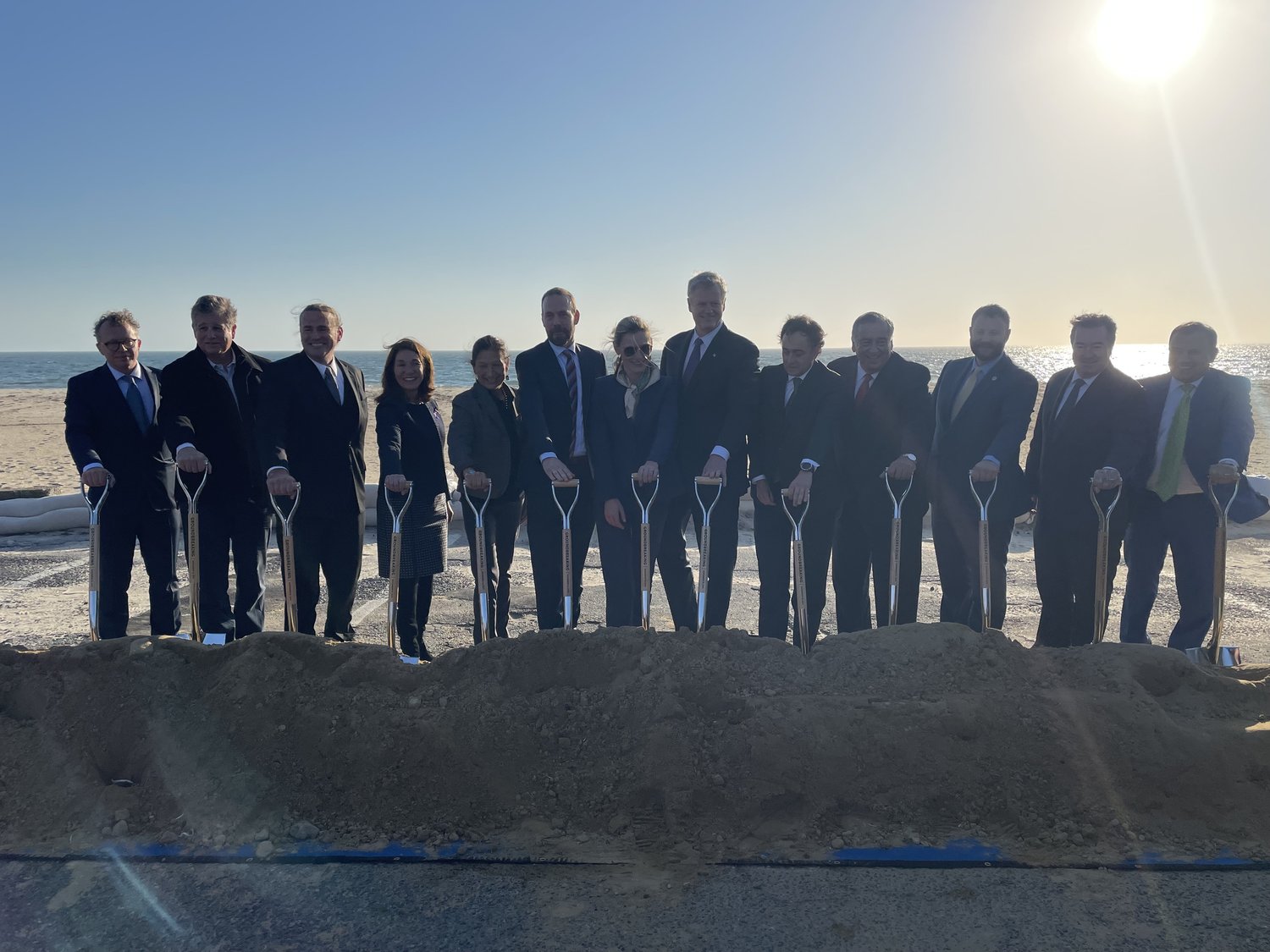
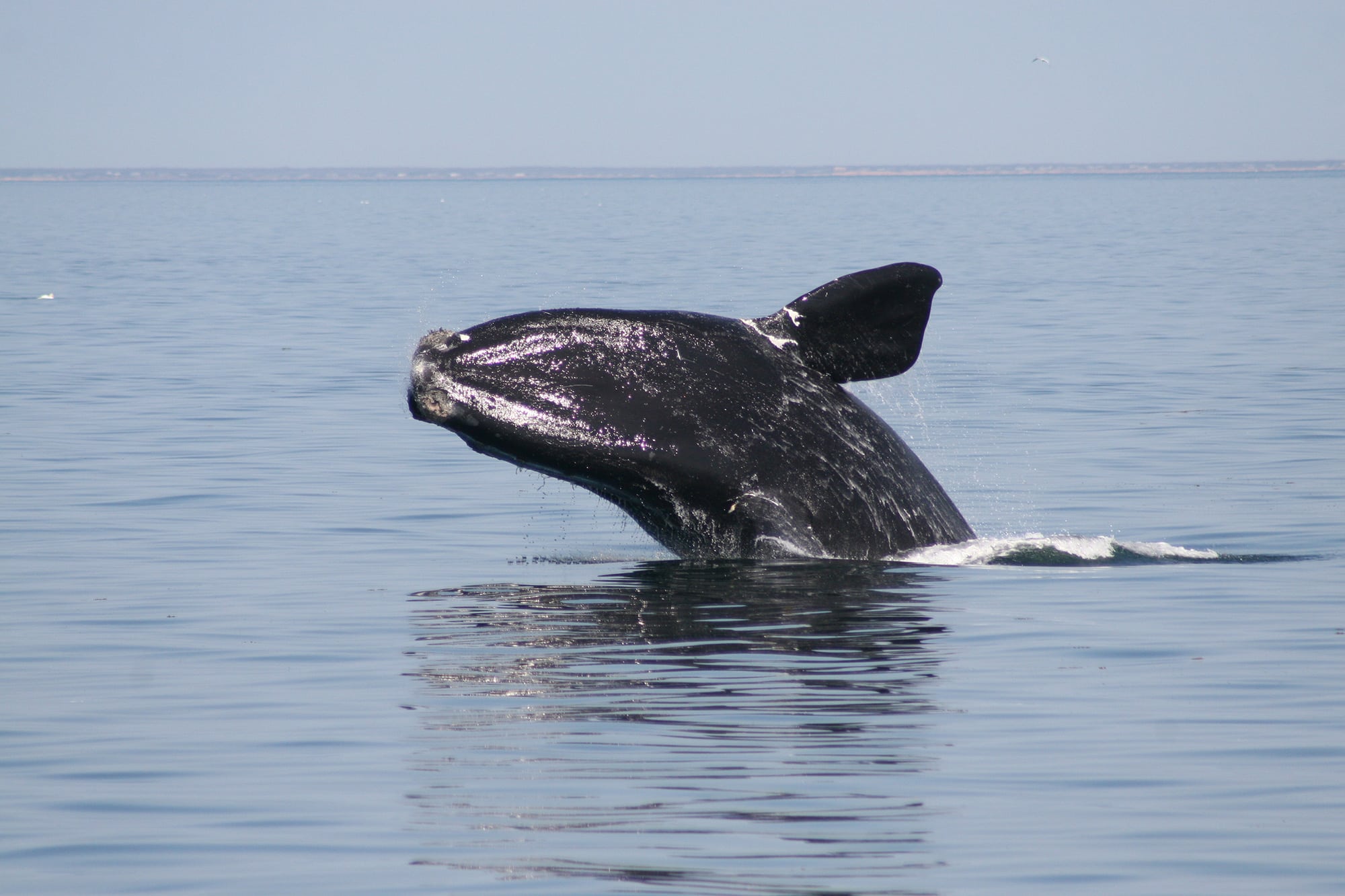
Nearly 17 years after the Energy Policy Act of 2005 (incorporating language drafted by Minerals Management Service staff) authorized wind energy projects in Federal offshore waters, commercial offshore wind power is not imminent. Despite enthusiastic political support and promised State and Federal subsidies, no commercial scale offshore wind development has commenced. The groundbreaking ceremony for Vineyard Wind I (pictured above), the first project approved by BOEM, may prove to have been premature. The project faces multiple lawsuits from commercial fishing organizations and an organization concerned about possible impacts to the endangered right whale.
South Fork Wind: 19 miles southeast of Block Island, Rhode Island
12 or fewer Siemens-Gamesa’s 11-megawatt turbines
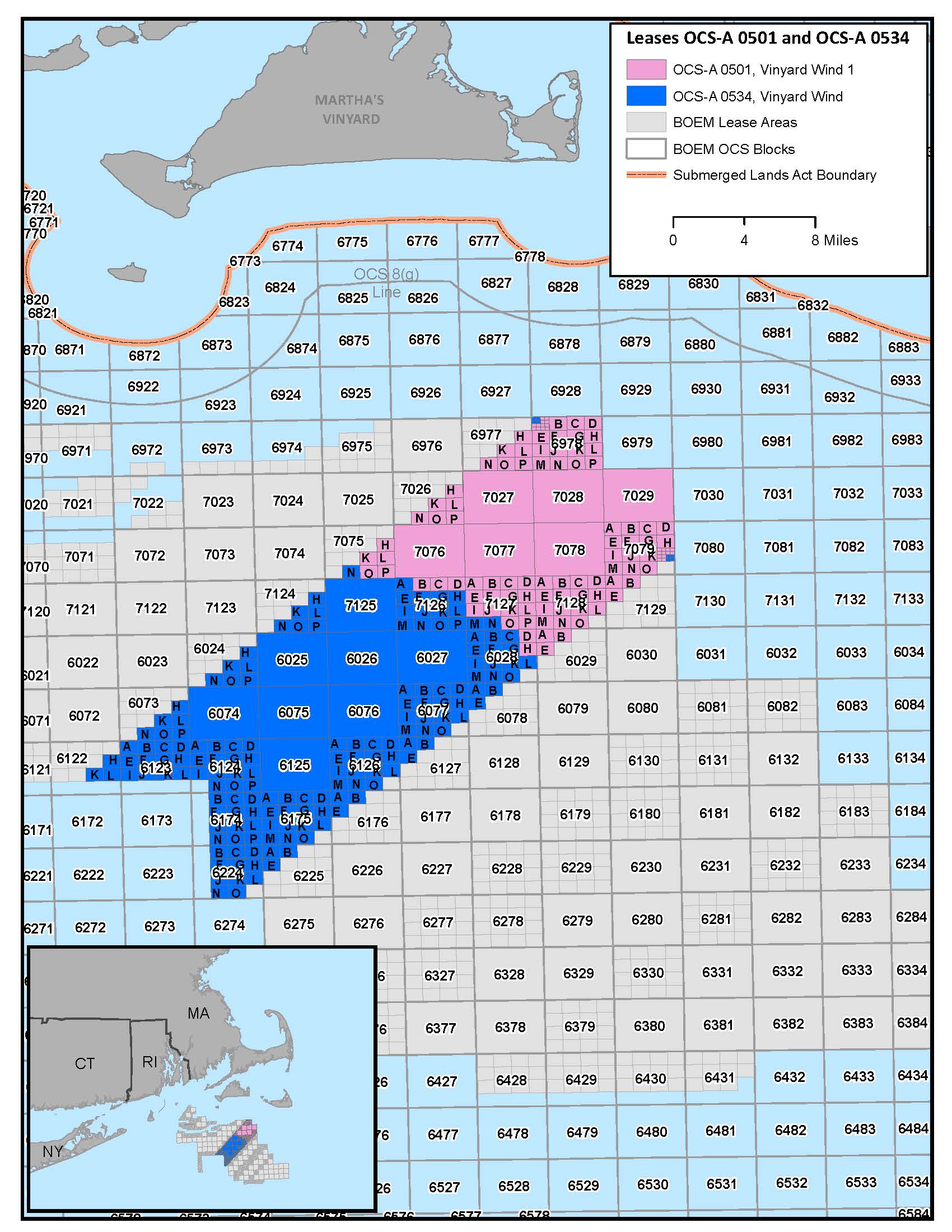
BOEM approved the larger (62 turbine) Vineyard Wind 1 project on July 15, 2021. Those turbines will be located approximately 15 miles south of Martha’s Vineyard and Nantucket. On Oct. 19, the Responsible Offshore Development Alliance (RODA) filed a 60-day Notice of Intent to Sue the Federal Government over violations of lease management and environmental statutes.
The growing interest in green hydrogen inspired me to write a post about Rick Carrier, a war hero and visionary who is largely unknown to the offshore energy community. Rick’s plan for a Mid-Atlantic wind-hydrogen demonstration project was the first offshore wind proposal submitted to the Minerals Management Service, the bureau that initiated the offshore wind program in the U. S.
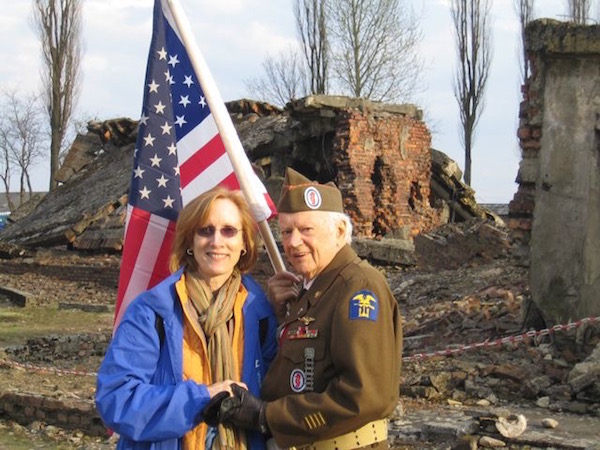
Rick Carrier lived an amazing life – WWII hero, artist, playwright, diver, conservationist, green hydrogen pioneer, and more. Perhaps most noteworthy were his military accomplishments. He was among the first Americans to land on Utah Beach during the D-Day invasion. He subsequently became the first allied soldier to discover the Buchenwald concentration camp. The next day, April 11, 1945, he marched into the camp with Patton’s Third Army and liberated the prisoners. Rick is pictured above at the 2012 March of The Living, an annual walk down the 3-kilometer path from Auschwitz to Birkenau. In June of 2014, Rick returned to Normandy for a ceremony marking the 70th anniversary of D-Day. Later that year, the President of France awarded him the Chevalier of the Legion of Honor — France’s highest honor.
Rick founded the USA Bald Eagle Command in 1975 to protect the endangered American Bald Eagle. The organization’s efforts played a role in President Reagan’s declaration of June 20, 1982 as National Bald Eagle Day. Through the efforts of this and other conservation groups, the Bald Eagle was removed from the Endangered Species list in 2007.
Rick’s green hydrogen proposal was yet another patriotic venture. Through his non-profit, Bald Eagle Energy, he sought to demonstrate the commercial potential for using offshore wind energy to produce hydrogen from sea water. Unfortunately, the framework for permitting such projects had not yet been established. While we tried to find a way to make the project possible, the obstacles were too great.
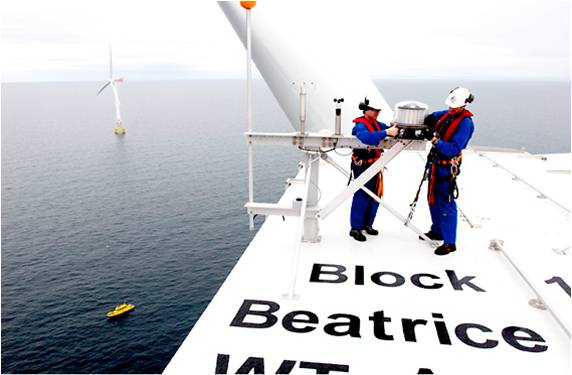
For the better part of two months now, four of the five wind turbines at America’s first offshore wind farm haven’t been spinning.
Workers at the Merkur wind farm in the German North Sea found signs of stress fatigue on the support structures of the “helihoist” platforms on some of the project’s GE Haliade turbines.
Ørsted was prudent to shutdown the turbines to conduct precautionary inspections.
Press reports imply that Ørsted was slow to advise the public about the reasons for the shutdown.
The shutdown raises questions about the reliability of wind-centric regional power grids.
Given the questions that have arisen regarding the regulation of offshore wind projects (this wind farm is in Rhode Island State waters), the absence of any comments from State and local officials was noteworthy. It’s unclear what, if any, role the State had in the shutdown decision.
Hurricane Henri may give the wind farm a bit of a test this weekend.
On Independence Day, four keys to realizing our offshore energy potential:
A national offshore oil and gas program as required by the OCS Lands Act.
Industry safety and pollution prevention leadership including comprehensive data analyses, research, standards development, management programs, and internal auditing. All operators, contractors, and service companies must participate.
An efficient, risk-based regulatory program that scrutinizes performance, indentifies weaknesses, and demands excellence.
Cooperative programs to develop cost-effective, reliable, and safe wind and hydrokinetic energy systems.
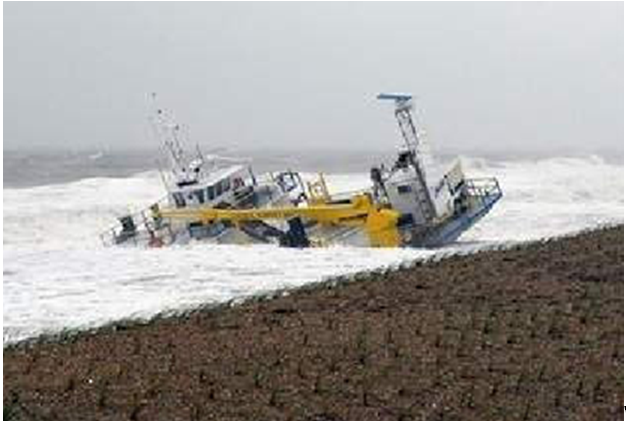
Malcolm Sharples reminds us that the Coast Guard still hasn’t completed the investigation of the tragic liftboat accident in May 2008. The boat was conducting research for a proposed offshore wind project. Why the delay?
Here is more information from Malcolm:
Liftboat Russell W. Peterson damaged in storm, 1 person died, 1 person injured ; “One dead, one rescued as research vessel sinks off Rehoboth”. One crewman died today after gale force winds pounded a specialized research ship that was launched in March to study Delaware’s offshore wind power resources, forcing the Coast Guard to pull two crewmen from the sinking vessel. Coast Guard Petty Officer Nick Cangemi said one of the two crew members of the RV Russell W. Peterson did not have any vital signs when a helicopter arrived on the scene this morning. “We took both people to the hospital in Maryland, where the hospital declared one of the gentlemen deceased,” Cangemi said. They were taken to Peninsula Regional Medical Center in Salisbury, MD. The ship was left adrift and ran aground at Bethany Beach.
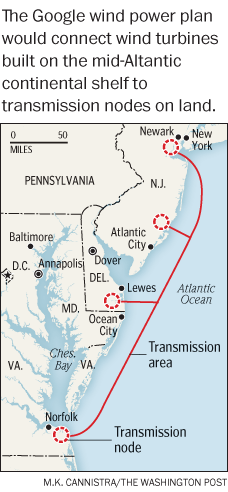
Comment: Kudos to Google for their leadership in financing a power grid for Atlantic wind projects. The grid should greatly improve the economics of offshore wind development. The challenge for the Google team and other wind developers will be demonstrating that they can manage complex offshore projects, protect workers, and maintain the integrity of their assets.
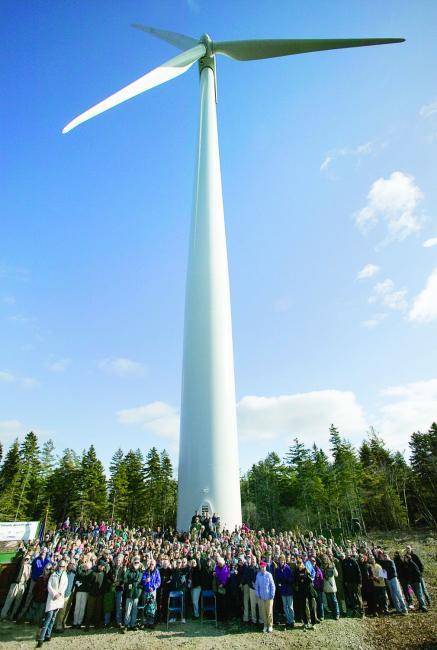
This New York Times article and video discuss the dispute on the island of Vinalhaven, Maine, about the noise associated with the island’s three wind turbines.
Comments:
-Locating wind projects offshore minimizes noise and visual issues, but increases costs and operational complexity. There are always trade-offs.
-When all environmental impacts are considered, offshore natural gas is tough to beat: minimal visual impacts, none of the freshwater issues that are complicating shale gas development, few land use issues, little or no spill risk (depending how dry the gas is). The trade-off is CO2 emissions. While combustion of natural gas emits 30% and 45% less CO2 than oil and coal respectively, the CO2 emissions are still significant.
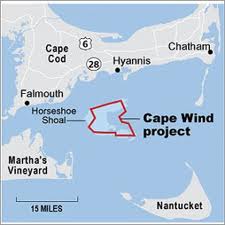
Once the 130 turbines begin rotating, the energy produced willcost up to 50 percent more than energy today from some land-based wind farms and twice as much as some hydroelectric dams.
Now, after a new analysis by the attorney general’s office placed the cost of building Cape Wind at more than $2.5 billion, 2 1/2 times the original estimated price tag, the state Department of Public Utilities is weighing whether National Grid’s proposed 15-year contract with Cape Wind is a good deal for ratepapers. A decision is expected by mid-November.
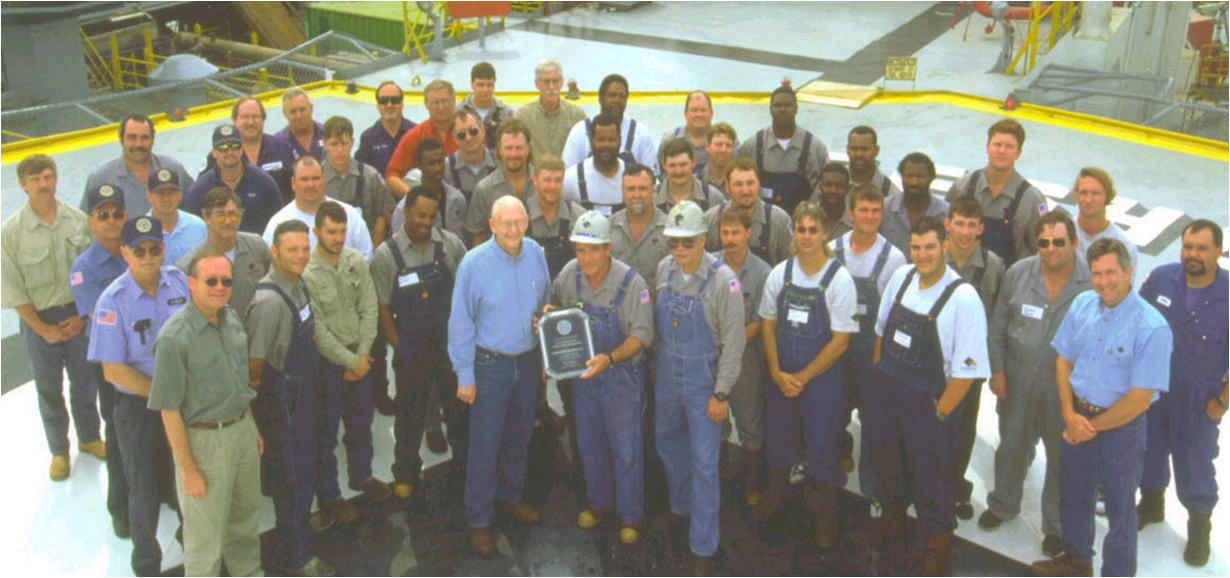
Diamond Offshore Workers Receiving SAFE Award Recognition
On Labor Day 2010, BOE is proud to salute the thousands of dedicated offshore professionals, in the US and around the world, who work in remote locations under challenging conditions to provide energy for our economy and our way of life. Regardless of one’s opinion about oil and gas operations, wind projects, and other sources of offshore energy, we should all appreciate the important contributions made by offshore workers.
While investigations and enforcement actions are necessary, positive recognition is even more important, especially at times like these. The overwhelming majority of offshore workers do their jobs conscientiously and carefully, and make every effort to protect their colleagues and the environment. It is these workers who are most at risk when an accident occurs, not those of us who are sitting behind a desk philosophizing and pontificating. Their lives and the lives of their friends and colleagues are threatened when accidents occur, their “back yard” is polluted when oil is spilled, and their jobs are at stake if offshore exploration and development are curtailed.
Fortunately for us, energy exploration and production doesn’t stop on holidays. Whether they are working or enjoying the day with their friends and families, BOE wants offshore workers to know that we appreciate their important contributions. Happy Labor Day!


 Bud's Offshore Energy (BOE)