
BOP Testing Timeline
Transocean’s interim report is circulating online. Click here: Transocean Investigation
Posted in accidents, well control incidents, tagged accidents, blowouts, Deepwater Horizon, drilling, Gulf of Mexico, macondo, offshore oil, oil spill, safety, well control on June 15, 2010| Leave a Comment »
BOP Testing Timeline
Transocean’s interim report is circulating online. Click here: Transocean Investigation
Posted in accidents, well control incidents, tagged accidents, Australia, blowouts, Deepwater Horizon, drilling, Gulf of Mexico, macondo, Montara, offshore oil, oil spill, safety, well control on June 15, 2010| 2 Comments »
A BP plan review prepared in mid-April recommended against the full string of casing because it would create “an open annulus to the wellhead” and make the seal assembly at the wellhead the “only barrier” to gas flow if the cement job failed. Despite this and other warnings, BP chose the more risky casing option, apparently because the liner option would have cost $7 to $10 million more and taken longer.
While the circumstances and details differ significantly, Montara (Timor Sea blowout) flashed across my mind repeatedly while reading this informative letter from Chairmen Waxman and Stupak to BP. Common themes:
Posted in accidents, well control incidents, tagged accidents, blowouts, Deepwater Horizon, drilling, Gulf of Mexico, macondo, offshore oil, oil spill, safety, well control on June 15, 2010| Leave a Comment »
The Unified Command’s collegial atmosphere seems to have given way to letter writing and public posturing. Agency and company logos are no longer side-by-side on the official response website banner and joint briefings ended shortly after the Top Kill disappointment. What all this means for future emergency response operations and the Unified Command concept remains to be determined. Major spill response exercises and table-top drills cannot simulate the stress associated with a long battle like Macondo, and the resulting legal, administrative, and political tension.
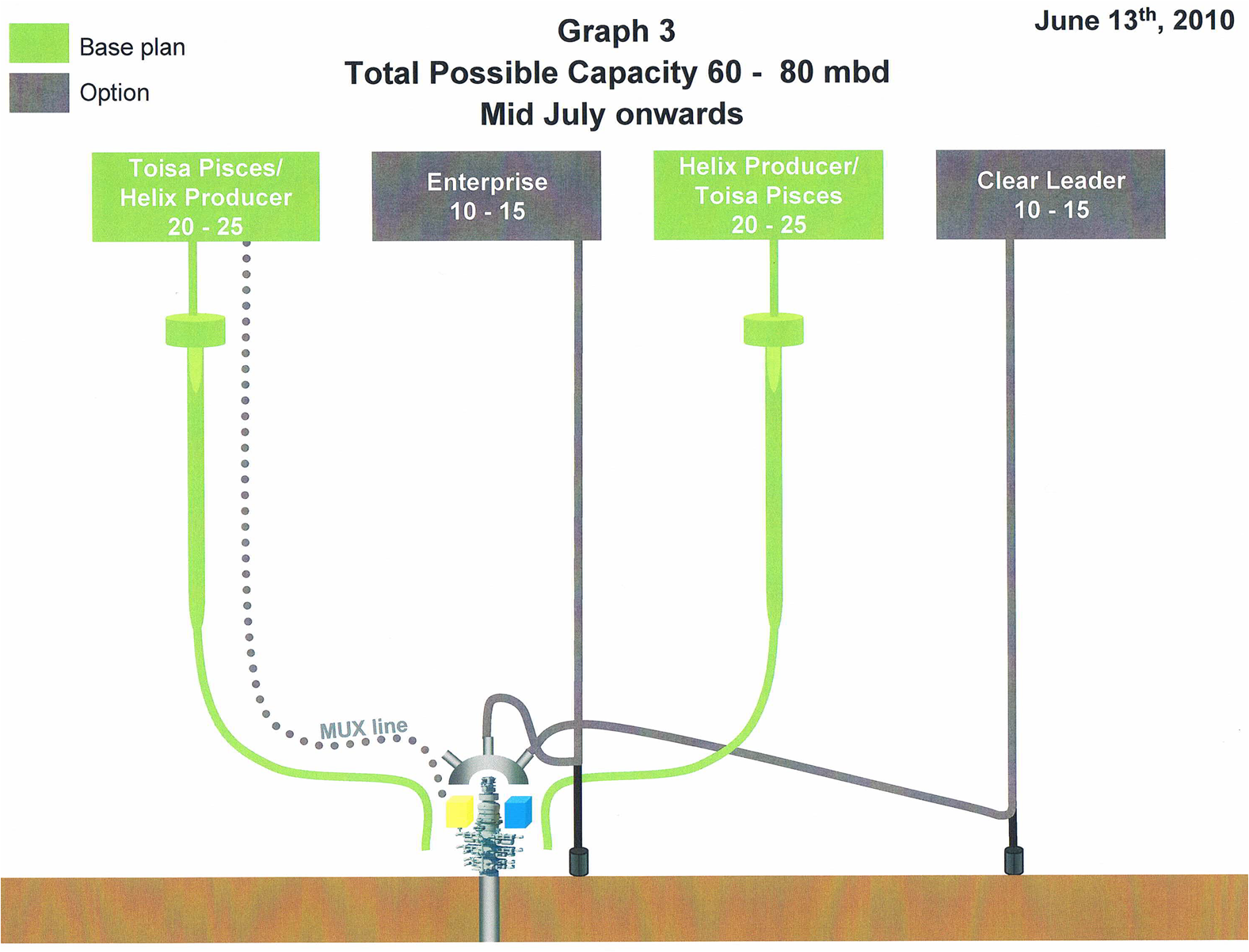
In any event, a 13 June letter from Doug Suttles to Admiral Watson outlines BP’s impressive production strategy for the Macondo, pending completion of the relief well. Most elements of this collection and production plan had been previously identified. However, I was surprised by the following sentence on page 3:
Install a new LMRP cap with sufficient seal integrity to ensure a successful relief well kill operation.
I believe this is the first time BP has suggested that the success of the relief well was in any way linked to seafloor capping or wellhead intervention operations. I assume BP is simply acknowledging that the kill operation would be easier if flow from the cap is constrained and back-pressure imposed on the flowing well. Perhaps BP would like to elaborate.
Posted in accidents, well control incidents, tagged accidents, blowouts, Deepwater Horizon, drilling, Gulf of Mexico, macondo, offshore oil, oil spill, safety, well control on June 14, 2010| Leave a Comment »
Ponder this: What if the responsible party was not BP or one of the other “supermajors” (i.e. Shell, Chevron, ConocoPhillips, ExxonMobil, and Total)? This would have been the likely scenario:
What happens to the Macondo field? We don’t know much about the size of the Macondo reservoir(s), but we have certainly learned about the impressive flow potential. After the well is plugged and the regulatory issues are addressed, will BP seek to develop the field, assign their interests to other companies, or relinquish their leases? Will BP even have the option of making these choices, or will the Federal government seek to disqualify the company from developing the field?
Relief well plans: While BP has done a better job of providing technical information, the precise relief well target has not been specified. In that regard, BOE has received a number of complaints from engineers and other interested parties. Since the region and nation are literally and figuratively dependent on this well for relief, the public needs to know more about the plan. We now have the casing program details for the well that is flowing (thanks to DOE), so the key piece of information needed is the specific intercept point in the well bore. We also need to know the suspected flow path(s) for the oil. Surely BP and the Unified Command have an informed opinion on that important matter. Again, the right to confidentiality on these matters was forfeited when the well blew out.
Posted in accidents, well control incidents, tagged accidents, blowouts, Deepwater Horizon, drilling, Gulf of Mexico, macondo, offshore oil, safety, well control on June 9, 2010| Leave a Comment »

I have received the letter from Chairmen Waxman and Stupak of the of the House Committee on Energy and Commerce, requesting that the CSB investigate the BP Deepwater Horizon blowout. It is my desire that the CSB do everything it can to facilitate the request and to undertake the investigation and determine what factors led to the explosion and failure of the blowout prevention system. ~John Bresland, CSB Chairman
In addition to the House and Senate Hearings, this would bring the number of official investigations to four:
I have long advocated an independent investigation capability for major OCS incidents and recommended a special commission in my testimony before the Senate Committee on Energy and Natural Resources Committee on May 11. However, is four official reviews too many? The MMS-CG investigation is well underway and is required by statute, but the 3 independent reviews have yet to begin. Perhaps these efforts can be consolidated. If not, their respective missions must be very clearly defined. Otherwise, there is a significant risk of gaps, confusion, and unnecessary overlap. We need to make sure that each group knows their role and is staffed to obtain the information needed to prevent the recurrence of other offshore tragedies, in the US and elsewhere.
Posted in accidents, well control incidents, tagged accidents, blowouts, Deepwater Horizon, FPSO, Gulf of Mexico, macondo, offshore oil, oil spill, well control on June 8, 2010| Leave a Comment »
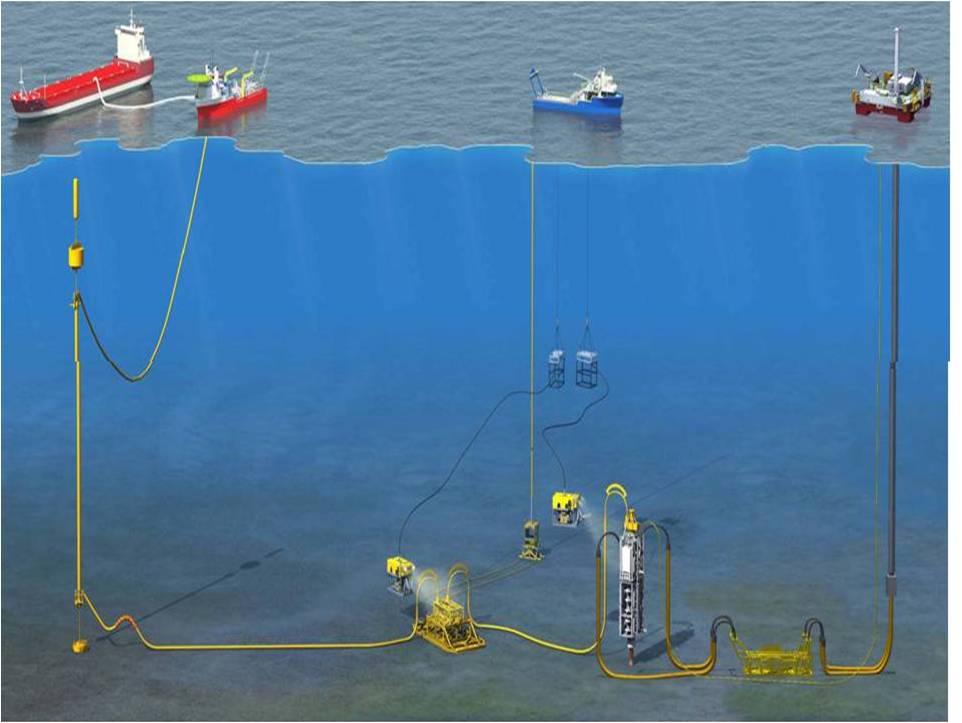
By the end of June, BP hopes to have the following arrangements in place:
The challenge will be minimizing production system downtime and the associated spikes in spillage, particularly during hurricane evacuations.
Posted in accidents, well control incidents, tagged accidents, blowouts, Deepwater Horizon, drilling, LMRP cap, macondo, offshore oil, oil spill, safety, well control on June 8, 2010| 1 Comment »
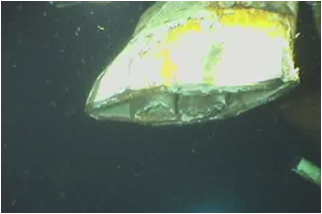 When they sheared the riser prior to installing the LMRP cap, the video clearly shows two segments of sheared drill pipe inside the riser. How that happened is a mystery. Did the explosion break the work string into multiple segments which fell back toward the BOP?
Posted in accidents, tagged accidents, Dagmar Etkin, macondo, offshore oil, oil spill on June 7, 2010| Leave a Comment »
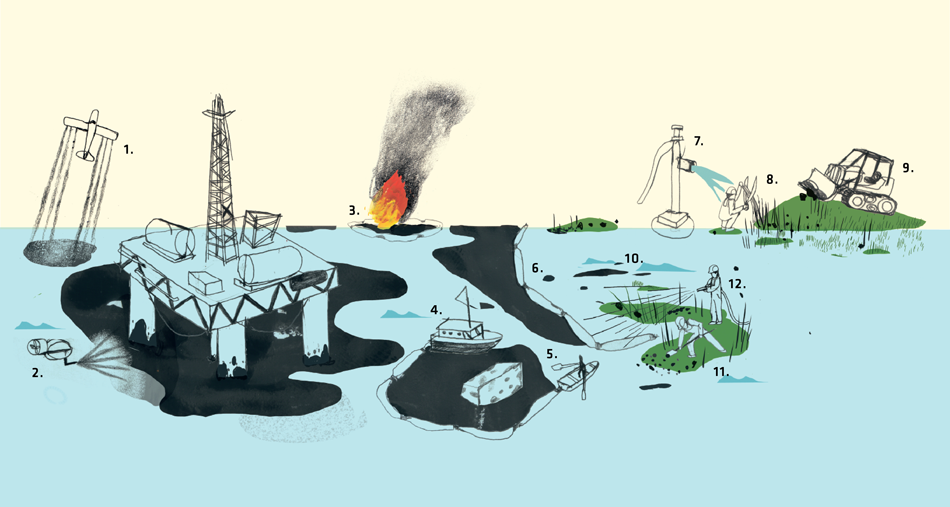
spill response methods
But I can tell you, based on 21 years’ experience analyzing and observing oil spills, that the best minds in the business are already doing all they can. No special techniques that would work well to clean up the oil in this situation aren’t being tried or planned. There simply are no foolproof solutions. ~ Dagmar Schmidt Etkin
Posted in accidents, well control incidents, tagged accidents, blowouts, David Dykes, Deepwater Horizon, drilling, Gulf of Mexico, Jason Mathews, John McCarroll, macondo, offshore oil, oil spill, safety, well control on June 6, 2010| Leave a Comment »
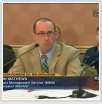
Jason Mathews
Kudos to Jason Mathews, David Dykes, John McCarroll, and their Coast Guard colleagues for their excellent work on the MMS-USCG investigation of the Macondo blowout. Catch some of the testimony on C-Span.
Posted in accidents, well control incidents, tagged accidents, blowouts, Deepwater Horizon, drilling, Gulf of Mexico, macondo, offshore oil, oil spill, safety, well control on June 4, 2010| Leave a Comment »
We won’t get a good read on the cap’s effectiveness until its placement is adjusted and oil production is stabilized. Flow to the surface may also be initiated through the choke and kill lines, which could supplement and improve the effectiveness of the cap system.
Update from Deepwater Horizon Response Facebook page:
The LMRP Cap is in place and nitrogen pressure head is slowly being reduced in the riser. Throughout the day, the vents in the cap will be closed as production begins on the surface. The goal is to ensure methane hydrates do not form in the cap.

