Feeds:
Posts
Comments

Posts Tagged ‘offshore oil’

  • The Secretary of the Interior is the most important energy production position in the US govt, particularly for the offshore sector.
  • In recent years energy policy has been increasingly influenced (if not directed) by White House staff, most notably the White House Climate Office. Given that Burgum will also lead the new created National Energy Council, direction from White House staffers or other departments should not be an issue.
  • Burgum should work effectively with Dept. of Energy appointee Chris Wright, an engineer who understands energy production.
  • There is no apparent Republican dissent, so Burgum should have no problem being confirmed.
  • All of the offshore policy forecasts in the post-election post still stand.
  • Burgum is currently the Governor of North Dakota. Some energy production stats for the state:
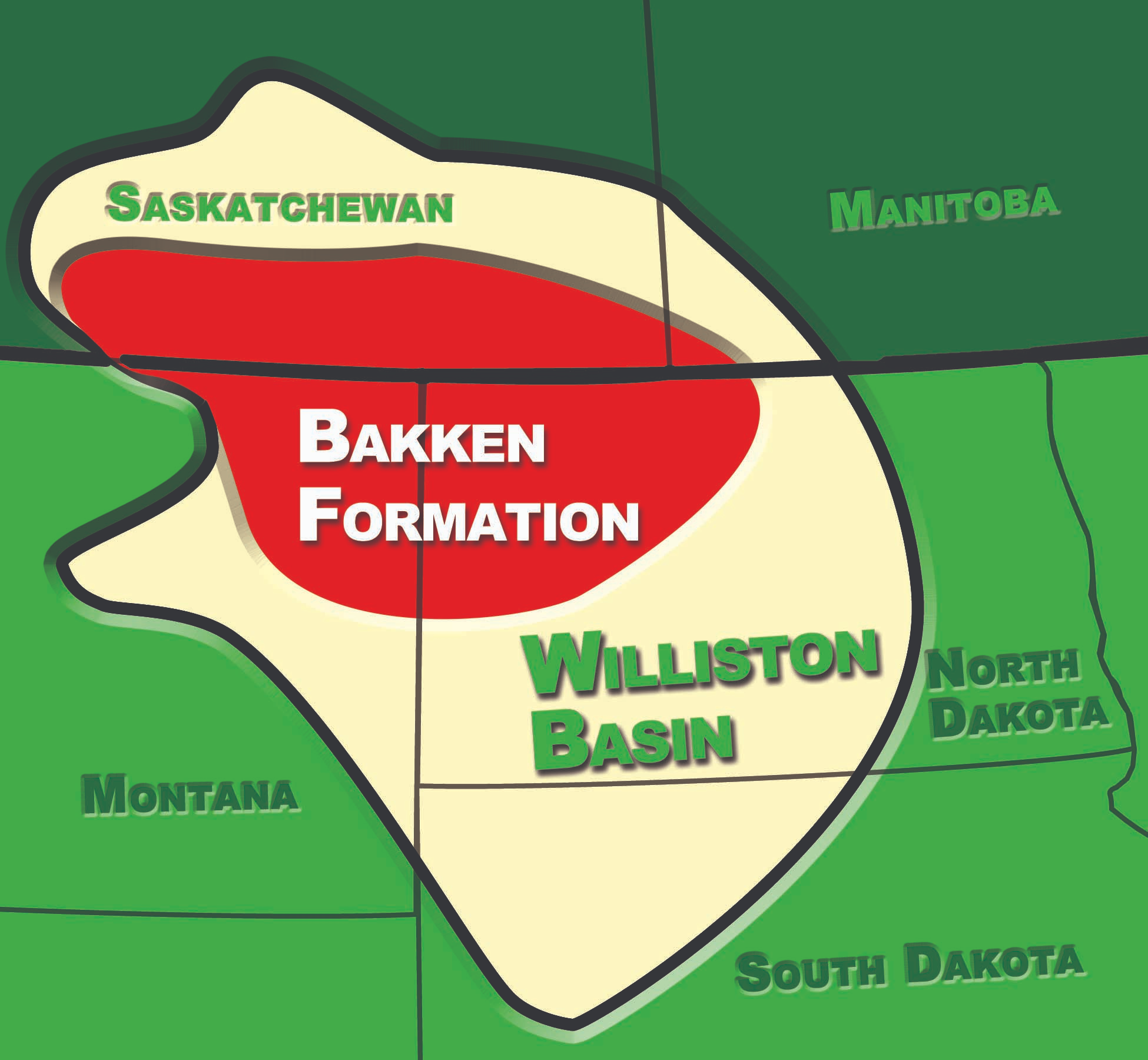
    • 2023 oil production: 435,080,323 bbls. ND is the 3rd leading oil production state behind TX and NM. Most ND production is from the Bakken formation (shale).
    • ND ranks 4th if the OCS, for which Bergum will soon be responsible, is included. The OCS ranked 2nd in oil production, behind only TX, despite seemingly being managed to fail.
    • 2023 gas production: 1.2 tcf. ND ranks 10th in natural gas production.
    • Current number of active drilling rigs: 39
    • Wind: In 2023, wind was the second-largest electricity generating source in ND behind coal. At the beginning of 2024, ND had about 4,000 megawatts of installed wind power generating capacity.
  • What about carbon sequestration (disposal)?
    • As Governor, Burgum supported CCS projects that could be lucrative for North Dakota.
    • As Interior Secretary and Energy Czar, he will have to consider the high Federal subsidy costs, efficacy, and net environmental benefits.
    • Companies looking to benefit from publicly financed CCS projects will lobby hard for Federal support. Budget hawks and most environmental activists will be strongly opposed. It will be interesting to see who prevails.
    • This blog has consistently opposed offshore carbon disposal.

Read Full Post »

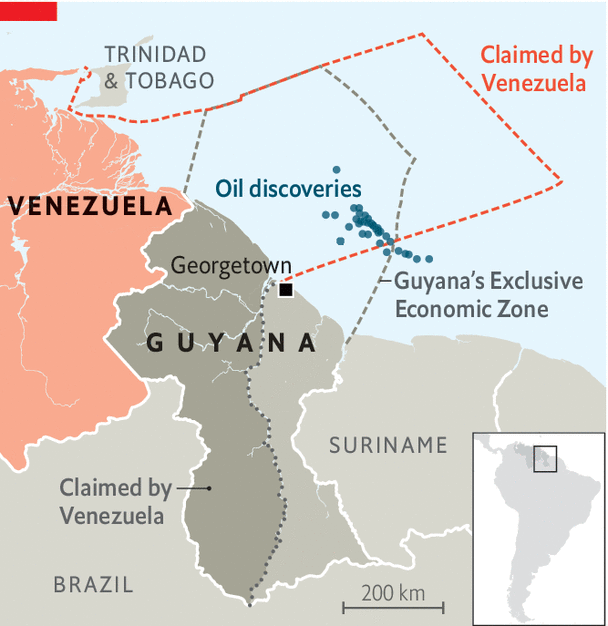
If we pause any of our developments, Maduro succeeds. He has no right in international law to tell the people of Guyana, a sovereign country, how to pursue its affairs.

And that is why we are forging ahead with our development in all 83,000 square miles…if we get paralyzed by this at the government level then we will fall prey to what he is trying to achieve.

Guyana’s Vice President, Dr. Bharrat Jagdeo

Read Full Post »

Linking a good article from our friends in Guyana.

Nestled on the northern tip of South America, the small nation of Guyana, now the fastest growing economy in the world, will become the continent’s second biggest oil producer by 2027.

OilNow Guyana

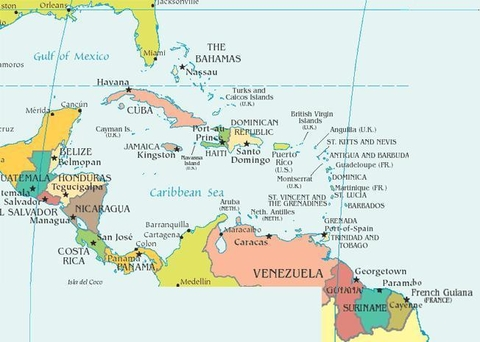
Neighboring countries in the Caribbean region including Jamaica, Barbados, and Grenada are taking notice. And then there is Venezuela ….

Read Full Post »

Final text

  • The flaring provision complicates compliance and may increase safety risks: (p. 649) Exception 1 exempts “gas vented or flared for not longer than 48 hours in an emergency situation that poses a danger to human health, safety, or the environment.” This is inconsistent with the carefully constructed BSEE regulations which allow limited (48 hours cumulative) flaring for certain operations (e.g. during the unloading or cleaning of a well, drill-stem testing, production testing, and other well-evaluation testing). Such flaring is essential but not normally “an emergency situation.” The bill could thus compromise safety by unnecessarily restricting or complicating well operations and by limiting flaring in circumstances where such flaring reduces safety risks.
  • Time for BOEM to get to work 😉: (p. 650): Per our previous post, the highlight section of the bill (from an offshore oil and gas standpoint) reinstates Lease Sale 257 (GoM) and requires that the scheduled 2022 lease sales 258 (GoM) and 259 (Cook Inlet) be held by 12/31/2022. Lease Sale 261 (GoM) must be held by 9/30/2023.
  • Petty but perhaps necessary: p. 655: The provision restricting wind leasing when no oil and gas lease sale has been held in the prior year is in the final bill.

Read Full Post »

When we (MMS) drafted the OCSLA amendments (incorporated into the Energy Policy Act of 2005) that authorized offshore wind operations, we envisioned complementary and synergistic programs. Offshore wind and oil/gas development have many similarities and a common purpose – energy production. There is considerable overlap among the operating companies and contractors.

Unfortunately, politicians are better at dividing than uniting, and a provision in the Schumer-Manchin legislation pits the offshore wind and oil/gas programs against each other. The text (pasted below) from p. 646 of the bill restricts wind leasing when no oil and gas lease sale has been held in the prior year.

I share the concerns about the OCS program evolving into a wind-only program, as has already happened in the Atlantic (more on this at a later date). However, oil and gas sales should be held because they make economic and environmental sense, not because they are a condition for holding wind sales. Oil and gas sales are not punishment and wind sales are not rewards, and holding a single GoM lease sale each year does not balance the offshore program.

(b) LIMITATION ON ISSUANCE OF CERTAIN LEASES OR RIGHTS-OF-WAY.—During the 10-year period beginning on the date of enactment of this Act—

(2) the Secretary may not issue a lease for offshore wind development under section 8(p)(1)(C) of the Outer Continental Shelf Lands Act (43 U.S.C.1337(p)(1)(C)) unless—
(A) an offshore lease sale has been held during the 1-year period ending on the date of the issuance of the lease for offshore wind development; and (B) the sum total of acres offered for lease in offshore lease sales during the 1-year period ending on the date of the issuance of the lease for offshore wind development is not less than 60,000,000 acres.

Read Full Post »

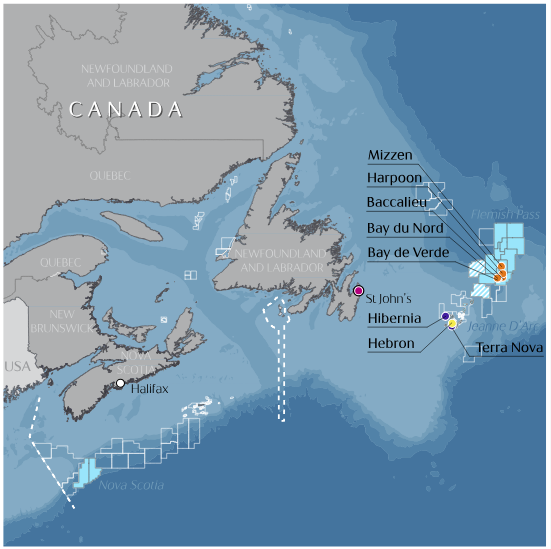
… especially those in Newfoundland where the only offshore oil and gas operations in the N. American Atlantic are being conducted.

Read Full Post »

“The absolute earliest a new Lease Sale 257 could occur is July 2, which is after the expiration of the current five year program,” Interior said in a 28 February court filing (opting not to appeal the DC court decision invalidating the lease sale).

Argus

So, a new lease sale cannot occur until after the five year program expires and no sale may be held. Brilliant, Joseph Heller would be proud. It’s a good thing oil and gas supplies are plentiful and secure, and that prices are cheap.

Remember, the judge’s decision invalidating Sale 257 was that BOEM didn’t analyze the benefits of higher oil and gas prices (as a result of lower offshore production) in reducing international consumption and GHG emissions.

US offshore leasing – time for action

Previous posts on Sale 257.

Read Full Post »

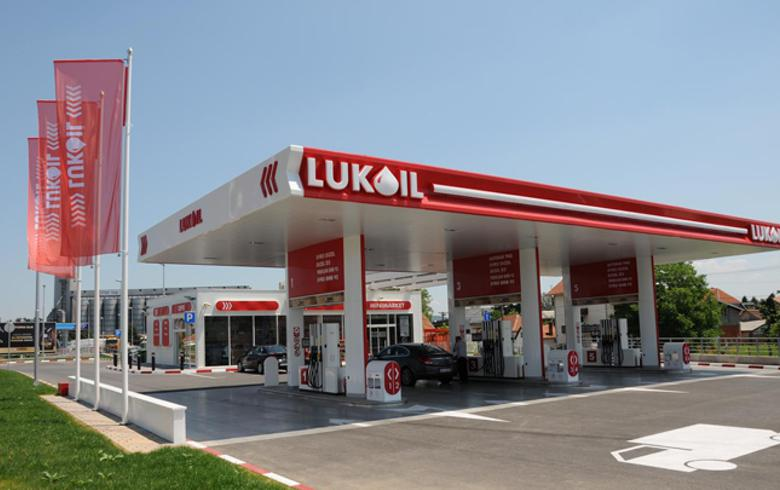
Per offshore-energy.biz, Russian giant Lukoil has closed a $450 million deal to acquire operator interest in Mexican offshore tracts. Not a good look for Mexico, but in their defense:

  • The deal was closed on 3 February.
  • Many countries, including the US, continue to import Russian oil and gas.
  • Lukoil continues to sell gasoline in the US and worldwide.
  • Unlike some elements of the US government, Mexico appreciates the domestic and international importance of expanding their offshore program.

Read Full Post »

But here’s the thing. Whether you think it was the right thing to do, the reality is that passing legislation that is hostile to the U.S. oil and gas industry makes it even more difficult for domestic production to bounce back. So, instead of asking Russia and OPEC to pump more oil, we could look internally to what we could do in the U.S. to pump more oil. 

Forbes

From a US offshore perspective, there should be serious dialogue about how we can increase exploration and production. The risks associated with over reliance on imports have been repeatedly demonstrated over the past 5 decades. The horizontal drilling/well stimulation revolution has been a blessing, but given the sharp decline rates for fracked wells, we cannot solely rely on onshore production from tight reservoirs.

Read Full Post »

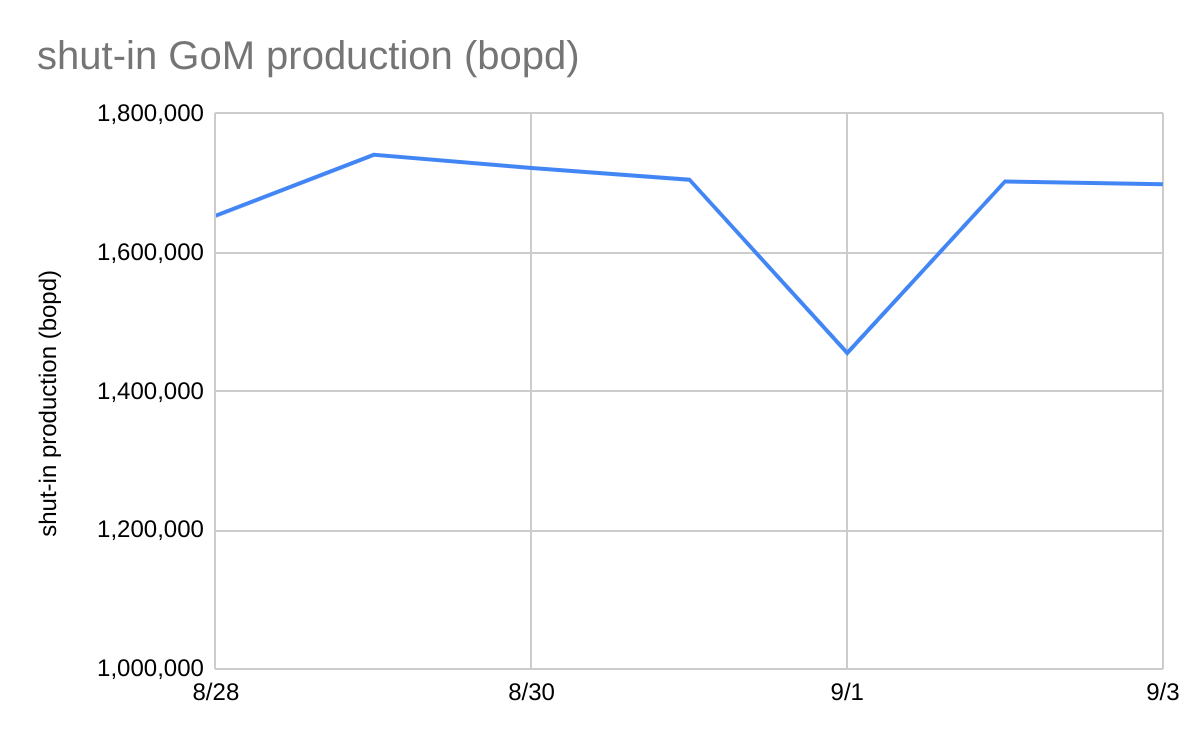
1,698,557 BOPD per BSEE. Updated recovery chart:

Read Full Post »

Older Posts »