… Union Oil Company’s reckless well plan forever scarred the U.S. offshore program. Learn more about the details.
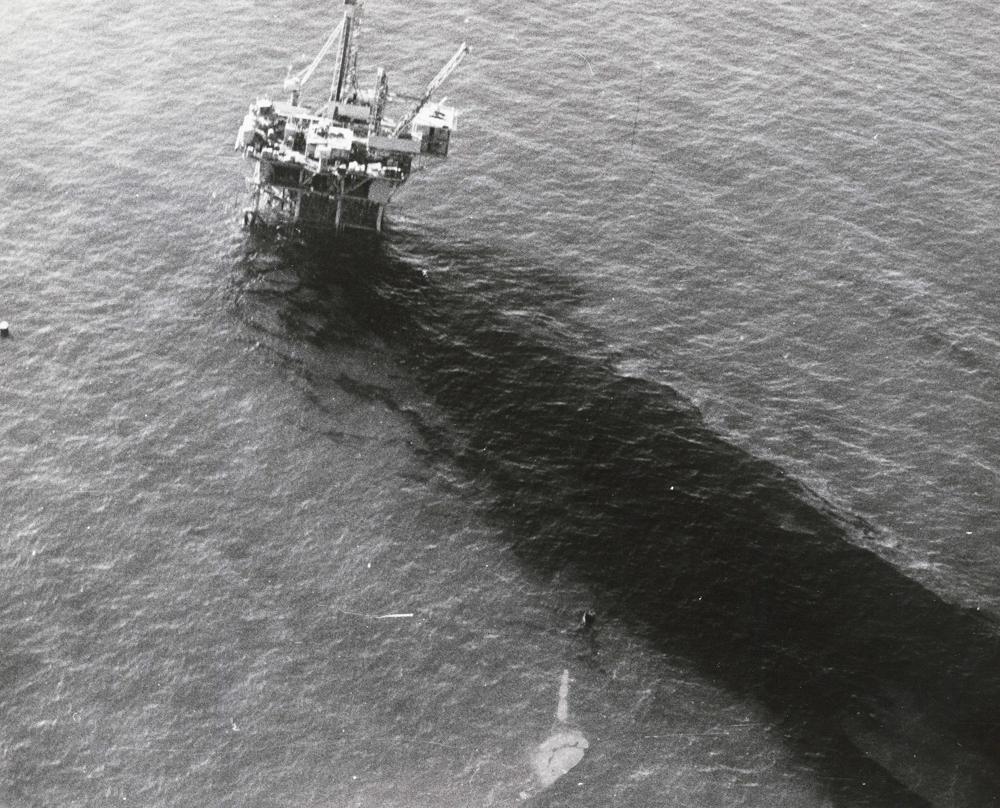
Santa Barbara blowout
Examinations of the Santa Barbara, Montara, and Macondo blowouts, the Piper Alpha fire, and other major incidents should be a part of every petroleum engineering curriculum, and should be mandatory for those who conduct and regulate offshore oil and gas operations.
There is no better learning experience than studying the failures that had such enormous human and economic consequences.
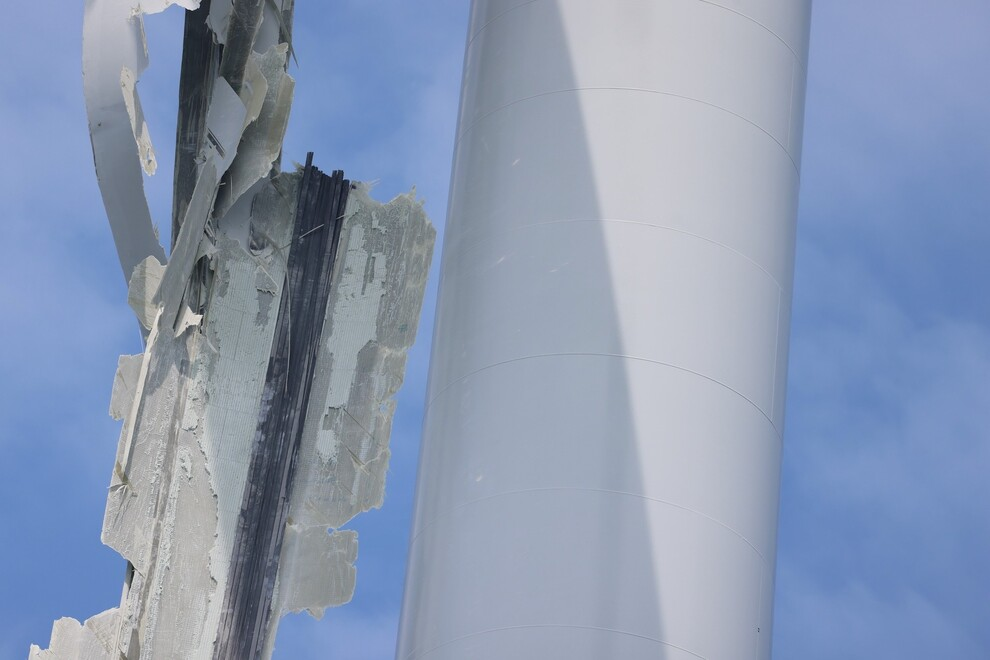
Additionally, ultimate authority over the wind farm remained unclear, with various federal agencies claiming responsibility over different portions of the permitting, licensing, review, and operation of the wind farm.
“Sometimes I have a hard time figuring out, who do we talk to? Who is going to keep us safe? Who is the responsible boss here? Who is going to make the hard decision?” Select Board member Matt Fee asked.
Separate legislation granting redundant or overlapping authority to different departments or agencies.
Legislation that is non-specific, assigning broad authority to the President or cabinet level level officials, leaving it up to the bureaus to resolve.
Bi- and multi-lateral agreements like MOA’s and MOU’s, which are intended to “coordinate the redundancy,” often cause more confusion than they prevent, creating gaps in the process.
“Fixing” problems by adding redundancy.
The Dept. of the Interior’s division of responsibilities for offshore wind, which was finalized in January 2023, inexplicably assigns review and approval of Construction and Operations Plans to the Bureau of Ocean Energy Management (i.e. the land manager, lessor, and wind energy promoter) rather than the Bureau of Safety and Environmental Enforcement (i.e. the principal regulator of the activities described in those plans).
More significantly, the offshore wind responsibilities of the 2 bureaus are so intertwined (as is also the case for offshore oil and gas), that attempts to separate the functions have, at a minimum, created inefficiencies and increased regulatory and operational costs.
FTR, the idea that having the BOEM and BSEE functions combined in a single bureau, as was the case with the predecessor bureau (MMS), had anything to do with the Macondo blowout is a complete fallacy. Regarding the accusations that were made toward MMS, the Chief Counsel for the national commission that investigated the tragic incident found no evidence that ethical lapses on the part of MMS employees played any role in causing the blowout.
There were important regulatory changes made after the Macondo blowout. These included capping stack requirements, mandatory safety management systems, and updated rules and standards for cementing/zonal isolation and blowout preventer systems. None of these improvements were precipitated by or dependent on the division of MMS into two bureaus.
 Bud's Offshore Energy (BOE)