Feeds:
Posts
Comments

Posts Tagged ‘exploratory drilling’

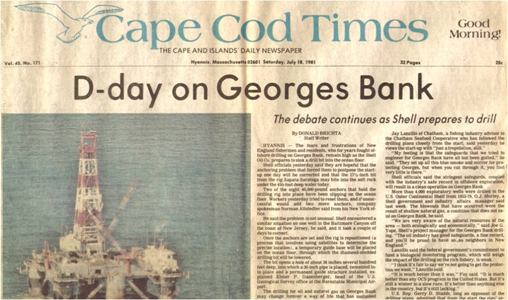
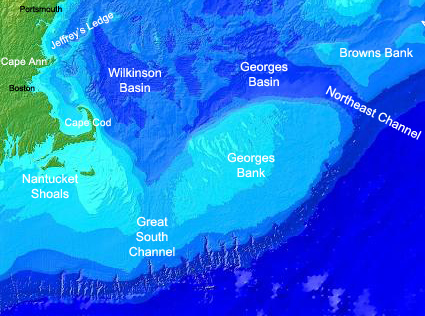
44 years ago today, drilling began on the first two exploratory wells on Georges Bank, the large seafloor feature that separates the Gulf of Maine from the Atlantic Ocean. The above Cape Cod Times headline attests to the drama that was unfolding 155 miles southeast of Nantucket.

After years of debate, oil embargoes, gas lines, and the threat of future supply disruptions tipped the political balance in favor of offshore leasing, and OCS Sale No. 42 (North Atlantic) was held one week before Christmas in 1979. Remarkably, only 19 months elapsed between the lease sale and the initiation of drilling.

LInk for those who want to learn more.

Read Full Post »

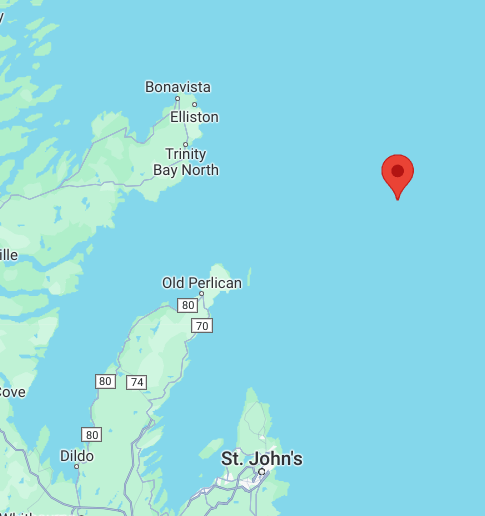
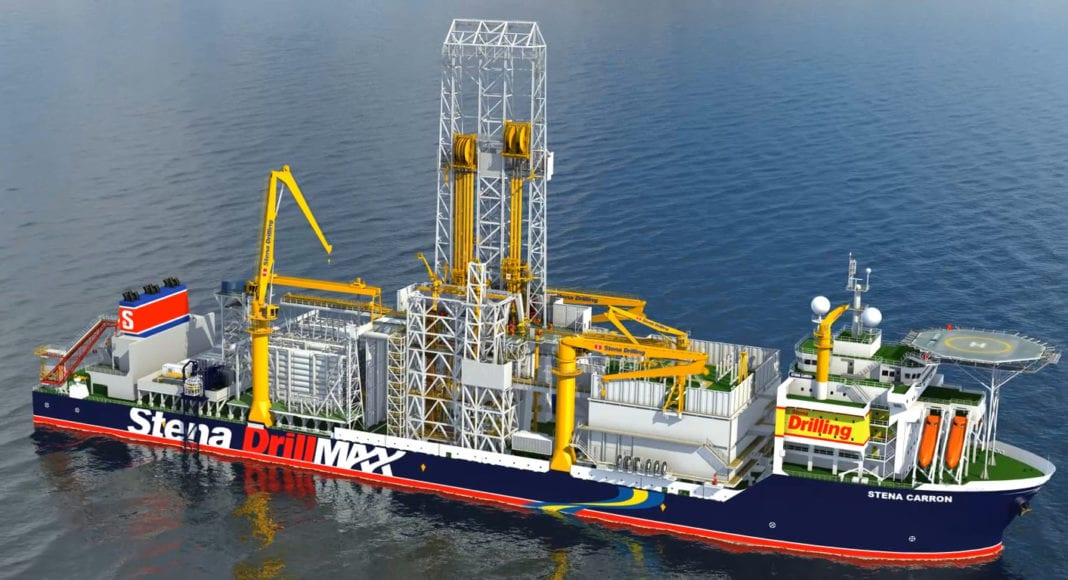
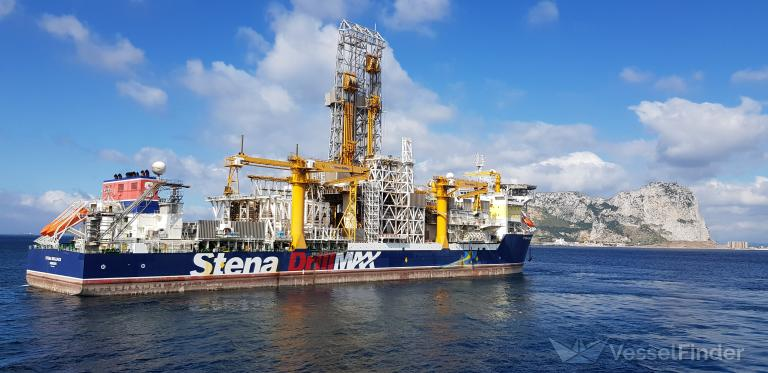
To find the sole exploratory well being drilled in the vast North American Atlantic, you have to exit “wind-only” US waters, head NE to St. John’s, NL (advancing your watch by 1.5 hours 😉), and transit another 317 miles NE to the Stena DrillMAX working for Exxon in the Orphan Basin.

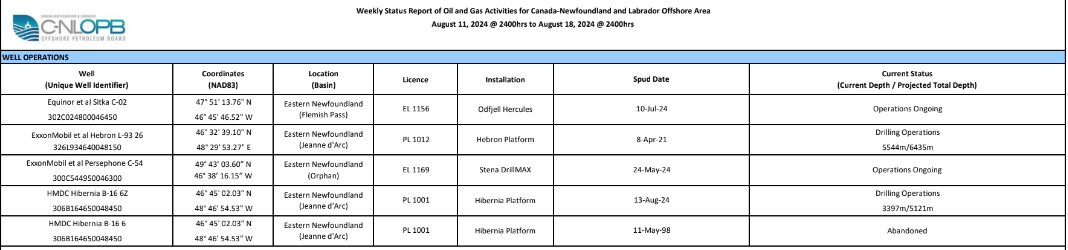
The latest (8/20/2024) CNLOPB report (below) is that operations are ongoing. The well was spudded 3 months ago. That is about all they can disclose without compromising confidentiality. Even seemingly innocuous information like the current and projected well depth provides the opportunity to speculate about geologic conditions and current well activities.

We can assume that there have been no safety or environmental incidents to date, because the CNLOPB does a good job of posting such information in a timely manner.

Previous posts on this well

Read Full Post »

The DrillMAX has exited Bulls Bay and is en route to the Orphan Basin, where Exxon will drill a high potential exploratory well. As of this morning at ~1000 GMT, the drillship was headed north at 7.7 kts (see map).

Read Full Post »

According to rig locator data, the DrillMAX is moored in Bay Bulls, Newfoundland in preparation for transit to the site of Exxon’s high potential exploratory well in the Orphan Basin.

Read Full Post »

Per the Jamaica Gleaner:

United Oil and Gas Plc, which holds the right to search for oil offshore Jamaica, gave notice to investors that it would announce a preferred drilling partner in weeks.

The UK-based explorer requires a partner to split the risk for drilling offshore, which it estimates at US$30 million.

United Oil holds oil and gas assets in Egypt, United Kingdom and a high-impact exploration licence in Jamaica. Its net worth, at US$27.7 million, is less than the cost to drill a test well, but its team of professionals are betting on the island.

The Walton-Morant license

Read Full Post »

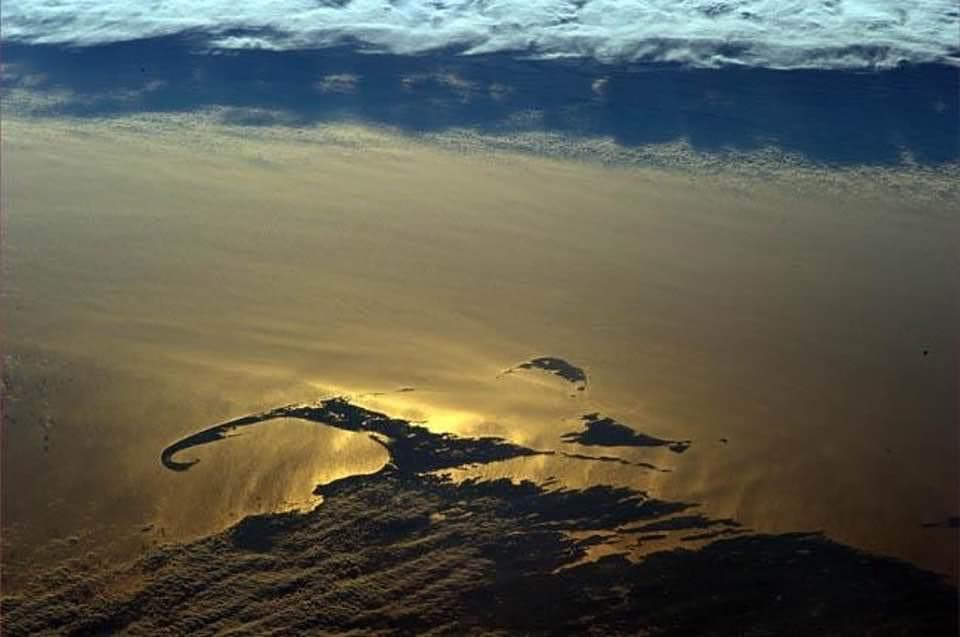
This wonderful satellite image of Cape Cod, Nantucket, and Martha’s Vineyard was posted by a Facebook friend. Cape Cod is quite young, having been formed by a retreating glacier about 20,000 years ago.

I moved to Cape Cod 43 years ago in preparation for the exploratory drilling operations on Georges Bank. I met so many amazing and supportive people during my 4 years there including (most importantly) my wife, State and local officials, congressional representatives, Woods Hole scientists, fishermen, reporters, airport officials, industry representatives, Coast Guard officers, offshore workers, environmental activists, and concerned citizens. All contributed to an outstanding work experience for me and my colleagues.

The 8 exploratory were at locations 112 to 155 miles SE of Nantucket (map below).

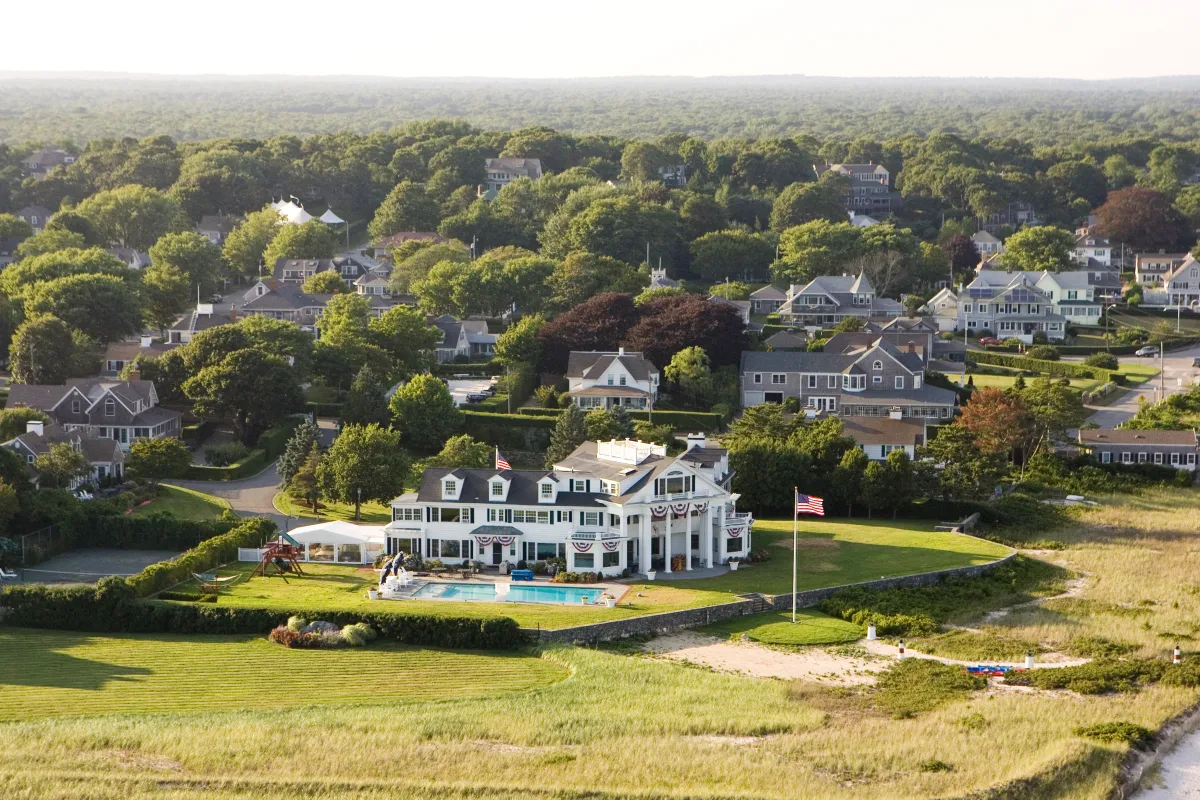
I lived in Hyannis, not far from the Kennedy compound (pictured below) which was on my jogging route. It was an easy bike ride to our office at Barnstable Municipal Airport, where we departed to inspect the exploratory drilling operations.

RFK Jr. talks about the Kennedy compound and the “Camelot years” during JFK’s presidency.

Read Full Post »

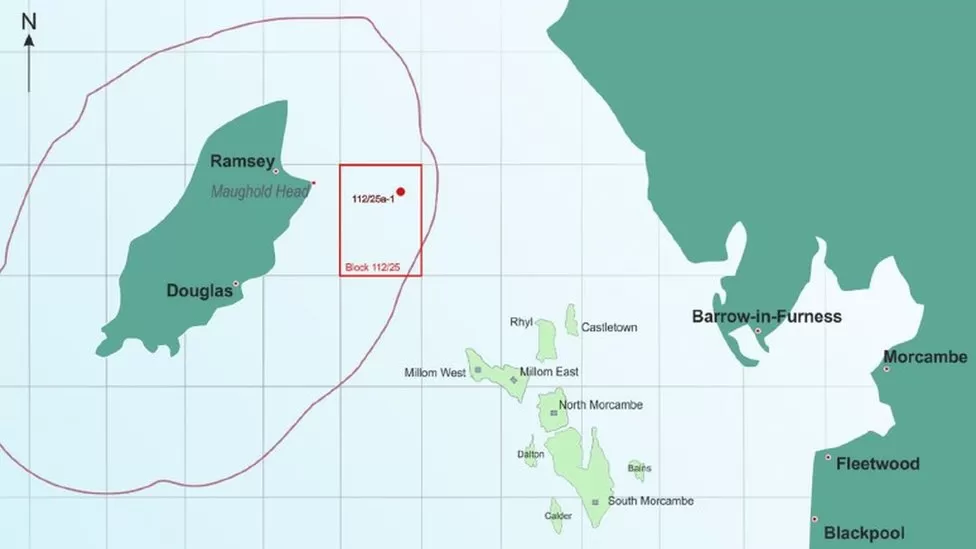
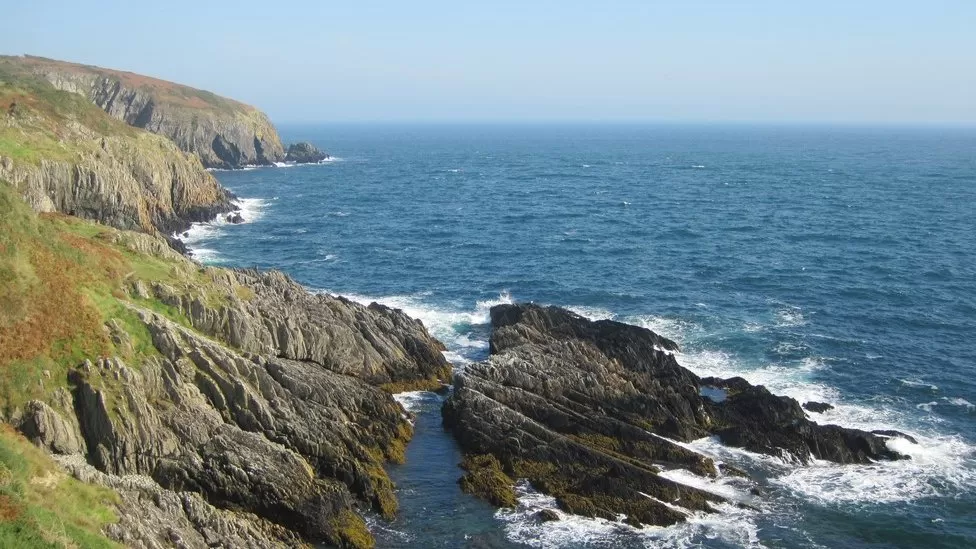
A firm with a licence to drill for natural gas in Manx waters expects to begin exploratory works in October, its chief executive has said.

Crogga has appointed Three60 Energy to drill an appraisal well to understand how much gas is under the seabed 17km (10.5miles) off Maughold Head.

BBC
Isle of Man

Read Full Post »

Foremost energy experts like Daniel Yergin understand that oil and gas will be critical to our economy and security for decades, and that offshore production is an important component of our energy supply chain. Unfortunately, our massive outer continental shelf has, from an oil and gas standpoint, been effectively reduced to the central and western GoM.

Opportunities in the GoM are being seriously constrained by the extended pause in leasing. A lease sale has not been held for 615 days, the longest US offshore leasing gap since the 1950’s.

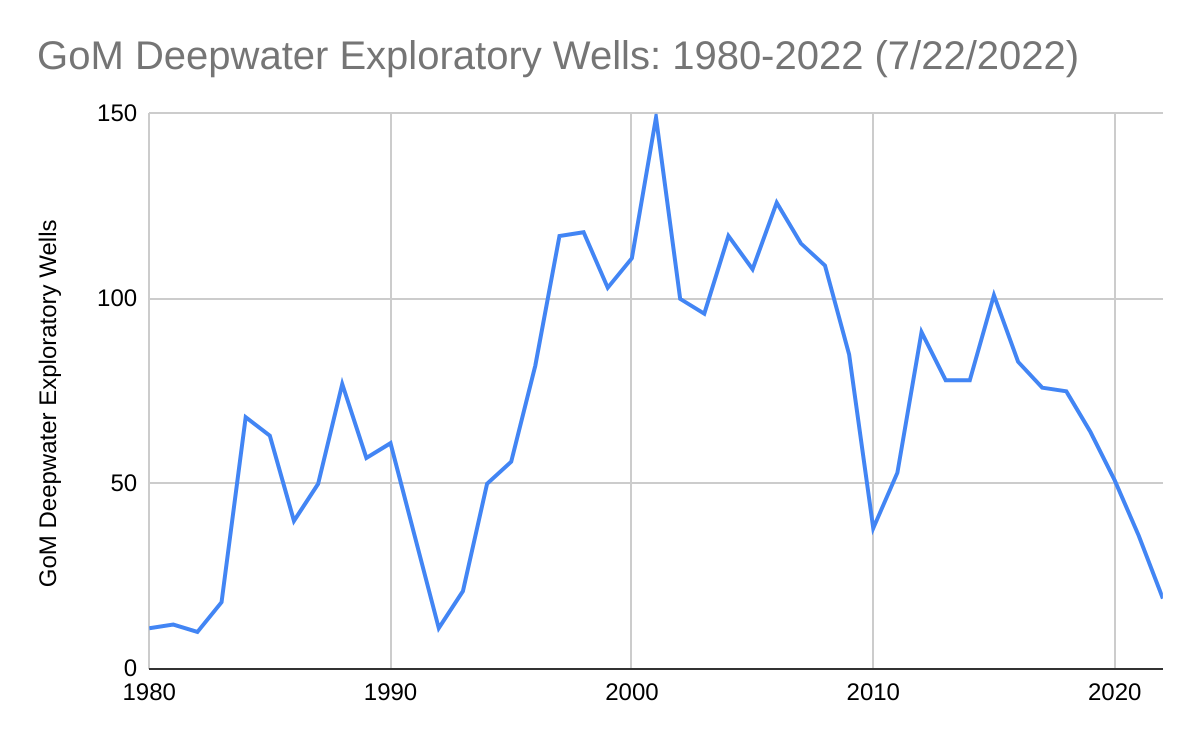
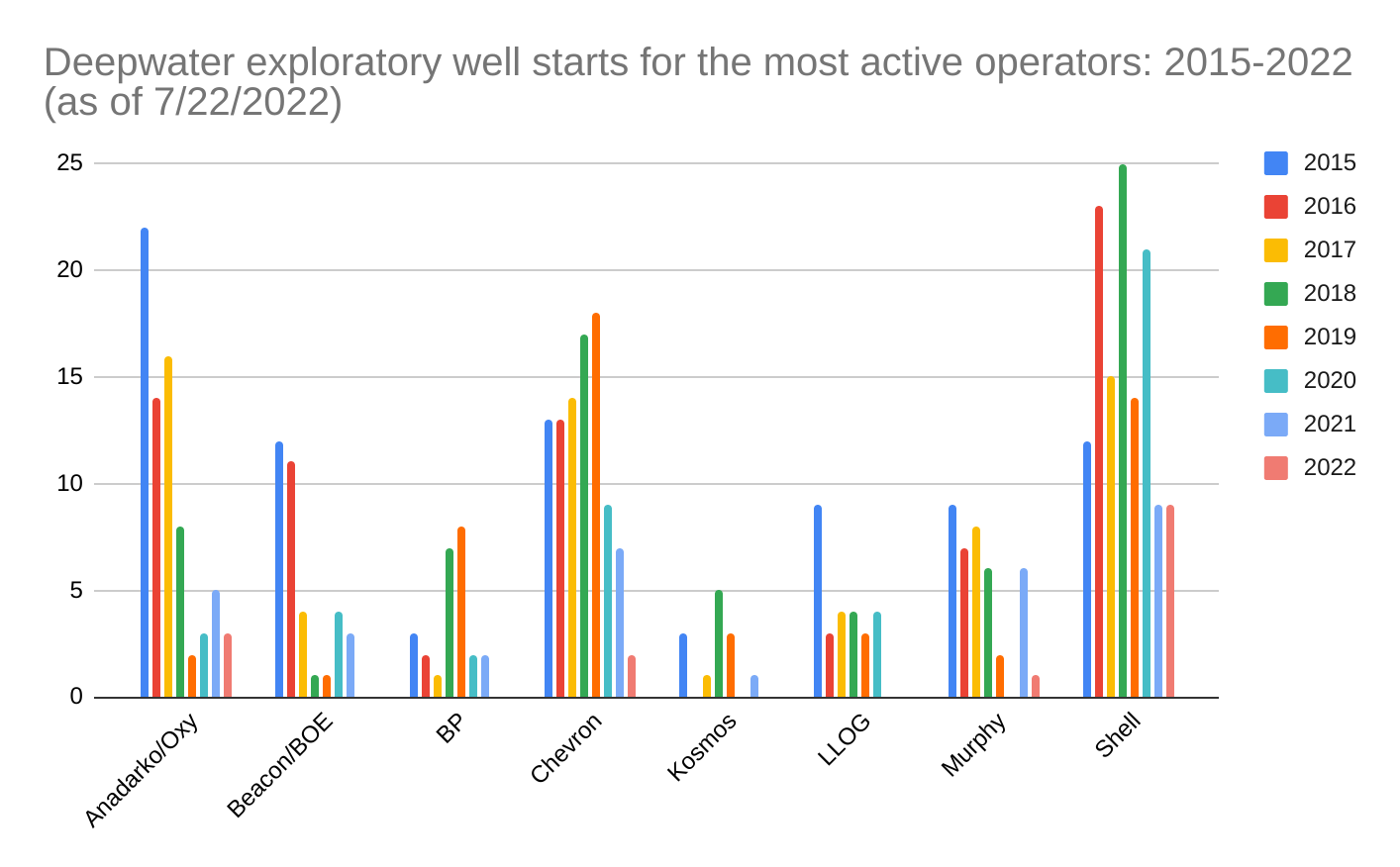
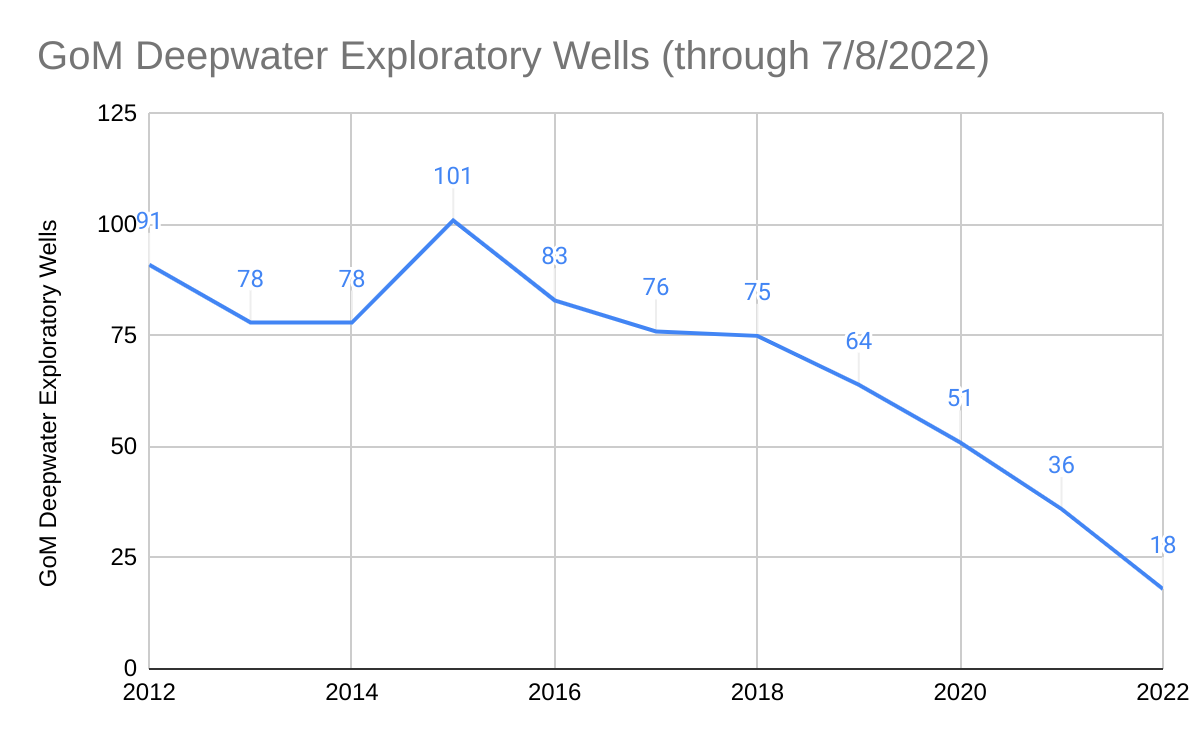
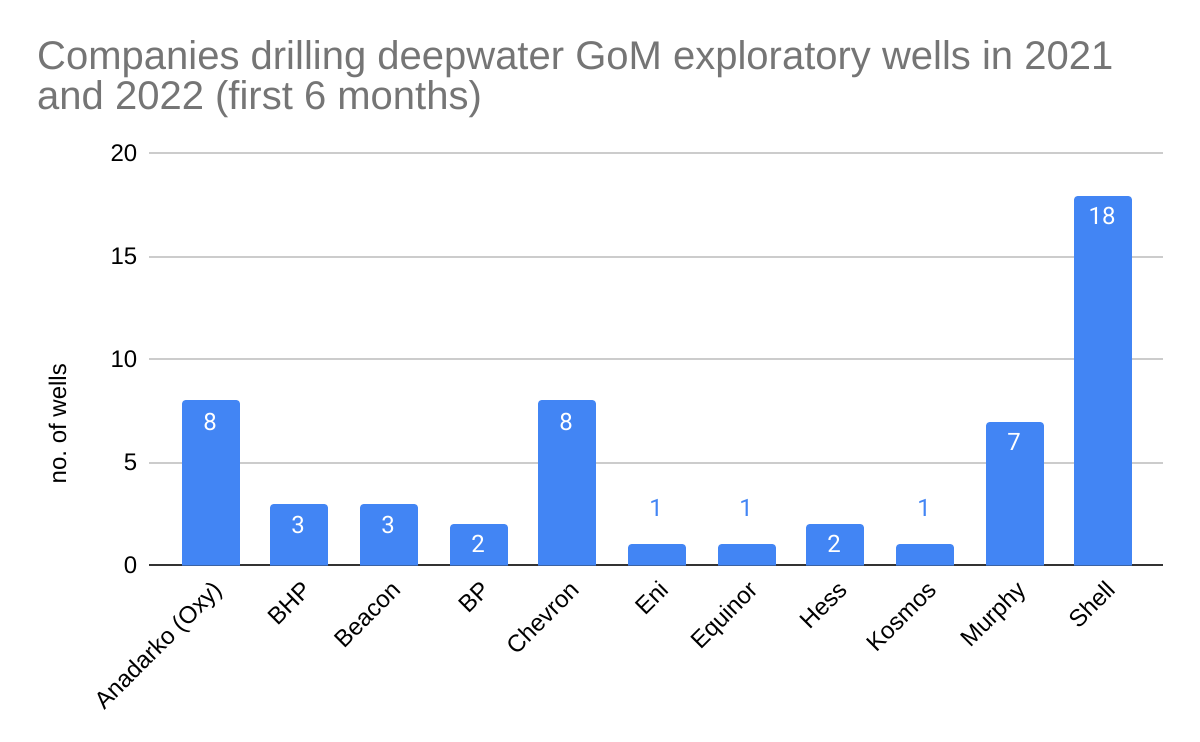
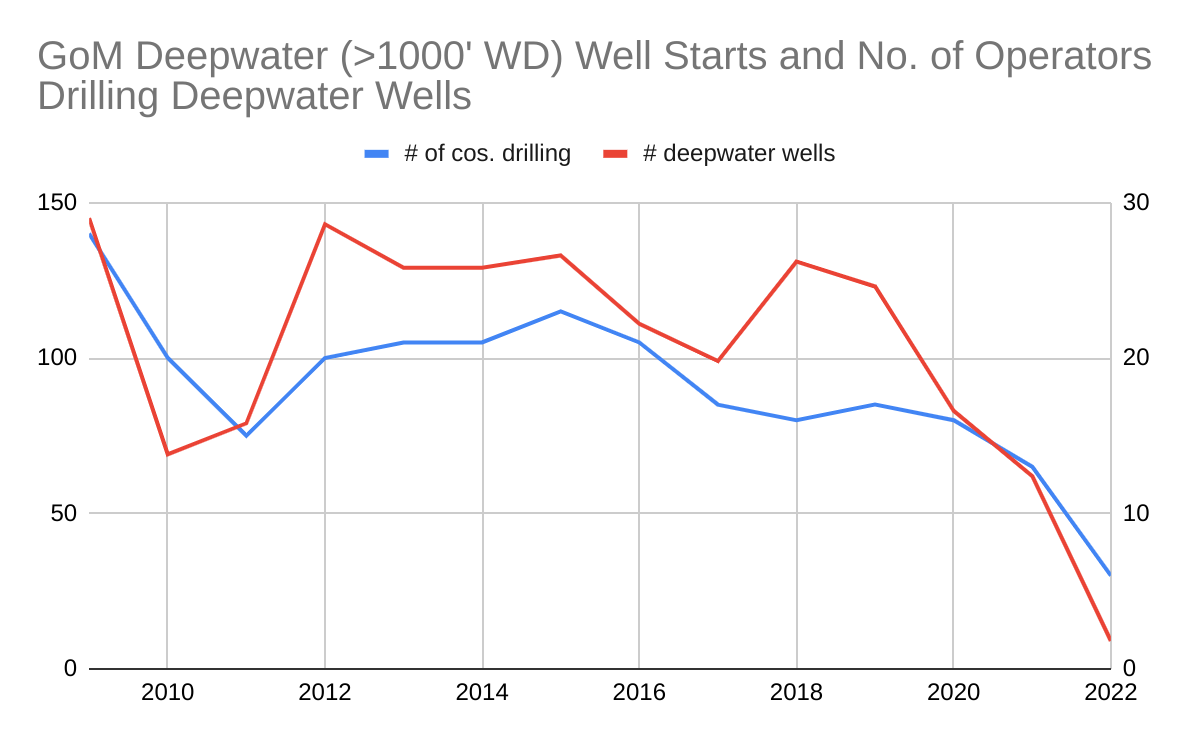
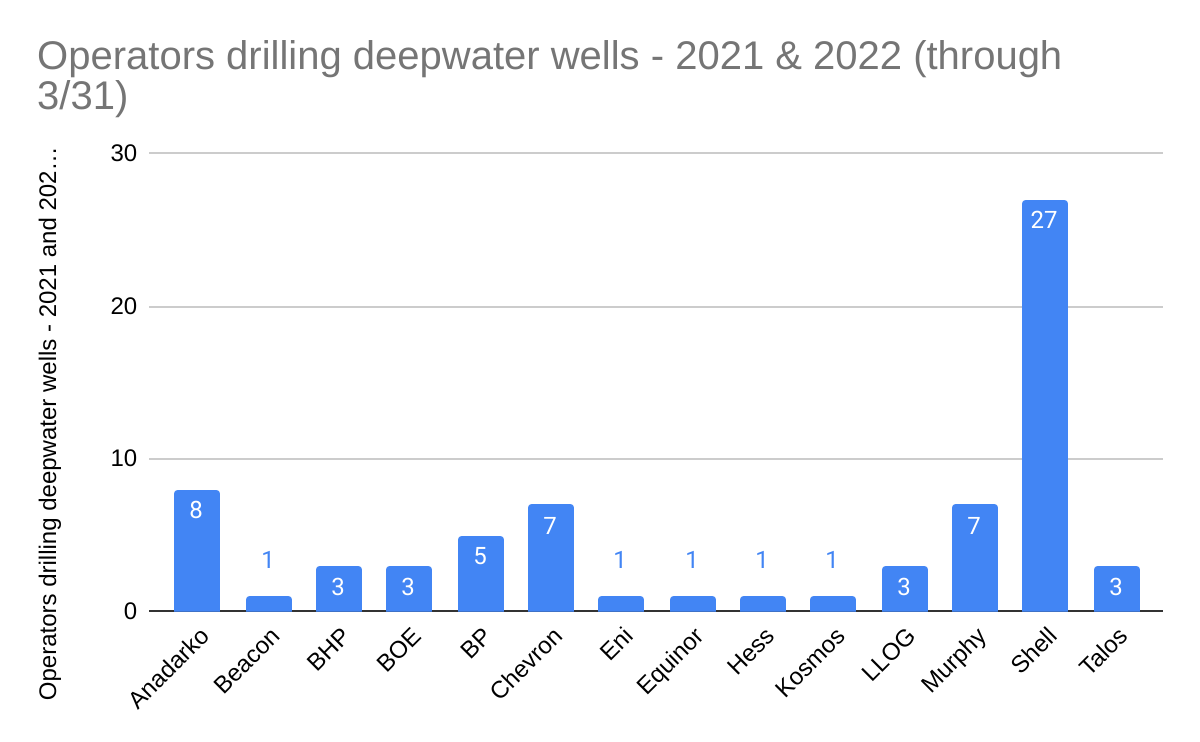
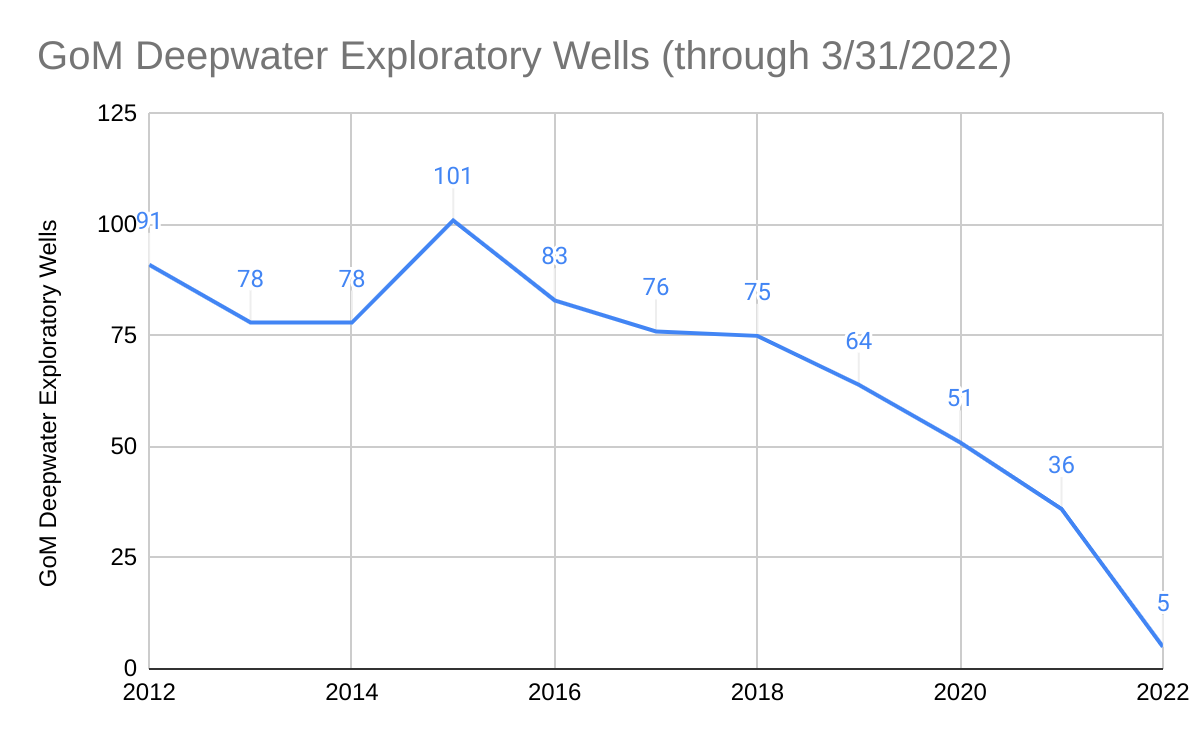
Reserve replacement and sustained production are dependent on exploration. The charts below illustrate the decline in GoM exploratory drilling and the reduced activity by some of the more important operating companies.

Per BSEE data, the number of exploratory well starts averaged only 3/month for the last 18 months (chart 2). This level of activity is the lowest since the early days of deepwater operations (chart 1). There was even more drilling during the post-Macondo moratorium (2010-2011).

ConocoPhillips and Exxon have not drilled a GoM exploratory well since 2016 and 2018 respectively. Activity by other operators has also declined significantly (chart 3). BP has not spudded an exploratory well since Sept. 2021.

No one should be surprised by the sharp decline in reserves and the dearth of recent field discoveries. Hopefully, government and industry will engage in a more thorough discussion of these trends and measures that might improve the intermediate and longer term production outlook.

chart 1
chart 2
chart 3

Read Full Post »

Per Rystad’s independent and highly regarded global energy assessment:

The (worldwide) drop in reserves is driven by the 30 billion barrels of oil produced last year, plus a significant reduction in undiscovered resources, to the tune of 120 billion barrels. The US offshore sector has contributed the largest total to that drop, where 20 billion barrels of oil will remain in the ground, largely thanks to leasing bans on federal land.

The decline in reserves should come as no surprise to those who follow the US offshore sector. Note the sharp decline in exploratory drilling in the (updated chart below) and the calls for action on this blog a year ago and more recently.

The OCS oil and gas program requires a sustained, consistent commitment by government and industry. Such a consistent commitment, even though required by legislation, is difficult to achieve in our political system, .

The proposed 5-year leasing plan portends further declines in the OCS program. Those who are celebating the progam’s downfall may not be so smug 5-10 years from now.

The commitment by the oil and gas industry has also been uneven and in some cases disappointing. BOE continues to be troubled by the reduction in exploration by some companies and the decision by others, including leading US companies with a long history of Gulf of Mexico operations, to exit the US offshore sector completely (see the chart below). The exploration decline began before the leasing shutdown (now 600 days in duration). Inconsistent signals from the Federal government and corporate directors, market considerations, and competing investment opportunities are major factors, but there are no doubt other considerations. Constructive dialogue to address these issues is badly needed.

Read Full Post »

BSEE data

With regard to shelf drilling activity (<1000′ water depth), a total of 55 wells were started in 2021 and 2022 (first quarter). Only 2 of these wells, both by Walter Oil and Gas, were classified as exploratory. The most active drillers (by far) were Arena Offshore (30 well starts) and Cantium LLC (16 well starts). Ankor, EnVen, and Talos were the only other operators with drilling activity.

Reasons for concern:

Read Full Post »