A helideck incident killed 4 workers in 2022. Why are we still waiting for the final NTSB report?
The most recent Coast Guard – BSEE MOA for fixed platforms added to helideck regulatory uncertainty by assigning decks and fuel handling to BSEE and railings and perimeter netting to the Coast Guard. How does that make sense?
As is the case with all safety regulations, a systems based approach is needed.
Despite the muddled regulatory regime, BSEE is showing strong leadership in addressing helideck safety.
The broader issue of regulatory fragmentation is an important risk factor that needs to be addressed.
David Scarborough, Island Operating Co., was one of the 4 workers who died in the 2022 crashat a West Delta 106 platform.
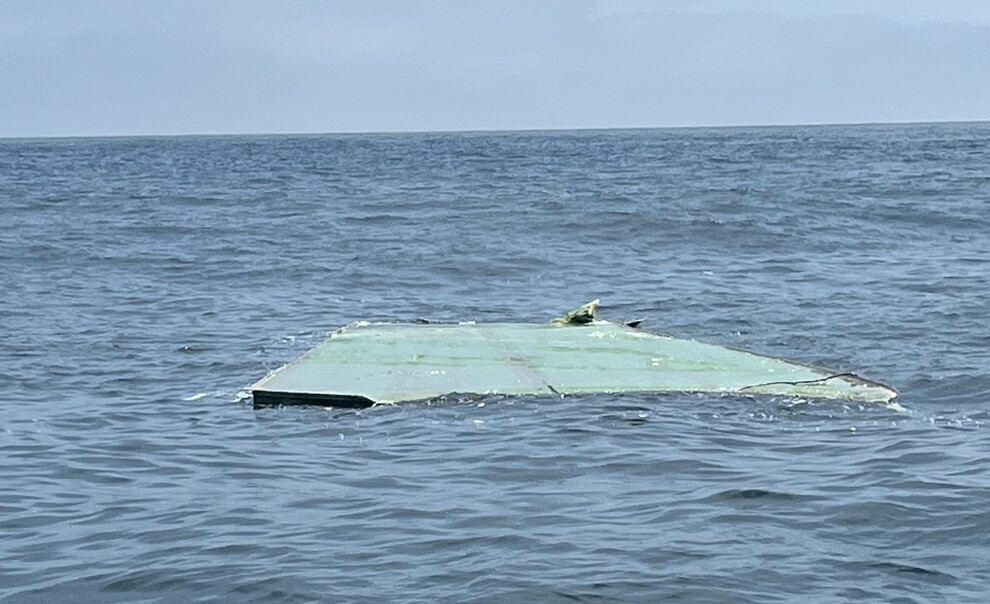
On Sunday (7/14), Capt. Carl Bois, of the fishing charter Topspin out of Nantucket, told the Current he noticed a significant amount of debris in the Vineyard Wind lease area.
“There was so much debris at the wind farm,” Bois said. “We covered many miles and only saw the debris at the wind farm site: big sheets of fiberglass with foam core and lots of loose foam.”
On Saturday night (7/13) the Coast Guard warned Mariners as follows: “Coast Guard received a report of 03 floating debris 10 meters by 2 meters in the vicinity of approximately 26 NM SE of Marthas Vineyard and 22 NM SW of Nantucket in position 40 59.559N 070 25.404W. All marines are requested to use extreme caution while transiting the area.“
On Monday (7/15), Vineyard Wind confirmed that a turbine blade incident occurred on 7/13: “On Saturday evening, Vineyard Wind experienced blade damage on a wind turbine in its offshore development area. No personnel or third parties were in the vicinity of the turbine at the time, and all employees of Vineyard Wind and its contractors are safe and secure.”
On 7/16, Vineyard Wind issued another statement advising that they were deploying teams to Nantucket to clean up debris from the incident.
Comments:
Not a good look for the first large-scale offshore wind project in the US.
It’s unclear what the status of operations was at the time of the incident.
Vineyard Wind seems to be passing the buck a bit when they note that “GE, as the project’s turbine and blade manufacturer and installation contractor, will now be conducting the analysis into the root cause of the incident.” While GE’s findings are critical, Vineyard Wind, as operator, is fully responsible and accountable for the incident and should be leading the analysis.
Was their a third party review of the turbine design?
Was the incident reported to BSEE, the safety regulator for offshore wind? State and local government?
BSEE and the Coast Guard should ensure that Vineyard Wind’s findings and their own independent report are made publicly available in a timely manner. Ditto for Safety Alerts.
What other incidents have occurred during offshore wind facility construction and operations?
After 5 months of investigation, the Main Pass Oil Gathering (MPOG) system has finally been cleared for production. (The Coast Guard update only says that the pipeline passed the integrity test, but I assume the operators may resume production though the MPOG system.)
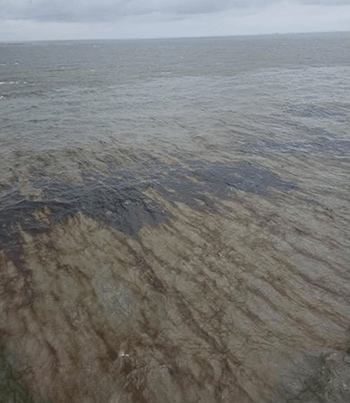
So what was the source of the November sheen and what was the basis for the 1.1 million gallon spill volume estimate? The sheen was not indicative of a spill of that magnitude. Did the Coast Guard et al assume a worst case loss from the MPOG system, even though no leak had been identified?
Is this the most oversight ever for a pipeline integrity test?
The removal and replacement of the spool piece and the subsequent integrity test of the MPOG line were conducted under the close supervision of the Unified Command and Pipeline and Hazardous Materials Safety Administration. During both operations, spill response vessels were on site, along with divers, remotely operated vehicles, helicopters equipped with trained oil observers and multi-spectral imaging cameras, and other containment and recovery equipment. No material discharge of oil was observed during these operations.
According to the LA Times, the Coast Guard said the sheen was not from natural causes, but the Coast Guard press releases don’t say that. One of the nearby platforms could have been the source as could a pipeline or vessel. We’ll see what, if anything, the investigators find.
As we enter the third month of 2024, BSEE has finally updated the incident tables to include 2022 data.
The OCS program managers I was privileged to work for would never have accepted such delays in posting fundamental safety data. Carolita Kallaur (RIP) wouldn’t tolerate a delay of 14 days in publishing quarterly incident statistics, let alone a delay of 14 months for annual data with no quarterly updates. Transparency and timeliness in informing the public about offshore safety performance was her highest priority. Cynthia Quarterman, Tom Readinger, and other OCS program leaders were similarly insistent on timeliness and transparency in the reporting of incident data.
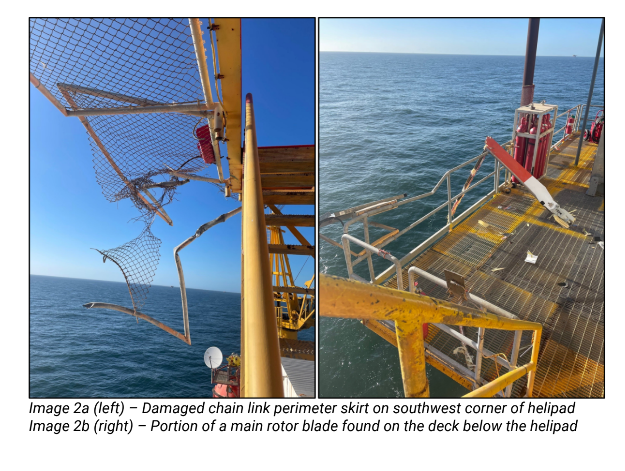
The belated 2022 BSEE tables also include a glaring error. The most important figure, the number of fatalities, is incorrect. Five workers died from US OCS incidents in 2022, not one. The fatal helicopter crash at the West Delta 106 A helideck on 12/29/2022 that killed four workers (photos below) is inexplicably not included.
Is the failure to include this fatal incident a regulatory fragmentation issue? OCS safety data should be reported holistically and should not be parsed based on perceived regulatory jurisdiction? In any event, the tragic accident at the West Delta 106 A platform occurred at the helideck, which per the MOA with the Coast Guard is under BSEE jurisdiction.
It’s unfortunate that 2023 data are not available, even in summary form. At a minimum, BSEE should be proudly reporting that 2023 was the first zero fatality year on the US OCS since at least 1963! While acknowledging that this outstanding achievement will be difficult to repeat, it most certainly deserves public attention.
Lastly, what about incident data for the offshore wind program? When will these data be posted?
Were sheen samples fingerprinted and are those results definitive?
Given that the source has not been identified, what was the basis for the large (and rather sensational) spill volume estimate? The sheen was not indicative of a spill of that magnitude.
How much production has been shut-in since the slick was first identified? November production data indicate a GoM-wide oil production decline of ~80,000 bopd decline from September.
Given the public claims that were made about the size and potential implications of this spill, the authorities need to be more forthcoming regarding their findings to date.
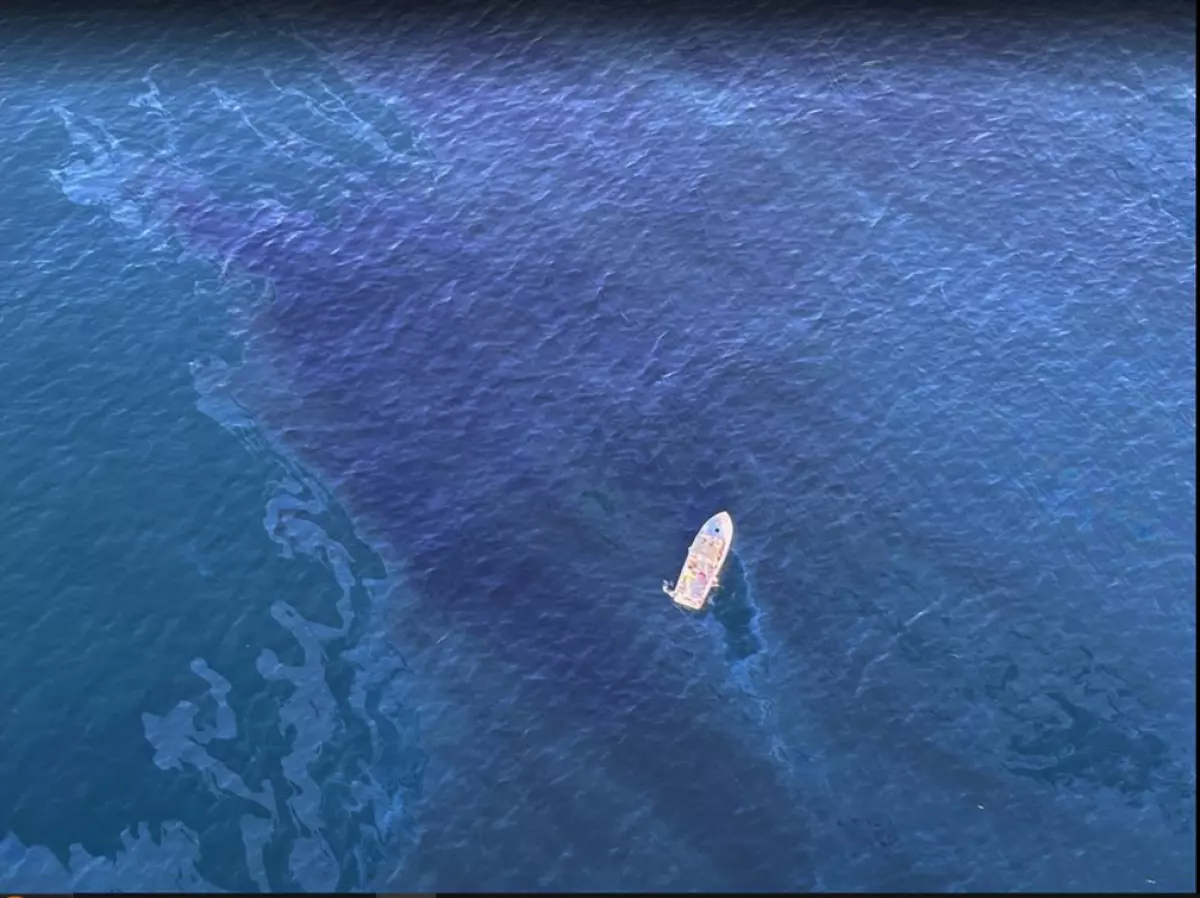
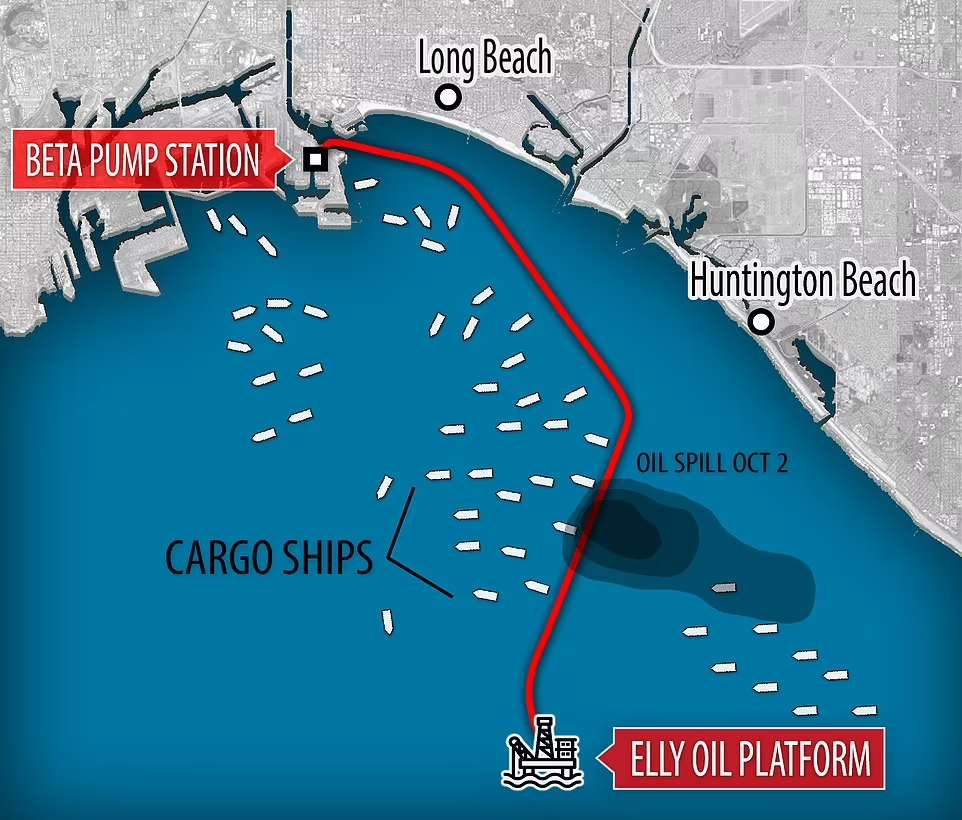
On Nov. 17, the Coast Guard reported a “crude oil release” in the Gulf of Mexico near the Main Pass Oil Gathering (MPOG) company’s pipeline system southeast of New Orleans. After 3 weeks of investigation, no pipeline leak has been identified.
The cause and source of the incident remain under investigation. The entire length of the main pipeline has been assessed to date, along with 22.16 miles of surrounding pipelines with no damage or indications of a leak identified. Remotely operated vehicles (ROVs) and divers continue to reassess the main pipeline and surrounding pipelines as a sustained effort to locate the source of the suspected release.
Postaccident investigation determined that the containerships MSC Danit and Beijing had dragged anchor near the pipeline months before the oil release, on January 25, 2021.
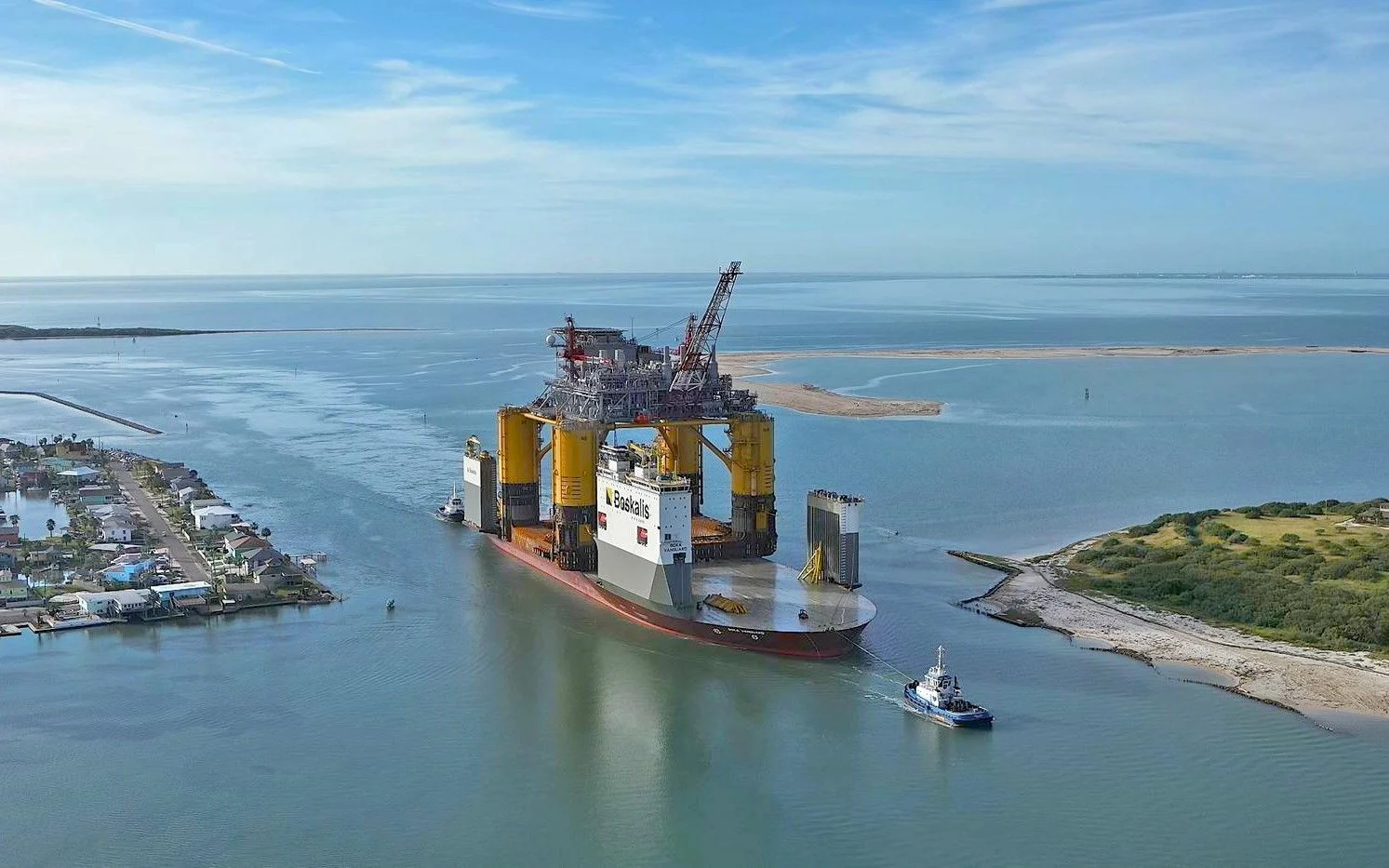
Lars Herbst noted another endangered whale sighting by the US Coast Guard. Unlike their erroneous Rice’s whale report in September (still waiting for their mea culpa), the Coast Guard has gotten this one right. The 25,000 ton Whale is pictured above.
Whale’s species is indeed endangered with the most serious threats coming from a faraway place on the Potomac River. The “newborn” Whale is one of only 15 of its species in the Gulf of Mexico. The entire platformus deepis genus numbers only 59, but their importance to society is enormous (read more).
Perhaps the wise people who control our offshore lands will do more to encourage and support these floating behemoths. Unfortunately, their 5 year management plan is not encouraging in that regard.
How does a Coast Guard station casually post an endangered species observation on Facebook before confirming the accuracy of the sighting?
Even if the species identity had been confirmed, is a Facebook post an appropriate means of making such announcements?
Shouldn’t the observation have been reported to NOAA for any further action?
Was the Coast Guard station aware of Lease Sale 261 and the related Rice’s whale litigation?
Did the Coast Guard station understand the potential economic implications of the alleged sighting, not just for offshore oil and gas but for all commercial activities in the GoM?
Why did so many media outlets run with the Facebook post without confirmation from the Coast Guard or NOAA?
Why has only one organization, the Miami Herald, published the corrected information?
Why has there been no public statement from the Coast Guard?




 Bud's Offshore Energy (BOE)