This reminded me of an important Lawrence Livermore project that was funded by the Minerals Management Service in 1995. The study considered seismic hazard criteria for offshore platforms on the California OCS. My colleague Dr. Charles Smith, a structural engineer, had an important role in this research. Charles had been instrumental in the establishment of an earthquake measurement network in the Pacific Region. The measurement system at Platform Grace in the Santa Barbara Channel successfully recorded 5 earthquakes and the structural responses at multiple locations on the platform.
Lawrence Livermore and the other national laboratories have many outstanding scientists and engineers. The national labs do excellent work, although their studies are a bit pricey 😉
My former colleague John Smith, an expert on Pacific Region decommissioning, advises me that production has ceased at Platform Irene in the Santa Maria Basin offshore California. Irene, the first platform installed in the Santa Maria District in 1985, was a milestone in Pacific OCS development.
Only 7 of the 23 Pacific OCS platforms are still producing. Attached is an updated summary table that John prepared for an upcoming SPE event in Alaska.
This Montecito Journal article explains the ecological importance of California offshore platforms and summarizes the challenging regulatory issues associated with their decommissioning.
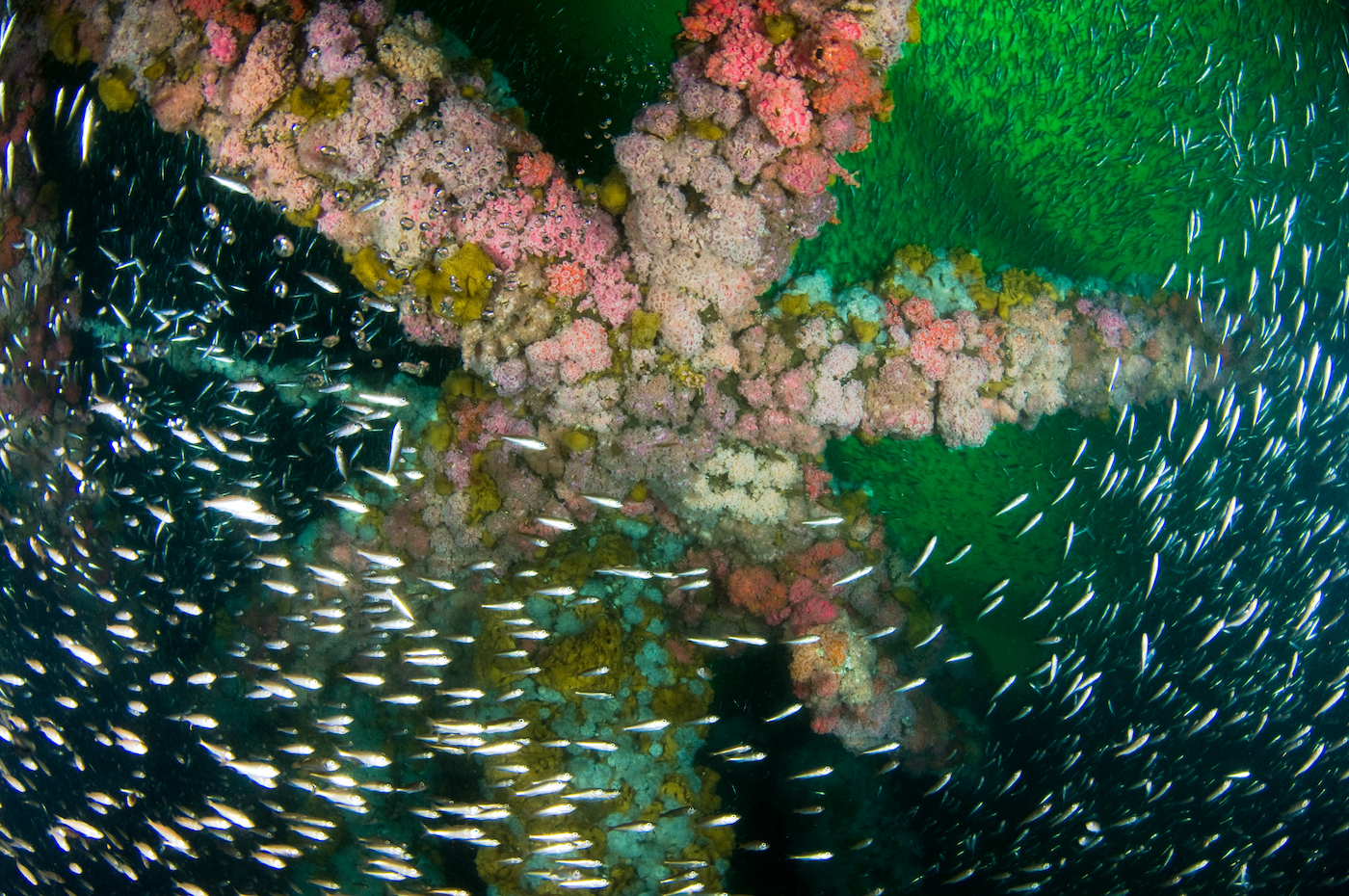
According to a paper published in 2014 by marine ecologist Dr. Jeremy Claisse of Cal Poly Pomona, the oil and gas platforms off the coast of California are the most productive marine habitats per unit area in the world. “Even the least productive platform was more productive than Chesapeake Bay or a coral reef in Moorea,” said Dr. Love. (Milt Love, UCSB biologist)
Offshore California, the best that most facility operators and their predecessors (to the extent they continue to hold decommissioning liabilities) can hope for is a graceful exit with manageable financial losses. (The situation is a bit different for Exxon’s Santa Ynez Unit, which has been shut-in since 2015 while the company seeks to resolve oil transportation issues resulting from an onshore pipeline rupture. Here is the latest episode of that amazing saga.)
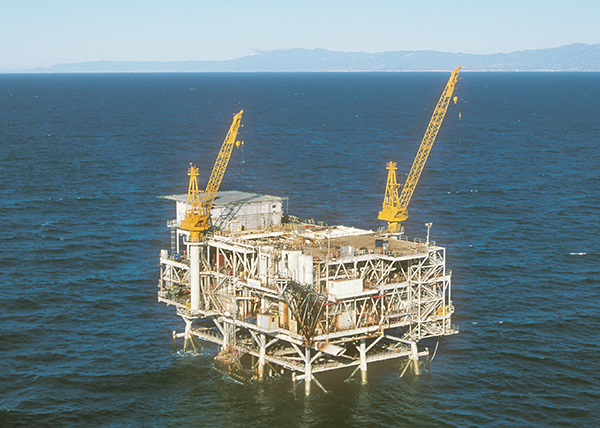
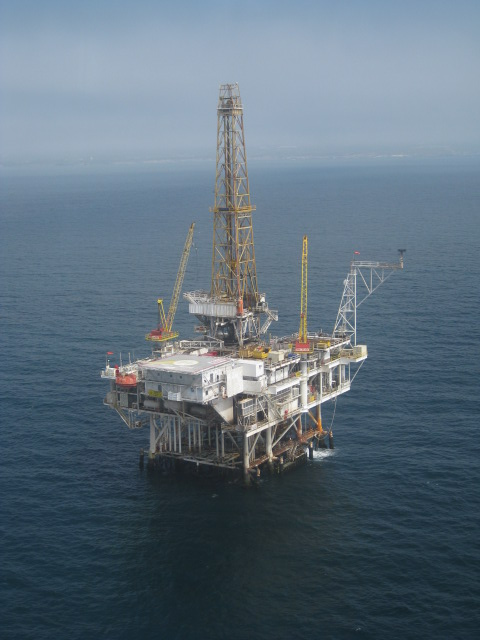
California’s Federal offshore, where 9 mobile drilling units (MODUs) were operating concurrently in the early 1980s, hasn’t seen a MODU in over 30 years. However, 23 production platforms, some of which are massive structures, remain (see the presentation below). At this point, these platforms are expensive monuments given that their combined production (per EIA) is only 7000 BOPD.
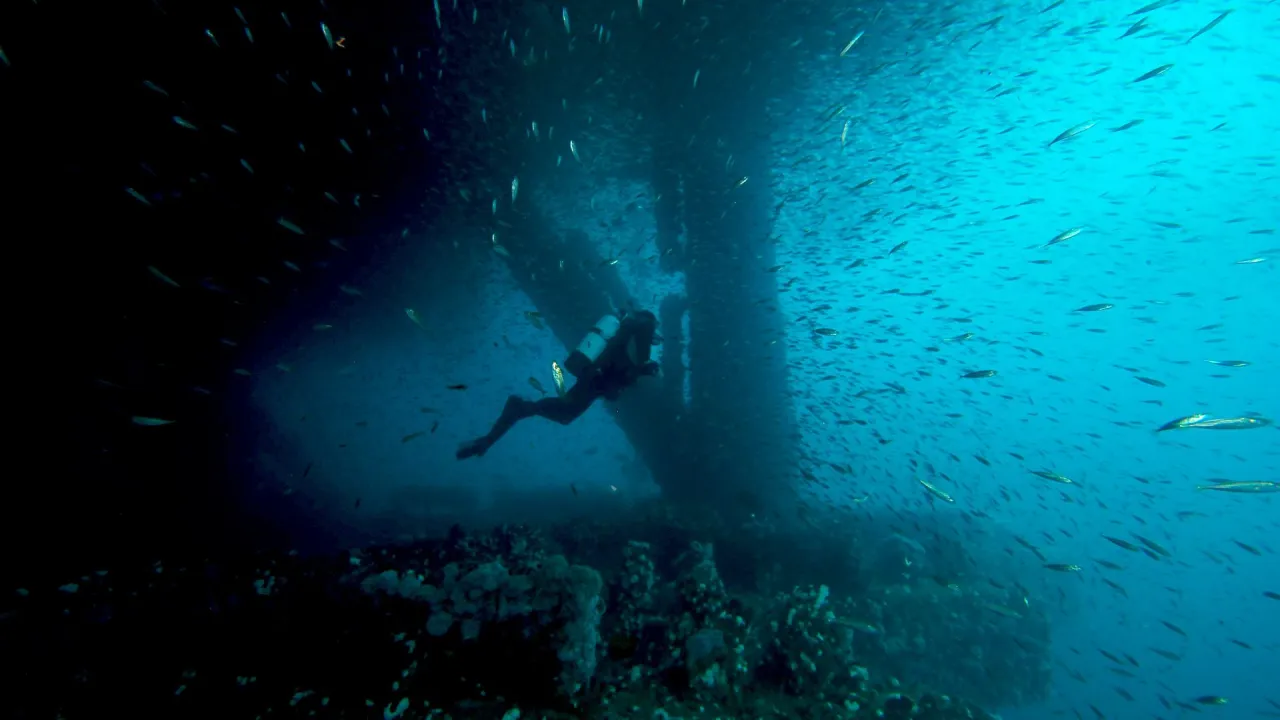
Regardless of their production status, the California offshore platforms continue to be ecologically significant. Dr. Jerry Schubel is among the many marine scientists who understand the importance of the life that has grown on and around these structures. The scientific community also sees other research, educational, and recreational uses for these platforms as per our Rigs-to-Reefs +++ page.
To their credit, State and Federal agencies, trade organizations, and interested third parties continue to discuss the issues and consider alternatives. A recent workshop was helpful in that regard. Attached is the excellent presentation by Bob Byrd and John Smith, who have been at the vanguard in addressing California decommissioning issues. Embedded below is the YouTube video of the presentations from their session. These are excellent updates for those who have an interest in decommissioning issues.
Excerpts from a good OC Register article on the ecological significance of the 27 platforms in State and Federal waters offshore California:
“All the (California) platforms having booming ecosystems underwater,” marine scientist Amber Sparks said at an Aquarium of the Pacific lecture in Long Beach on Wednesday, March 2.
“There’s a lot of real estate; a lot of nooks and crannies for marine life,” she said. “Scientists at the National Academy for the Sciences have found California’s platforms are some of the most productive marine habitat in the world.”
The Gulf of Mexico is the poster child for rigs-to-reefs, with more than 500 decommissioned oil platforms turned into full-time artificial reefs over the past 30 years. It’s bold testament to the habitat potential of the rigs, transforming the relatively sterile, sandy bottom ecosystem there into one with hundreds of prime locations for marine life.
 Bud's Offshore Energy (BOE)