Feeds:
Posts
Comments

Posts Tagged ‘blowouts’

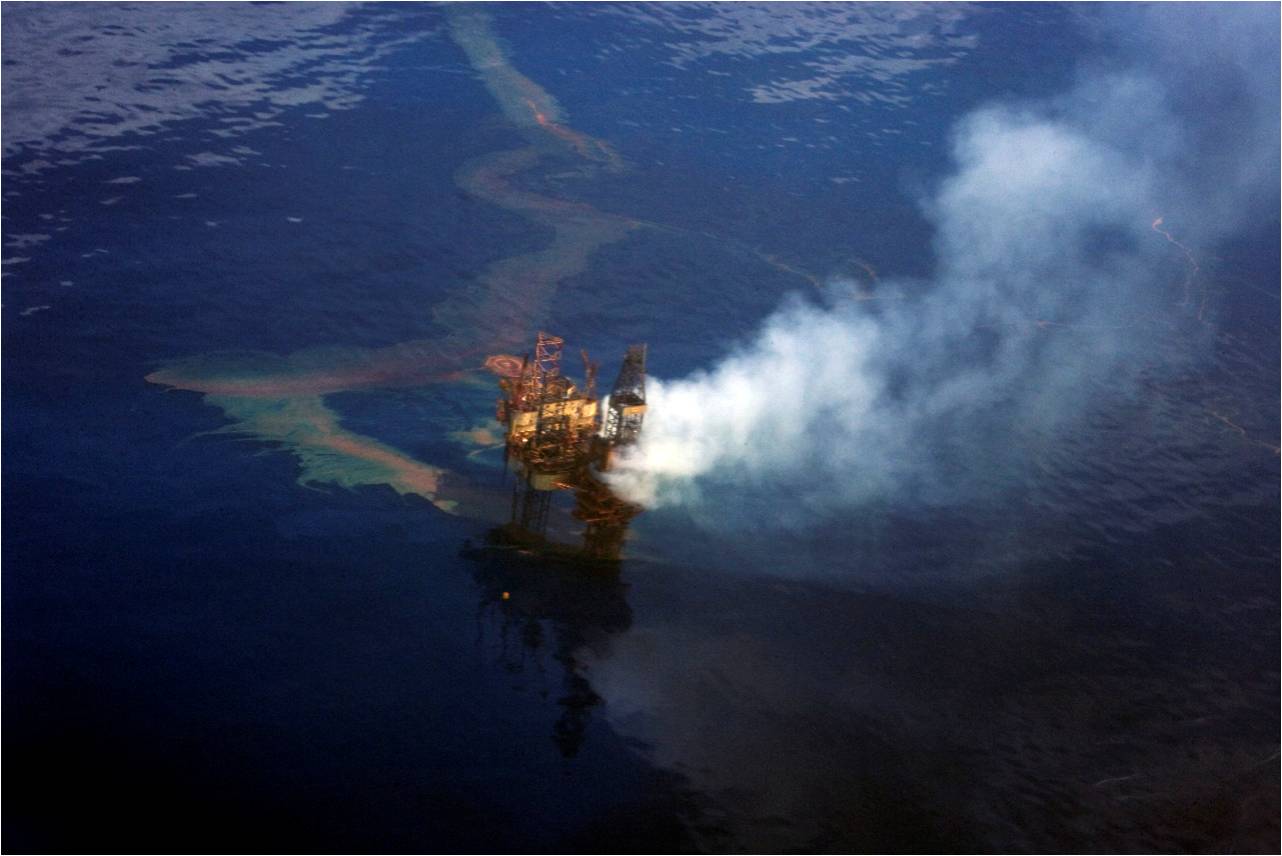
Montara Blowout - Timor Sea - 2009

A spokesman for PTTEP says the damaged rig will be towed away next month and a replacement will be in place by June next year subject to government approvals. ABC-Australia

Food for thought:

  • Should a major blowout automatically disqualify a company from further exploration and development within that field?
  • Should PTTEP have voluntarily agreed to (been required to) assign their Montara rights to another company?
  • Should leases or operating licenses be automatically suspended after such major accidents?
  • Shouldn’t exploration and development rights be contingent on safe and responsible operating practices?
  • Do PTTEP and other operators deserve a second chance under such circumstances? Third chance? How many?

Read Full Post »

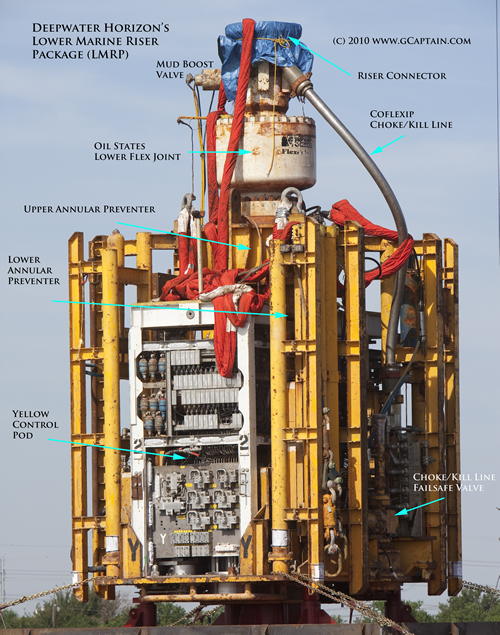
BOP stack awaiting post-Macondo inspection (from gCaptain.com)

Other than the mildly amusing skirmish about the positioning of representatives of the various factions during the inspection process (Hey, how about access for bloggers!) and some silly comments about the independence of the inspection contractor, there has been very little attention paid to the Deepwater Horizon BOP examination that is scheduled to begin today at NASA’s Michoud facility in New Orleans. The absence of media interest is surprising given the importance of this part of the Macondo investigation. Presumably, there will be more extensive coverage beginning today.

While the inspection and testing will be quite technical, some important aspects should be rather straightforward.  What is the position of the rams, particularly the shear ram?  What is the condition of the ram elements and annular preventer?  Is there evidence of control line leakage?  What can be determined about the electronics and the sequencing system designed to automatically actuate the shear ram when power is lost or when the riser is disconnected?

Hopefully, the official investigation website, which currently has no information on the BOP inspection program, will provide updates.  While we don’t expect immediate information on the findings, there should be reports explaining how the inspection program is being conducted and what has been accomplished.

Read Full Post »

I hate to say nice things about lawyers :), but the Commission attorneys handled the two days of hearings very effectively.  The outstanding staff preparation and support were quite obvious.

BOE has have long advocated more industry leadership on guiding principles, incident data gathering and verification, risk assessment, peer-audits, standards improvements, cooperative research, and failure data for critical equipment.  In that regard, we are pleased that Chairmen Reilly and Graham, the other Commissioners, and the industry and government witnesses commented positively on some of these important programs.

We need to effectively manage the safety and environmental risks associated with offshore exploration and production, because we can’t afford the economic and security risks associated with a diminished offshore oil and gas program. BOE advocates conservation and renewables, but projections by IEA and other leading energy forecasters make it clear that oil and gas will continue to be an important part of our energy mix for decades.

Read Full Post »

With all of the discussion about the float collar issues, I thought I was listening to the Montara hearings this morning.   I’m surprised that neither the Commission questioners nor the panelists have mentioned Montara. When you have two major blowouts within 8 months and they have very similar root causes, the similarities should be of enormous interest. The absence of information transfer that might have prevented Macondo should be a major consideration in these and other hearings.

We have been talking about the similarities between Montara and Macondo for months.  Colin Leach’s 28 September post draws further attention to this issue.  Colin also hit the nail on the head with his comment that an additional barrier should have been installed above the float collar before proceeding.

Read Full Post »

Hats off to the Commission attorneys and staff for today’s presentations and questioning.  They were very well prepared, conducted themselves in a professional manner, and focused on the causes (not who should be blamed). The format was excellent with the Commission presenting their tentative findings and then asking the industry panel how they felt about each finding.

Oddly, the only real speculation was by the industry panelists, most notably the comments below about the flow path and BOP performance. Not very subtle!

Read Full Post »

Based on lower than expected pressure readings during the cementing operation, Halliburton (Richard Vargo) contends that hydrocarbons entered the annulus (outside production casing) during cementing, rose to the wellhead before the seal assembly was set, and raised the seal assembly after it was set.  They believe that subsequent flow was inside production casing, but that the initial burst was up the annulus. This position is inconsistent with current view of the Commission and all of the other parties.

Read Full Post »

The hearing will focus on the causes of the Deepwater Horizon explosion and will be broadcast live on C-SPAN2.  The panelists and speakers are listed here.

Read Full Post »

BP is now estimating total Macondo response and damage costs at $39.9 billion. I would guess that only 4 or 5 other operating companies could have survived this type of hit.

Hopefully, every offshore operator is keeping this in mind when formulating safety management programs and training, research, and standards budgets.  Companies claiming that such disasters couldn’t happen to them are simply demonstrating that they could, because no company with a proper safety culture would make such a statement.

Read Full Post »

National Commission letter

Chevron Cement Report

Chevron’s report states, among other things, that its lab personnel were unable to generate stable foam cement in the laboratory using the materials provided by Halliburton and available design information regarding the slurry used at the Macondo well. Although laboratory foam stability tests cannot replicate field conditions perfectly, these data strongly suggest that the foam cement used at Macondo was unstable. This may have contributed to the blowout.

Further:

The documents provided to us by Halliburton show, among other things, that its personnel conducted at least four foam stability tests relevant to the Macondo cement slurry. The first two tests were conducted in February 2010 using different well design parameters and a slightly different slurry recipe than was finally used. Both tests indicated that this foam slurry design was unstable.

Read Full Post »

The White House said Tuesday the government will lift a moratorium on deep water oil drilling in the Gulf of Mexico “very soon” – likely this week. Washington Post

Read Full Post »

« Newer Posts - Older Posts »