Feeds:
Posts
Comments

Posts Tagged ‘Beacon Offshore’

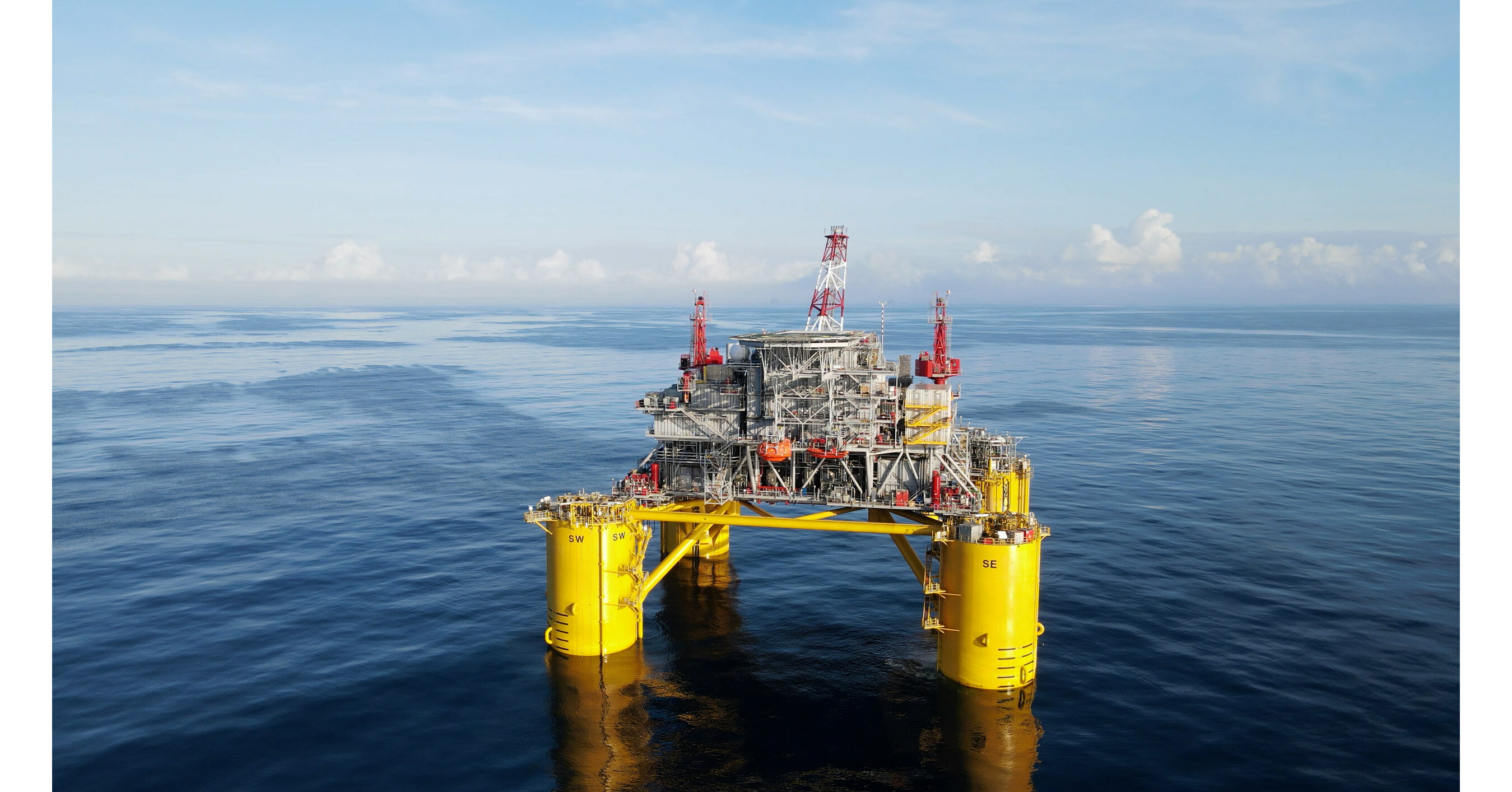
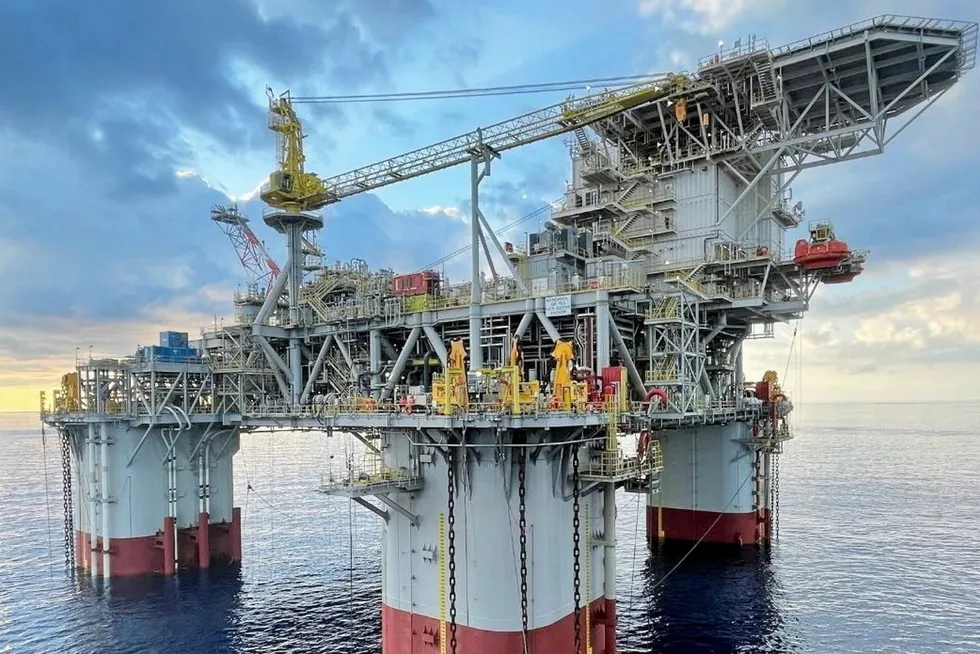
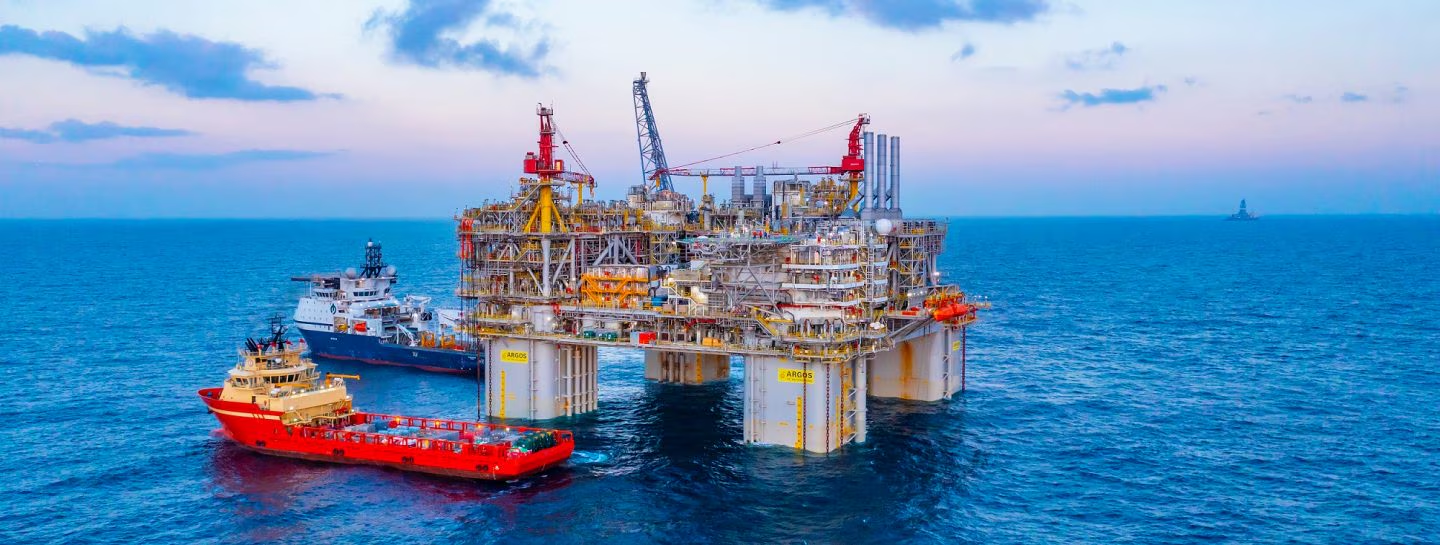
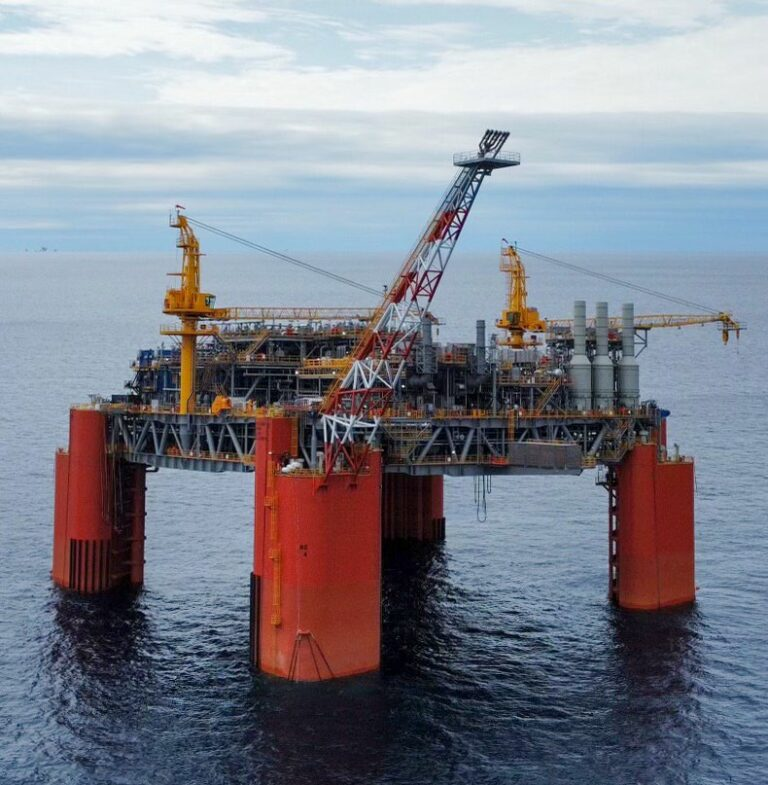
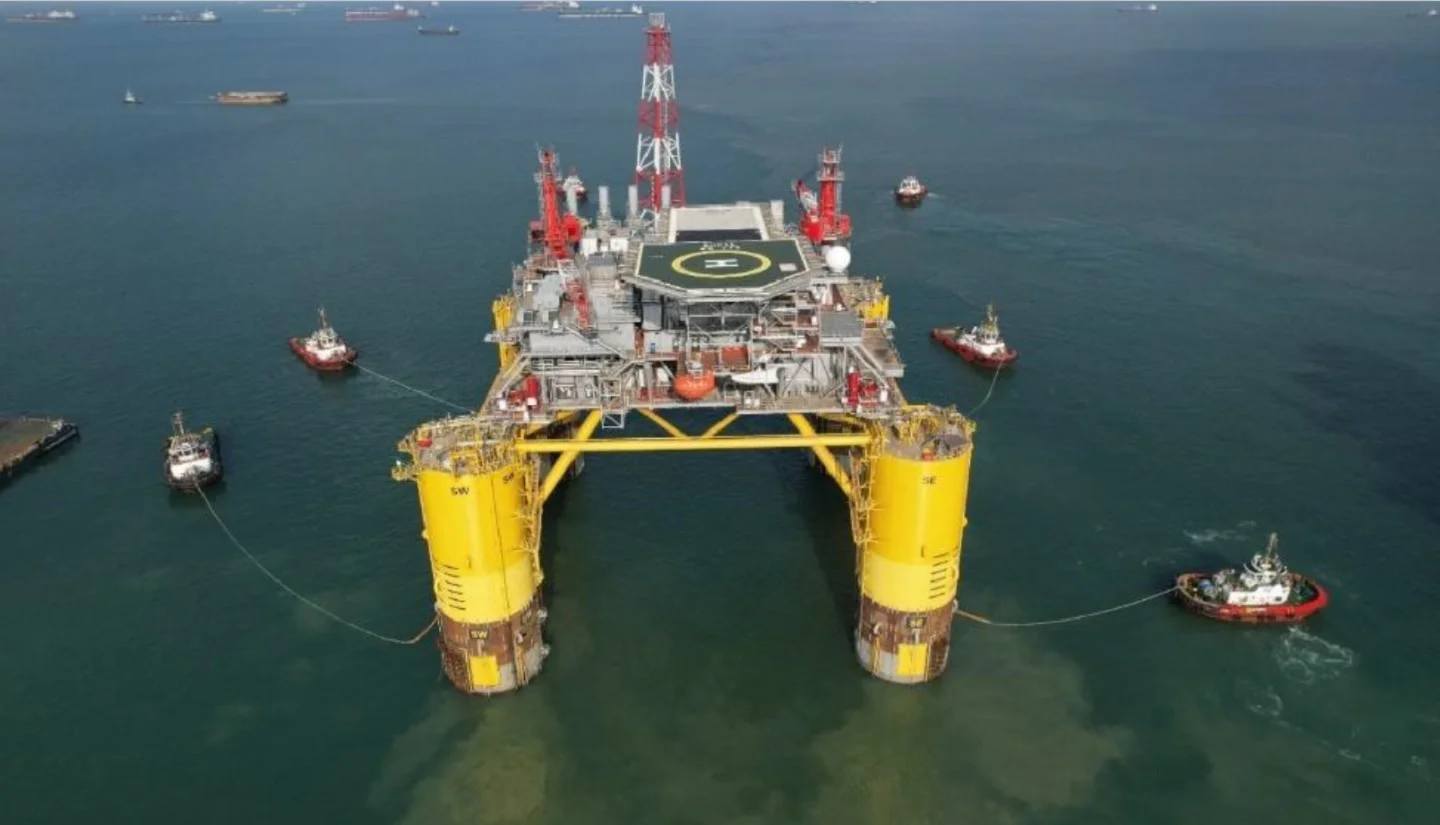
Four of the five simpler, safer, greener deepwater platforms featured on this blog are now producing. The 5th platform (Whale) is on location and scheduled to begin production later this year.

platformoperatorfirst production
King’s QuayMurphyApril 2022
VitoShellFeb 2023
ArgosbpApril 2023
AnchorChevronAug 2024
WhaleShelllate 2024

These platforms are in 4000 to 8600′ of water, are expected to reach peak production rates of 100-150,000 boe/day, and have favorable emissions characteristics on a per barrel basis.

This is all good, but what is next? Will technological advances once again sustain GoM production? The short answer appears to be yes!

The efficiencies achieved with the simpler platform designs combined with the high pressure (>15,000 psi) technology developed over the past 2 decades will facilitate production from the highly prospective Paleogene (Wilcox) deepwater fans. (For those interested in learning more about the geology, see the excellent presentation by Dr. Mike Sweet, Univ. of Texas, that is embedded below.)

Chevron’s Anchor is the first deepwater, high-pressure development. Three similar deepwater hub platforms (table below) will begin production over the next 5 years. These host platforms will also facilitate additional production from nearby fields. Each will have production capacities of approximately 100,000 boe/day. Note the long lead times in achieving first production given the technological issues that had to be evaluated and addressed.

platformoperatordiscovery datefirst production
Kaskidabp20062029
SpartaShell20122028
ShenandoahBeacon20092025

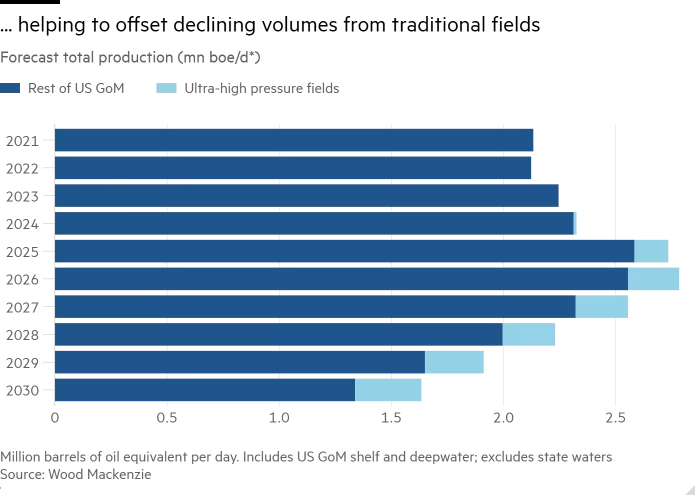
Wood Mackenzie sees these high pressure projects as the key to sustaining GoM production rates. Their projections for 2024 and 2025 seem optimistic based on 2024 YTD data, which adds to the importance of the projected new production.
Related: Movin’ on up to 20,000 psi BOP equipment

Read Full Post »

Winterfell from the water surface (5400′ water depth). The field is produced with subsea wells tied back to Oxy’s Heidelberg platform, which is 13 miles away. Deepwater development is characterized by high energy density and low facility density.

Beacon Offshore Energy (BOE, but not this blog πŸ˜‰) and its partners, all independent producers, have initiated production at the Winterfell project in the Green Canyon area of the Gulf of Mexico. The 3 initial wells are expected to produce 20,000 bbls of oil equivalent (again BOE πŸ˜‰) per day. The Winterfell partners are:

  • Beacon Offshore Energy, operator
  • Kosmos Energy
  • Westlawn Americas Offshore
  • Red Willow Offshore
  • Alta Mar Energy
  • CSL Exploration

Read Full Post »

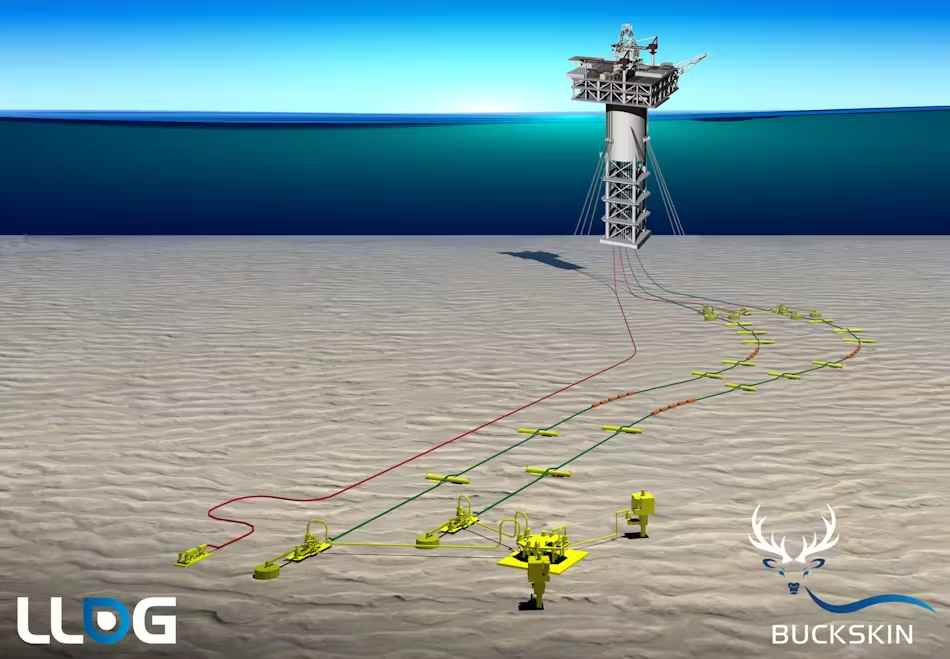
Houston, TX, March 29, 2024. Beacon Offshore Energy LLC (β€œBeacon”) announced today the completion of the divestment of its non-operated interests in certain fields in the deepwater Gulf of Mexico in accordance with a previously executed definitive agreement with GOM 1 Holdings Inc., an affiliate of O.G. Oil & Gas Limited. The divestment includes Beacon’s 18.7% interest in the Buckskin producing field, 17% interest in the Leon development, 16.15% interest in the Castile development, 0.5% interest in the Salamanca FPS/lateral infrastructure, and 32.83% interest in the Sicily discovery.

Beacon

According to BOEM records, GOM 1 HOLDINGS INC, a Delaware company, registered with BOEM effective 3/15/2024. The parent entity, O.G. Oil & Gas Limited, is a privately held E&P company incorporated in 2017 and based in Singapore.

O.G. Oil & Gas Ltd is part of the Ofer Global Group, “a private portfolio of international businesses active in maritime shipping, real estate and hotels, technology, banking, energy and large public investments.”

After a partial takeover by O.G Oil & Gas Limited in 2018, New Zealand Oil and Gas is now 70% owned by the Ofer Global Group. Among other interests, NZ Oil and Gas produces from fields offshore Taranaki, NZ.

Because they are jointly and severally liable for safe operations and decommissioning, minority investors should take a strong interest in safety management and financial assurance. Investors should remember that partners are adversely affected by the mistakes of the operating company. Anadarko and Mitsubishi took a hit following the Macondo blowout. To what extent had they been monitoring bp’s risk and safety management programs for drilling operations?

Read Full Post »