Given the absence of industry and government data on wind turbine incidents, Scotland Against Spin (SAS) has done yeoman’s work in filling the void. SAS gathers information from press reports and official releases. A PDF of the latest SAS update summary (through 2024) is attached. You can view their complete incident compilation (324 pages) here. Kudos to SAS for their diligence.
Be sure to see the introductory text at the top of the attached table. Some key points:
The table includes all documented cases of wind turbine incidents which could be found and confirmed through press reports or official information releases.
SAS believes that this compendium of accident information may be the most comprehensive available anywhere.
SAS believes their table is only the “tip of the iceberg” in terms of numbers of accidents and their frequency:
On 11 March 2011 the Daily Telegraph reported that RenewableUK confirmed that there had been 1500 wind turbine incidents in the UK alone in the previous 5 years.
In July 2019 EnergyVoice and the Press and Journal reported a total of 81 cases where workers had been injured on the UK’s windfarms since 2014. SAS data includes only 15 of these (<19%).
In February 2021, the industry publication Wind Power Engineering and Development admitted to 865 offshore accidents during 2019. SAS data include only 4 of these (<0.5%).
SAS includes other examples supporting their “tip of the iceberg” claim.
Although SAS is committed to reforming the Scottish government’s wind energy policy, their incident data summaries are credible. It’s disappointing that the wind industry is unwilling to publish comprehensive incident data that would help protect lives and the environment, and improve the performance of all participants.
After a zero fatality year in 2023, the first in at least 60 years, Jason Mathews of BSEE advises that one worker was killed during US OCS oil and gas operations in 2024.
The fatality occurred during decommissioning operations on the Helix D/B EPIC HEDRON at Talos Energy’s Ship Shoal Block 225 “D” platform in the Gulf. The platform was to be reefed in Eugene Island Block 276.
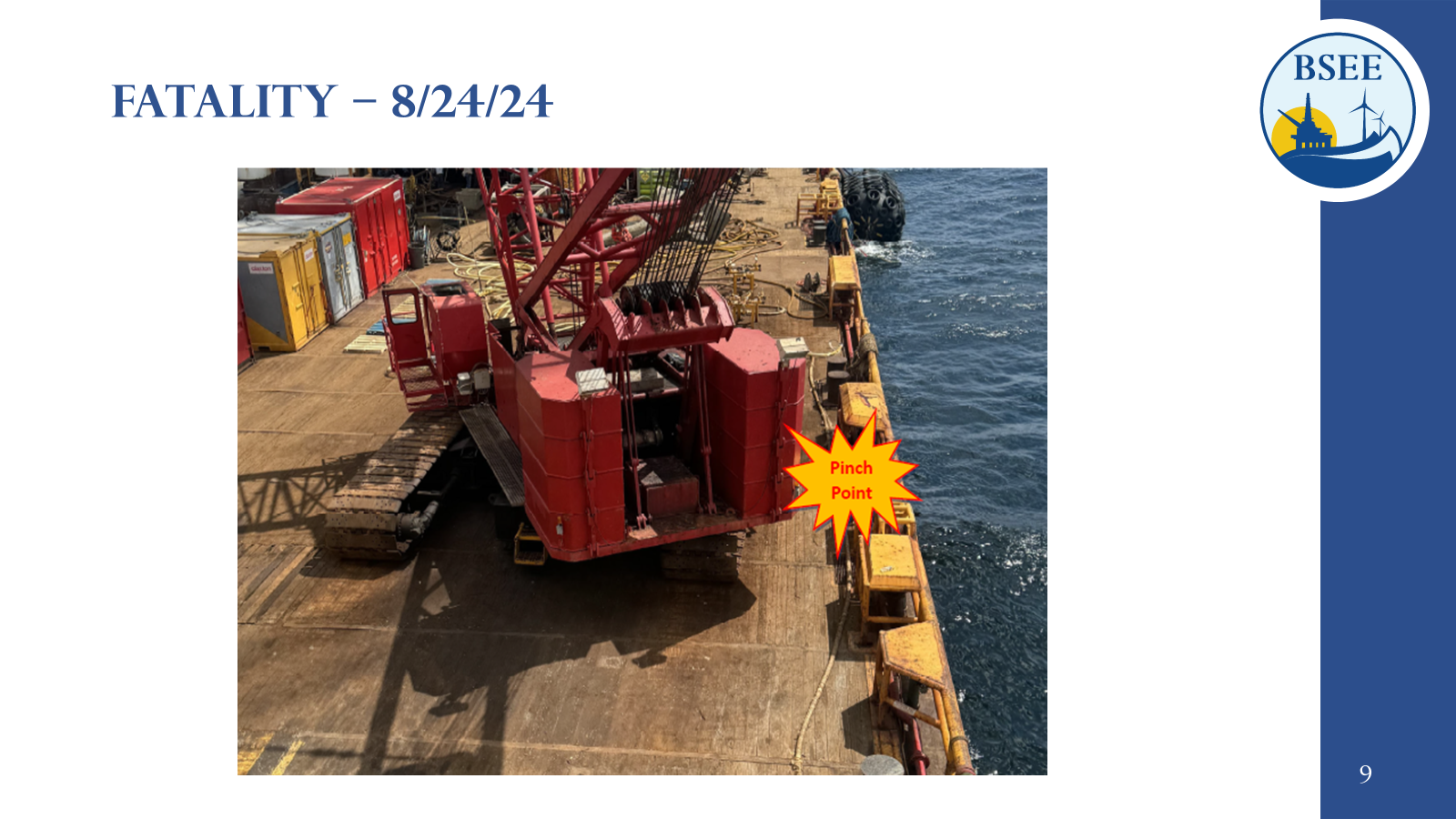
The victim, who worked for Triton Diving Services, was moving hoses on the port side of the barge and got caught between the bulwark and counterweight of the crawler crane (see picture below).
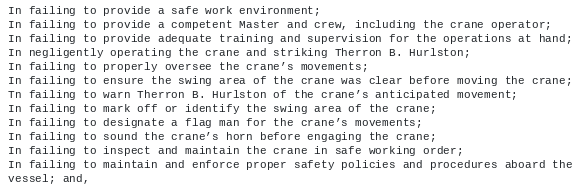
The victim’s family have filed a wrongful death lawsuit against Helix Energy Services and Triton Diving Services. The plaintiffs assert that prior to the crane movement the crane operator and crew had not undertaken measures to assure that the crane’s swing area was clear of other crew members. Per their filing, Triton and Helix were negligent as follows:
As expected, the White House announced the largest ever permanent ban on offshore oil and gas leasing in the US, and to the best of my knowledge, anywhere in the world.
The sheer magnitude of the ban makes other such withdrawals appear modest by comparison. It’s amazing how bold Presidents (and their handlers) become when they are about to leave office.
The permanent ban includes:
The entire Atlantic Outer Continental Shelf (OCS): While there are no current oil and gas leases in the US Atlantic, the region is highly prospective and could contain more than 20 billion barrels of oil equivalent (BOE).
The Eastern Gulf of Mexico: This is the OCS area that many petroleum geologists find most attractive. The best prospects are >100 miles from shore which minimizes coastal risks, and the high natural gas potential aligns with Florida legislation supporting the use of gas for power generation.
The entire Pacific OCS: While the resources are substantial, their loss has been a foregone conclusion for 25 years. When you can’t even decommission old platforms or restore production on important existing facilities (i.e. the Santa Ynez Unit), how can you possibly expect to issue new leases?
The remainder of the OCS offshore western Alaska. The wishes of the majority of Alaskans, who support offshore exploration and development, have been largely ignored for decades.
President-elect Trump has vowed to reverse President Biden’s leasing ban, but that may not be so easy. This is not a matter of simply reversing an executive order. Sec. 12(a) of OCSLA grants the authority to withdraw lands to the President and does not provide for reversal by future Presidents. The attached NYU Law brief concludes that “a subsequent president lacks authority to restore previously withdrawn lands to the federal oil and gas leasing inventory.”
The new Administration will no doubt have a different view than that expressed in the NYU Law brief, but any reversal decision will likely be challenged in court.
Those who wrote and approved Sec. 12(a) should have had more foresight. However, 72 years ago the authors presumably thought Presidents would only use the authority to remove small, especially sensitive areas from leasing consideration, and never thought that a President would remove both of our oceans and much of the Gulf of Mexico!
Congress could of course reverse the Biden bans, but given the complexity of offshore energy issues, such legislation may be difficult to pass.
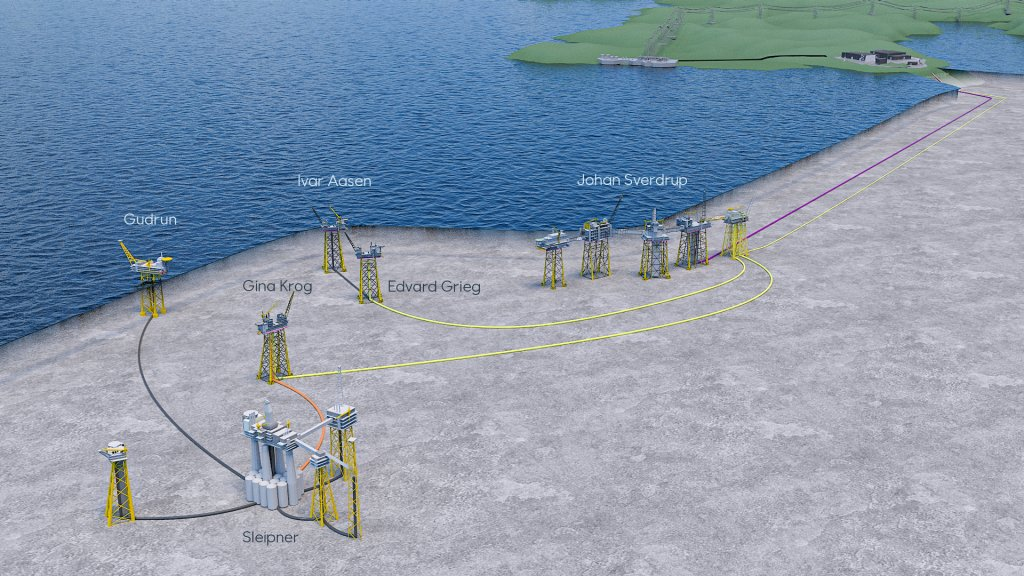
The two ruling parties in Norway want to cut the two power inter-connectors that link the country with Denmark when they come up for renewal in 2026. The smaller coalition party, the Center Party, wants to revisit similar energy links with the UK and Europe.
A related matter is Norway’s push to power offshore platforms with electricity from shore. This policy makes neither economic nor environmental sense, and introduces new safety and operational risks.
This BOE post cites the obvious (per NPD): “The power from shore projects will lead to an increase in electricity prices in Norway.” The post also presents seven other reasons why powering those facilities from shore is not a good idea.
Sec. 12(a) of the Outer Continental Shelf Lands Act (OCSLA, 43 U.S. Code § 1341(a)): “The President of the United States may, from time to time, withdraw from disposition any of the unleased lands of the outer Continental Shelf.”
As previously posted, the Sec. 12(a) authority has been cynically exercised by Presidents from both parties and should be repealed or revised.
Unsurprisingly, there are now reports that President Biden intends to permanently withdraw large areas of the OCS from leasing consideration before he leaves office in 2 weeks. Apparently, the leasing ban will include large segments of the Atlantic, Pacific, and the eastern Gulf of Mexico.
Sec. 12(a) facilitates (encourages?) rash, politically motivated decisions that could have major long-term implications for energy security and the economy, and allows Presidents to ignore the deliberate, multi-phase review and comment process that has been established for making leasing decisions.
Can a President reverse a Sec. 12(a) decision made by a predecessor? That is a massive legal question that has yet to be fully considered by the legal system.
Could legislative action reverse a Sec. 12(a) decision? Yes, but such legislative action would be difficult to enact (just as it would have been difficult for any of the Sec. 12(a) withdrawals to have been enacted legislatively).
Is a revision to Sec. 12(a) being considered? Not that I am aware of. Given that the authority has been exercised by both parties and that strong opposition is likely, a revision would be challenging.
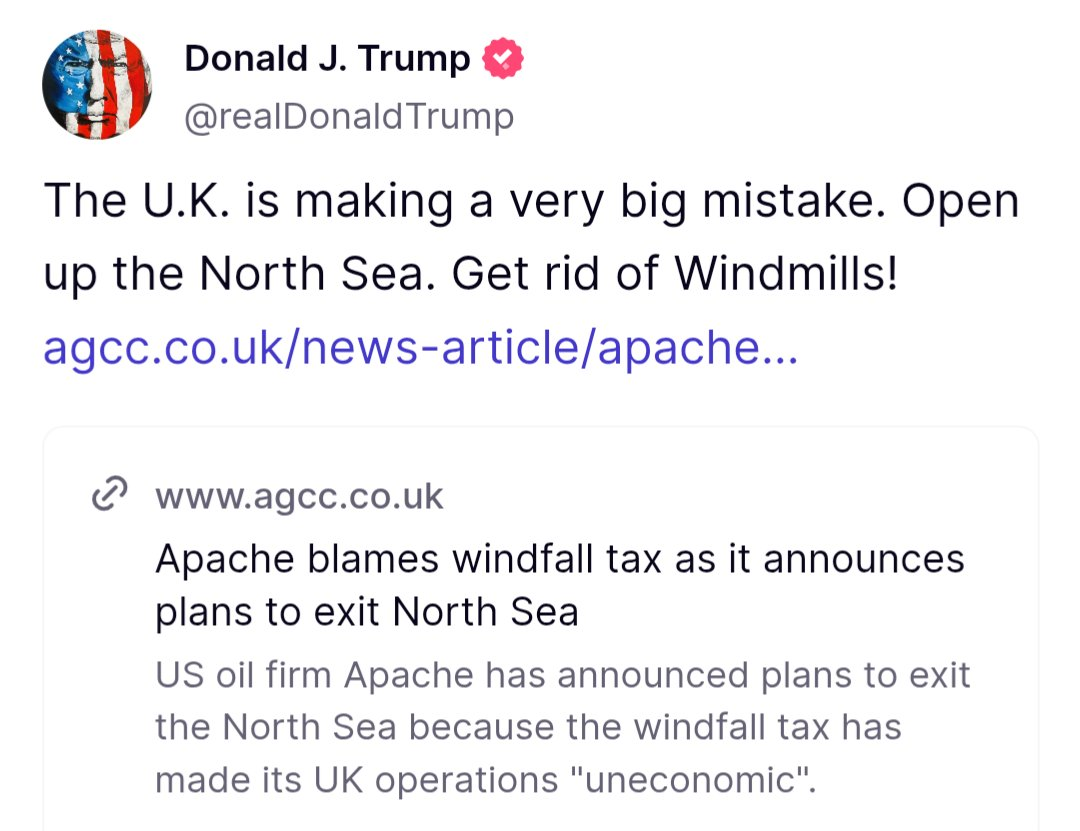
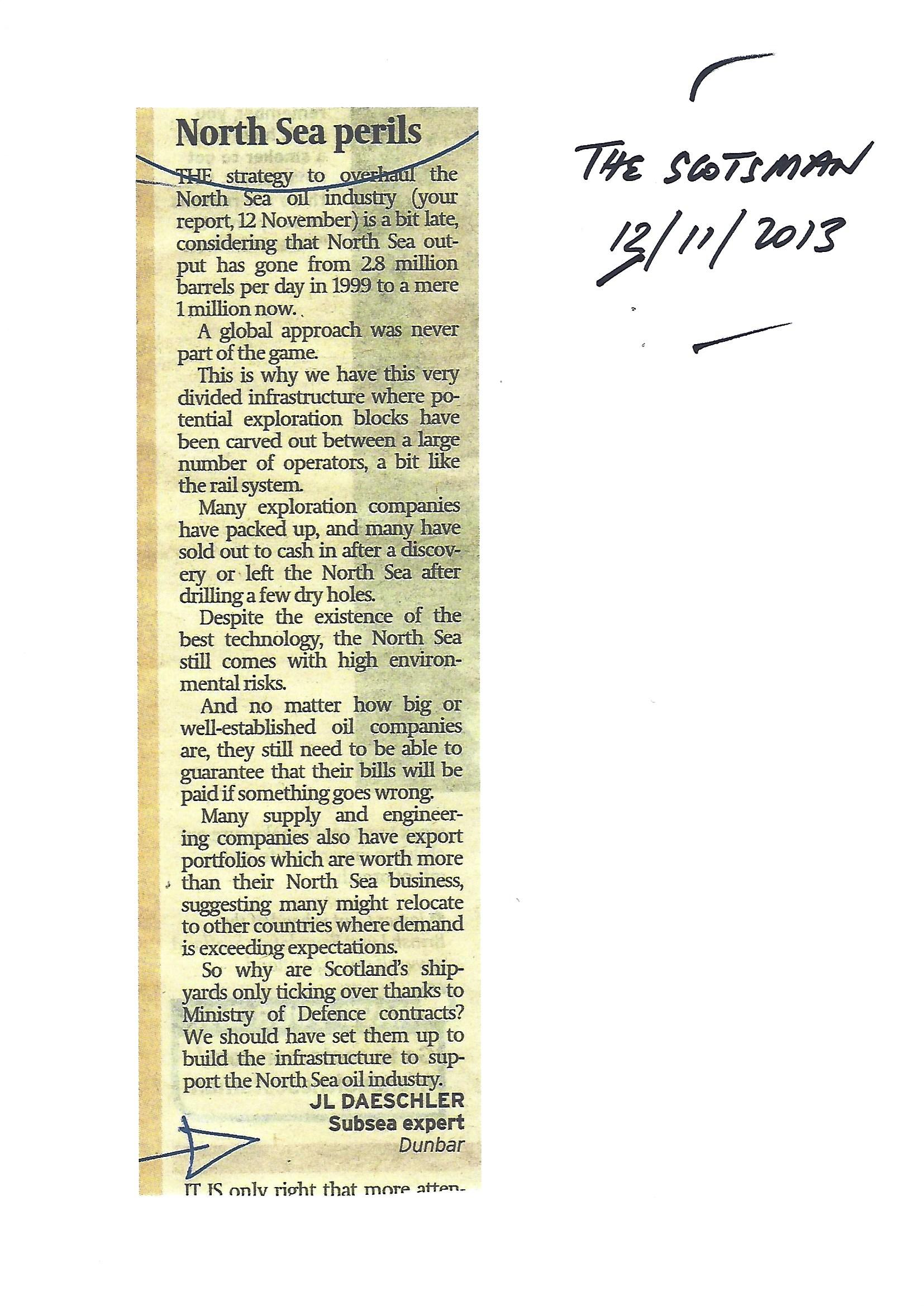
JL Daeschler, a BOE contributor, subsea engineer, and resident of Scotland, warned 11 years ago (see clip below) about the demise of North Sea infrastructure and the exit of important companies. JL now comments as follows:
“We have unfortunately taken down all the support facilities needed to conduct a complete offshore sequence – finding, engineering, and producing – even under a more favorable tax climate. We will have to call on Norway to do anything!”
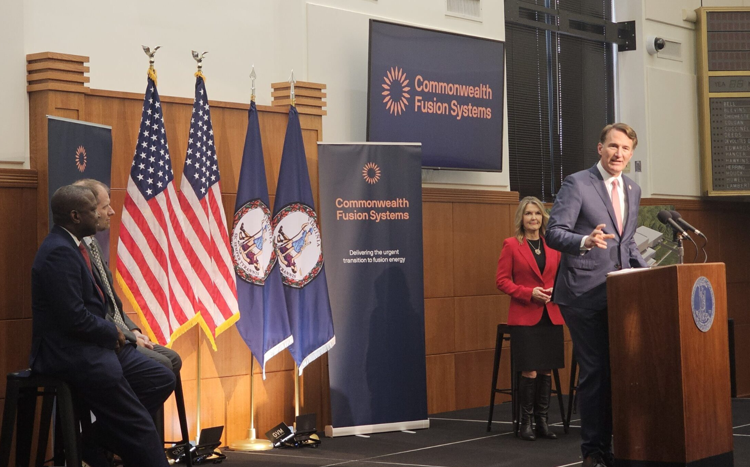
Commonwealth Fusion Systems (CFS) will independently finance, build, own, and operate a grid-scale fusion power plant in Chesterfield County, Virginia.
Dominion Energy will provide non-financial collaboration, including development and technical expertise as well as leasing rights for the proposed site.
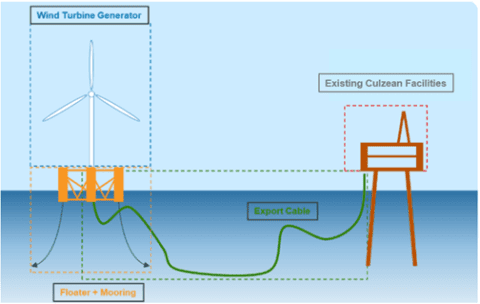
This pioneering plant will generate 400 MW of continuous energy on 25 acres (total site is 100 acres). By comparison, Dominion Energy’s offshore wind project, which will include 176 turbines and 3 offshore substations, will intermittently produce (on average) 1092 MW (2600 MW x 0.42 capacity factor).
Gov. Youngkin emphasized that the project will be financed entirely by CFS, with no costs passed on to Dominion Energy ratepayers. (Good news for us Dominion Energy customers! 😀)
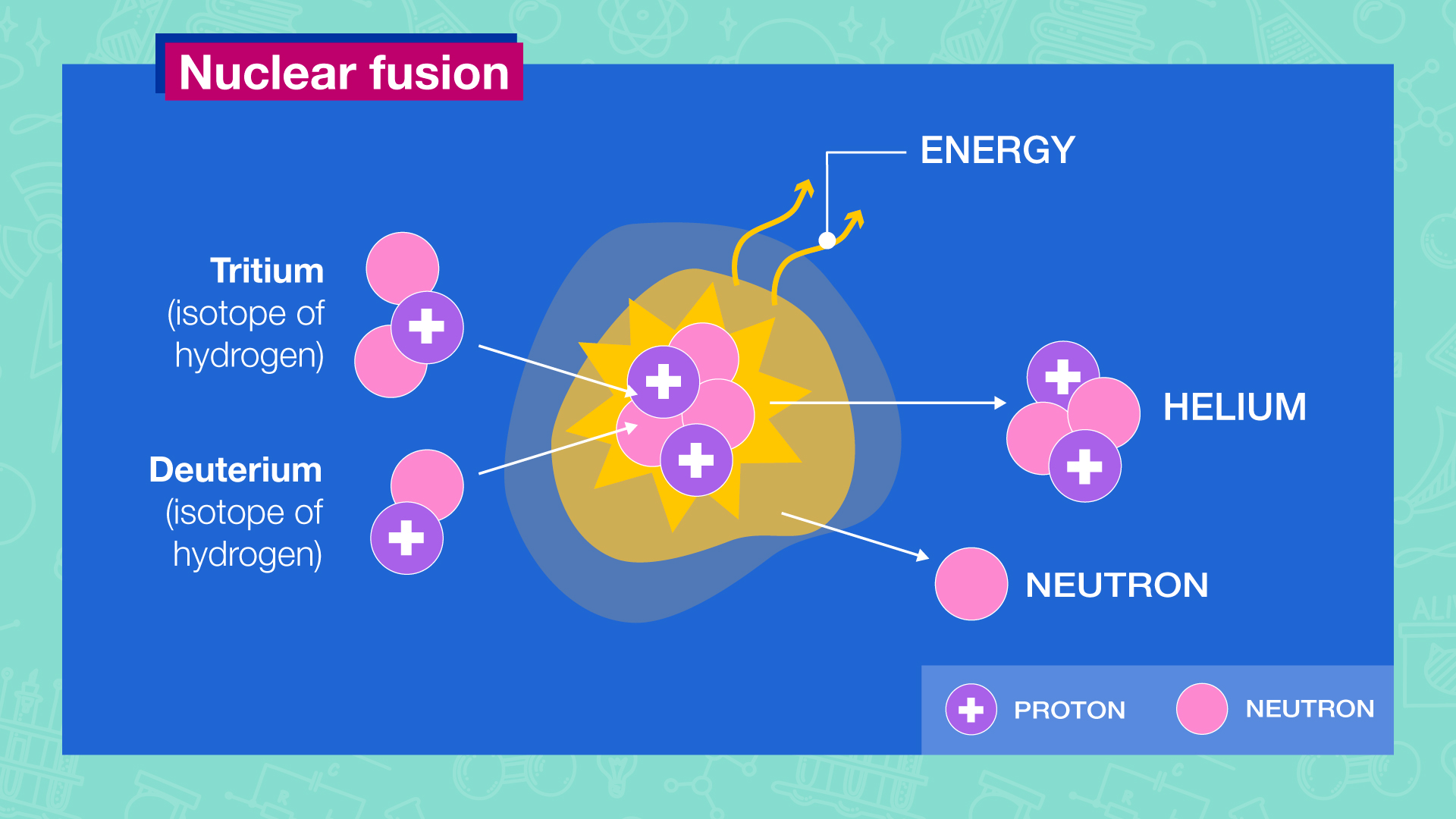
Fusion technology works by combining hydrogen isotopes — deuterium extracted from water and tritium from lithium — under extreme heat and pressure, using powerful magnets to fuse the elements. The process generates heat, which boils water to create steam that spins a turbine, producing electricity. The byproduct is helium.
Why BOE, and most everyone else, likes nuclear fusion:
Clean and sustainable power source.
Unlike traditional nuclear power plants that rely on fission, fusion replicates the energy-producing process of the sun.
Modest space requirements.
Generates four times more energy per kilogram of fuel than fission and nearly four million times more energy than burning oil or coal.
No radioactive waste
Safe energy source; no risk of a meltdown event
Nuclear Regulatory Commission has determined that fusion technology, unlike fission, does not require a federal license.
The implications of advanced nuclear technology, not only the holy grail of fusion energy, but also modular fission reactors, for intermittent wind and solar power are substantial.Ultradeep geothermalis on a similar timeframe, and could also supersede wind and solar.
The logic behind costly offshore wind projects is therefore questionable, and the regulators better make sure that the decommissioning of these facilities is fully funded. The most likely long-term scenario is for natural gas to continue meeting most power generation needs as the nuclear and ultradeep geothermal alternatives are phased in.
More about fusion. Most of you can start at Level 3. 😉
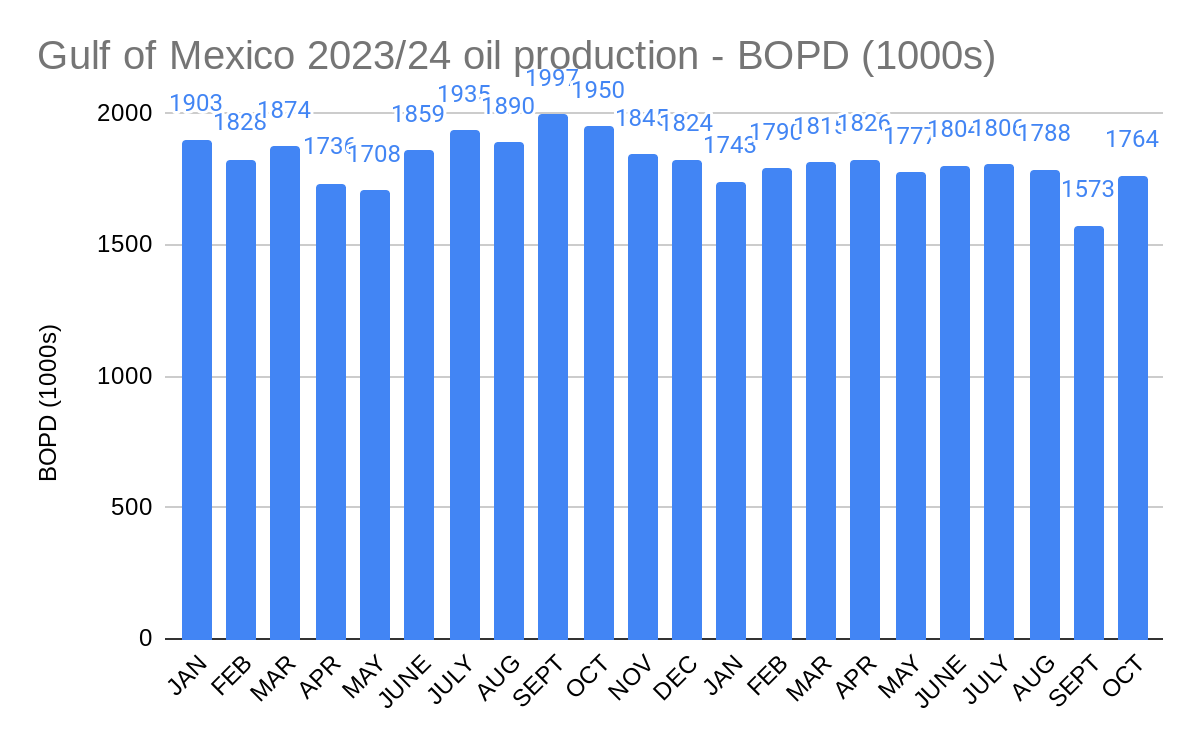
Following the 200,000 bopd decline in Sept. because of Tropical Storms Francine and Helene, Oct. GoM oil production was once again in the normal range for 2024. With the exception of Sept., average 2024 production has been remarkably consistent from month to month.
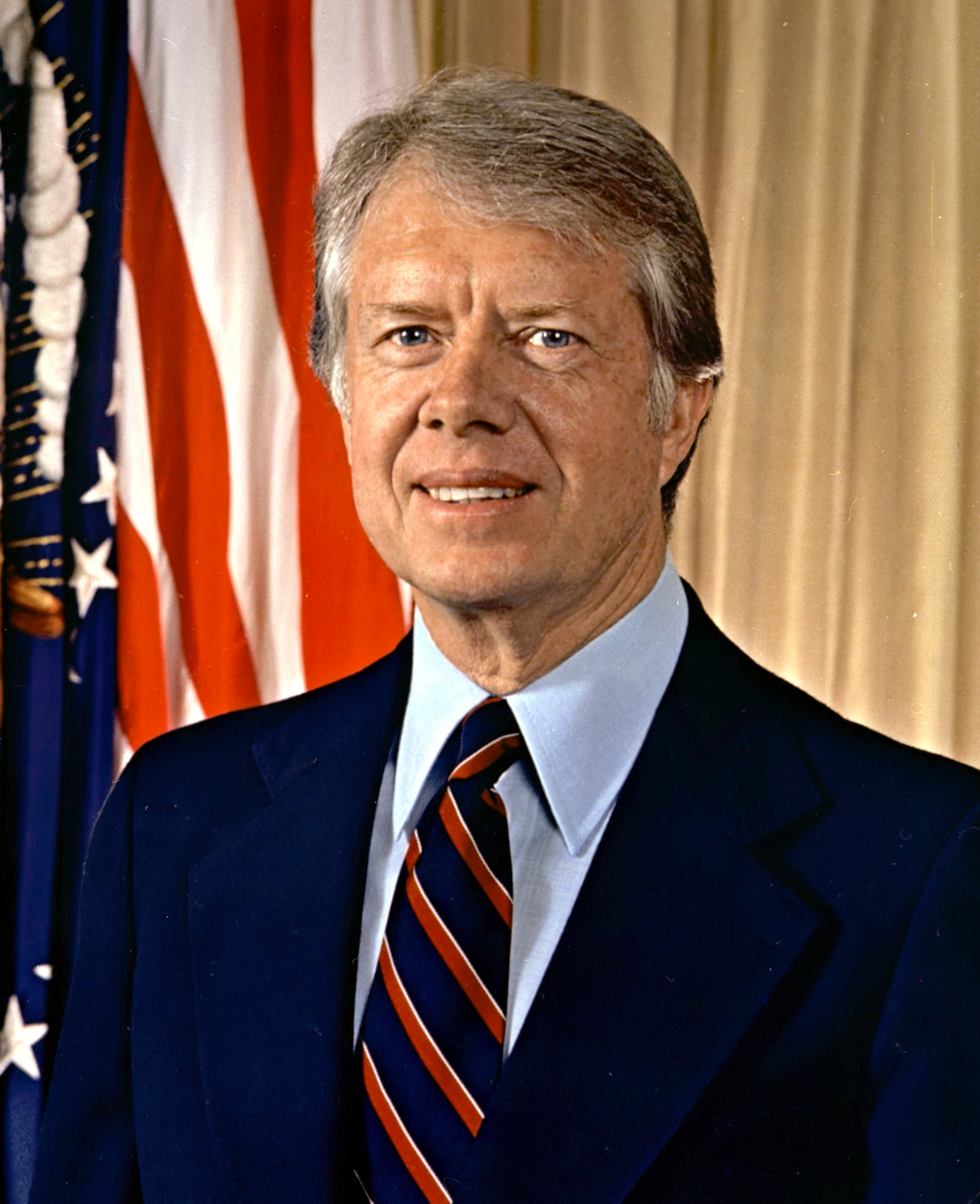
Opinions on Jimmy Carter’s presidency vary, but he merits praise for his administration of the OCS program from 1/1977 to 1/1981. Carter oversaw an active leasing program in all OCS regions. On the operations side, he appointed Don Kash to head the Conservation Division of the US Geological Survey, the OCS regulator at the time. Dr. Kash was an outstanding leader and a gifted communicator and program manager.
Some of the Carter administration’s impressive accomplishments during his 4 year term:
15 lease sales including 3 offshore Alaska, 3 in the Atlantic, and 1 offshore California
Drilling activity in all 4 regions: GoM, Pacific, Alaska, and Atlantic
North, Mid, and South Atlantic District offices for permitting and inspections
5300 well starts including 97 in water depths > 1000′
314 new platforms including Cognac, the world’s first platform in > 1000′ of water
Comprehensive amendments to the OCS Lands Act (1978)
Annual natural gas production reached nearly 5 tcf (approximately 6 times current OCS gas production)
Annual oil production was approximately 1/2 current levels which is impressive given that the deepwater era was just beginning and shelf wells had relatively low productivity.


 Bud's Offshore Energy (BOE)