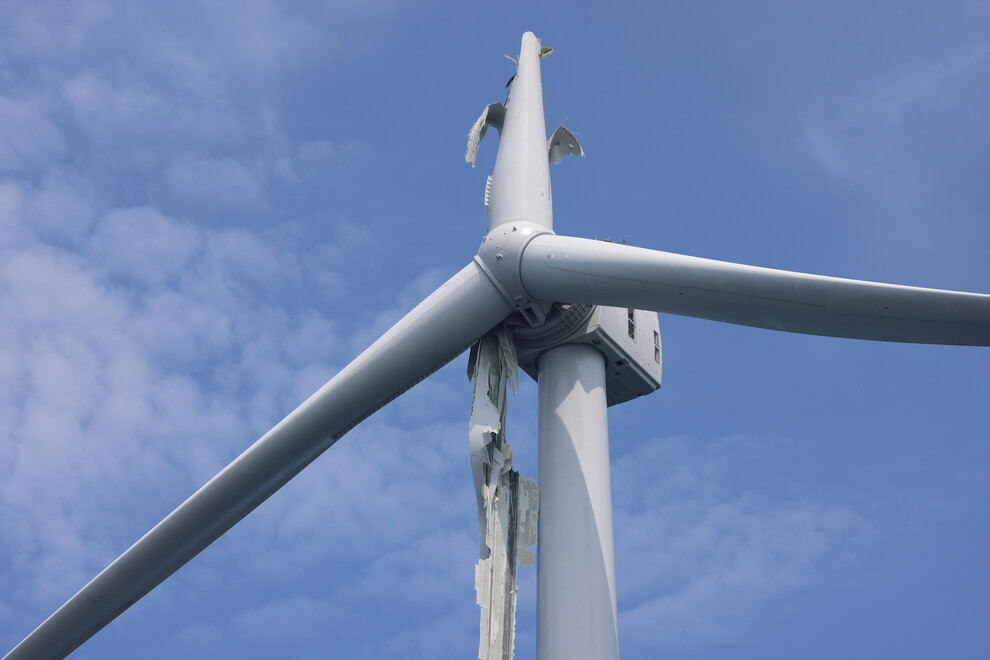
The suspension order for the Vineyard Wind project was lifted on the last business day before the change in Administration and before the completion of the Federal investigation into the blade failure.
The suspension order for the Vineyard Wind project was lifted on the last business day before the change in Administration and before the completion of the Federal investigation into the blade failure.
Posted in accidents, Offshore Wind, Regulation | Tagged blade failure, BSEE, Nantucket, suspension order lifted, Vineyard Wind | Leave a Comment »
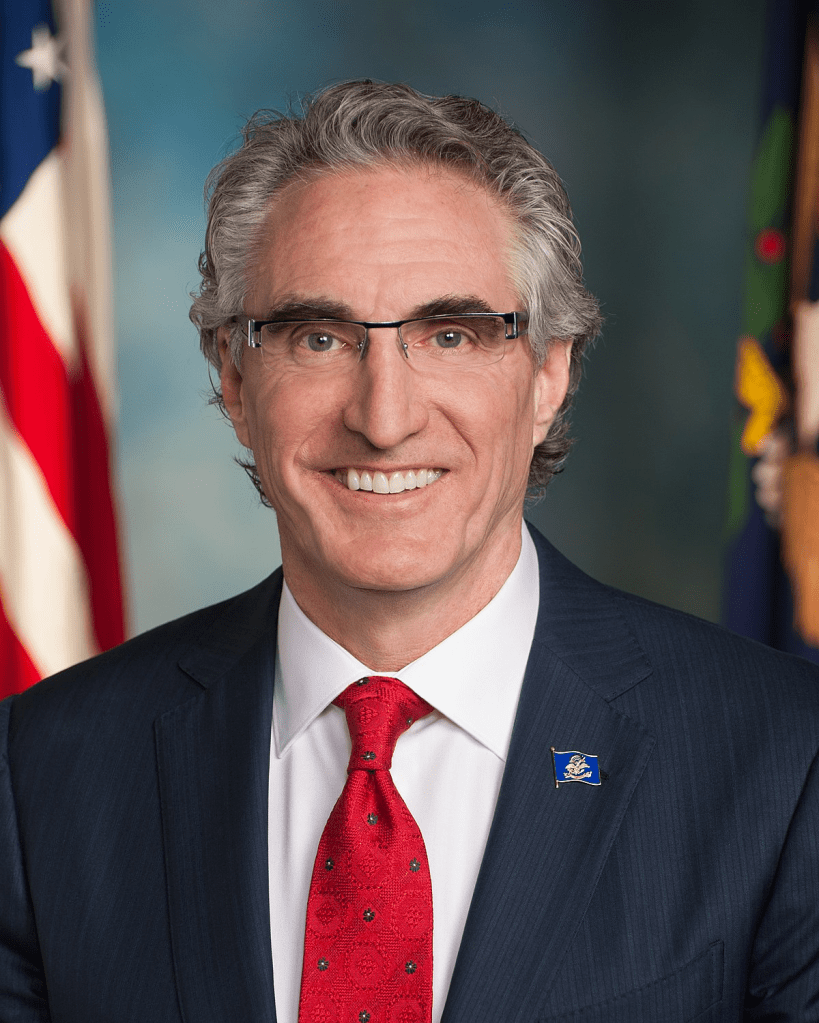
Burgum on offshore oil and gas lease sales: “The fact that during the current administration the lease sales have been so unpredictable and disruptive, and the fact that they’re projecting forward to have among the fewest we’ve ever had, almost would guarantee that we would see a decline in energy production in offshore in the years ahead because of the lead times.”
Posted in energy policy, Offshore Energy - General, Offshore Wind | Tagged confirmation hearing, Doug Burgum, Secretary of the Interior | Leave a Comment »
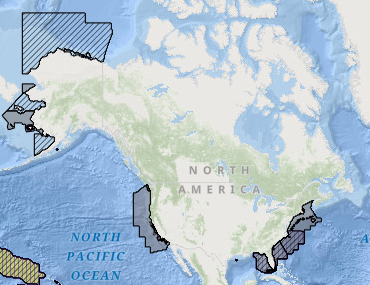
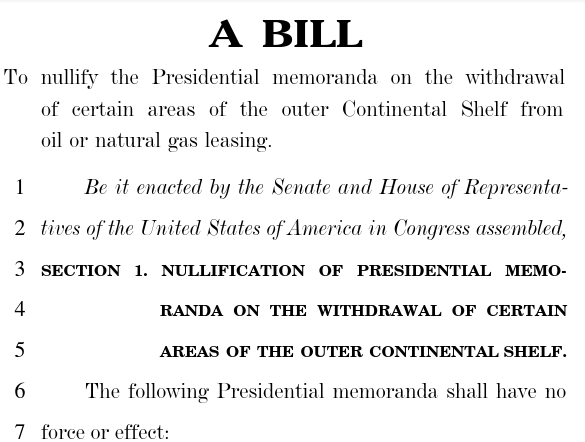
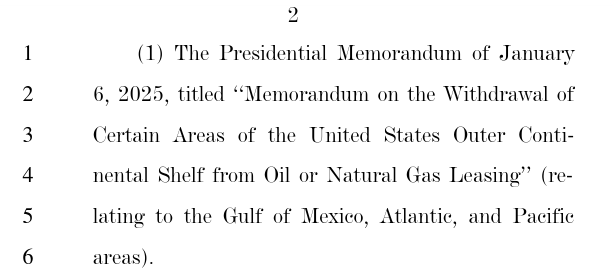
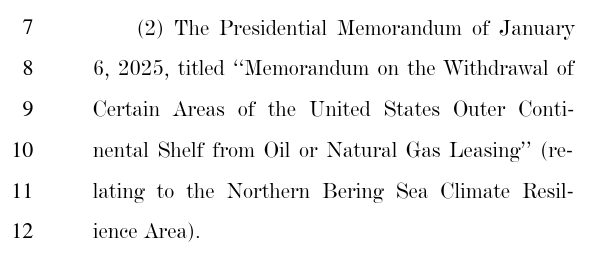
The Cruz-Arrington bill (pasted below), which would reverse the Biden oil and gas leasing bans, raises some interesting political questions:
I suspect that the answer to each question is no, which means the bill will be difficult to pass.
If the bill should pass, President Trump would presumably nullify his own Atlantic and Eastern Gulf withdrawals, which would otherwise remain in effect through 2032.
50 wells were drilled in the Atlantic between 1975 and 1985. The drilling followed the oil embargoes, gas lines, and price surges in the 1970s. Waiting for similar turmoil to overturn the leasing bans would not be prudent given the time that is needed to issue, explore, and develop leases. The optimal approach would be limited, staged leasing to better assess the resource potential in these areas.
Posted in energy policy, Offshore Energy - General | Tagged Atlantic leasing, Cruz Arrington bill, EGOM, Florida, offshore drilling, offshore oil and gas | 3 Comments »
The NTSB has still not issued a final report, which is troubling. However, the detailed Operations Group Factual Report (including attachments) can be accessed in the case docket This and other items in the docket should be of interest to those involved with offshore operations and helicopter safety.
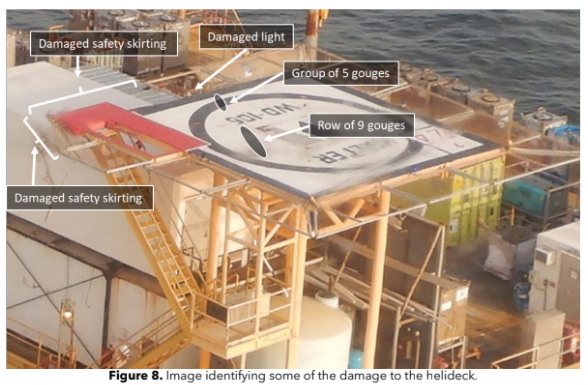
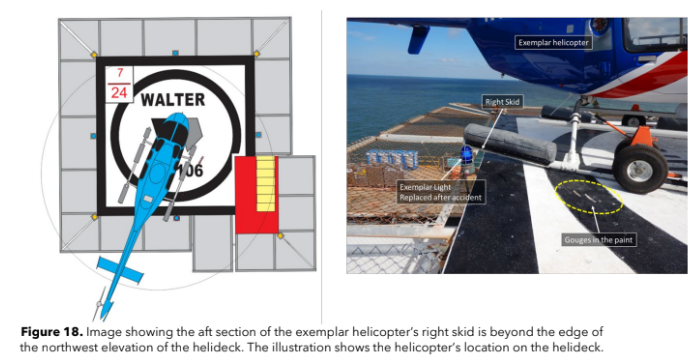
From the factual report, below are graphics showing the helideck damage and assumed final position of the helicopter.
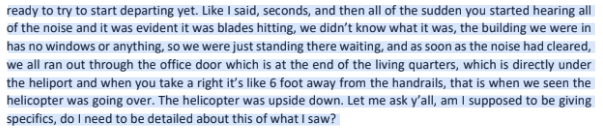
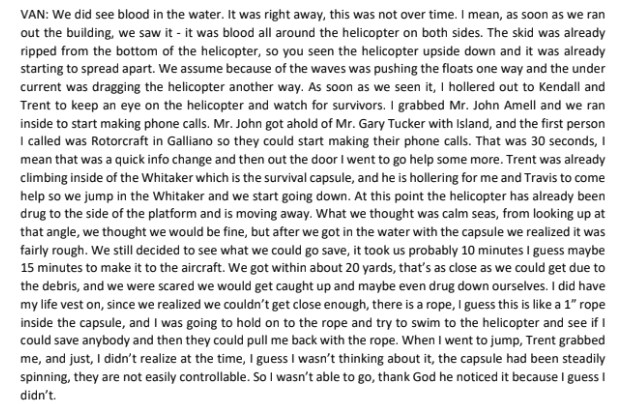
Excerpts from the testimony of a worker at the platform who was part of an attempted search and rescue operation in the platform’s Whitaker escape capsule:

Posted in accidents, Gulf of Mexico, Offshore Energy - General | Tagged 4 fatalities, helicopter crash, helideck safety, NTSB, West Delta 106 | Leave a Comment »
Below is a nice shot of the Stena Carron seen from the Stena DrillMAX offshore Guyana. The DrillMAX returned to Guyana after drilling the high potential Persephone well in the Orphan Basin offshore Newfoundland. Unfortunately, the Orphan Basin well failed to discover commercial hydrocarbons.

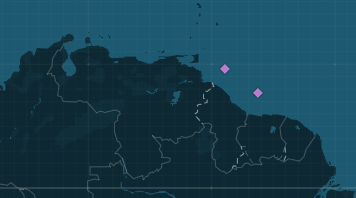
StenaDrilling shows the current locations of the 2 drillships. The DrillMAX is northwest of the Carron.
Posted in drilling, Guyana, Offshore Energy - General | Tagged Guyana, OilNow, Stena Carron, Stena Drillmax | Leave a Comment »
“Most investors see Chevron and Hess emerging as victors in the case, Goldman analyst Neil Mehta said in an interview.”
This is consistent with the opinion previously expressed on this blog. How does a partner in a single Hess asset prevent Chevron from acquiring the entire company?
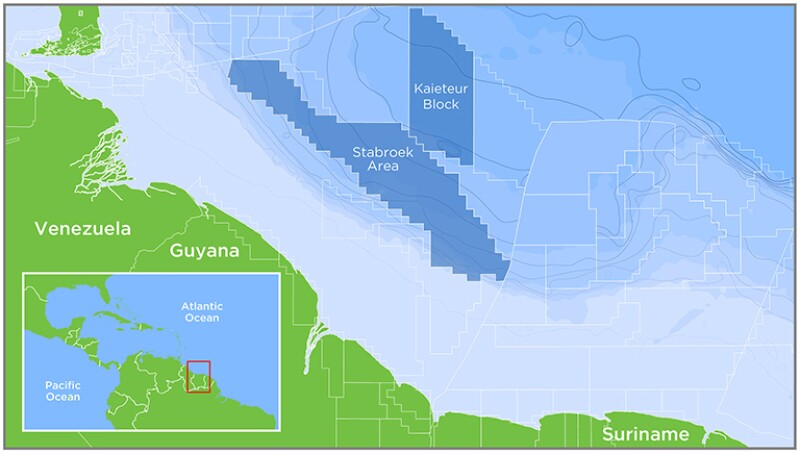
Chevron is not buying the Stabroek share; they are buying the company that holds that share. Hess is to be part of Chevron and there would be no change of control from the standpoint of the partnership.
As an offshore operator, Exxon has been highly responsible from a safety standpoint. However, the company is not reluctant to stretch the envelope when it comes to contract rights. The most recent example was their acquisition of 163 GoM oil and gas leases for carbon disposal purposes, contrary to the terms of the sale notice and lease contracts.
Interestingly, Exxon’s partner in this dispute is state-owned China National Offshore Oil Corporation. CNOOC acquired their 25% Stabroek share when they purchased Nexen, a Canadian company (sound familiar?). Both the Canadian and US governments had reservations about this acquisition and nearly nixed the deal. Would either government bless that acquisition today?
An International Chamber of Commerce arbitration panel will hear the Stabroek case in May 2025, and the final decision is expected by September 2025.
Posted in Guyana, Offshore Energy - General | Tagged arbitration, Chevron, dispute, Exxon, Guyana, Hess, ICC, Nexen, Stabroek | Leave a Comment »
This confirms the second-hand information previously posted. The discussions and debate during the wind program review should be lively!
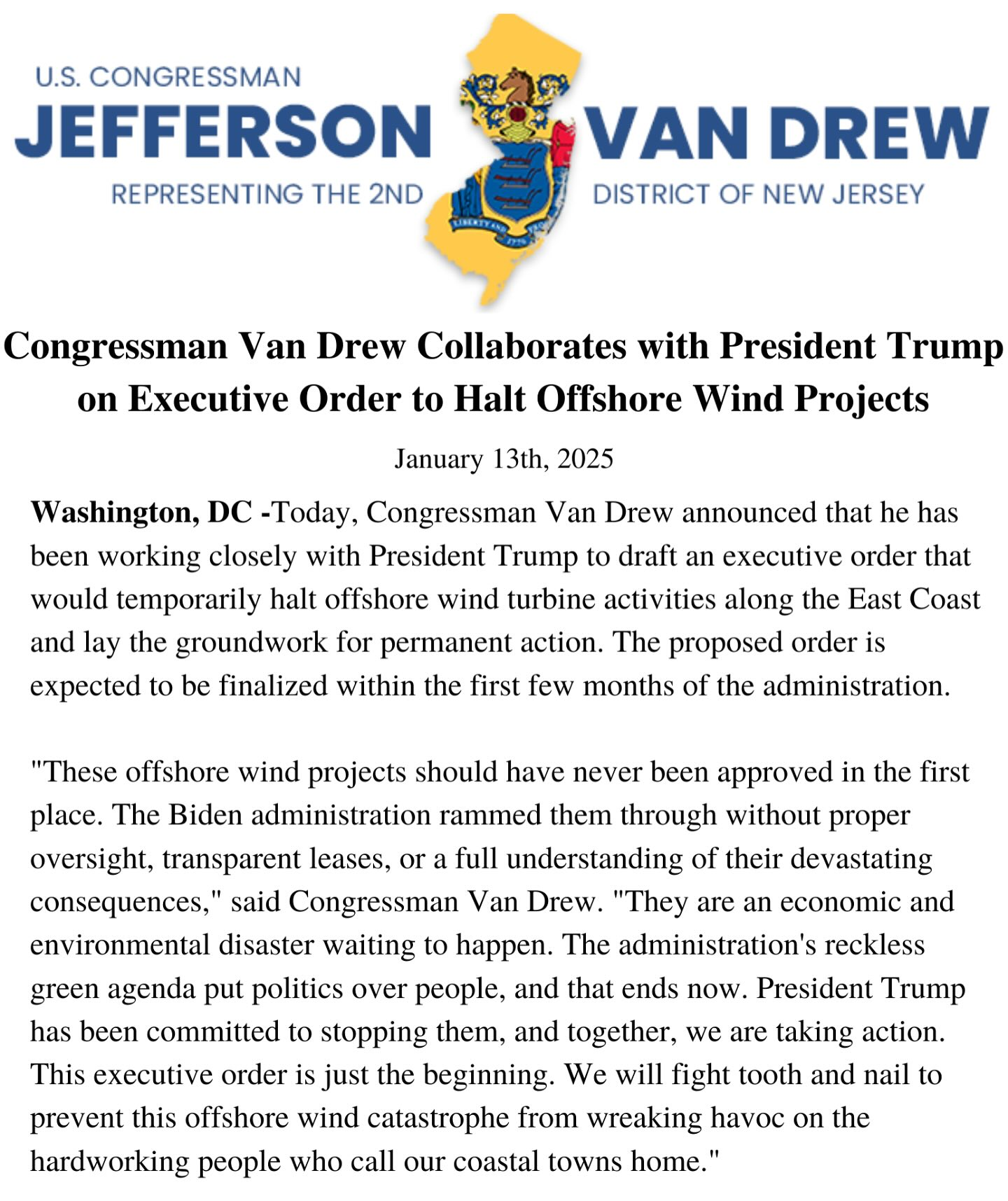
Posted in energy policy, Offshore Wind | Tagged Atlantic wind, Jeff Van Drew, Offshore Wind, pause, wind program review | Leave a Comment »
The U.S. Supreme Court has declined to hear the challenge of the Vineyard Wind project brought by the Nantucket-based nonprofit ACK For Whales. This is not surprising given that the odds of the SCOTUS hearing the case were extremely low, tantamount to the completion of a “Hail Mary” pass.
Perhaps Nantucket should have added Jayden Daniels to their team! 😉
Although the SCOTUS declined to hear their challenge, the Nantucket group may still achieve their objective, at least in part, given the looming changes in Federal policy and the financial and operational challenges facing the offshore wind industry.
Posted in energy policy, Offshore Wind | Tagged Ack for Whales, Hail Mary, Jayden Daniels, Nantucket, SCOTUS, Vineyard Wind | Leave a Comment »

Katherine (Kate) MacGregor has been appointed Deputy Secretary of the Interior, the position she held under the previous Trump administration. She was highly regarded by DOI staff and advocates for responsible offshore energy development.
DOI is the most important Federal department from the standpoint of energy production on Federal offshore and onshore lands.
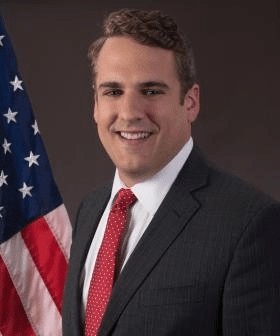
Also important from a policy perspective is the appointment of James Danly as Deputy Secretary of Energy. Danly is a former Army officer and Chairman of the Federal Energy Regulatory Commission
Posted in energy policy, Offshore Energy - General | Tagged Deputy Secretary, Energy Dept., James Danly, Katharine MacGregor, offshore energy, US Dept. of the Interior | Leave a Comment »
 Bud's Offshore Energy (BOE)
Outstanding non-political Keith Morrison commentary on the LA fires
January 13, 2025 by offshoreenergy
Posted in California, Uncategorized | Tagged commentary, Keith Morrison, LA fires | Leave a Comment »