Feeds:
Posts
Comments

Archive for the ‘Norway’ Category

The Petroleum Safety Authority Norway (PSA) has initiated an investigation following an incident in connection with a lifting operation on the Gullfaks A facility on 28 February 2011.

See the full PSA announcement

Comment: PSA is applauded for their transparency in reporting accidents. When every regulator, operator, and contractor routinely posts accident information on their home page, we will have made a major step forward in collectively improving the safety culture and preventing future incidents.

Read Full Post »

Magne Ognedal

It’s impossible to inspect quality into the petroleum industry.  The latter must itself ensure quality. Magne Ognedal, Director General, Petroleum Safety Authority Norway

More thoughts from Magne:

Understanding risk is central here. We must all recognise first and foremost that the petroleum industry involves risk – just like any other activity.

However, accepting risk does not mean accepting accidents, he emphasises. “Quite the contrary. But we must constantly remind ourselves that accidents have happened – and can happen again.

“The risk of a major accident is present, in Norway and in all other nations with an oil and gas industry. This means that incidents will occur.

“Risk must accordingly be managed, with clear management responsibility, at every level and in every company which participates in the industry.”

Preventive measures can be a challenge, Mr Ognedal concedes, because they require that action is taken – often at a cost – without a disaster or other accident having occurred.

“However, history offers many examples where extensive measures are adopted after disasters. Companies in the petroleum business should consciously ask whether it would not be far better to have an established system which means that preventive measures based on learning, new technology and so forth are implemented, in order to be able to prevent accidents and disasters.

PSA Announcement

Safety – Status and Signals: This is a great publication – highly creative,  easy to read and understand, very current, and loaded with good information. Check it out!

Read Full Post »

Noise Matters

In addition to managing the catastrophic risks associated with fires, explosions, and structural failures, chronic health and safety risks must also be effectively managed.  Hearing loss is one such risk, and PSA Norway has challenged industry to minimize the effects of noise on the health of offshore workers.
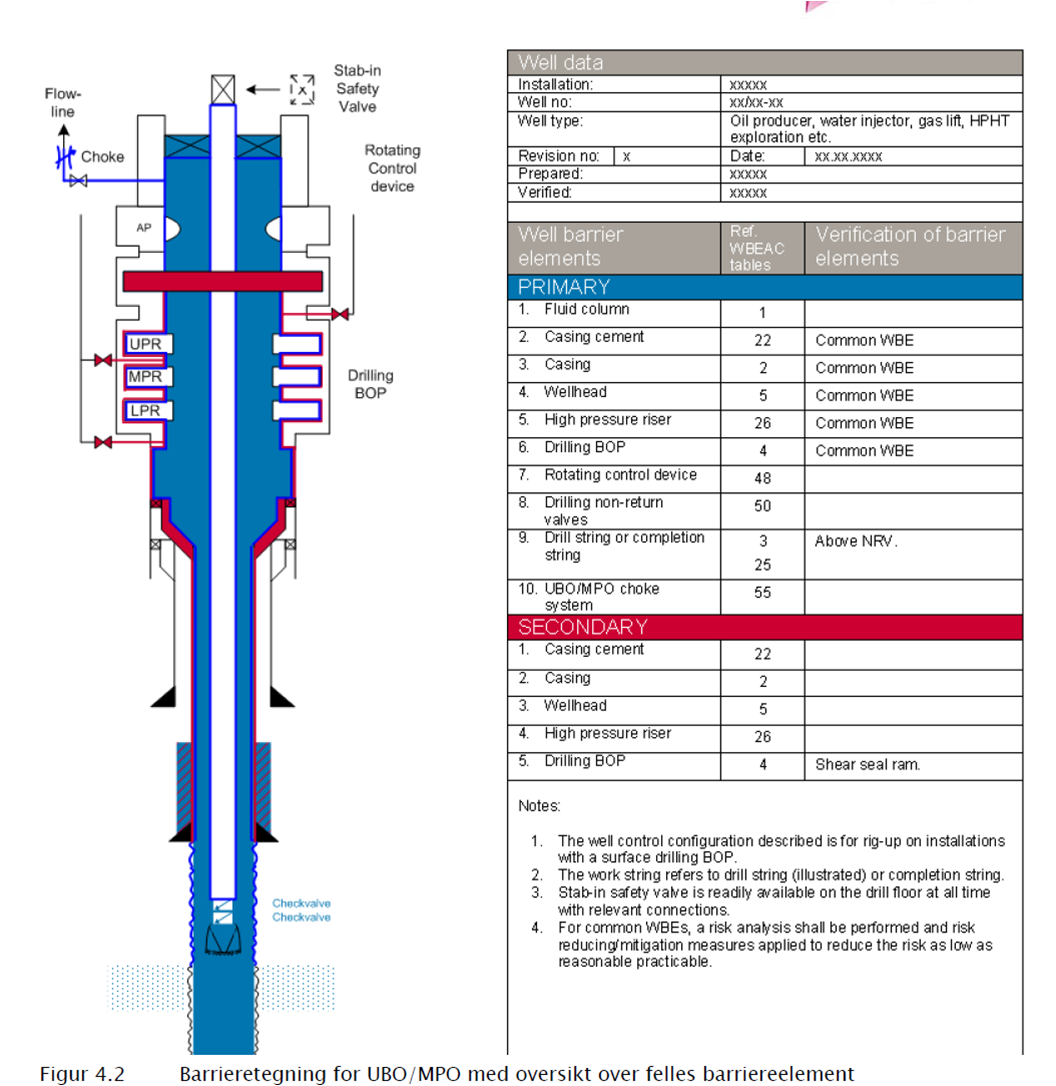
The risk level in the Norwegian petroleum activities (RNNP) shows a relatively high number of noise injuries. These are chronic injuries that will worsen with age. The RNNP questionnaire survey shows that 37 per cent state that they quite often/very often/always suffer from a high noise level. Five per cent state that they suffer some or quite a lot from impaired hearing, and 45 per cent of them believe noise in the working environment is the reason for their impaired hearing.

Click here to view the article, presentation, and recorded seminar.

Read Full Post »

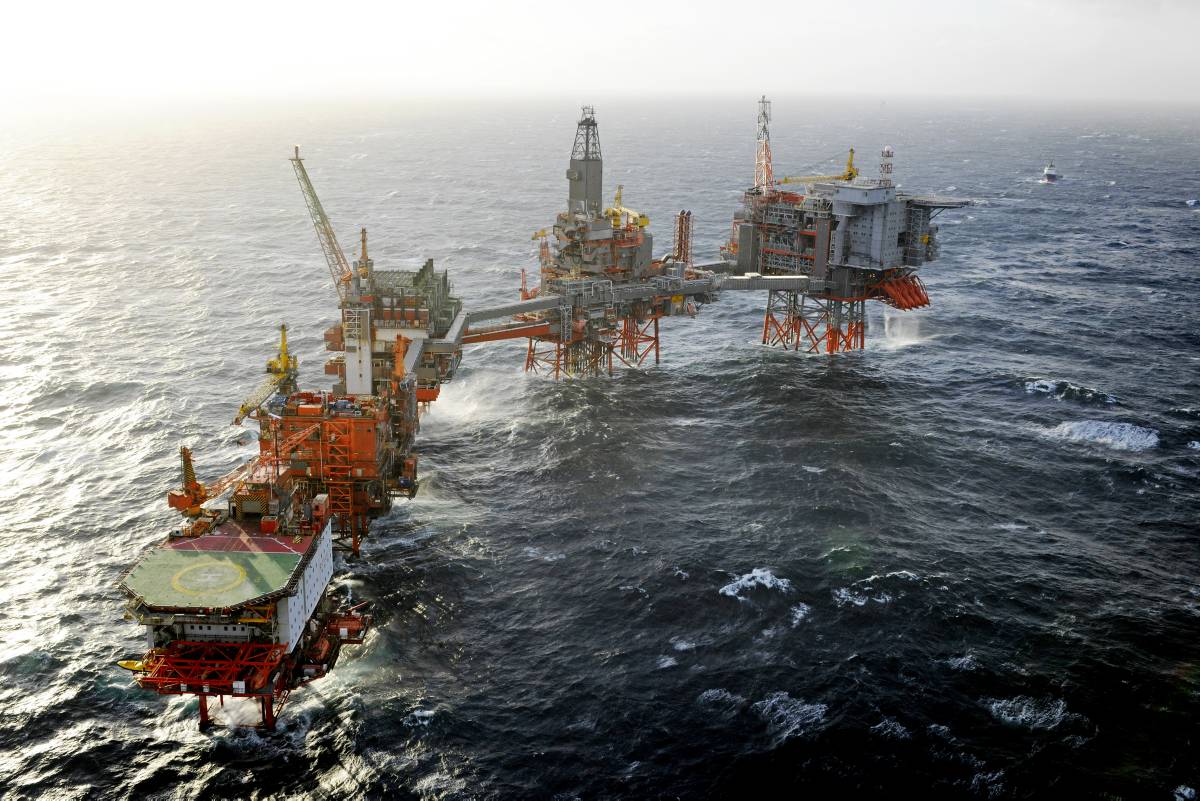
Valhall Field with new PH facility (from psa.no)

The Petroleum Safety Authority Norway has consented to BP Norge’s use of the new Valhall PH platform as a living quarters facility.

BP will use the living quarters module on Valhall PH until the entire facility is ready for start-up/use. This will provide greater bed capacity and flexibility during the preparations for start-up.

Read Full Post »

On 9 November 2010, the Petroleum Safety Authority Norway (PSA) conducted an audit of BP Norge’s follow-up of new work processes within drilling and well activities using information and communication technology (ICT)

summary of the audit

Read Full Post »

The updated Norwegian health, safety, and environmental regulations, effective 1 January 2011, are now available online. This includes applicable regulations that other Norwegian authorities (in addition to PSA) oversee.

Read Full Post »

The Petroleum Safety Authority of Norway has commented on Statoil’s report on the well control incident at Gullfaks C:

The PSA regards the incident as very serious. It involved the lengthy loss of a barrier. Only chance averted a sub-surface blowout and/or explosion, and prevented the incident from developing into a major accident.

PSA had directed Statoil to do the following:

  1. To review and assess compliance with the work processes established to safeguard the quality and robustness of the well construction process on Gullfaks. This must include an investigation of why important deficiencies were not picked up during the work. Necessary improvement measures related to the work processes and their use must be identified and implemented.
  2. To conduct an independent assessment of why measures adopted after earlier incidents, including the gas blowout on Snorre A in 2004 with similar causes, have not had the desired effect on Gullfaks. Based on the results of this work, the company must assess the need for and implement new and tailored improvement measures on Gullfaks.
  3. To assess the results of the work done under items 1 and 2 and – on that basis – implement measures in the rest of the company.
  4. To prepare a binding plan for the way this work is to be executed and followed up. This plan must be submitted to the PSA.

Read Full Post »

Yesterday, I was fortunate to receive a copy of Bjørn Vidar Lerøen’s excellent book “Drops of Black Gold” which chronicles the history of Statoil and Norwegian offshore oil and gas development.  Of particular interest was a letter on page 17 of the book (not available online) that I had heard about but hadn’t seen. The letter, dated October 29, 1962, is from Phillips Petroleum to the chairman of a Norwegian government committee considering offshore oil and gas exploration.

Phillips’ request is quoted below.  You have to give  Phillips high marks for taking an aggressive negotiating position (or was it pure chutzpah?).  No small lease blocks for them.  Phillips asked for the whole Norwegian shelf including any future additions! And what would they offer in return – a seismic survey program costing an estimated $1 million.

We have reason for believing that the geologic basin in which large reserves of natural gas have been discovered in Holland may be extended northward into the Norwegian portion of the North Sea. Therefore, Phillips Petroleum Company is interested in obtaining from the Norwegian government an oil and gas concession covering the lands lying beneath the territorial waters of Norway plus that portion of the continental shelf lying beneath the North Sea which may now or in the future belong to or be under the control of Norway.

Read Full Post »

This week I read two pioneering PSA publications: HSE and Culture and Thought Processes.  In January 2002, Norway became the first offshore petroleum regulator to require that companies have a sound health, safety, and environmental culture. The purpose of the two publications was to help industry better understand the concept of HSE and Culture and the goals of the regulation. I recommend that you take a few moments and  take a look at the publications.

Excerpt from HSE and Culture:

Organisations with a sound HSE culture are characterised by the ability to learn, and constantly question their own practice and patterns of interaction. Informed organisations accommodate dialogue and critical reflection on their own practices. People respect each other’s expertise and are willing to share and furtherdevelop their HSE knowledge.

Excerpt from Thought Processes

Vulnerability deals with the relationship between cause and effect. A vulnerable system can be completely disabled – permanently – by a single non-conformance or a series of errors. That sounds dramatic, and fairly unlikely. But it has happened:

• Alexander L Kielland flotel
• P-36 floating platform
• Piper Alpha platform
•Sleipner A GBS

And it can happen again. Because vulnerability begins in the brain. When things are going well, people easily become over-confident. Traditional constraints are challenged and established practices rejected. The consequences spread to the rest of the production system in the formof untried technology, complex solutions, faster execution times and narrower safety margins.

Read Full Post »

With all the discussion about risk management, what should government and industry be doing to identify and address potential weaknesses in drilling and production systems?  A good place to start would be to review the reports that have been prepared by the Petroleum Safety Authority – Norway (PSA) for the past ten years. These reports use a variety of indicators to assess safety risks on the Norwegian Continental Shelf. Torleif Husebo presented a summary of PSA’s risk program at the Vancouver conference. The full text of their latest report can be viewed here.

As was noted in Vancouver, we need to continue to develop and assess new indicators for possible use in risk management programs.

According to PSA:

No single indicator can pick up all relevant aspects of risk. Developments are accordingly measured by utilising a number of relevant indicators and methods, such as the collection and analysis of incident indicators and barrier data, interviews with key informants and a major questionnaire survey every other year.

Risk management is complex and there is no cookbook.  Technological, human, organizational, and procedural factors must all be considered, and everyone needs to be engaged.

Read Full Post »

« Newer Posts - Older Posts »