…. and gets slammed. 😁
Archive for the ‘Guyana’ Category
Smug BBC reporter tries to lecture the President of Guyana on climate change ….
Posted in climate, Guyana, tagged BBC, climate change, President of Guyana on April 1, 2024| Leave a Comment »
How China became a factor in the Stabroek (Guyana) dispute
Posted in Canada, energy policy, Guyana, Offshore Energy - General, tagged CNOOC, Exxon, Guyana, Hess, Nexen, Shell, Stabroek Block on March 25, 2024| 4 Comments »

State-owned Chinese National Offshore Oil Corp. (CNOOC) has now joined Exxon in filing an arbitration claim to establish their right over Hess’s share of the prolific Stabroek block offshore Guyana. How did CNOOC acquire its 25% share in the block?
- In 1999, Exxon signed a Production Sharing Contract with Guyana.
- Shell was Exxon’s original partner in the block. However, because of poor results from past wells and concerns about territorial disputes with Venezuela and Suriname, Shell relinquished its share.
- Interest in sharing the Stabroek exploration risk was limited, but Hess and Nexen agreed to participate with 30% and 25% shares respectively.
- In what Forbes called “just the beginning of the great American oil and gas grab,” CNOOC sought to acquire Nexen (Canada) in 2012.
- Both the Canadian and US governments expressed reservations about the Nexen takeover in light of national security concerns.
- US government approval was needed because Nexen owned Gulf of Mexico assets.
- Canadian and US approvals were granted and CNOOC acquired Nexen (Canada) in 2013.
- Nexen’s Guyana interest was not mentioned in the press announcement, and appears to have been a rather minor consideration in the acquisition.
So, an apparent afterthought in CNOOC’s takeover of Nexen has (1) proven to be extremely profitable, (2) given the company and the Chinese government leverage in the Exxon-Chevron supermajor dispute, and (3) opened the door for CNOOC to increase their interest in the massive Stabroek field.
CNOOC holding onto Gulf of Mexico leases
Posted in energy policy, Gulf of Mexico, Guyana, Offshore Energy - General, tagged Appomattox, CNOOC, deepwater development, Nexen, Stabroek, Stampede, TikTok on March 15, 2024| Leave a Comment »
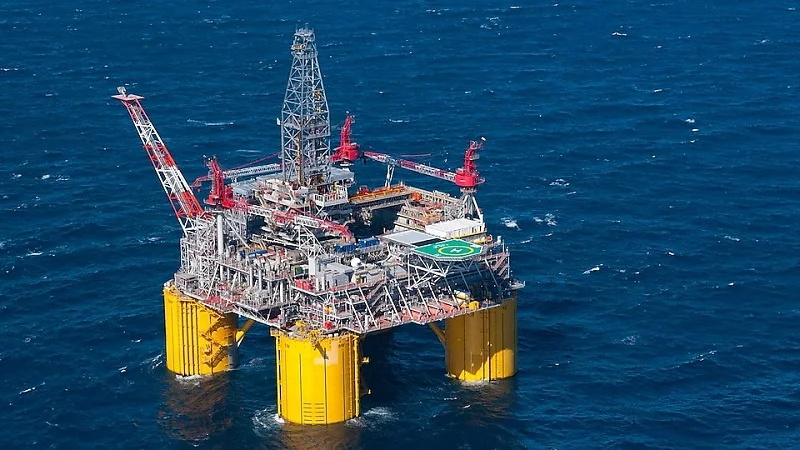
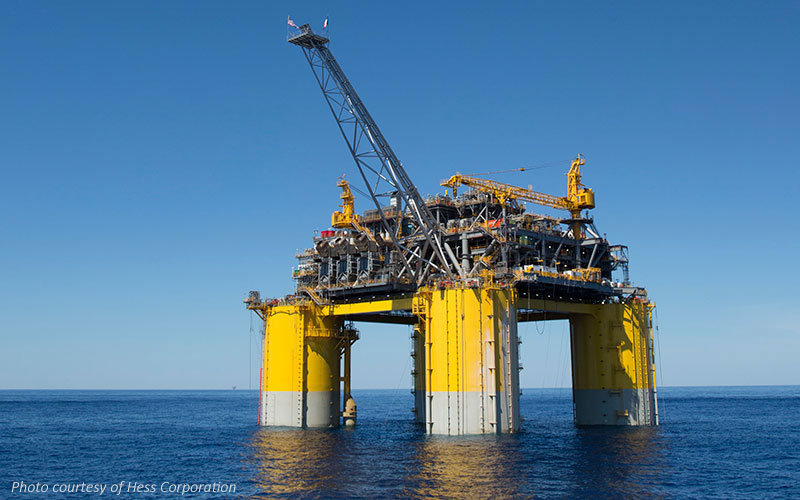
In light of the TikTok drama in Washington, I thought I’d take another look at Chinese ownership of Gulf of Mexico oil and gas leases.
A year ago, it was reported that State owned China National Offshore Oil Corp. (CNOOC) was considering an exit from its operations in the US, Canada, and the UK because of sanctions concerns. That may still be the case for other properties, but CNOOC has retained its Gulf of Mexico lease interests.
Per BOEM lease data, CNOOC continues to own 25% and 21% interest respectively in the important Stampede (Green Canyon 468, 511, and 512) and Appomattox (Mississippi Canyon 391, 392, and 393) deepwater projects. CNOOC reports are positive on those operations, noting that the production wells have performed better than expected.
CNOOC also owns interest in five other GoM leases. No CNOOC lease interest has been assigned to other companies in the past two years.
As is the case with CNOOC’s position in Guyana’s Stabroek block, their GoM lease holdings were acquired as part of CNOOC’s takeover of Nexen in 2013.
I welcome foreign investment in our offshore program, and see little downside in Chinese entities owning minority shares of OCS leases. GoM lease ownership does advance CNOOC’s understanding of deepwater exploration and development technology, but that knowledge can also be acquired elsewhere, sometimes in partnership with US companies (as is the case in Guyana).
Stabroek dispute: the Venezuela and China factors
Posted in Guyana, Offshore Energy - General, tagged Chevron, CNOOC, Exxon, Guyana, Stabroek, venezuela on March 11, 2024| Leave a Comment »
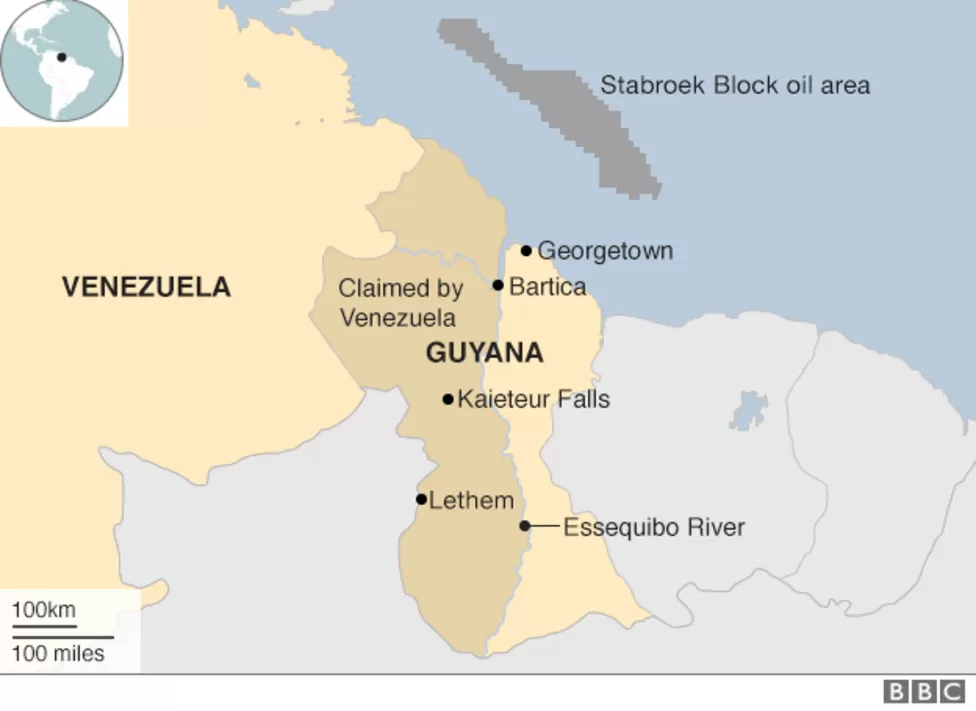
Exxon has filed for arbitration at the International Chamber of Commerce (ICC), the next step in the company’s attempt to derail or delay Chevron’s acquisition of Hess. Adding to the intrigue are the ambitions of neighboring Venezuela, which has claimed 2/3 of Guyana and the adjacent offshore territory.
Chevron continues to operate in Venezuela and is a beneficiary of the easing of US sanctions that facilitated the resumption of oil exports. Is the government of Guyana okay with Stabroek partners helping to support the regime that claims much of their offshore oil?
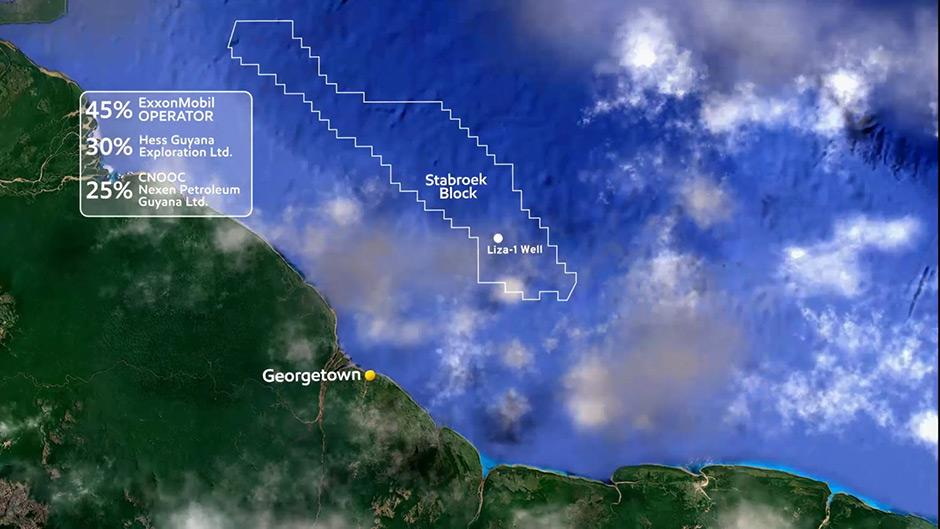
On the other hand, what about Exxon’s Stabroek partner, state-owned China National Offshore Oil Corp.? CNOOC has a 25% share of the Stabroek block (vs. 45% for Exxon and 30% for Hess) as a result of their takeover of (Canadian) Nexen in 2013. The CNOOC acquisition of Nexen was similar to Chevron’s acquisition of Hess. Was Exxon okay with that change in ownership?
CNOOC hasn’t released any public statements on the Stabroek dispute, but appears to be aligned with Exxon. Presumably, CNOOC also wants a larger share of the Stabroek pie. Is the Government of Guyana okay with an ally of Venezuela increasing their influence and having access to geologic, reservoir, and operational data for the Stabroek block? CNOOC is also partnered with Exxon on the block they acquired at the most recent licensing round.
Given the national security implications, is the Government of Guyana okay with leaving the resolution of this dispute to an ICC tribunal in Paris?
Stabroek Supermajor Squabble
Posted in CCS, Guyana, Offshore Energy - General, tagged carbon disposal, Chevron, CNOOC, Exxon, Hess, operating agreement, ROFR, Stabroek Block on February 29, 2024| Leave a Comment »

Are Exxon and Chinese partner (CNOOC) attempting to use Chevron’s acquisition of Hess to improve their already lucrative position in Guyana’s prolific Stabroek block?
From OilNow Guyana:
- The Stabroek operating agreement outlines terms for Hess, Exxon, and CNOOC to explore and develop the block.
- This Stabroek agreement includes a right of first refusal (ROFR) provision which allows the parties to buy out the stake of one of them in the event of a ‘change of control’ transaction.
- Chevron and Hess argue that the merger’s structure does not trigger the ROFR clause.
- Exxon and CNOOC argue that the clause applies. This could force Hess to offer its stake in the Stabroek block to its partners first.
The Exxon/CNOOC position seems to be a stretch. Chevron did not buy the Stabroek share; they bought the company that holds that share. Hess is to be part of Chevron and there would be no change of control from the standpoint of the partnership.
As an offshore operator, Exxon has been highly responsible from a safety standpoint. However, the company has a shown tendency to stretch the envelope when it comes to contract rights. The most recent example was their acquisition of 163 GoM oil and gas leases for carbon disposal purposes, contrary to the terms of the sale notice and lease contracts.
Guyana rolls on
Posted in Guyana, Offshore Energy - General, tagged Guyana, oil production on January 5, 2024| Leave a Comment »
OilNow has posted a good Guyana update. Production should reach 620,000 bopd in Q1 and grow to >1.2 million bopd in 2027/28. The growth in production is plotted below.


Neighboring countries in the Caribbean region are taking notice!
Maduro’s thuggery strengthens Guyana’s resolve to develop its resources
Posted in Guyana, tagged Exxon, Guyana, Maduro, offshore oil, OilNow, Stabroek, venezuela on December 8, 2023| Leave a Comment »
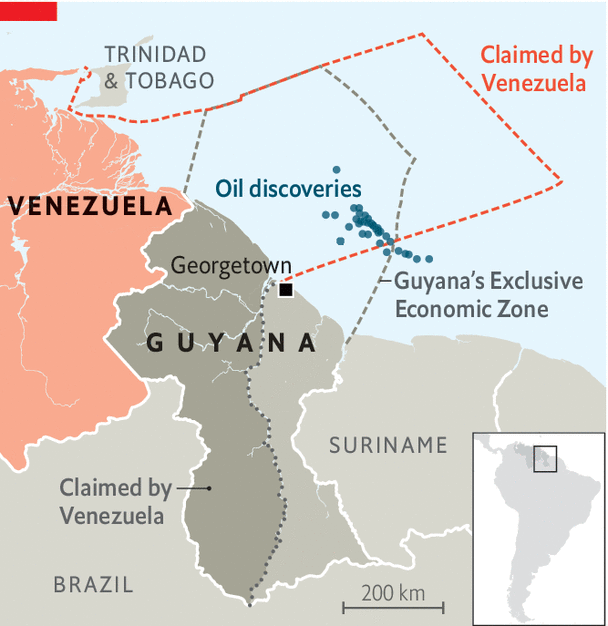
If we pause any of our developments, Maduro succeeds. He has no right in international law to tell the people of Guyana, a sovereign country, how to pursue its affairs.
And that is why we are forging ahead with our development in all 83,000 square miles…if we get paralyzed by this at the government level then we will fall prey to what he is trying to achieve.
Guyana’s Vice President, Dr. Bharrat Jagdeo
Maduro’s new map
Posted in Guyana, Offshore Energy - General, tagged Esequiba, Essequibo, Guyana, Maduro, venezuela on December 6, 2023| Leave a Comment »
How can the US be relaxing sanctions on this thug?
Venezuela’s state-run companies will “immediately… proceed to give operating licenses for the exploration and exploitation of oil, gas and mines in our Guayana Esequiba,” Maduro said.
Any other firms operating in the area will have three months to withdraw from the territory, he explained, adding that a zone of integral defense of ‘Guayana Esequiba’ would be created.
lianglj0.hott.es

.
Unsurprisingly, Venezuela votes in favor of land and offshore oil theft
Posted in Guyana, Offshore Energy - General, tagged Essequibo, Guyana, oil theft, venezuela on December 4, 2023| Leave a Comment »

Per AP, The National Electoral Council claimed to have counted more than 10.5 million votes even though few voters could be seen at polling sites throughout the voting period for the five-question referendum.
This claim sees like a joke, but President Maduro’s intentions are not:
“It has been a total success for our country, for our democracy,” Maduro told supporters gathered in Caracas, the capital, after results were announced.
AP News
Venezuelan oil theft vote is today; will undoubtedly pass
Posted in Guyana, Offshore Energy - General, tagged Essequibo, Guyana, oil theft, referendum, venezuela on December 3, 2023| Leave a Comment »
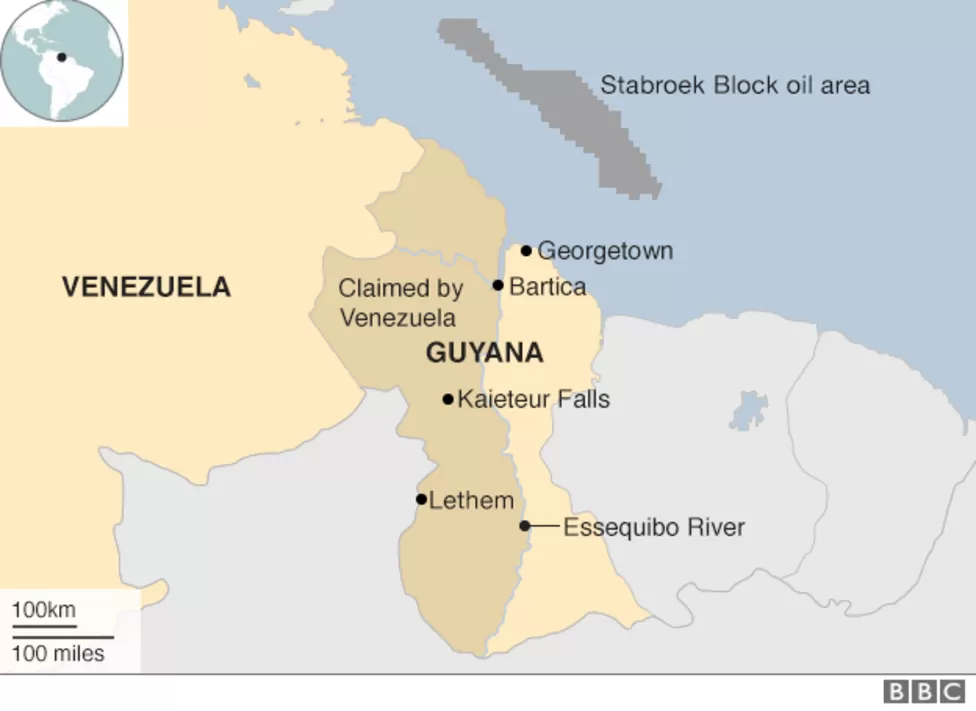
- “We are solving through constitutional, peaceful and democratic means an imperial dispossession of 150 years,” President Nicolás Maduro said after voting in a military complex in Caracas
- Venezuela’s government promoted the referendum for weeks, framing participation as an act of patriotism, and often conflating it with a show of support for Maduro.
- International court president Joan E. Donoghue said statements from Venezuela’s government suggest it “is taking steps with a view toward acquiring control over and administering the territory in dispute.”
- Venezuela is taking concrete measures to build an airstrip to serve as a ‘logistical support point for the integral development of the Essequibo.”
- The 61,600-square-mile territory accounts for two-thirds of Guyana and also borders Brazil.
- Brazil has boosted its military presence in the region as a result of the dispute.
 Bud's Offshore Energy (BOE)