Feeds:
Posts
Comments

Archive for the ‘Gulf of Mexico’ Category

The primary goal of energy policy should be ample, reliable supplies that are sufficient to ensure reasonable consumer prices. The “Backup Plan” (below) is only acceptable in cartoons.

From an offshore energy policy standpoint, remember this:

Gulf of Mexico Lease Sale 257 was vacated on 1/27/2022 because DC Federal Court Judge Contreras ruled that BOEM failed to consider the “positive” effect that higher prices would have on reducing foreign consumption and the associated GHG emissions. Apparently the Court failed to consider that higher oil and gas prices would:

The Administration chose not to appeal that decision, although API and the State of Louisiana have. It has now been 575 days since the last Federal offshore oil and gas lease sale.

Read Full Post »

Kudos to BSEE’s Gulf of Mexico Region for their timely safety alerts and comprehensive updates on offshore incidents, trends, and compliance issues. Their most recent update is linked below.

For the past 50 years. my main goal for US offshore operations has been a zero fatality year. Sadly, that goal has never been achieved and will not be achieved this year (see slide 15).

Many casualties are associated with activities that are not perceived to be of high risk. The message on slide 22 of Jason’s presentation is thus very important:

Perceived low risk activities can still result in impactful injuries. Continually risk assess the work being undertaken, no matter if it permitted or nonpermitted work.

Know your personal limits and stop before you reach your limit. Pause and ask for help before you are at your limit.

Jason Mathews, BSEE, 6/7/2022

Read Full Post »

Read Full Post »

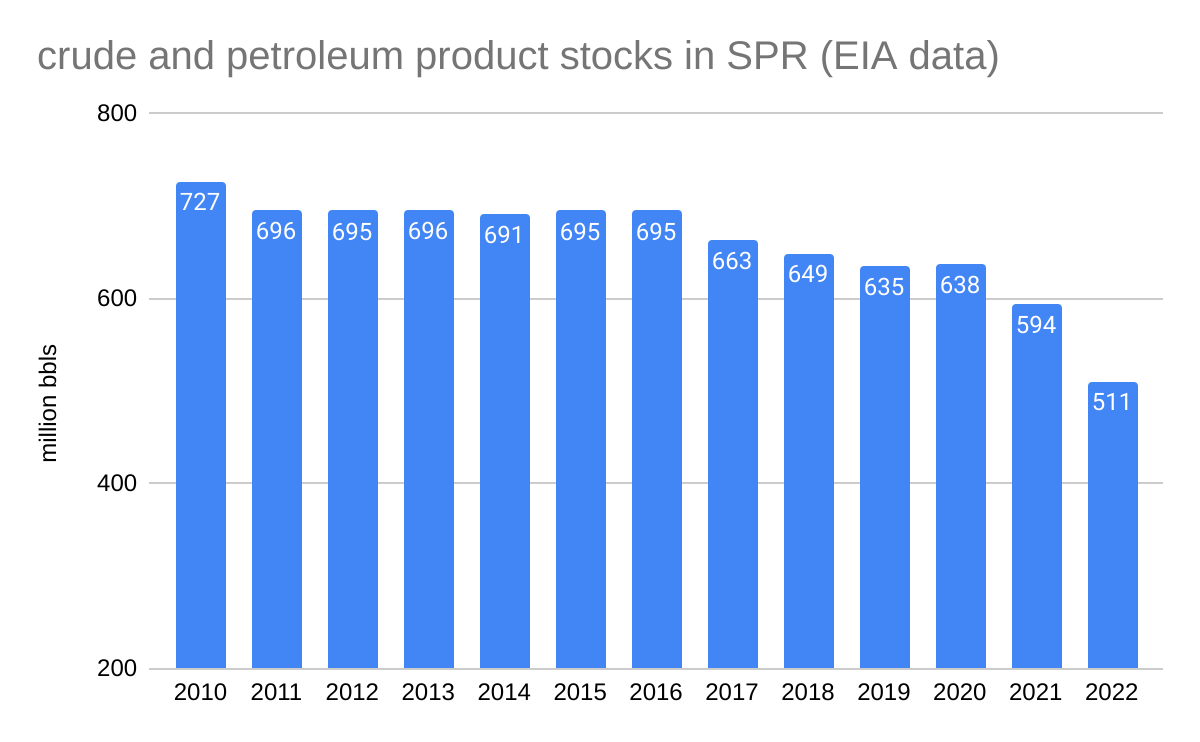
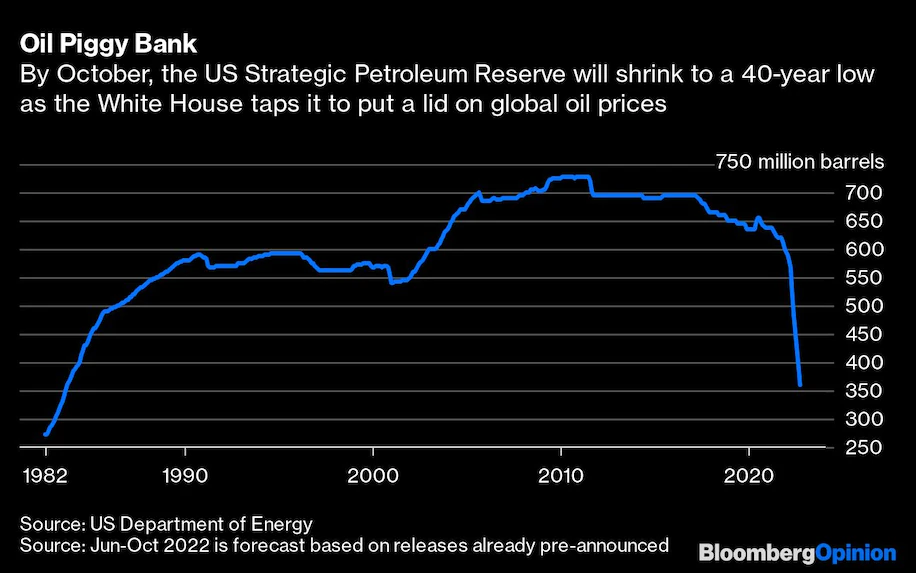
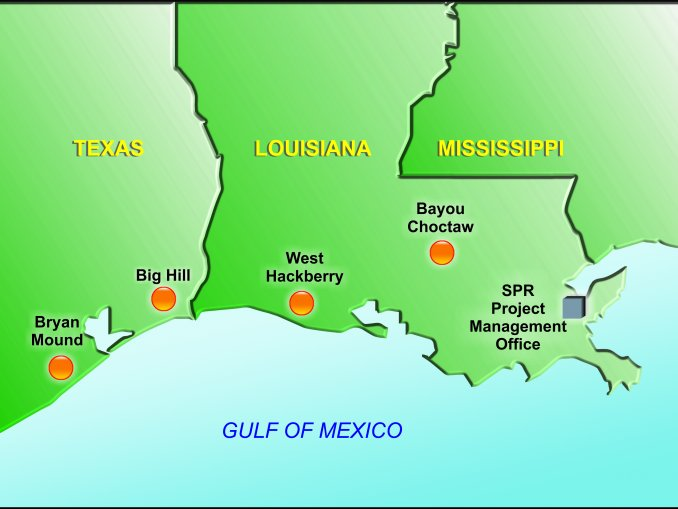
SPR stocks are down 29% from the end of 2010 and 19% from the end of 2020. Continued declines of this magnitude would be a major concern. Should a major crisis arise, offshore production takes years to ramp up, especially given that the lease inventory is at historic low levels and exploration has thus been stymied. Shale producers can respond more quickly to market needs, but transportation bottlenecks, and staffing and equipment availability can limit near-term production growth.

As was noted here in April, the inconsistency of drawing heavily on the SPR while constraining leasing in the adjacent offshore waters is striking. Apparently, there is nothing to worry about because neither the Department of the Interior nor the Department of Energy home pages even mention the words oil or gas. This is pretty remarkable given their broad responsibilities for these vital resources, and the crippling effects of shortages and high prices.

SPR locations

Read Full Post »

active leases ➡ producible leases ➡ energy production

The future of US offshore energy production is in jeopardy. As is clear in the first chart below, the problem is the precipitous decline in opportunities (l.e. leases), not the will to produce. At 27.3% (6/2022 data), the % of active leases that are producing is near the historic high of 30%. The spin doctors really need to drop the old and tired nonproducing leases excuse.

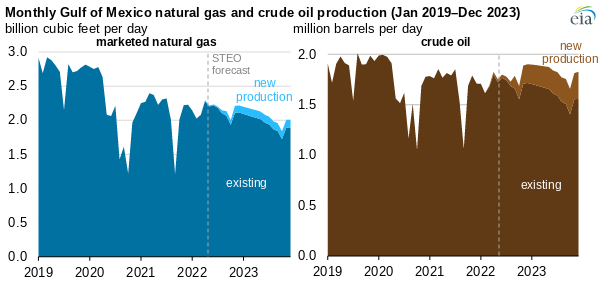
While not nearly as high as it could be with better lease management, offshore production has held up relatively well thanks to deepwater discoveries that were made years ago and technical innovation that makes projects more cost-effective, safer, and cleaner. Gulf of Mexico production should be relatively stable for several years as production from these projects offsets declines elsewhere. However, in the intermediate and longer term, reserve depletion and the absence of new exploration opportunities ensure a downward production trend.

Read Full Post »

Read Full Post »

Rigs-to-Range

As is the case every 5 years or so, there is another aquaculture push within the Federal government. It looks like this will be a very process-rich endeavor (check out the list of “Scoping Information Needs“), so don’t expect much soon.

NOAA Fisheries is conducting public scoping for a programmatic environmental impact statement to consider identifying one or more AOAs in federal waters of the Gulf of Mexico. The programmatic environmental impact statement will evaluate the impacts and benefits associated with siting aquaculture in those locations, which could occur through future proposals and project level review. Public scoping is an opportunity for the public to provide input on the range of issues to be addressed in the programmatic environmental impact statement. This is a planning effort and no specific aquaculture-related activities or individual aquaculture projects are being proposed at this time.

NOAA FIsheries

Rigs-to-Roe (Redfish, Rockfish)

Read Full Post »

Locked down for 561 days!

Chronology

What the law says vs. current reality

Remember this

Catch 22

Now <500 producing leases for the first time in more than 5 decades!

Read Full Post »

In the past the thought was that we would be importing LNG, i.e. “Rigs-to-Regasification.” Now that we are exporting LNG, we are adding “Rigs-to-Refrigeration” to the alternative use list.

Per our previous post on this topic, New Fortress Energy is moving forward with fast-track LNG projects in the Gulf. Three converted jack-up rigs purchased from Maersk will make up the first “Fast LNG” liquefaction train.

New Fortress is planning to install its first two “Fast LNG” units in West Delta Lease Block 38, located about 16 nm off Grand Isle, Louisiana. The two independent liquefaction trains at this deepwater “port” would export about 1.4 million tonnes per annum (mtpa) of LNG each. Though small by shoreside standards, the plant design would offer a number of advantages, like low cost and speed to market – a critical factor at a time of high demand for LNG. The company says that it should be able to produce each facility on an 18-20 month timescale, from engineering through construction and commissioning. 

Maritime Executive

Given the challenges posed by tropical storms, particularly for jackup units, the design criteria for these “permanent” jack-up liquefaction facilities and the role of classification societies are of particular interest.

Read Full Post »

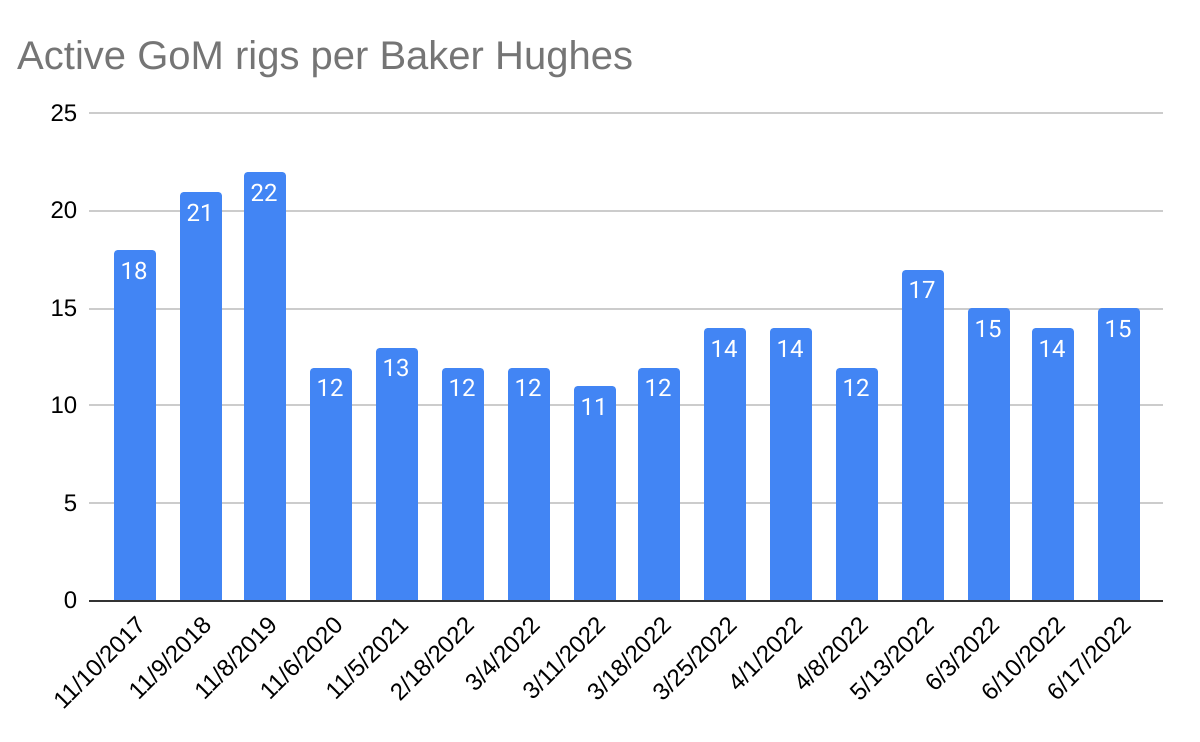
Waiting for a boost from the deepwater startups. The first of that group, King’s Quay did not begin producing until April.

Read Full Post »

« Newer Posts - Older Posts »