On my favorite holiday, I’m sending best wishes to BOE readers of all persuasions. Offshore energy issues can be divisive, even among friends, and I’m grateful for the opportunity to share information and opinions.
My wife and I will be spending Thanksgiving with my daughter’s family including our 6 grandchildren, none of whom have expressed interest in being offshore safety regulators (no higher calling 😉).
Belated holiday wishes to our friends in Canada where Thanksgiving is celebrated in October, and cheers to those living where a similar fall holiday is observed.
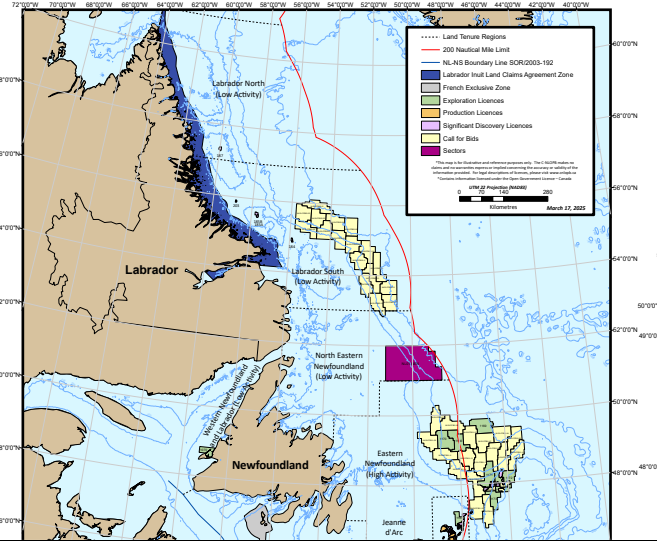
Difficult operating conditions, high costs, and relatively modest oil price projections are no doubt factors contributing to the absence of bids. Energy NL has also pointed to the “complex, inconsistent and burdensome regulatory system” as a contributing factor.
Newfoundland’s newly elected Premier, Tony Wakeham, has said his Progressive Conservative Government will advocate for the cancellation of the emissions cap as it is a cap on production. He also supports incentives for offshore oil and gas projects such as an investment tax credit or the former Petroleum Incentive Program and indicated he would work with Energy NL to review incentives that could be implemented provincially.
The C-NLOER is committed to “review its land tenure system in collaboration with governments and others, to identify opportunities to enhance competitiveness in the Canada-Newfoundland and Labrador Offshore Area.”
How can AI and emerging technologies be used in risk management trending and operations?
Why are we not learning from accidents?
Breakthroughs in investigation techniques and sharing
The first IRF Conference was held 20 years ago in London followed by the 2007 conference at the Trump International Resort in Miami (little did we know 😀). More historical background.
The informed, diverse viewpoints about managing and regulating offshore operations sets these conferences apart from your typical professional events. The 2025 conference is highly recommended for those interested in offshore operations, risk mitigation, and regulatory policy.
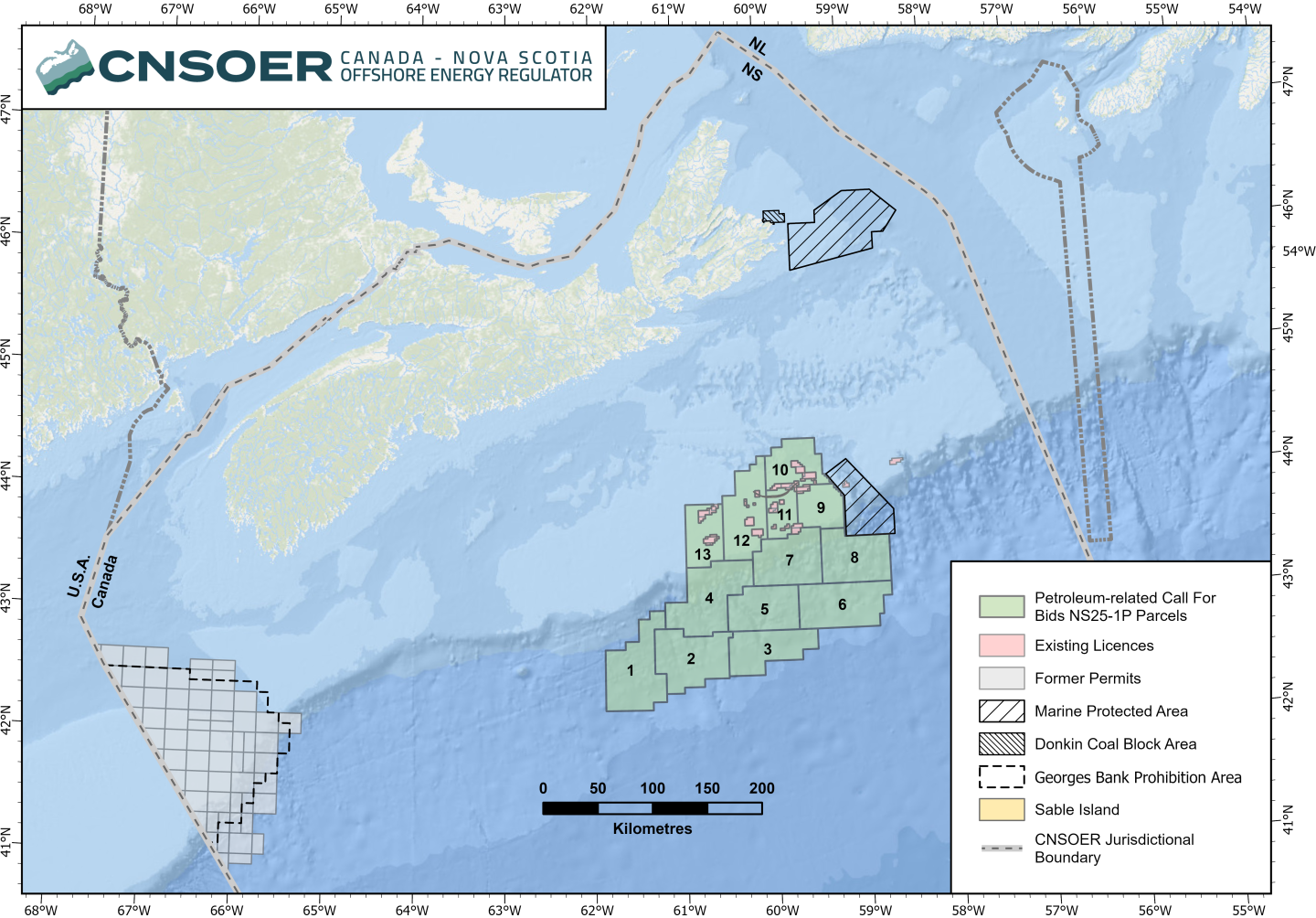
Scotian Shelf gas production ended in 2018, but Nova Scotia Energy Minister Trevor Boudreau (Acadian with many relatives in Louisiana?😉) says he is encouraged by preliminary expressions of industry interest in new licenses. The Provincial/Federal authority has issued a call for bids:
“The Canada-Nova Scotia Offshore Energy Regulator (CNSOER) has issued a petroleum-related Call for Bids NS25-1P, which includes 13 nominated parcels. Bids must be received by April 28, 2026, before 4:00 p.m. Atlantic Time. Successful bidder(s) may be awarded Exploration Licences (ELs), subject to the federal and provincial Ministerial review and approval process set out in legislation.”
“The petroleum-related Call for Bids NS25-1P nominated parcels are located on the central Scotian Shelf and Slope. Parcels 1 to 8 are located in deepwater on the Scotian Slope, in water depths from 200 to 4,300 metres. Parcels 9 to 13 are located on the Scotian Shelf, in water depths less than 200 metres, in the region where all historic gas, and to a lesser extent, oil production, has taken place. The shelf parcels are located near the Sable Island National Park Reserve and west of the Gully Marine Protected Area. No petroleum-related activity can take place within one nautical mile (or 1.85 kilometres) of the Sable Island National Park Reserve.“
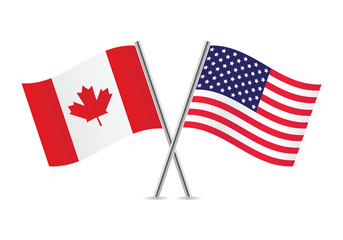
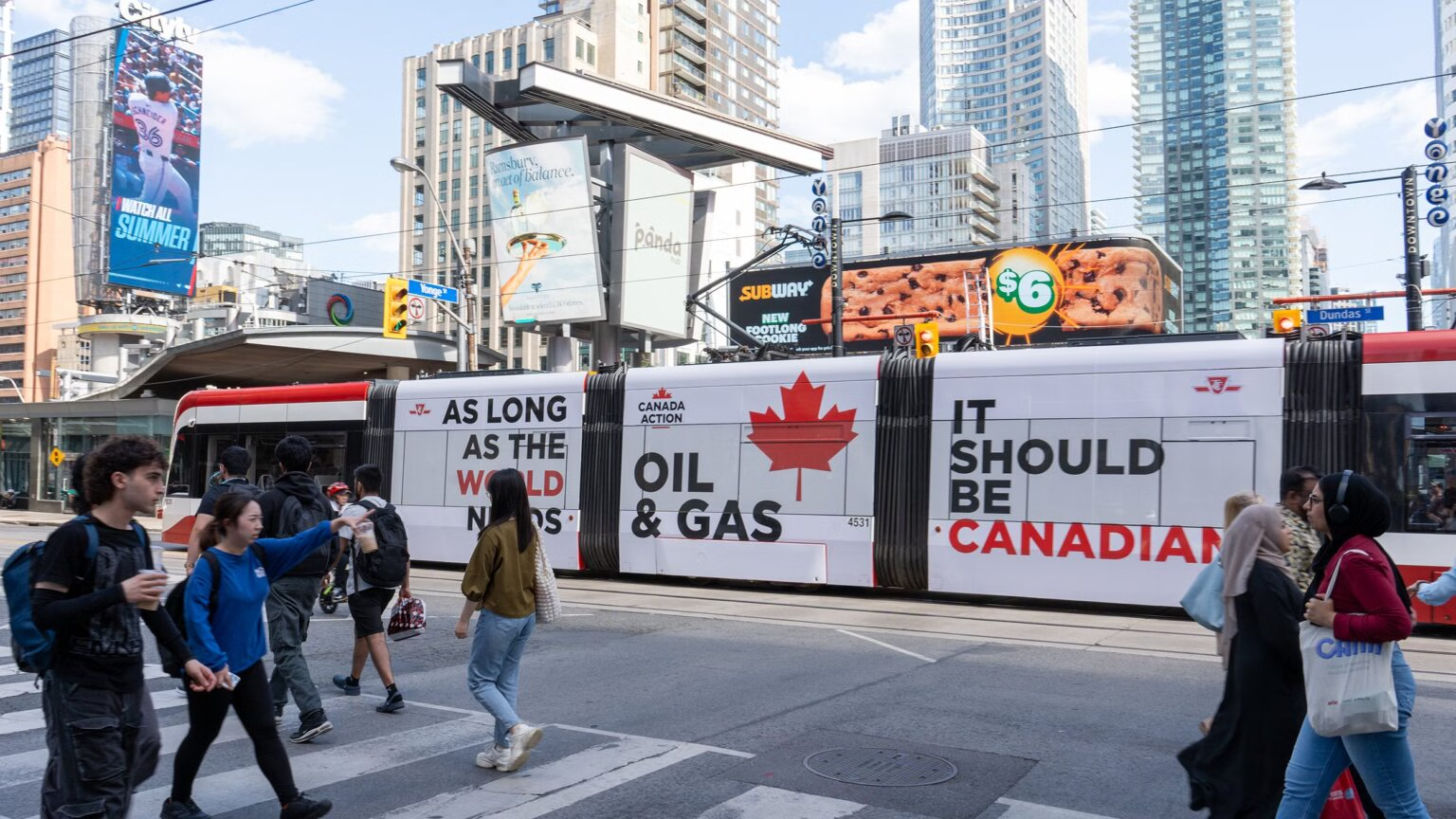
Stop the bluster about annexation of Canada. Almost no one on either side of the border supports this. Focus instead on strengthening strategic alliances – most notably with regard to energy supply.
Both the US and Canada are energy powerhouses. Both countries are also energy underachievers relative to their potential. The more efficiently our pipelines and transmission systems can be integrated, the better that potential can be realized and the more both countries can prosper.
See the attached energy trade map to get a better understanding of our integrated energy economies.
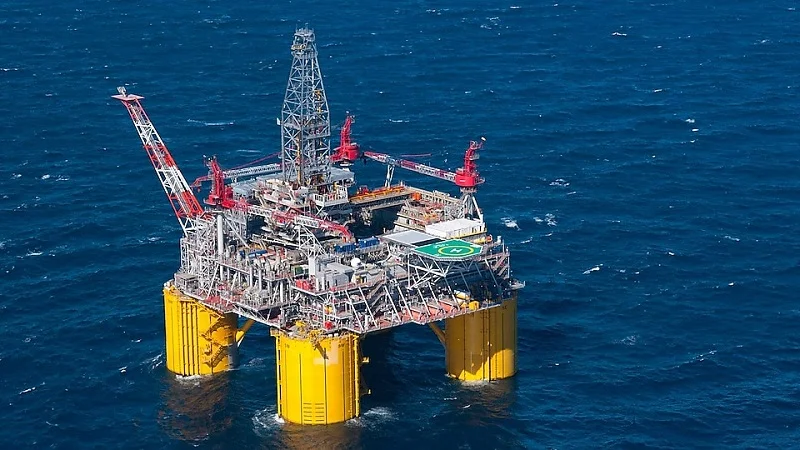
China National Offshore Oil Corp. (CNOOC) has surrendered its 21% interest in the Appomattox (Mississippi Canyon 391, 392, and 393) project and its 25% stake in Stampede (Green Canyon 468, 511, and 512). Those ownership positions were acquired in CNOOC’s takeover of Calgary-based Nexen in 2013.
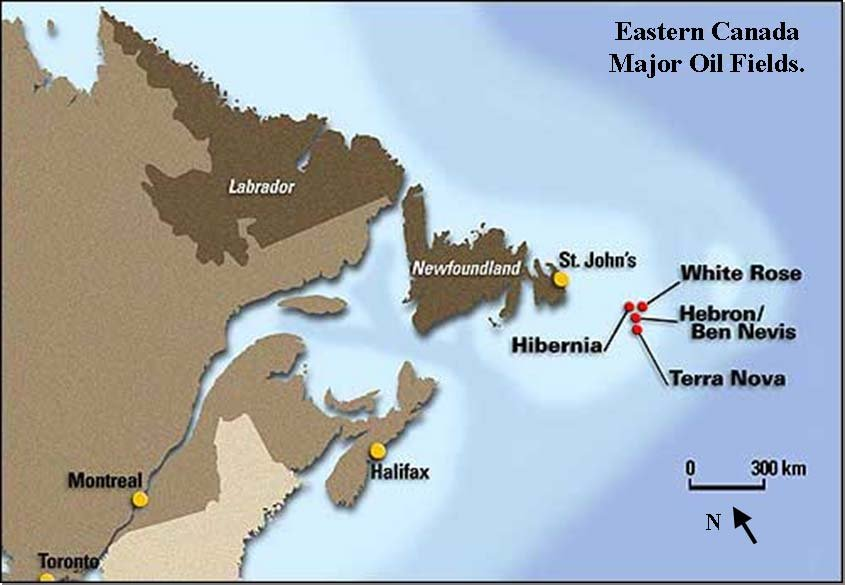
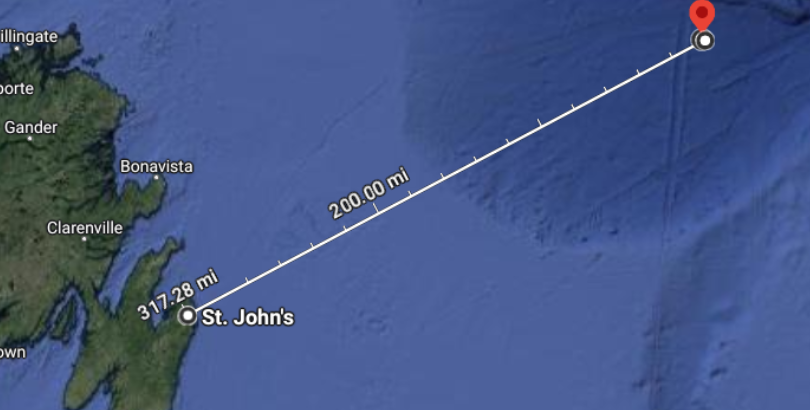
Offshore Newfoundland, a particularly hostile operating environment (“North Sea plus icebergs“), continues to be the only producing area in the North American Atlantic, a distinction that is unlikely to change for at least the next decade.
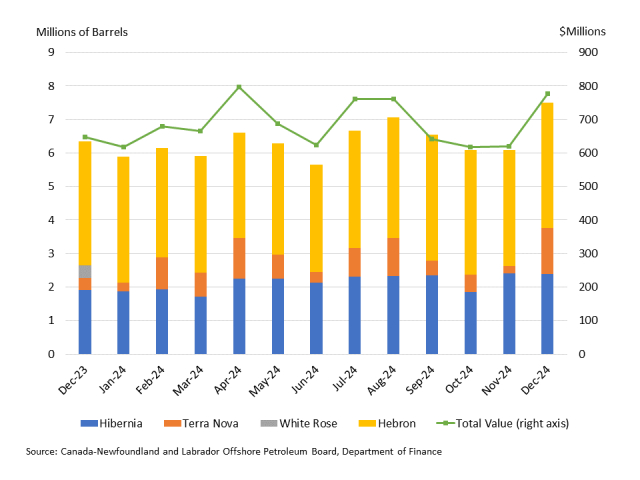
Production is holding firm and there was a nice bounce in December when 7.5 million barrels were produced (242,000 bopd ave.). December’s production was the highest since May 2022 and and was a respectable 57% of the May 2007 peak.
Most impressively, according to CNLOPB data, no fatalities or significant injuries occurred over the past 3 years.
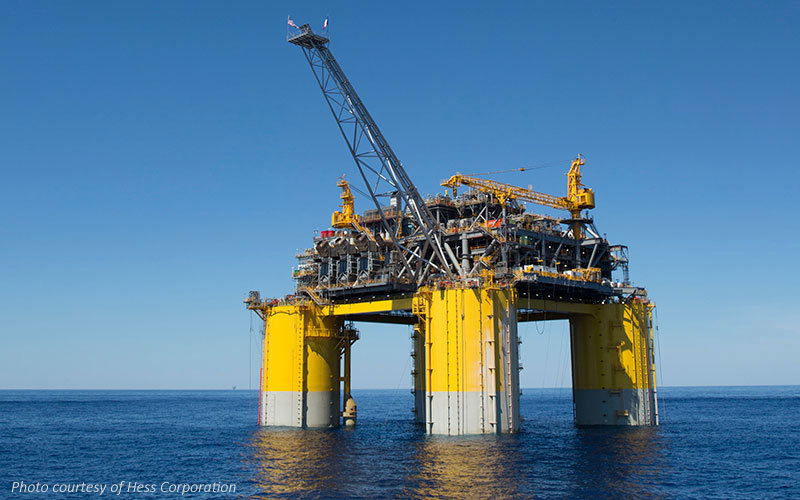
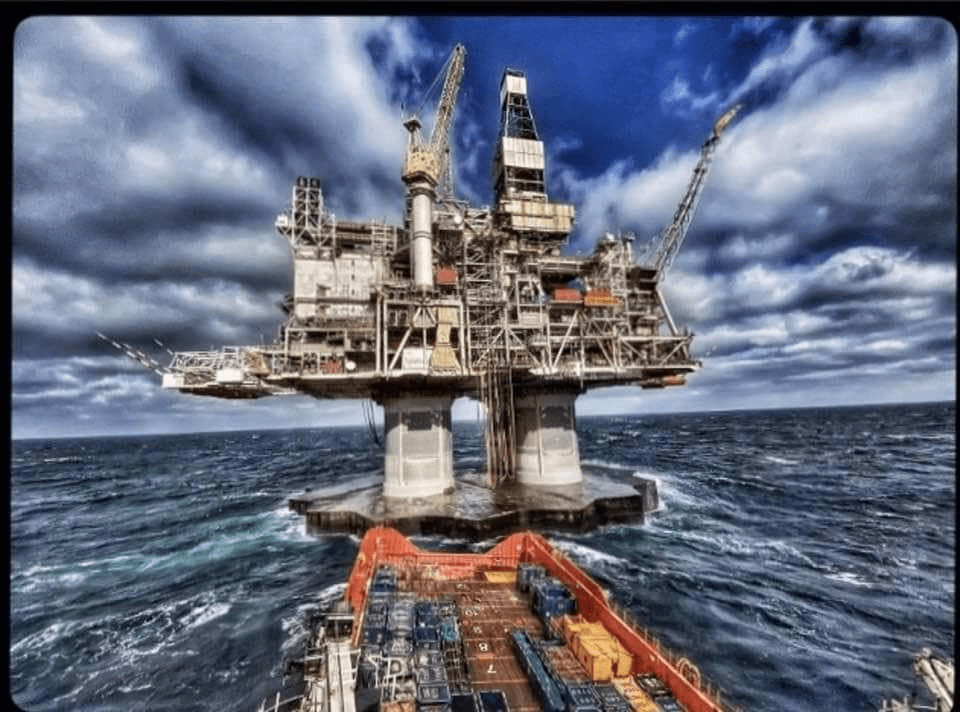
The pioneering Hibernia platform (pictured above), where Newfoundland offshore production began in Nov. 1997, keeps chugging along at 60 to 80,000 bopd. The Hibernia field has produced more than double the original resource estimate of 520 million barrels. Very impressive!
Hebron, the current top producer, continues to produce 100,000+ bopd
The Terra Nova field contributed ~40,000 bopd in Dec., the highest output since production resumed in late 2023 after extensive downtime to refurbish the FPSO.
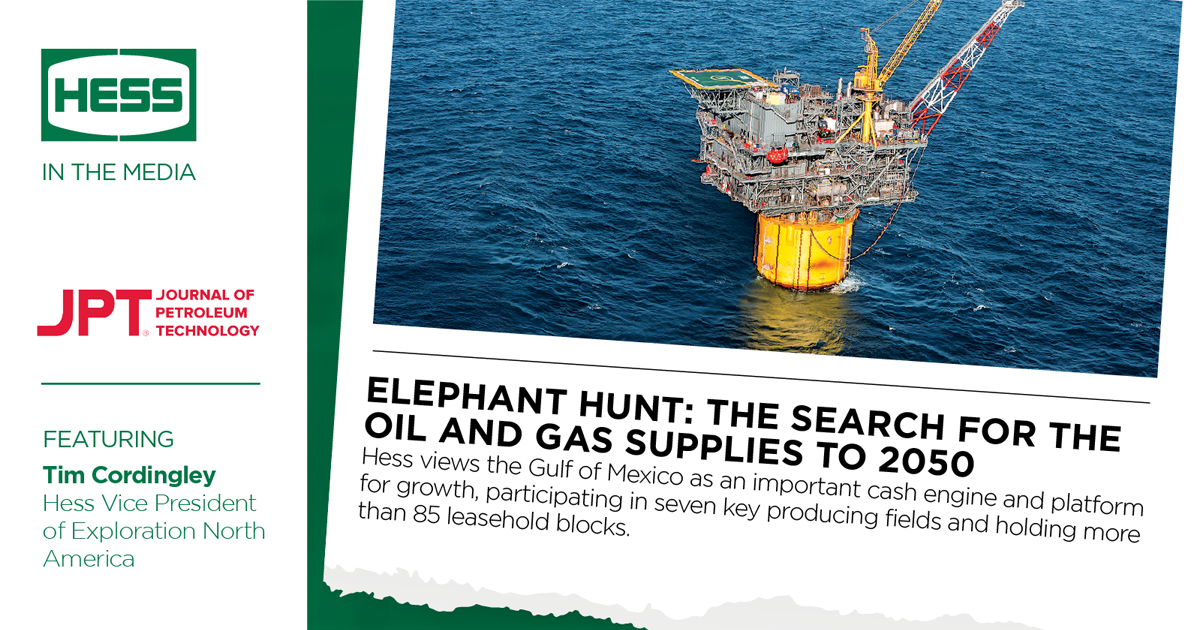
While exploration technology has improved significantly, the success rate for wildcat exploratory wells is still only about 30%. According to Rystad, only eight of the 27 high-impact wells drilled in 2023 resulted in commercial discoveries.
In baseball terms, the smaller independents are typically singles hitters, drilling development wells and gleaning reserves from established fields. The majors tend to be home run hitters. They swing hard and often miss, but when they hit, the rewards are great!
 Bud's Offshore Energy (BOE)