Relax; just kidding about the California part (or am I? 😉).
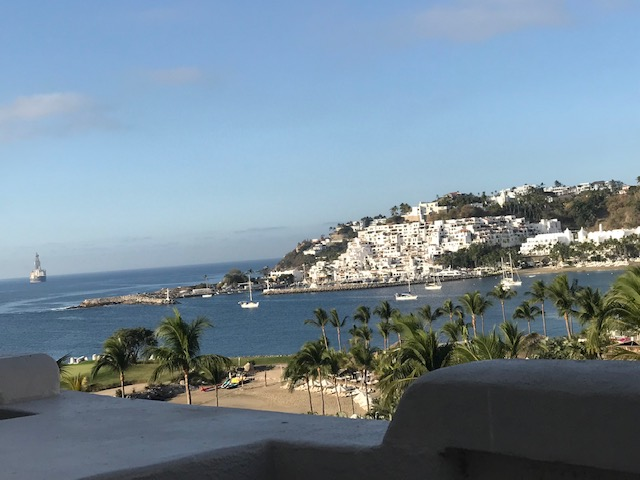
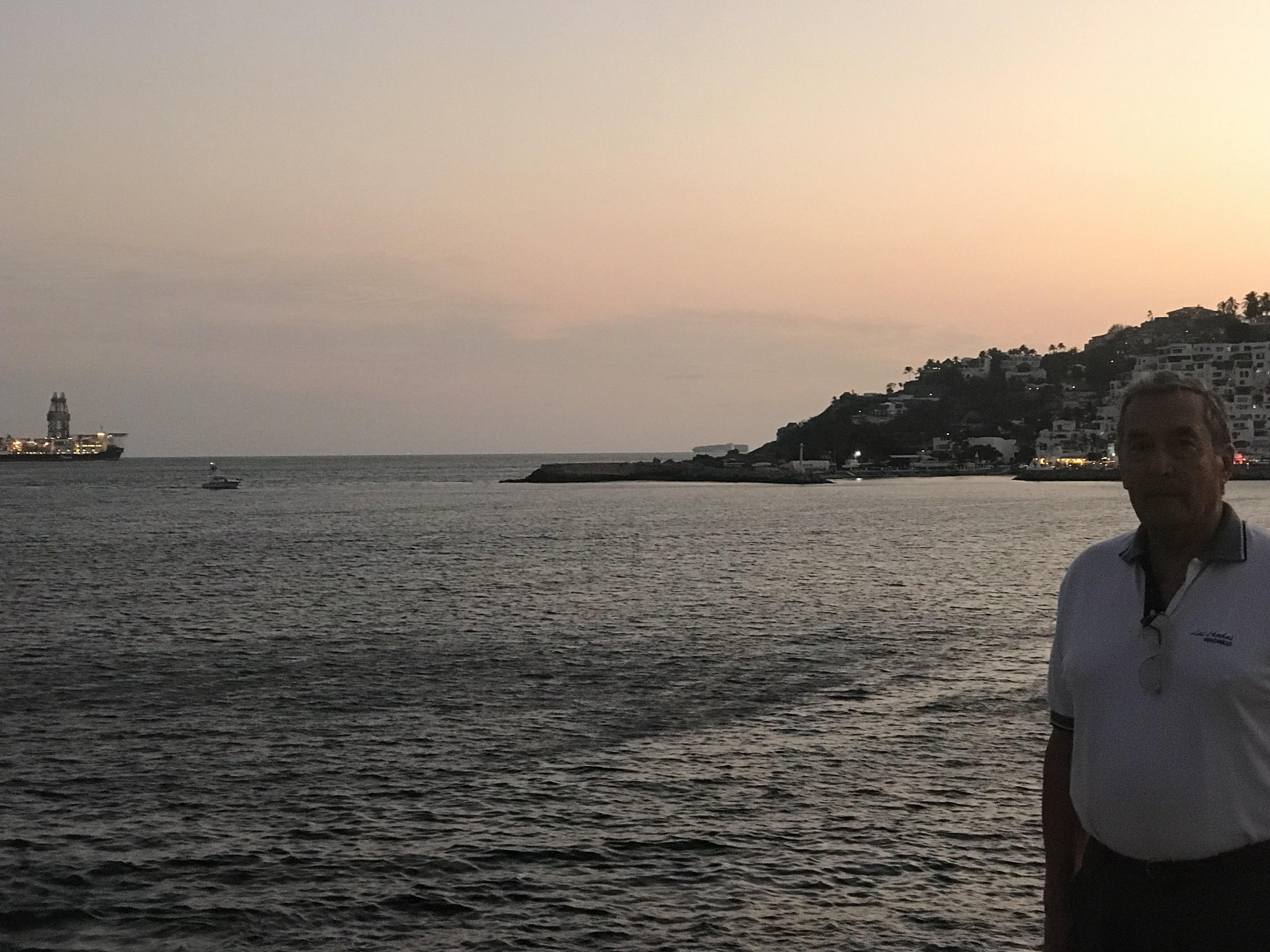
BOE’s Mexican correspondent, Andrew Konczvald, took pictures of what looks like a deepwater drillship parked near the beautiful Pacific coast resort town of Manzanillo. Upon further review, our crack investigators determined that the rig is the Hidden Gem, a deepsea mining vessel, owned by The Metals Company (TMC). Last year, TMC conducted a pilot nodule collection program in the Clarion Clipperton Zone between Hawaii and Mexico.
Rental terms for leases in <200 meters of water are higher and more punitive (for delayed development) than for previous sales and for deepwater leases.
Minimum bid requirements are unchanged from sales 256 and 257, and are higher for deepwater leases ($25/acre for <400m and $100/acre for >400m).
Bottom line: While the terms for deepwater leases are unchanged from Sales 256 and 257, that is far from the case for shelf leases where royalty rates were increased by 50% and rentals were increased by 43% for all lease years.
The BBB or BoerBurgerBeweging (Farmer-Citizen Movement) party won 17 seats in the Senate, more than any other party.
🇳🇱 UPDATE on the Dutch elections!
The final votes have been counted. The BBB (farmers citizens movement) gained a staggering 17 seats and the ruling parties have suffered severe losses and won’t reach a majority – not even with the help of the Green Party + Labour. #DutchFarmerspic.twitter.com/ZQTtB48Riw
Yesterday, Lars Herbst attended the EIA’s Annual Energy Outlook presentation. The slides are attached.
Below is a custom chart from the EIA data tables. While EIA predicts growth in renewable generating capacity, US oil and gas production are nonetheless projected to increase slightly through 2050.
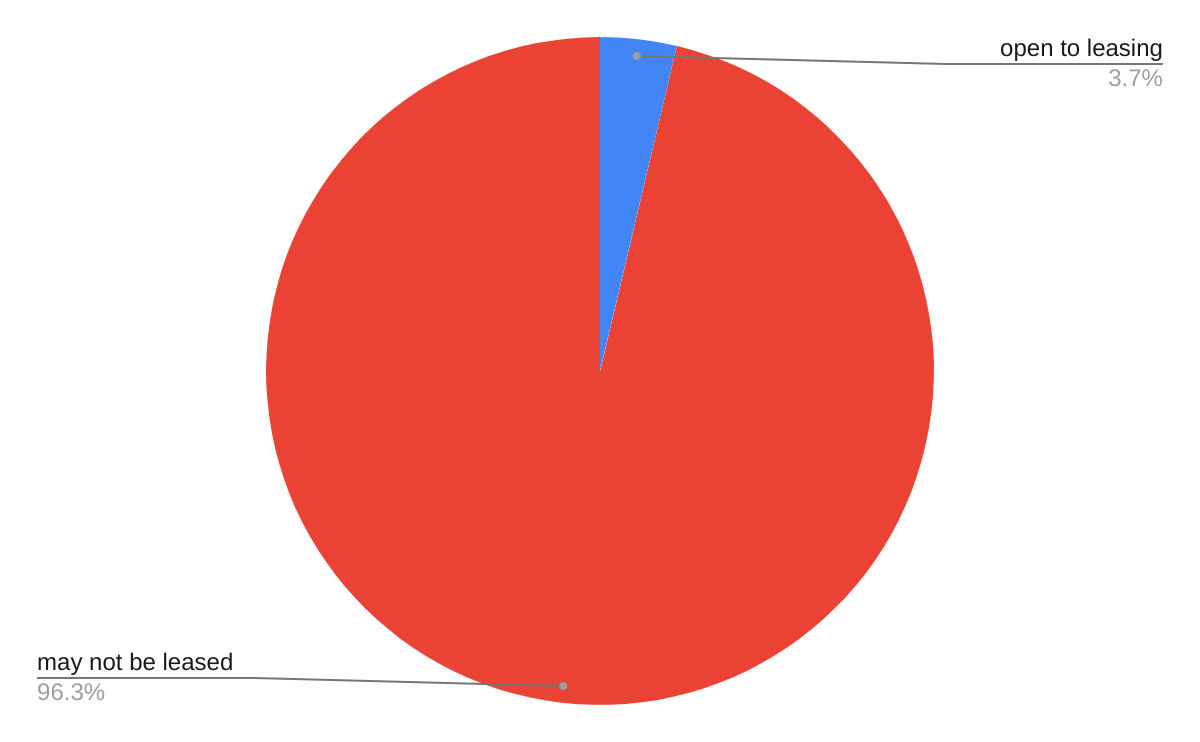
Of the 1.7 billion acres of Federal land on the US Outer Continental Shelf, only about 73 million acres in the Gulf of Mexico and 1 million acres in the Cook Inlet may be offered for oil and gas leasing. Official or de facto exclusions prohibit leasing in the entire US Atlantic, the entire US Pacific, all Alaska areas except the Cook Inlet, and most of the Eastern Gulf of Mexico. No other coastal nation has restricted access to oil and gas resources to this extent.
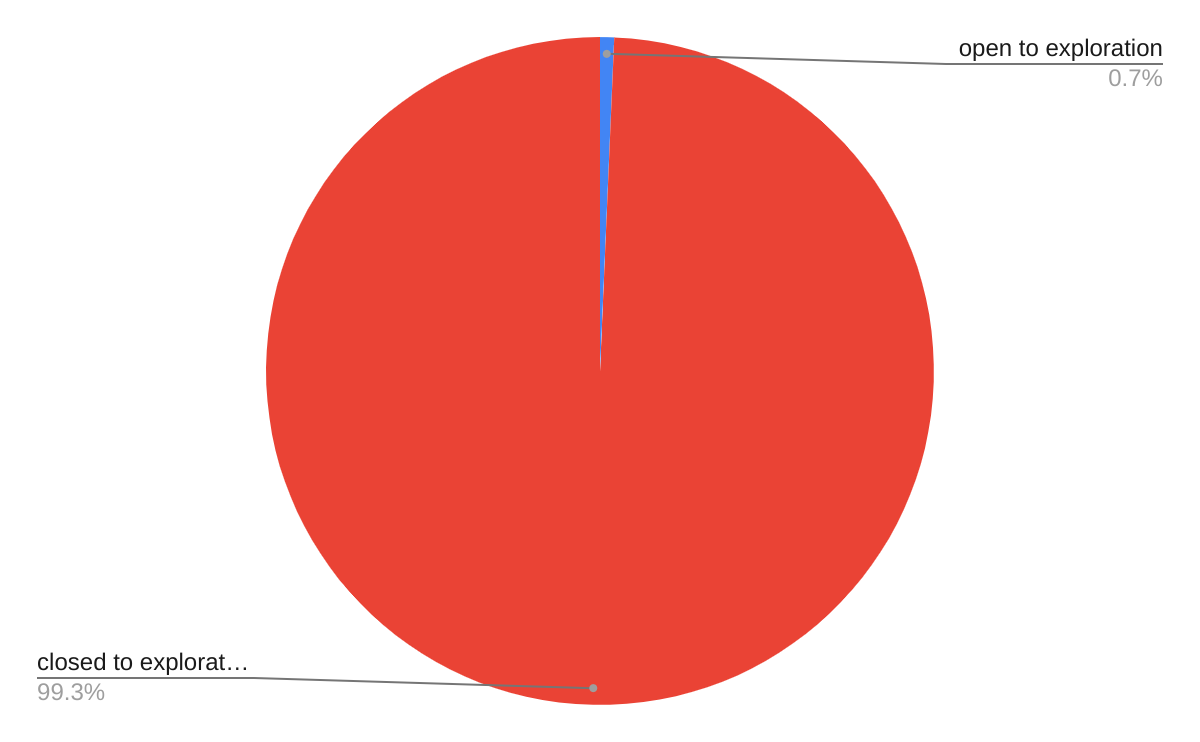
The number of active leases, currently 2153, has been at a historically low level for the past 2 years. Only 0.7% of our OCS is leased and thus open to exploration. 26% (552) of these leases are already producing, leaving a historically low number of nonproducing leases.
Oil is where you find it, not where you wish it was or want it to be. Denying access to all but a small portion of the OCS limits exploration strategies and prevents publicly owned resources from supporting our economy in the manner intended by the OCS Lands Act.
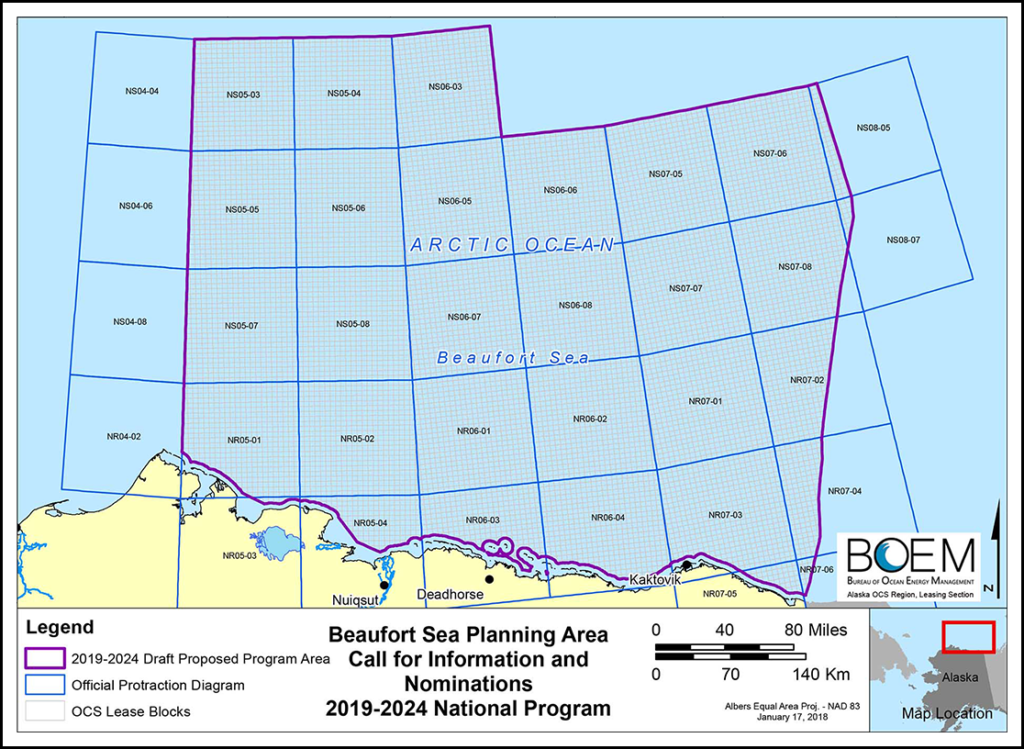
The shrinking of the OCS oil and gas program continues. In an attempt to placate opponents of the Willow project, the President has removed the entire Beaufort Sea from oil and gas leasing consideration. Unsurprisingly, the opponents of Willow are no less irate.
Under the authority granted to me in section 12(a) of the Outer Continental Shelf Lands Act, 43 U.S.C. 1341(a), I hereby withdraw from disposition by oil or gas leasing for a time period without specific expiration the areas designated by the Bureau of Ocean Energy Management as the Beaufort Planning Area of the Outer Continental Shelf that have not previously been withdrawn.
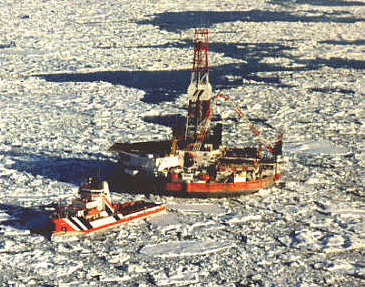
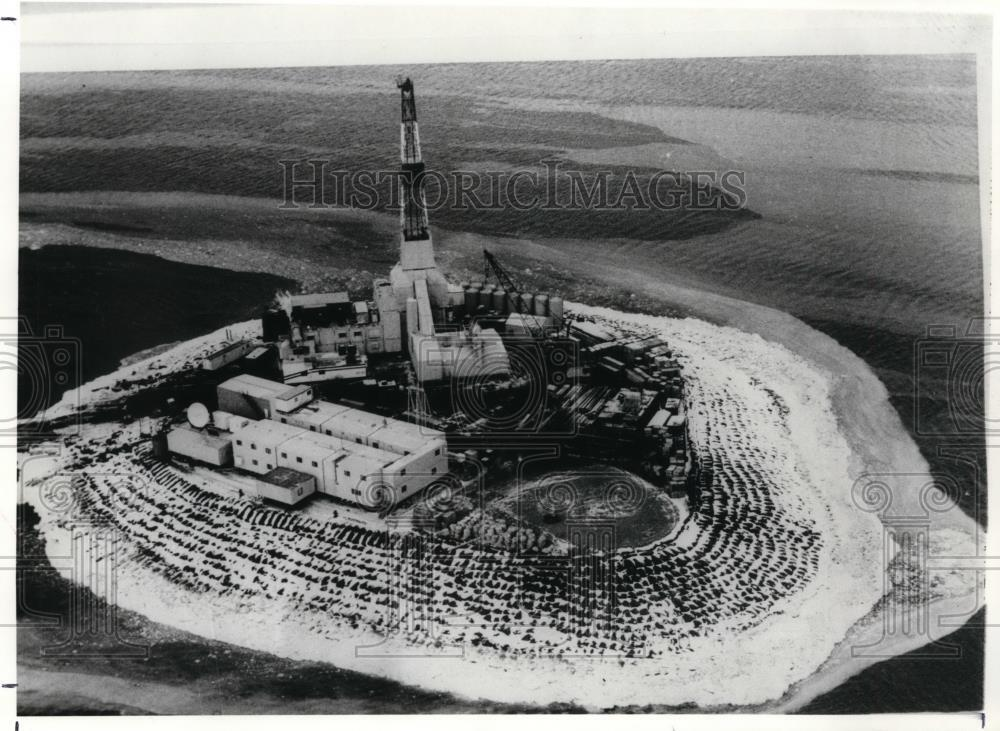
The 5 Hilcorp leases identified above (Northstar and Liberty projects) are all that remains of the once promising Beaufort Sea planning area.The Kulluk, pictured above, was a unique conical shaped and ice strengthened drilling vessel that operated in the US and Canadian Beaufort from 1983-1993.BP’s Mukluk well being drilled from an artificial island in the US Beaufort Sea in 1983. The $120 million exploratory well was the most expensive in history, but did not find commercial quantities of hydrocarbons.
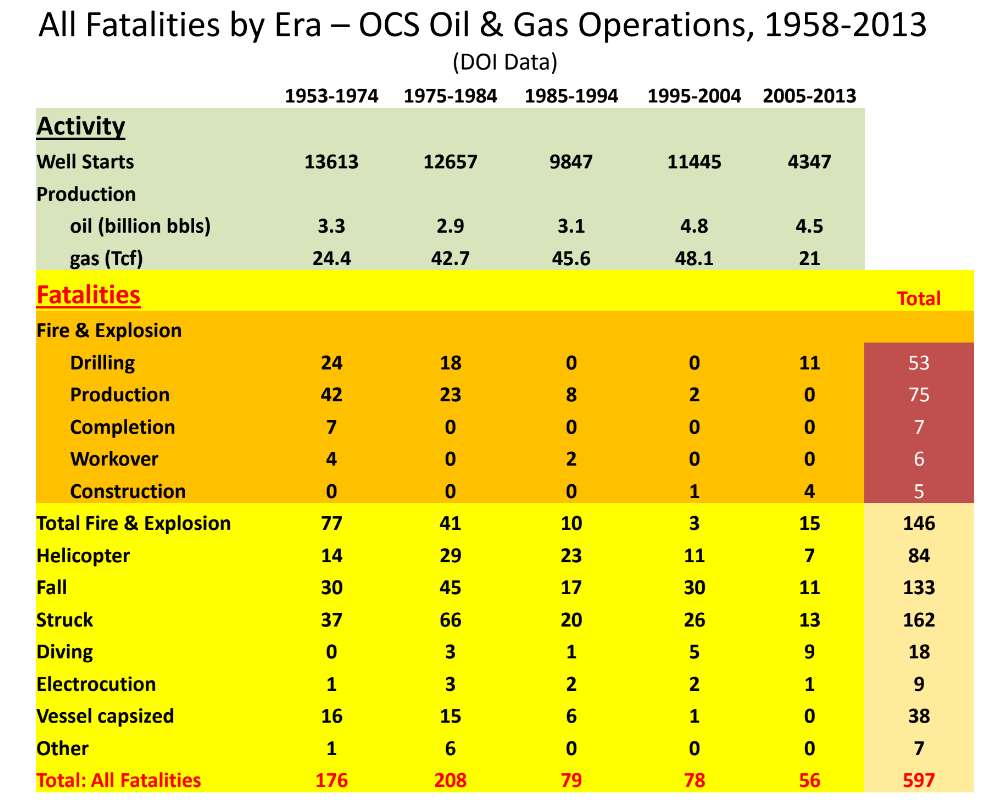
Per yesterday’s post, below are US OCS fatality data from a 2014 presentation. Ten year intervals were selected for 1975-2004. The longer 1953-1974 era was selected so the activity indicators (well starts and production) would be comparable with the next 3 intervals. The last interval (2005-2013) was limited because the presentation was prepared in 2014.
Fire/explosion fatalities exceeded fall/struck fatalities only in the first interval (1953-1974). As one would expect, the fire/explosion deaths were associated with a limited number of better known incidents (e.g. Main Pass 41, Bay Marchand, Macondo). While the overall trend is favorable, fall/struck incidents and helicopter fatalities at offshore platforms have proven to be more chronic.
I hope to update these data in the not too distant future.
The most common causes of offshore fatalities and serious injuries, falls and being struck by equipment, receive little media attention because there is no blowout, oil spill, or fire. However, these are often the most difficult types of incidents to understand and prevent. Human and organizational factors predominate, and prevention is dependent on a strong culture that emphasizes worker engagement, awareness, teamwork and mutual support, effective training and employee development, risk assessment at the job, facility, company, and industry levels, stop-work authority, innovation, and continuous improvement.
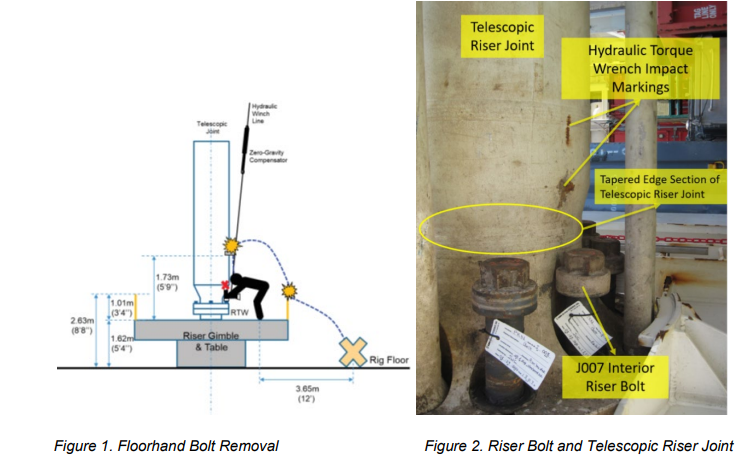
While unlatching the lower Marine Riser Package from the Blowout Preventor in preparation for ship relocation, a crewmember was lifted into the air after being struck by a hydraulic torque wrench (HTW), hitting a riser clamp approximately six feet above the elevated work deck before falling to the rig floor. The crew member was given first aid and transported to the drillship’s hospital, where he was later pronounced deceased.
In an upcoming post, BOE will provide historical fatality data by cause and operations category.
HOUSTON — Oil and gas industry leaders say they’ve seen a big shift in tone from the Biden administration over the past year, helping to smooth over one of the president’s rockiest relationships.






 Bud's Offshore Energy (BOE)