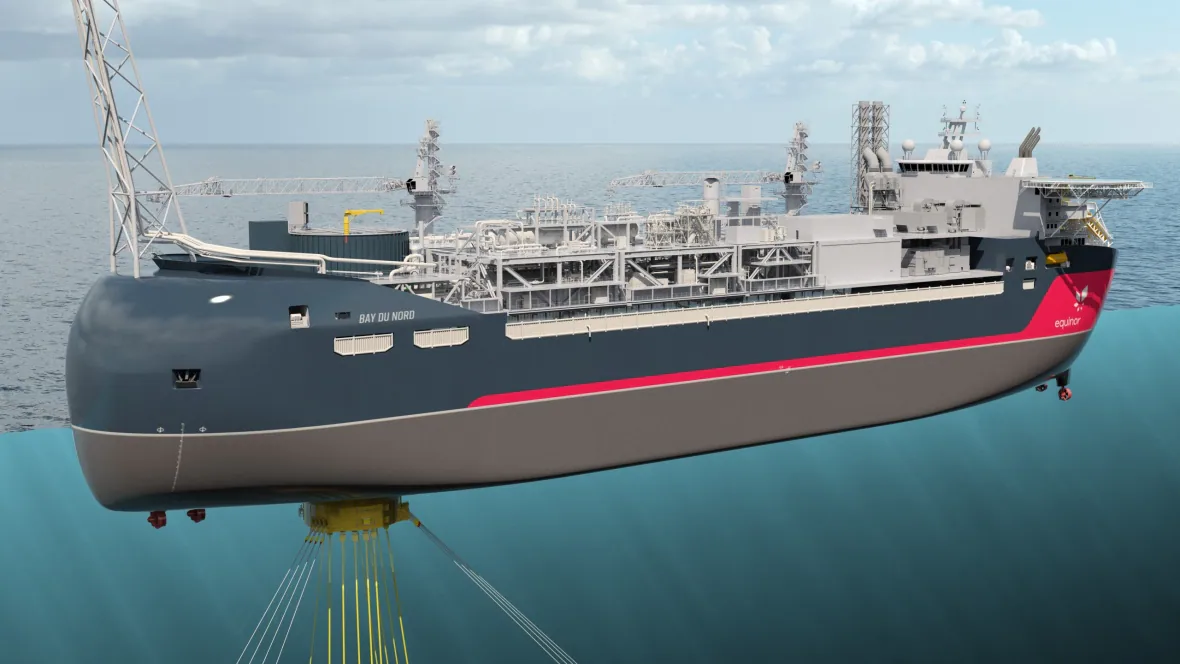
Federal Environment Minister Steven Guilbeault formally approved the Bay du Nord offshore oil megaproject Wednesday, making a decision that will infuriate environmentalists but boost the Newfoundland and Labrador economy.
CBC News
Posted in Canada, Offshore Energy - General, tagged Bay du Nord, Canada, Equinor, FPSO, Newfoundland on April 6, 2022| Leave a Comment »
Federal Environment Minister Steven Guilbeault formally approved the Bay du Nord offshore oil megaproject Wednesday, making a decision that will infuriate environmentalists but boost the Newfoundland and Labrador economy.
CBC News
Posted in Offshore Energy - General, oil spill response, tagged atomizer burner, BSEE, Environment Canada, in situ burn, MMS, NIST, NRL, oil spill response on April 6, 2022| Leave a Comment »
MMS, the National Institute of Standards and Technology, and Environment Canada were leaders in developing and testing in situ burn spill response capabilities in the 1990’s. Tests at the MMS (now BSEE) Ohmsett facility and at sea offshore Newfoundland demonstrated this important spill response option.
BSEE has continued to advance the MMS spill response research program, and recently announced an exciting enhancement to in situ burn capabilities. BSEE and the Naval Research Laboratory invented a low-emissions atomizer burner designed to cleanly and quickly burn spilled oil, even after oil has been emulsified with water. See the video below.
The atomizer works by converting a stream of liquid, in this case, neat or emulsified crude oil, into a fine spray. The combustible spray is then able to completely burn without the plume of black smoke or residue, leaving the area safer for people, wildlife, and the environment. The burner interfaces with off-the-shelf pumps and air compressor equipment, so the collected fuel can be pumped to the burner. It can be mounted on a floating platform to stand freely in the water and has been successfully tested on waves.
NRL
Posted in energy policy, Gulf of Mexico, Offshore Energy - General, tagged exploratory drilling, Gulf of Mexico exploration slump, well starts on April 5, 2022| Leave a Comment »
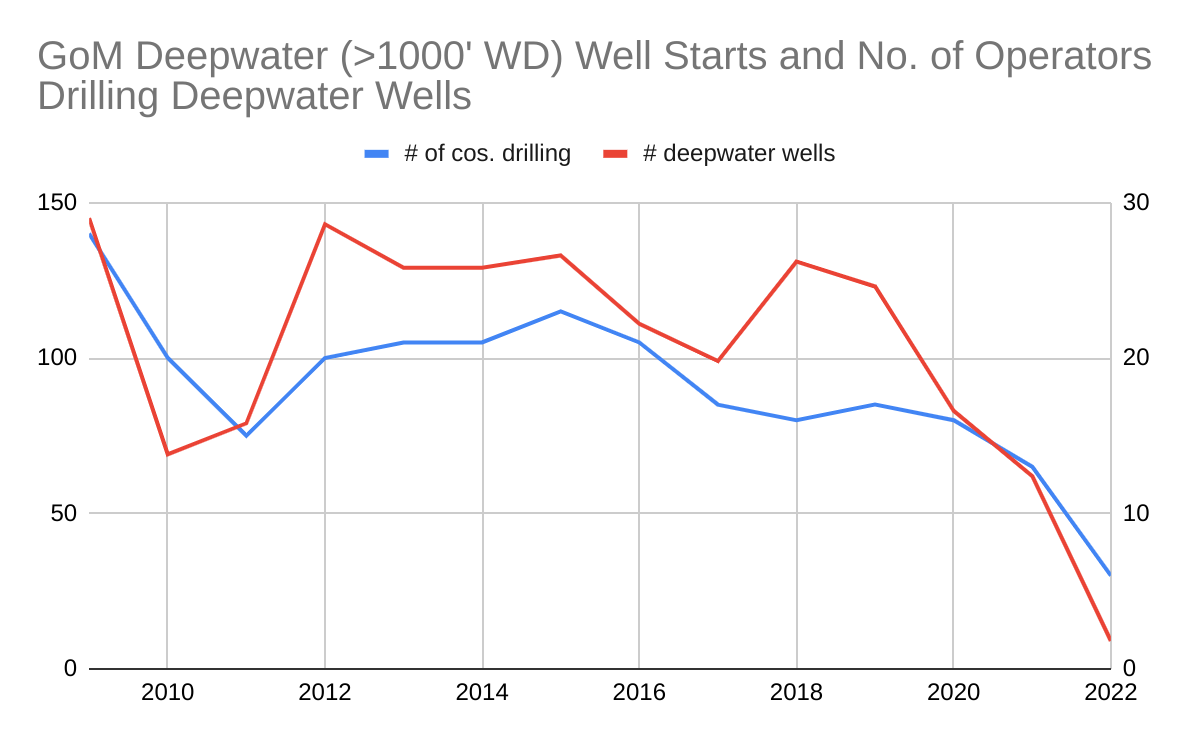
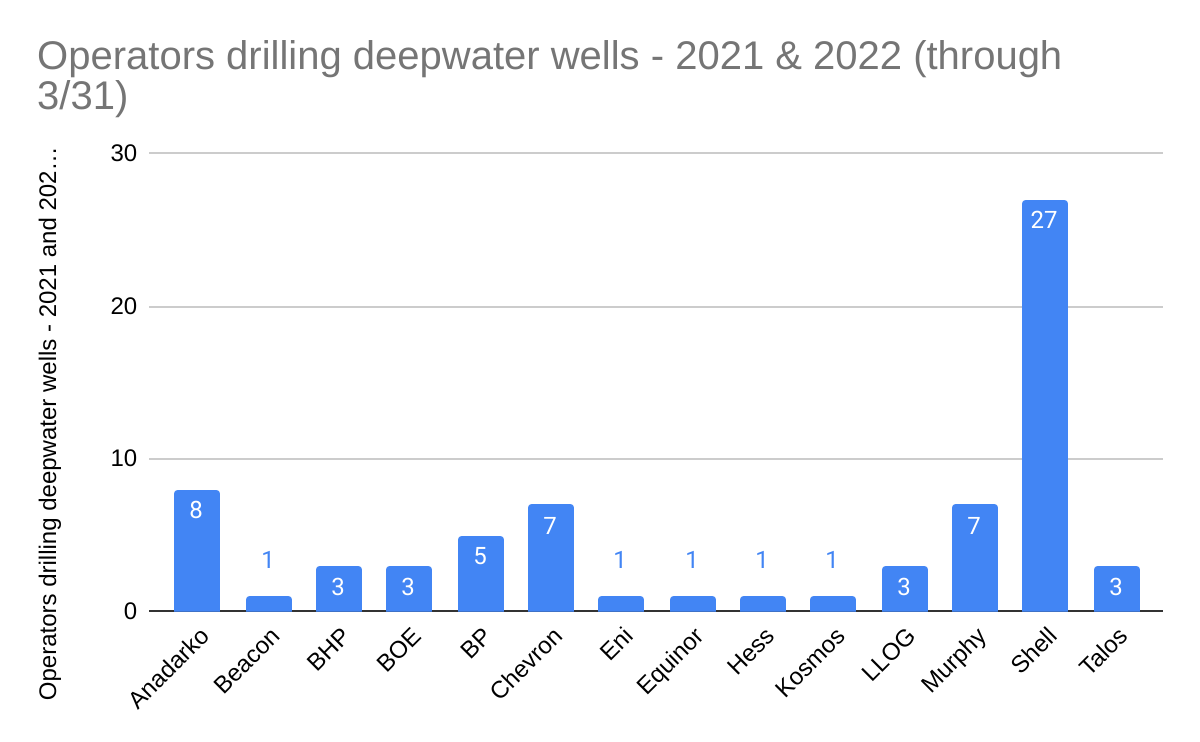
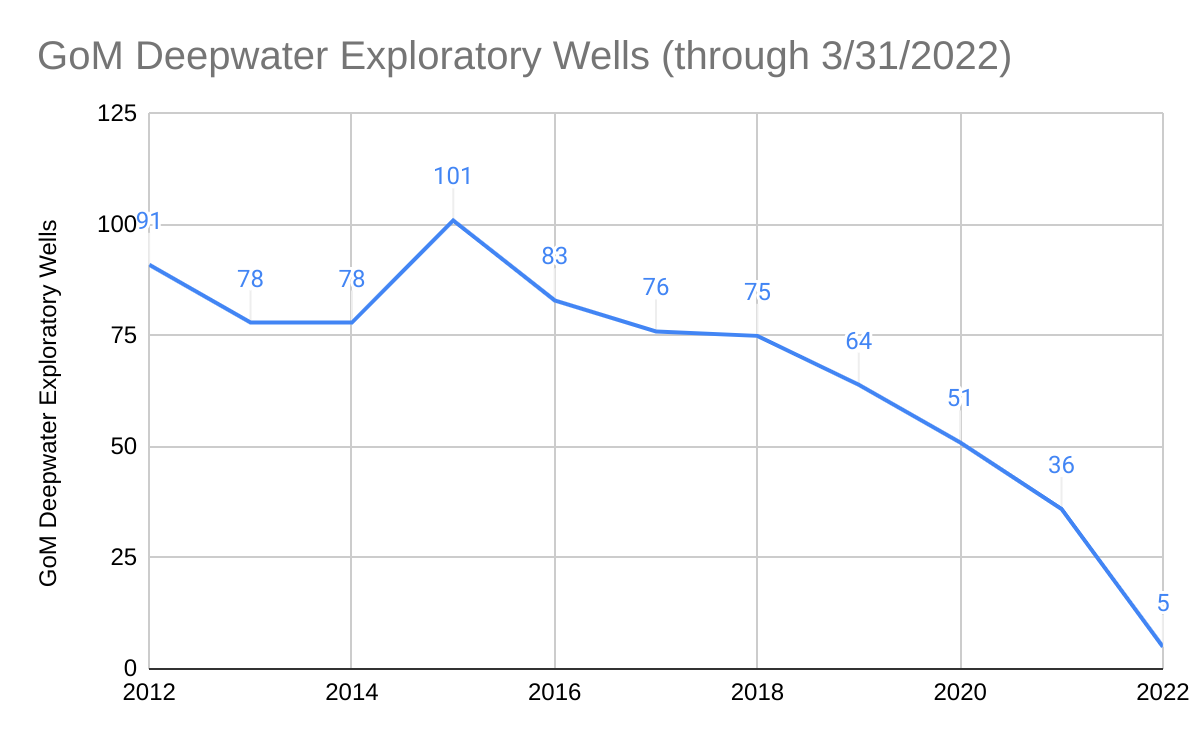
With regard to shelf drilling activity (<1000′ water depth), a total of 55 wells were started in 2021 and 2022 (first quarter). Only 2 of these wells, both by Walter Oil and Gas, were classified as exploratory. The most active drillers (by far) were Arena Offshore (30 well starts) and Cantium LLC (16 well starts). Ankor, EnVen, and Talos were the only other operators with drilling activity.
Reasons for concern:
Posted in energy policy, Gulf of Mexico, Offshore Energy - General, Regulation, Russia, tagged 500 days since the last offshore lease sale, Lease Sale 257, offshore oil and gas, Senator Kelly, Senator Manchin on April 4, 2022| Leave a Comment »
500 days (and counting) since the last US offshore oil and gas lease sale. Abbreviated chronology:
Posted in energy policy, Gulf of Mexico, natural gas, Offshore Energy - General, tagged Gulf of Mexico LNG, Louisiana, New Fortress Energy on April 3, 2022| Leave a Comment »
New Fortress Energy’s Fast LNG liquefaction solution is particularly interesting.

New Fortress Energy Inc. (NASDAQ: NFE) (together with its affiliates, “NFE”) today announced that it has concurrently filed applications with the U.S. Maritime Administration, the U.S. Coast Guard and U.S. Department of Energy to request all necessary permits and regulatory approvals to site, construct and operate a new offshore LNG liquefaction terminal off the coast of Louisiana (“the Project”) with a capacity of exporting approximately 145 billion cubic feet of natural gas per year, equivalent to approximately 2.8 million tons per annum (MTPA) of LNG.
The Project will be located in federal waters approximately 16 miles off the southeast coast of Grand Isle, Louisiana, and will access abundant U.S. gas supply by leveraging existing infrastructure. Procurement of all long-lead materials is complete and modular assembly of equipment is underway. Subject to the receipt of all required permits and approvals, NFE targets beginning operations in the first quarter of 2023.
businesswire
Posted in Gulf of Mexico, Offshore Energy - General, tagged EIA, Gulf of Mexico, oil production on April 1, 2022| Leave a Comment »
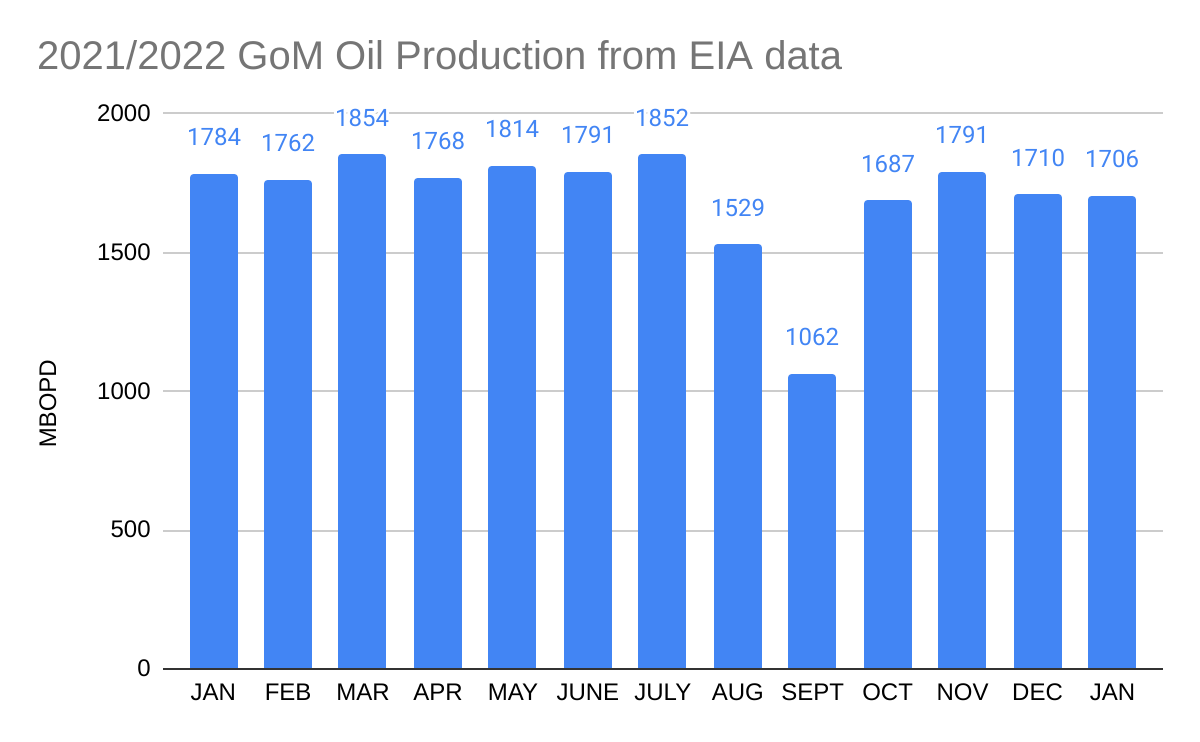
Even after full recovery from Hurricane Ida, Gulf of Mexico production remained well below the August 2019 monthly peak of 2.044 million BOPD. Production should trend upward in the near term as the Vito, Anchor, Argos, King’s Quay, and Whale floating production units come online. However, to sustain production near or above 2 million BOPD, exploration activity needs to be stimulated. This will be difficult given the suspension of leasing, and the continuous legal and administrative challenges.
Meanwhile the April 1 rig count held steady at 14.

Posted in climate, energy policy, Gulf of Mexico, Offshore Energy - General, tagged 5 year leasing plan, Gulf of Mexico, Senator Kelly, Senator Manchin on April 1, 2022| Leave a Comment »
The current 5 year leasing program expires on June 30, 2022. Absent a new program, no lease sales may be held.
We are writing to urge you to develop and implement a new Five-Year Program for oil and gas production in the Gulf of Mexico without delay.
Posted in climate, energy policy, Gulf of Mexico, Offshore Energy - General, tagged Gulf of Mexico, offshore oil and gas, SPR release on April 1, 2022| Leave a Comment »
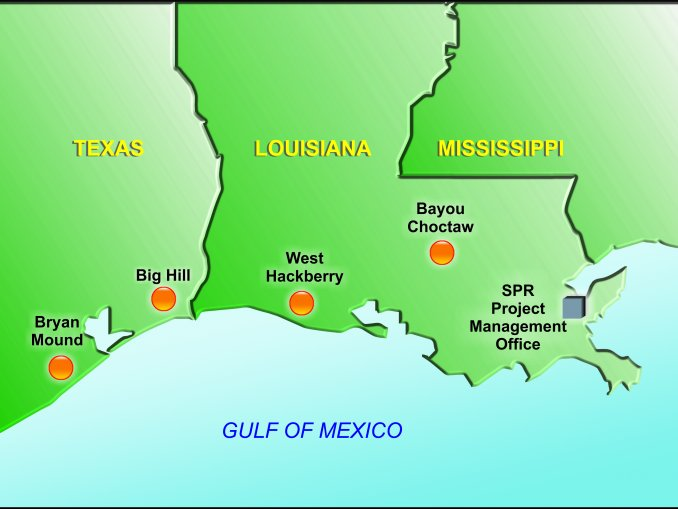
In addition to the obvious concerns about depleting the strategic petroleum reserve, further mortgaging our economic future, and increasing national security risks, the directive to withdrawal 1 million BOPD from the Strategic Petroleum Reserve for 6 months raises a few comments specific to US offshore production:
 Bud's Offshore Energy (BOE)