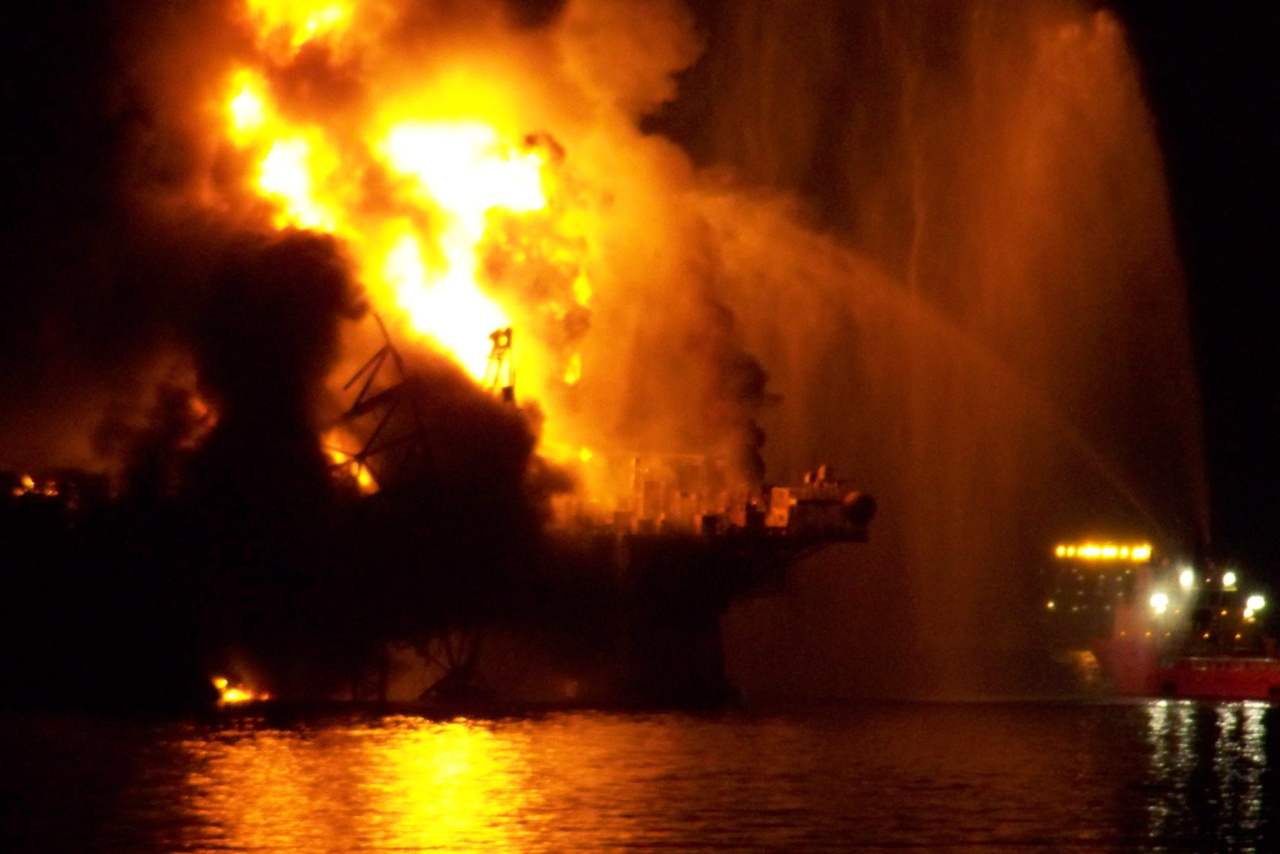
“Can’t happen again” was the mantra of the OCS oil and gas program for 40 years after the Santa Barbara blowout. “Can’t happen here” was the short-lived message of government and industry after last year’s Montara blowout in the Timor Sea. Surprisingly, new versions of the “can’t happen” message have been heard since Macondo. Companies have boasted that “it couldn’t happen to us,” and some government representatives have claimed that their regulatory regimes would have prevented the blowout. The beat goes on.
Macondo will not be the blowout that ends all blowouts, and Macondo will not be the last major offshore accident. We need to focus on reducing the risks of another disaster during drilling, production, or transportation, in deep or shallow water, arctic ice, and every other environment where operations are conducted. The new mantra, no matter where you operate or regulate, should be “CAN HAPPEN AGAIN.” That is the attitude we need if we are to prevent future accidents. We should preach the “CAN HAPPEN AGAIN” message loudly and clearly, no matter how many years (hopefully decades) elapse before the next major accident.
We’ve heard a lot of details about the shortcomings of the well design, the companies involved, and one of the regulators. However, consistent with the CAN HAPPEN AGAIN message, we need to also look at the high-level management, leadership, and regulatory issues. How do we sustain outstanding performance and minimize the risks of major accidents? Here are four suggestions that have received little attention since the blowout:
- Challenge industry. One lesson I have learned from the Norwegians is to make industry take ownership for their problems. Instead of halting deepwater drilling for six months while the government attempts to fix the problems (real and perceived), we should have given offshore operators six months to develop a plan for not only preventing another Macondo, but reducing the risks of any major drilling, production, and pipeline accidents. If the government wasn’t satisfied with the industry plan, operations could be curtailed until a good plan was developed.
- Improve management systems and cooperative industry programs. US operators and contractors are understandably in a reactive mode with a goal of lifting the moratorium. However, the next disaster will not duplicate this one. The offshore industry must provide the leadership needed to improve management systems and develop cooperative programs that will monitor performance, evaluate technology and procedures, and asses risks.
- Truly reorganize the OCS regulatory program by consolidating safety and pollution prevention functions into a single authority. Wells, platforms, and pipelines are integrated systems. You can’t divide the components among regulators and expect the regime to function effectively and efficiently. That’s not possible. A few examples (there are may more): separate agencies should not regulate connecting OCS pipelines; separate agencies should not regulate offshore cranes based on the type of facility; and multiple agencies should not regulate the integrity of floating structures. Because of the complexity of the OCS regime, regulatory and industry personnel spend too much time resolving and coordinating administrative and procedural matters. This time would be better spent focusing on mission critical safety issues. A single agency should be responsible and accountable for safety and pollution prevention at offshore facilities, including the review of plans, permit applications, and management systems, and the conduct of inspections and audits needed to assess performance and verify compliance.
- Request assistance from international regulatory partners. While numerous US entities have questioned regulators in Norway, the UK, Australia, Canada, and elsewhere, no one has actually asked these organizations for assistance. In lieu of one or more of the official US inquiries, international regulators should have been called on to review the accident and the regulatory regime. Who has spent more time assessing regulatory options than other regulators? Who knows more about establishing and achieving safety performance objectives? Who else is knowledgeable and objective, yet insulated from US political influences?
 Bud's Offshore Energy (BOE)
Leave a comment