Feeds:
Posts
Comments

Posts Tagged ‘NTSB’

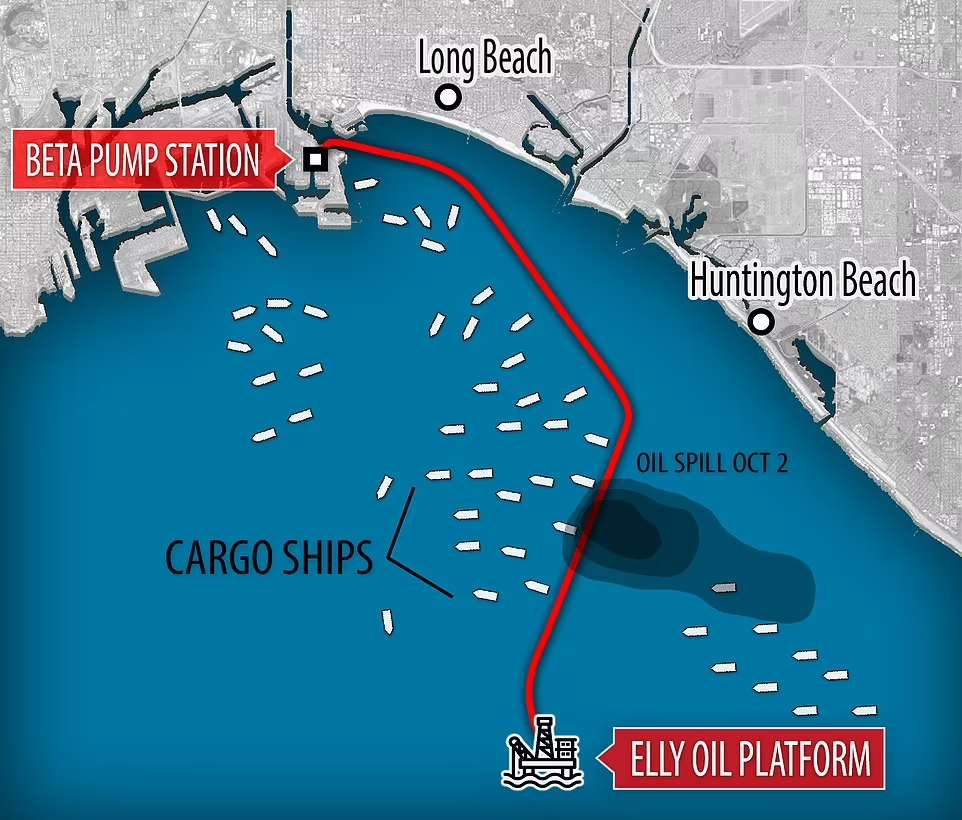
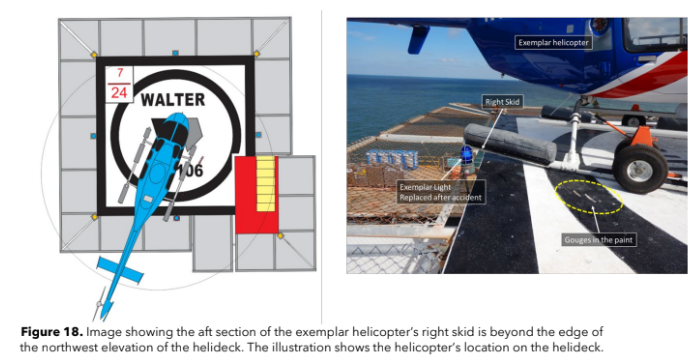
The NTSB has finally issued their report (attached) on the 12/29/2022 helicopter crash that resulted in 4 fatalities at Walter’s West Delta 106 A platform. The NTSB report on the Huntington Beach pipeline spill took a comparable amount of time (26 months) to complete. By comparison, the lengthy and complex National Commission, BOEMRE, Chief Counsel, and NAE reports on the Macondo blowout were published 6 to to 17 months after the well was shut-in.

The gist of the NTSB’s findings is pasted below.
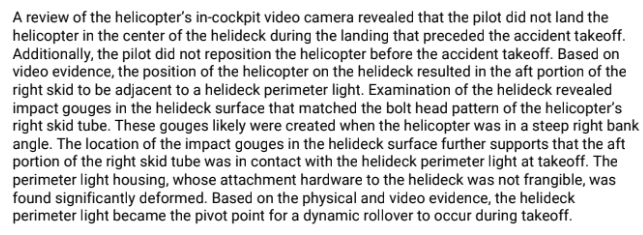
The report summarizes operations standards, but does not consider the associated operator/contractor safety management systems that are intended to prevent such incidents. The report notes that:

Was the contractor/operator aware of these deviations from company policy? Should they have been?

The report implies that human (pilot) error was the cause of the dynamic rollover, but fails to assess the organizational controls that are intended to prevent such errors. How was a pilot with 1667.8 flight hours (1343.8 as the PIC), who had made 23 trips to this platform, repeatedly making fundamental positioning and takeoff errors?

The report also notes that:

This is interesting wording given that the perimeter light was identified as the pivot point, one of the 3 requirements for a dynamic rollover. Why wasn’t that violation observed by the operator/contractor and corrected? What helideck inspection procedures were in place? Did NTSB consider the fragmented regulatory regime for helicopter safety, particularly with regard to helidecks?
Read Full Post »

The NTSB has still not issued a final report, which is troubling. However, the detailed Operations Group Factual Report (including attachments) can be accessed in the case docket This and other items in the docket should be of interest to those involved with offshore operations and helicopter safety.

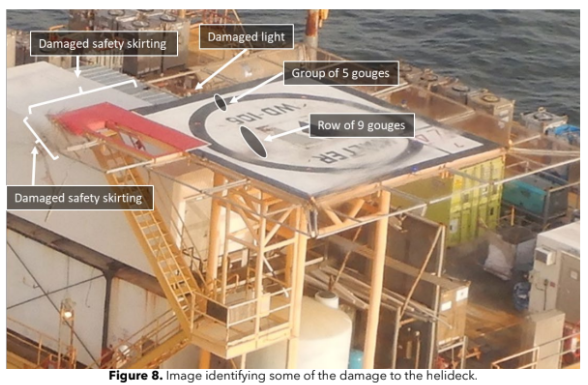
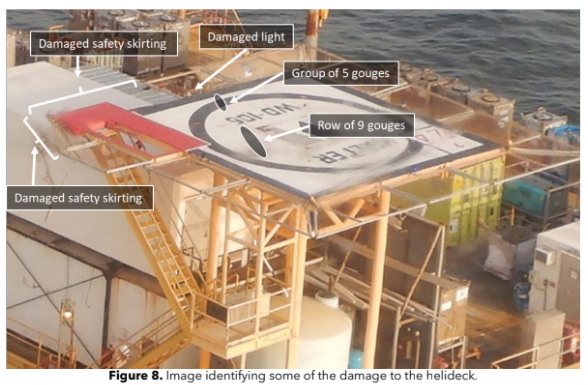
From the factual report, below are graphics showing the helideck damage and assumed final position of the helicopter.

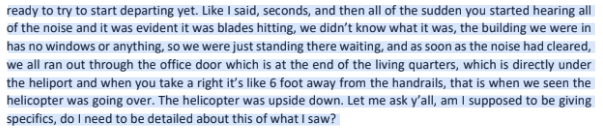
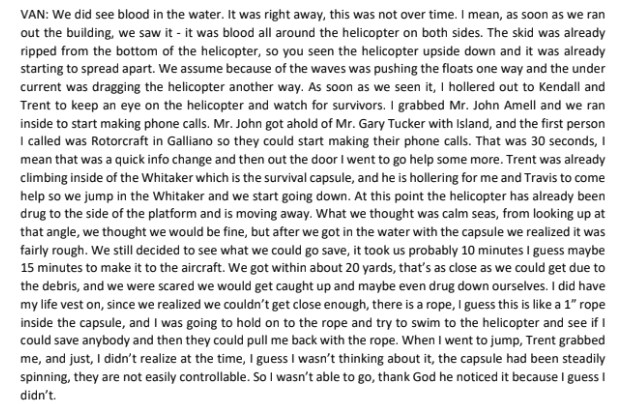
Excerpts from the testimony of a worker at the platform who was part of an attempted search and rescue operation in the platform’s Whitaker escape capsule:

Read Full Post »

David Scarborough, Island Operating Co., was one of the 4 workers who died in the 2022 crash at a West Delta 106 platform.

Read Full Post »

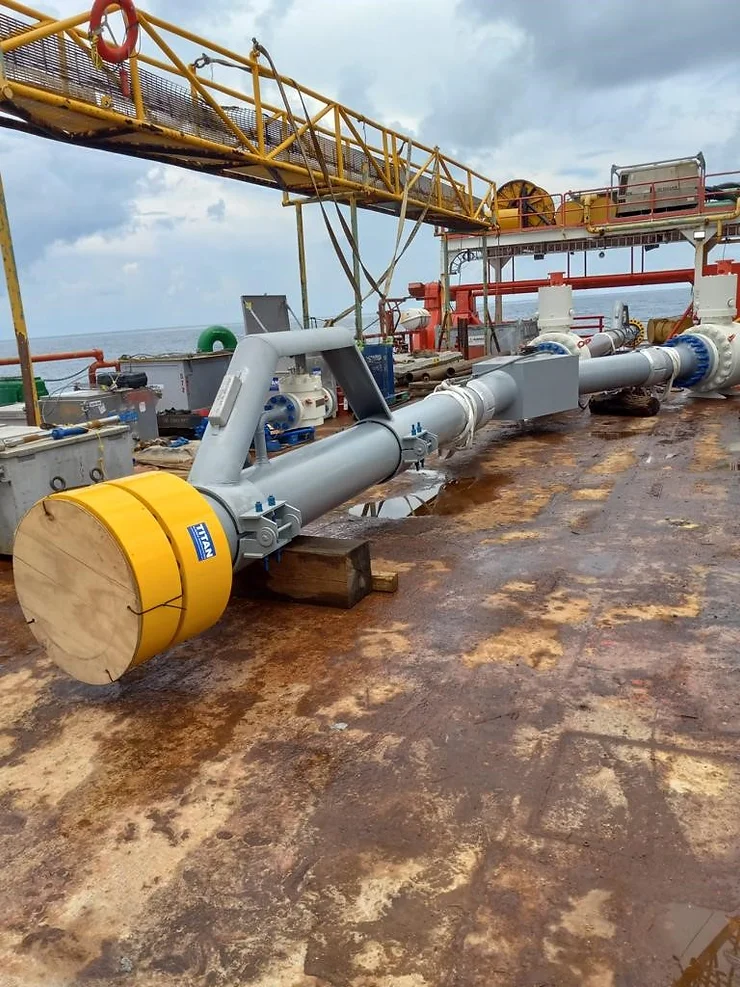
Above: Pigable Y connector for the 6.5-mile 18-inch pipeline extending from a subsea connection in MP289 to a subsea connection with MPOG in MP268 with a capacity of up to 80,000 barrels per day.

A colleague shared his research on the November 2023 Main Pass Oil Gathering (MPOG) connector leak in the Gulf of Mexico. Given the extraordinary amount of time it takes to produce accident reports these days, it may be a while before we see the NTSB report. (Keep in mind that we are still waiting for their final report on the December 2022 helicopter crash at the West Delta 106 A platform.)

The pipeline associated with the leak is BSEE Segment No. 11015, an 18” oil line permitted under Panther Operating Company, LLC . MPOG and Panther are owned by Third Coast ( MAIN PASS OIL GATHERING PROJECT COMPLETION (third-coast.com) . Information on this company website shows that a project was completed for the installation of a new segment 20793 and the new line placed in service on August 20, 2022.

The picture shown in the website for this project (pasted above) shows what looks like a subsea pigable Y connection, which means the main line had to be cut for this connector to be installed. The location of this subsea tie-in for the new segment is in MP 268 and the approximate distance from the Mississippi River delta is 44 miles.

As for other subsea connections, the nearest to shore is in MP 144 about 27 miles from the delta. The report on the leak says that it occurred 19 miles from delta, so not sure if there are any connectors. This distance from the delta would be in the vicinity of MP 72 and mapping information shows no connections in this area, only pipeline crossings. See attached map for PSN 11015.

Read Full Post »

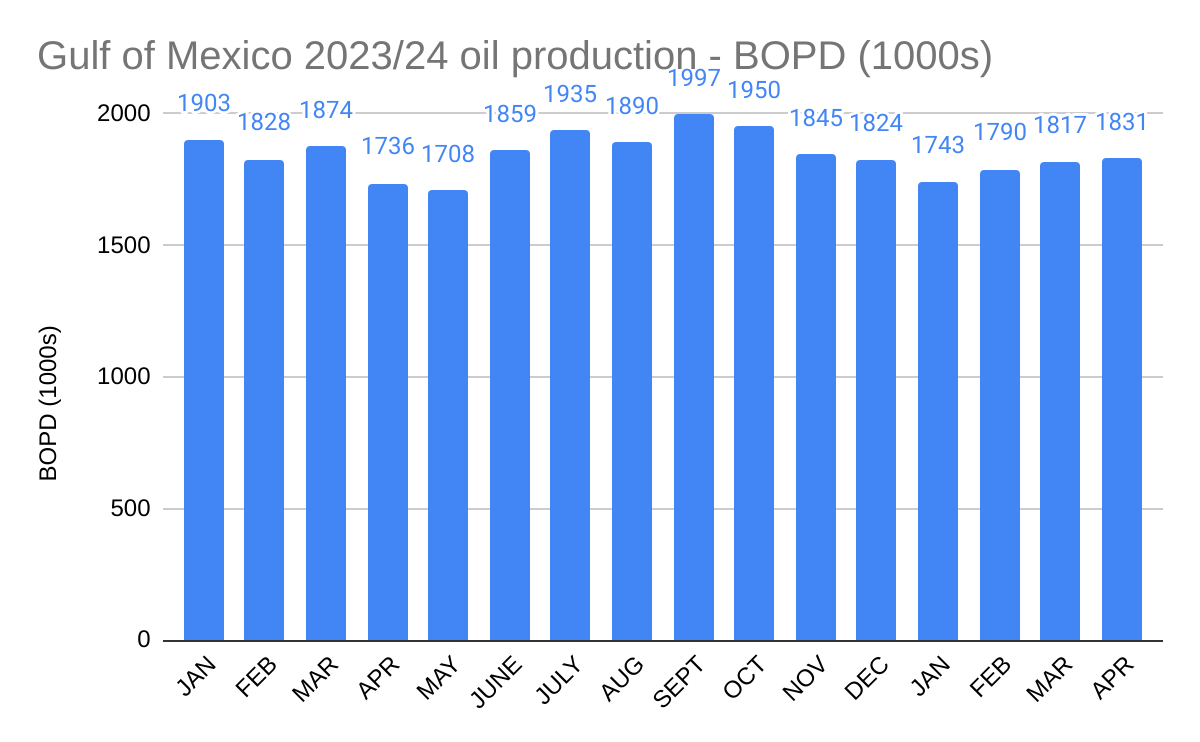
EIA has released the April oil production data. The Federal waters of the Gulf of Mexico produced 1.831 million BOPD in April, which is essentially level with corrected March production (1.817 million).

GoM production fell more than 12% from nearly 2 million BOPD in September 2023 to 1.743 million BOPD in January 2024 before climbing back to 1.8 million BOPD over the past 3 months (see chart below). What’s up?

Read Full Post »

To what extent was the Main Pass Oil Gathering (MPOG) system shut-in responsible for the Nov. to Feb. production decline (chart below)? The MPOG wasn’t cleared for production until earlier this month, so we may not know until the investigation report is published and the EIA posts April 2024 production data (2 month lag).

The NTSB is leading the investigation on the MPOG spill. This short summary is all they have posted so far, but we should see a preliminary report soon. The NTSB’s final reports are frequently delayed. They still haven’t finalized their report on the Dec. 2022 Gulf of Mexico helicopter crash.

Read Full Post »

After 5 months of investigation, the Main Pass Oil Gathering (MPOG) system has finally been cleared for production. (The Coast Guard update only says that the pipeline passed the integrity test, but I assume the operators may resume production though the MPOG system.)

Only a small connector leak that was previously reported was identified during the extensive integrity testing. The Coast Guard had advised that the connector leak was not the source of the large sheen that was observed in November.

So what was the source of the November sheen and what was the basis for the 1.1 million gallon spill volume estimate? The sheen was not indicative of a spill of that magnitude. Did the Coast Guard et al assume a worst case loss from the MPOG system, even though no leak had been identified?

Is this the most oversight ever for a pipeline integrity test?

The removal and replacement of the spool piece and the subsequent integrity test of the MPOG line were conducted under the close supervision of the Unified Command and Pipeline and Hazardous Materials Safety Administration. During both operations, spill response vessels were on site, along with divers, remotely operated vehicles, helicopters equipped with trained oil observers and multi-spectral imaging cameras, and other containment and recovery equipment. No material discharge of oil was observed during these operations.

Unified Command

The NTSB has the lead in the investigation into the source of the sheen. Don’t expect any findings soon.

Read Full Post »

Less than a month ago  BSEE issued an alert that addressed chronic and persistent helideck safety issues. This week BSEE again issued an alert (attached) following yet another near-miss. Per BSEE:

After receiving clearance for landing at an offshore helideck, the aircrew noticed upon landing that a section of the helideck’s safety skirting was not properly secured to the support structure and was blowing upward and downward due to the helicopter’s rotor downwash. This created an imminent hazard to safe helicopter operations with potentially catastrophic results.

Of course, we are still waiting for the NTSB report on the tragic helideck incident at the end of 2022 that killed 4 workers.

The latest near-miss is yet another reminder that the muddled regulatory regime for helideck safety needs to be addressed. The most recent Coast Guard – BSEE MOA for fixed platforms only added to helideck regulatory uncertainty by assigning decks and fuel handling to BSEE and railings and perimeter netting to the Coast Guard. What about safety skirting? As is the case with all safety regulations, a holistic, systems based approach to helideck safety oversight is needed.

To their credit, BSEE has been addressing these helideck issues with safety alerts. Since they are bearing the responsibility for these incidents, they should have the unambiguous authority needed to take enforcement actions regardless of which helideck elements are involved.

Read Full Post »

The attached BSEE Safety Alert addresses chronic and persistent helideck issues that pose significant risks to offshore workers. Meanwhile, we are still waiting for the final NTSB report on the tragic 12/29/2022 helideck incident that killed the helicopter pilot and 3 passengers.

Read Full Post »

NTSB findings; no surprises.

Postaccident investigation determined that the containerships MSC Danit and Beijing had dragged anchor near the pipeline months before the oil release, on January 25, 2021.

previous posts on this incident

Read Full Post »

Older Posts »