Feeds:
Posts
Comments

Posts Tagged ‘NOPSA’

The 2011 Operational Review will examine NOPSA’s activities and legislated functions including engagement with stakeholders, particularly in relation to Safety Case development and the implementation and promotion of improved workplace safety practices and culture.

NOPSA CEO, Jane Cutler, said she welcomes the commencement of the 2011 Operational Review and will be keen to cooperate with the Review team and read the recommendations of the final report, scheduled to be handed to the Minister by Wednesday November 30.

Regular external reviews are valuable if for no other reason than to promote informed discussion, and to provide an opportunity for the public and regulated industry to provide input to an independent panel.

Read Full Post »

From the West Australian:

A new system to regulate the offshore gas and oil industry – a direct response to the 2009 Montara north of the Kimberley – has been approved by the Federal Parliament’s lower house.

Under the changes, the seven state and territory authorities will be replaced by a single Commonwealth body, the National Offshore Petroleum Safety and Environmental Management Authority.

It will regulate all safety issues from exploration to well decommissioning.

In the US, the jurisdictional conflicts (offshore) differ in that they typically involve multiple Federal regulators with overlapping jurisdiction and different priorities. Since most of the necessary streamlining would only involve Federal agencies, one would think that regulatory reform would be achievable, especially after a major blowout that killed eleven. Unfortunately, meaningful US reform appears to be highly unlikely.

Read Full Post »

BOE applauds retired offshore regulators Ian Whewell (UK HSE) and John Clegg (NOPSA Australia) for their excellent participation in yesterday’s hearings. No one is wiser than a retired regulator. 😉

Also, Magne Ognedal overcame technical glitches to make an important long-distance contribution from Norway.  Those who have not yet read our interview with Magne should take the time to do so.  In this interview, which was conducted before Macondo, Magne concisely answers most of the questions about the Norwegian regime and regulatory philosophy that have arisen since the blowout.

Read Full Post »

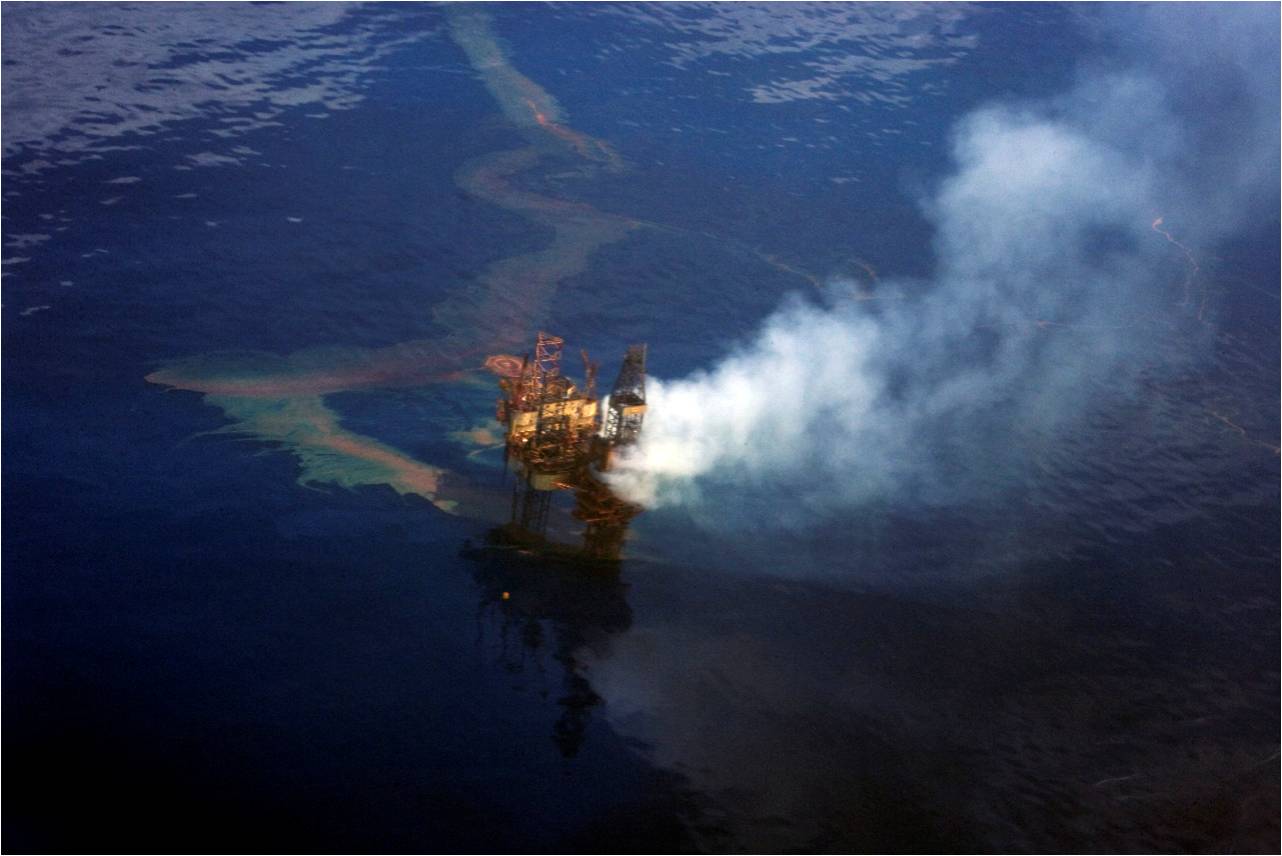
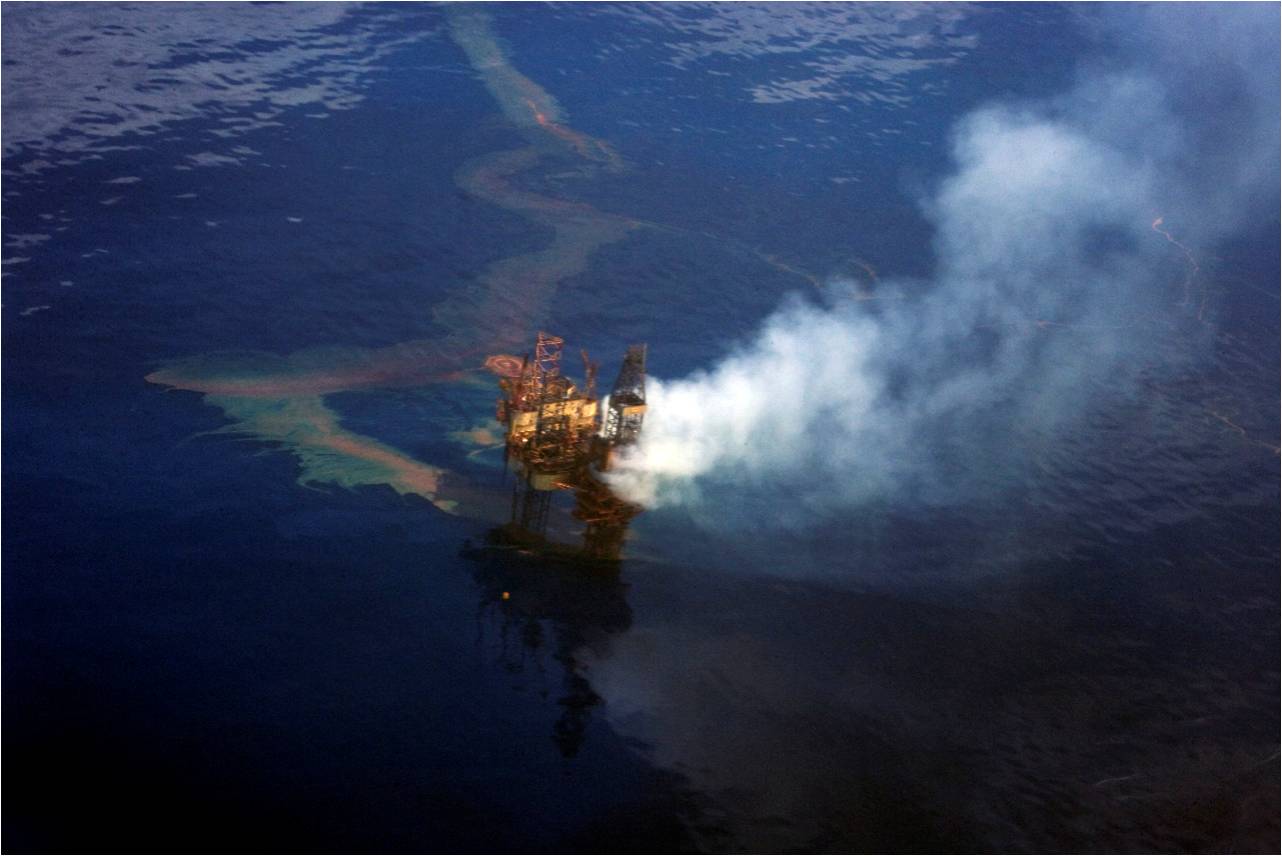
Montara Blowout - Timor Sea

Our virtual vigil is over.  I awoke to messages from Odd, Anthea, and Kevin that the day had finally arrived – the Montara Report has been released. Not only do we have the Inquiry report, but also the government’s response and PTTEP’s action plan.  We’ll be digesting this over the next few days (along with a turkey dinner), but below are a few key items (direct quotes from the government’s response) that are likely to be of interest to BOE readers:

  • To create a single national regulator the Government will expand the functions of the existing National Offshore Petroleum Safety Authority (NOPSA) to include regulation of structural integrity, environment plans and day-to-day operations associated with petroleum activities in Commonwealth waters. There is a fundamental connection between the integrity of structures, the safety of people, and protection of the environment. The expanded authority – to be named the National Offshore Petroleum Safety and Environmental Management Authority (NOPSEMA) – will also regulate safety, integrity and environment plans for minerals extraction and greenhouse gas storage activities in Commonwealth waters.
  • In recognition of the global nature of the offshore petroleum industry, and Australia’s increasingly important role, the Government intends to host an international conference for governments, regulators and the offshore petroleum industry to share the lessons from Montara and to learn from the experience of other nations. The conference will beheld in Australia during 2011.
  • An important feature of objective-based regulation is that it encourages continuous improvement rather than acompliance mentality. It is essential that a regulatory system encourage the creator of the risk to move beyond minimum standards in a continuous effort for improvement, and not just accept the minimum standard. The risk of specific standards is that they can shift the burden of responsibility from the operator to the government and stifleinnovation. The Australian objective-based regime retains the focus clearly on the operator to evaluate risk andachieve fit for purpose design in order to reduce risk to ‘as low as reasonably practicable’.

Read Full Post »

Those who read this obscure blog regularly know that we have been railing about the release of the Montara Inquiry Report since it was delivered to Energy Minister Ferguson on 18 June 2010. The report has now sat on the Minister’s desk for nearly twice as long as the Montara well flowed into the Timor Sea at an announced rate (cough, cough) of 400 barrels per day.

BOE wants to thank Minister Ferguson for helping teach us the virtue of patience, an important life skill that some of us had not previously mastered. In our newly enlightened state, we are becoming more observant. As a result, we noticed that the Australian Senate has already passed legislation strengthening the National Offshore Petroleum Safety Authority (NOPSA).

After reviewing information about the legislation here and here, I am a bit confused about the changes being enacted.  However, if the concerns (below) of Tina Hunter, an Assistant Professor at Bond University who had previously submitted testimony to the Montara Inquiry, have not been yet been addressed, Parliament needs to revise the legislation.  Multiple regulators are a problem, not a solution.  (The US needs to take notice.)

These legislative changes proposed will still split the responsibilities for Well Operations Management Plans between NOPSA and the responsible Delegated Authority (who assesses the well design and construction and drilling applications)….Furthermore, the regulatory amendments do not consider the environmental regulation of well operations and integrity, which also remains with the relevant Commonwealth or State Authority. Therefore, whilst in principle these proposed legislative amendments will provide benefits for the regulation of well integrity, it will still split the regulatory responsibility of well integrity between multiple regulators. Tina Hunter

Read Full Post »

Firstly, major kudos to the Canadians for organizing a great conference in Vancouver, a wonderful city.  The Newfoundland-Labrador and Nova Scotia Petroleum Boards, and the National Energy Board were outstanding hosts, and Max, Howard, Stuart, Sean, Bharat, and the folks at Venue West did a great job with the arrangements. The International Regulators’ Offshore Safety Conference was a huge success thanks to their efforts.

The international leaders in Vancouver were in full agreement that the key to long term safety achievement is the strength and vitality of the safety culture in the operating companies, contractors, and regulatory organizations.  How is such a culture encouraged and achieved?  As NOPSA CEO Jane Cutler has said “safety culture is what you do when no one is watching.”  Inspections are a necessary regulatory tool, but if they are too frequent they send the message that the government is responsible for safety, and that operators and workers can relax their guard.  As Magne Ognedal (PSA-Norway) has frequently said, safety must be managed by the “owner” of the facility and the risk, with the government holding the owner accountable and insisting on excellence.

Steve Walker, UK HSE chief, said that regulators must encourage a “beyond compliance” culture and serve as catalysts for learning and achievement. Regulators can never be satisfied; they should be negative thinkers searching for the operations, processes, and behaviors that might trigger the next major accident.  Dr. Mark Fleming from St. Mary’s University in Halifax believes that safety culture can in fact be regulated, not in the traditional sense, but by requiring companies to have systems in place for promoting and measuring the organizational culture.

Regulators must also look at their own safety culture.  Are they focused solely on compliance and “command and control,” or are they investigating risks, assessing management programs, and evaluating performance?  Are regulatory employees free to investigate and inquire, or are they mere implementers of management directives?  Are employees rewarded for sustaining the hierarchy or challenging  the status quo?  Are they expected to explain why accidents can’t happen again or figure out how they can?

Much more on these and other Vancouver topics in the near future.

Read Full Post »

Jane Cutler, CEO of the National Offshore Petroleum Safety Authority, makes important comments on leadership in this interview.

I’m privileged to work with some great people who are passionate about improving safety. This role within NOPSA provides me with a great opportunity to make a difference and allows me to foster a really proactive work culture, removing obstacles that make it harder for people to do their work well.

Almost everyone involved with offshore safety is passionate about their work and wants to make a difference.  Unfortunately, they are often frustrated by administrative and organizational processes that prevent them from identifying and addressing important safety issues in the most effective and efficient manner.  While there has been much post-Macondo talk about safety policy, there has been little discussion about the organizational constraints that stifle initiative and creativity within regulatory programs.  The focus should be on enabling bright and dedicated people to create and sustain an optimal regulatory environment for safety achievement by the operating companies and their contractors.

Read Full Post »

Safety culture is how the organization behaves when no one is watching.

Also, NOPSA’s September Newsletter has some interesting updates including information on the jackup failure offshore China.

And how does a reporter question the humility of engineers? 🙂

Engineers do amazing things, but they aren’t always as smart as they think, nor their systems as robust as they seem on paper.

Read Full Post »

Montara Blowout, Timor Sea

I awoke to two very important developments from Australia as reported by Anthea Pitt with Upstream:

  1. According to Energy Minister Martin Ferguson, the Montara Inquiry Report will be publicly released by the end of the year. As BOE readers know, there are important similarities between the Montara and Macondo blowouts, most notably the production casing cementing issues that created a flow path via the shoe track on both wells and the evidence that both disasters would have been prevented if negative flow tests had been properly conducted and interpreted.  Would Macondo have been prevented if BP and Transocean had followed the Montara hearings and made sure that all drilling personnel were aware of the causes of this 74-day blowout in the Timor Sea?
  2. Minister Ferguson also announced that the role of the National Offshore Petroleum Safety Authority (NOPSA) will be expanded:

By expanding Nopsa’s role, one central agency will look out for the safety of our offshore workers and the environment from exploration to decommissioning. That means it will be responsible for approvals and regulation of safety and environment, as well as integrity of facilities and day-to-day operations.

Bravo to Australia and Minister Ferguson! As I indicated in  a submission to the Montara Commission and testimony before the US Senate Committee on Energy and Natural Resources, a single agency must be responsible and accountable for the regulation of offshore oil and gas operations if safety and pollution prevention objectives are to be achieved.

Read Full Post »

Interesting comments from Jane Cutler, CEO of Australia’s National Offshore Safety Petroleum Safety Authority, in NOPSA’s excellent newsletter:

The incidents in the Gulf of Mexico (Deepwater Horizon) and at the Montara wellhead platform are different in many respects, particularly in technical matters. However, they share some common factors prompting regulatory action.

I agree entirely with Ms. Cutler.  International regulators and operators must work in concert to address and resolve these issues.

Read Full Post »